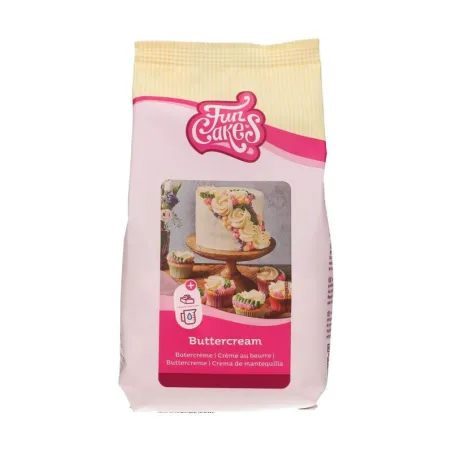
Buttercream Mix, 500 g
CHF7.80


The tonka bean selected by Terre Exotique will enrich your sweet and savory recipes thanks to its Amazonian fragrance.
The tonka bean, a beautiful plant from the Amazon region, has a warm, delicious scent between vanilla and caramel. Grated or infused, it lends a warming character to desserts, fish, vegetables, shellfish and white meat.
Notify me when available
Interested in this product? Drop us an email and we will let you know when it's available for order.
| Ingredients | Tonka bean, coumarin content between 1 and 4 %; may contain: CELERY, SESAME SEEDS, MUSTARD and HARD SHEALED FRUIT. |
|---|---|
| Filling quantity | 250 g |
| Storage note | Store in a cool and dry place |
| Country of production | France |
| Product Lactose Free | Yes |
| Product suitable for vegetarians | Yes |
| Product Gluten Free | Yes |
| Product Vegan | Yes |
| Product is kosher certified | No |
| Product is halal certified | No |
| Growing region | Brazil |
almond, caramel or tobacco: the captivating aromas of the Tonka bean are as varied as its uses. Depending on the growing region and cultivation, it can have aromas of sweet almonds, vanilla, caramel and even coffee. Its round and warm flavour is incredibly delicate, with a slight bitterness reminiscent of cocoa. The Tonka bean from Terre Exotique is very mild and barely spicy, making it suitable for a wide range of creations without being too overpowering.
The Tonka bean is used grated in compotes, creamy desserts, with chocolate, in pumpkin soup or with sweet potatoes. Be careful not to use too much Tonka bean though! It contains coumarin, a substance that gives it a powerful aroma but also forms the natural defence of the tree that bears its fruit... What's more, the flavour of the Tonka bean intensifies around tenfold as it cools. Grate it, like Nutmeg, in a fine mill or on a fine vegetable Grater.
Surprise your guests with an extraordinary and warm flavour in a wide variety of dishes. Simply grate a little Tonka bean over
- a mousse au chocolat
- a dark chocolate cake
- an apple and pear compote
- a pumpkin soup
- sweet potato purée
- veal medallions in cream sauce
- sautéed prawns
The Tonka bean grows in the tropical climate and dense forests of the Amazon region. It is found at the heart of the fruit of trees from the Fabaceae family, more specifically Dipteryx Odorata. These gigantic trees, also known as "Coumarou", can grow up to 30 metres tall and tower above the canopy of the rainforest. They thrive in a warm tropical climate and in humus-rich, very fertile soils. These giants produce orange-coloured fruits shaped like a mango. The Tonka bean is the seed of this fruit.
The Coumarou produces its fruit every year, letting them fall to the ground when they are ripe. The fruits are then collected and dried for almost a year. After this ripening period, the fruit is broken open to reveal the bean inside. The seeds are then soaked in strong alcohol for a day. After this lengthy process, they are dried again, turning black and wrinkled, no larger than 3 cm.
The Tonka beans from Terre Exotique are produced in Brazil, where villagers and locals share in the harvest. There, the Tonka bean, also known as "Cumaru", is used for its healing effects on the bronchi and lungs, through topical application or ingestion. It is also used in the making of Candles and incense. The culinary use that we so appreciate receives very little attention in its country of origin.
Before it was used in the kitchen, the Tonka bean was primarily an ally of Western perfumers and tobacco manufacturers. Its sweet scent, reminiscent of vanilla and hay, was used to flavour blond tobacco. In the world of cosmetics, it remains one of the key ingredients in many perfumes. It has a special connection to the house of Guerlain®, which has been using it in its fragrances since the late 19th century.
| Description | Spice |
|---|---|
| Cereals and cereal products containing gluten | Does not contain |
| Crustaceans and crustacean products | Does not contain |
| Eggs and egg products | Does not contain |
| Fish and fish products | Does not contain |
| Peanuts and peanut products | Does not contain |
| Soy and soy products | Does not contain |
| Nuts and nut products | May contain |
| Milk and dairy products | Does not contain |
| Celery and celery products | May contain |
| Mustard and mustard products | May contain |
| Sesame seeds and sesame seed products | May contain |
| Sulphur dioxide and sulphites | Does not contain |
| Lupine and lupine products | Does not contain |
| Molluscs and mollusc products | Does not contain |
| Milk sugar (lactose) | Does not contain |
| Energy value in kJ | 2197 kJ |
|---|---|
| Energy value in kcal | 525 kcal |
| Fat | 36.30 g |
| of which saturated fatty acids | 25.90 g |
| Protein | 5.80 g |
| Salt | 0.01 g |
| Carbohydrates | 49.30 g |
| of which sugars | 28.50 g |