

A Mail deliveries
Order by 4 pm = delivery the next working day.
Free delivery
From CHF 100 purchase
-
MenuBack
-
Online Store
-
-
-
- Couverture
- Temperature control units
- Aids for chocolate
- Chocolate molds
- Praline fillings
- Chocolate ingredients
- Praline hollow body
- Chocolate colors
- Chocolate tattoos
- Chocolate packaging
- Bean to Bar
- Material for cutting chocolates
- Batons with Kirsch
- Airbrush for chocolate
- High Heels Accessories
- Textured films for chocolate
- Chocolate fountain & fondue
-
-
-
-
-
- Cakes Fillings & Ingredients
- Fondant & Marzipan
- Cakes tools
- Cake rings
- Silicone molds
- Decorative mats
- Baking pans for cakes
- Cake stand
- Cakes packaging
- Airbrush for cakes
- Sugar flowers accessories
- Cake Topper & Wedding Figurines
- Cakes dummies
-
-
-
-
-
-
-
-
-
-
-
-
-
-
-
-
-
-
-
-
-
-
-
- Baking chocolate
- Glucose & Sorbitol
- Cocoa beans
- Cocoa nibs
- Monin syrup
- Champagne & Alcohols
- Freeze dried fruits
- Cake & cake glaze
- Flours & baking ingredients
- Chocolate coating & chocolate
- Milk powder
- Granules
- Nuts & Nougat
- Fruit puree
- Creams & Fillings
- Egg yolk & egg white
- Fruit powder
- Special ingredients
- Fondant & Flower Paste
-
-
-
-
-
-
-
- Punching, cutting & embossing
- Mixing bowls & whisks
- Chocolate material
- Thermometer & Burner
- Gloves & Protective Material
- Smoothing & Modeling
- Roll out bar
- Dough scraper & horn
- (Flour) sieves
- Brushes & Tweezers
- Cake turntable
- Spatula & Spatula
- Silicone embossing molds
- Insert strips & cake slices
- Measuring cup
-
-
-
-
-
-
-
-
-
-
-
-
-
-
-
Schablonen & Stencils
-
-
-
-
-
-
-
-
-
-
-
Courses
-
-
- Current courses
- Christmas Guetzlikurs
- Confectionery courses
- Praline courses
- Chocolate courses
- Tirggel & Spekulatius course
- Fair course
- Chocolate kiss course
- Macaron courses
- Cake courses
- Baking courses
- Patisserie courses
- Ice cream course
- Guetzli, Cookie & Confectionery Courses
- Bread courses
- Pasta courses
- Apéro course
- Cooking courses
- Cupcakes courses
- Éclair course
- Courses in Zurich - Adliswil
- Children's courses
-
-
- Team Events
- Hen Night
- Retail Store
-
About Us
-
-
-
DirectionsDownload relevant PDF now.
-
-
-
Recipes blog
-
-
Recipes Blog
-
-
-
Shipping and Payment
-
- Online Shop
-
- Novelties
- Sale
- Gifts Cards
- Stencils & Stencils
- Chocolate and pralines
- Couverture
- Temperature control units
- Aids for chocolate
- Chocolate molds
- Praline fillings
- Chocolate ingredients
- Praline hollow body
- Chocolate colors
- Chocolate tattoos
- Chocolate packaging
- Bean to Bar
- Material for cutting chocolates
- Batons with Kirsch
- Airbrush for chocolate
- High Heels Accessories
- Textured films for chocolate
- Chocolate fountain & fondue
- Couverture
- Cakes & Pies
- Ice cream
- Bread
- Macarons
- Hearty
- Recipe booklets & books
- Cupcakes
- Dessert
- Cake Pops
- Edible decorations
- Fillings & Ingredients
- Glucose & Sorbitol
- Cocoa beans
- Baking chocolate
- Cocoa nibs
- Monin syrup
- Champagne & Alcohols
- Freeze dried fruits
- Cake & cake glaze
- Milk powder
- Flours & baking ingredients
- Chocolate coating & chocolate
- Granules
- Nuts & Nougat
- Fruit puree
- Creams & Fillings
- Egg yolk & egg white
- Fruit powder
- Special ingredients
- Fondant & Flower Paste
- Food Colors
- Auxiliary means
- Spouts & piping bags
- Fondant, marzipan, flower paste
- Bakeware
- Aprons & Potholders
- Cookie cutters
- Season
- Candles
- Party accessories
- Cocktail
- Cookie & cookie tins
- Tableware
- Preserving
- Cotton candy
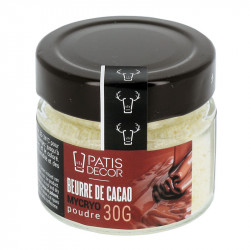
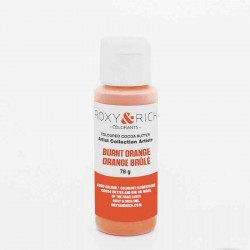
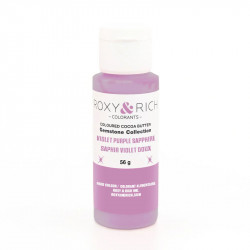
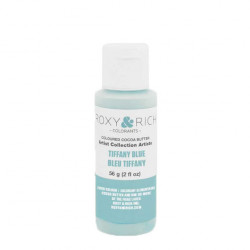
Cocoa butter colors
There are 58 products.
Active filters
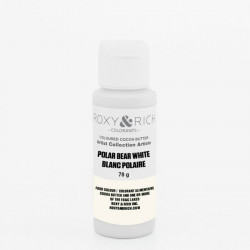
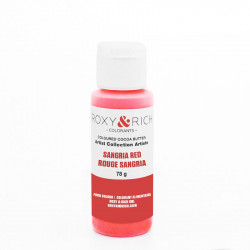
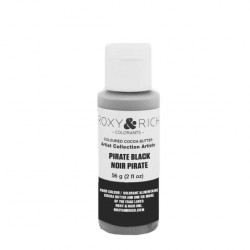
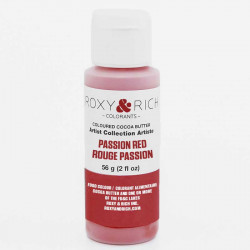
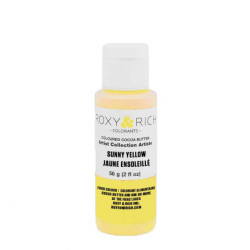
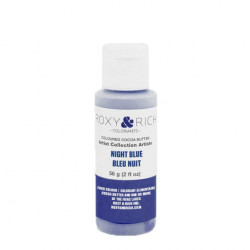
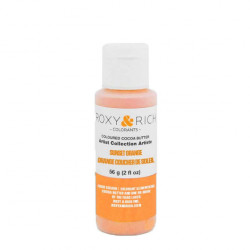
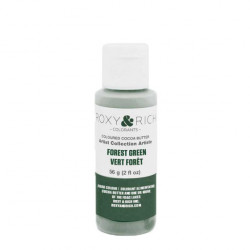
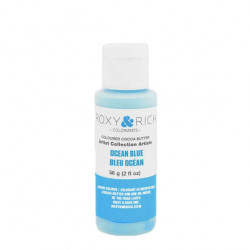
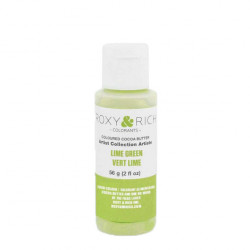
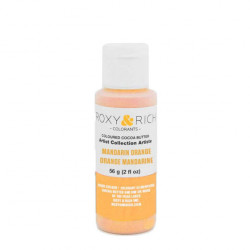
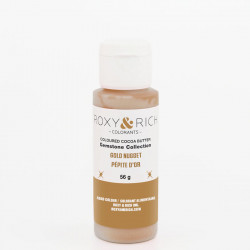
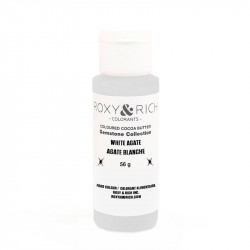
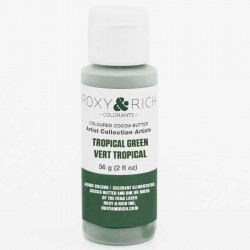
Wildly dotted chocolates, shiny silver chocolate bars, Easter bunnies with green grass and colorful flowers between their paws or a chocolate Samichlaus with a beautiful red coat - all these treats are easy to make with the colors especially suitable for chocolate. In contrast to the food colorings usually used, cocoa butter colors are oil-based. While the water-soluble products are well suited to coloring many mousses for cakes or macarons, decorations made from couverture need a color that can bind with the fatty mass. This is of course particularly important when the color is stirred into the couverture. However, a suitable product must also be used for applying colors before a mold is poured in order to achieve perfect results. If you want to buy chocolate colors, you should consider in advance exactly what you want to use them for. We offer a wide range from particularly strong to glittering cocoa butter colors. In addition to sunny yellow, bright orange or deep blue, beautiful gold and silver colors are also available. You are guaranteed to find the right chocolate color for making your desired creation online or in the store. If you are looking for an ingredient for your couverture that you can mix in directly to color the entire mass, we recommend powder or paste colors for chocolate and not cocoa butter color, as this dilutes the couverture and does not color it as intensely.
Why do we need special chocolate and cocoa butter colors for couverture and chocolate?
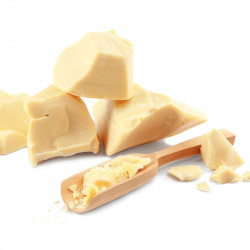
Chocolate is rich in cocoa butter and therefore needs lipophilic, i.e. fat-loving, colorants. Most conventional food colorings are water-based and therefore unsuitable. If couverture comes into contact with water and is mixed with it, it clumps together and can no longer be used for pure chocolate products. In small quantities, such as those used for coloring, the couverture would probably not yet form lumps, but the consistency would already be negatively affected. Furthermore, the pigments in water-based powders or gels would not spread well and would hardly add any coloring power. Colored cocoa butter or colored couverture is always used to paint molds before they are poured. However, other water-soluble powder paints and glitter with alcohol or gloss varnish can also be used for subsequent painting. You don't have to buy a specific powder for this, but there are types that work better than others. You can find out more about this under the relevant powders. All kinds of mica and powders can also be used for powdering and dusting. Only if the couverture is expected to mix with the color or bind to the surface while still liquid, a special fat-soluble food coloring must be used. Colored cocoa butter contains fat-soluble food coloring and cocoa butter, so you can also make or mix it yourself. This is particularly practical if you ever need a very specific shade. This can easily be mixed from the primary colors and, if necessary, a little white.
How is cocoa butter chocolate coloring used for chocolates and colored desserts?
Colored cocoa butter is easy to use and therefore also helps beginners to achieve great results. It is already pre-tempered and can therefore be used straight away. Most items can be sealed very tightly without any problems, so you can place the bottle directly in a warm water bath. Alternatively, you can also melt the contents in the microwave. In this case, it is important to heat it up briefly and then mix it well again. It must not be heated above 45 degrees, otherwise it will no longer be tempered and can therefore no longer be used for shiny chocolate products. The mold can be prepared during the melting process. It should be clean and dry. Then take a fine handkerchief or some non-fibrous absorbent cotton and polish the indentations with it. The polished surfaces should not be touched afterwards, neither from the inside nor from the outside. Otherwise a fingerprint will be visible on the praline, chocolate bar or figurine. Once the mold is polished, it can be painted. Mix the cocoa butter again and then start to apply it. You can paint it on with a brush and create flowers, for example, or the eyes of chocolate bunnies and Sami lice. Make sure that the outermost layer, in this case the pupil, is painted on first. Once it is slightly drawn on, the white of the eye can be painted over it. Work from the outside inwards. For a special effect, you can put on a rubber glove, hold a finger in the cocoa butter and run it over the shape. This creates a beautiful wide and slightly translucent strip of color.
The cocoa butter can also be sprayed by running your finger over the brush and letting the bristles spring forward slightly. You can also use a chocolate airbrush, here a little liquid cocoa butter is poured into the appropriate funnel and sprayed over the praline, figure or bar shape. Short sprays create fine splashes, while longer sprays can easily achieve an even coating. The airbrush technique is very versatile and, with a little practice, fine patterns can be created. The velvety velvet coating is particularly eye-catching. For this, a dessert or cake is frozen and then sprayed. The cocoa butter immediately crystallizes on the cold surface in a slightly less stable form than usual. This coating looks elegant and a little like velvet and protects the dessert underneath from drying out.
Once you have re-coated, painted or sprayed your mold, it is then pulled over kitchen paper. This removes paint splashes from the edges without damaging the actual pattern. The mold can then be filled with tempered couverture. Depending on the couverture chosen, the colors will be brighter or slightly weaker. For a particularly intense result, we recommend white couverture as a base. For pralines, hollow figures and filled chocolate bars, the polycarbonate mold is emptied after one to two minutes so that a thin layer of couverture remains. Remove any excess couverture with a spatula or metal horn and place the mold in the refrigerator for a few minutes. It can then be filled with a melt-in-the-mouth ganache and sealed with couverture. Chill everything again before unmolding, then the chocolate will release easily from the mould. If the chocolate has been tempered correctly and worked cleanly, the surface will shine beautifully and colorful dots, lines or areas will adorn your work.