
Ready-to-ship quantity: more than 20 pieces20+ in stock
Price:CHF2.50
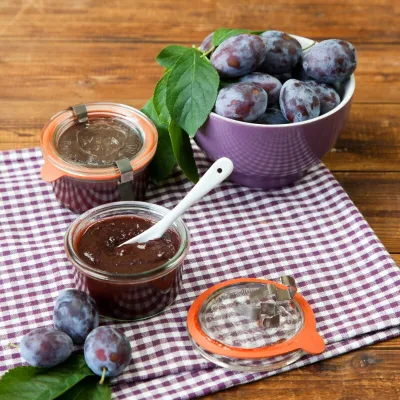
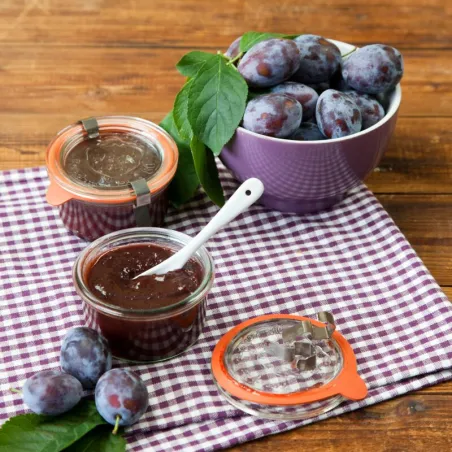
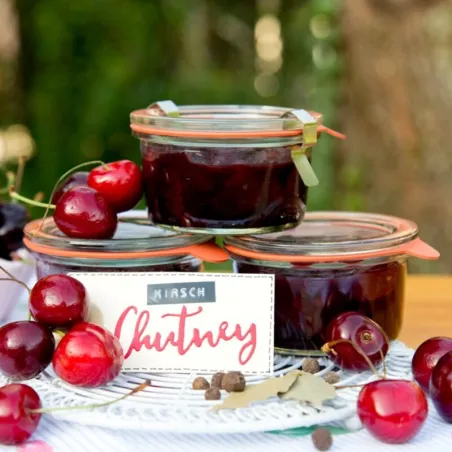
Fermentation, canning and preserving are basically methods of preserving food for longer periods of time. However, the procedures differ considerably. When preserving or canning, the prepared food is filled into a preserving jar and heated intensively. This causes the air to expand and kills bacteria. During subsequent cooling, the air and water vapor reduce in volume again, creating a vacuum inside. When canning, fruit, vegetables or other foods are first cooked individually. This mixture is then filled directly into sterilized jars. Here too, a protective vacuum should form during cooling to preserve the food. If this does not happen or you want to be on the safe side, sterilization can be carried out afterwards, as with preserving. A special form of preserving is the cooking of jam, jelly or marmalade, which is then filled in hot. The high sugar content contributes to preservation, as does the acidity. In many cases, it is sufficient to fill the mass directly hot. When preserving jam in particular, but also other treats, the jar is often turned upside down first to kill bacteria on the lid with the heat.
The last method is fermentation. This also changes the taste and availability of nutrients to a greater extent. Microorganisms such as bacteria, yeasts and other fungi primarily convert carbohydrates into acids or alcohols. The exact processes depend heavily on the food used and how it is processed. As a result, fermented foods are considered particularly healthy in a balanced diet. Examples of this are sauerkraut and yogurt. A seal without a vacuum is suitable for this purpose.
In all these cases, food can be preserved for weeks or even months with the right accessories. They can also be used to create tasty mixtures. This means you always have a supply of summer delicacies even in winter and, depending on the preparation, you can conjure up a delicious dish with just one jar and a suitable side dish.
Essentially, you can preserve almost any type of fruit and vegetables. However, very delicate leafy vegetables such as lettuce or spinach are an exception, as these are generally too fragile for preserving. Fruits and vegetables such as pears, ginger, zucchinis and similar varieties are particularly good for preserving. By combining different ingredients, you can create tasty chutneys, compotes and sauces that can be perfectly refined with herbs and spices. Only fresh food should ever be used for this. Meat and fish can also be pickled and preserved for a long time with the right technique, although special care is required here compared to the safe canning of fruit. As with all variants, there is a risk of contamination with bacteria if the process is not completely clean. In the worst case, bacteria that produce botulinum toxin could multiply. However, if you work carefully and hygienically and maintain the correct canning temperatures and times in the pressure cooker, you can make delicious homemade preserves. However, foods such as pasta, rice or flour-based sauces are not suitable.
You hardly need any other accessories for fermentation than the classic preserving jars. Here, all the magic happens through the food used. Various types of cabbage, but also pumpkin, carrots, radishes and many other vegetables are often used for pickled vegetables. These are often heavily salted and also refined and kneaded with other spices. Making a sourdough is also a variant of fermentation. The yeasts in the dough feed on the carbohydrates it contains and produce carbon dioxide in the process. This is what causes the many air bubbles in the bread dough and makes it rise. However, for the same reason, the dough should not be stored in a tightly closed jar with a seal so that excess gas can escape easily. Milk, beans and even fruit can also be fermented. Lactic acid bacteria can be used to make yoghurt, beans can be used to make tempeh, and if raspberries, for example, are fermented, you can use the juice to create delicious drinks.
Hinged jars, jam jars with screw-on lids, twist-off jars, tumble jars, Weck jars - the variety of preserving jars and their names is huge and the choice is therefore not easy to begin with. Often you already have different jars of different products from the supermarket at home and want to use these instead of new preserving jars. In most cases, this is perfectly possible. However, it is important that the lid closes airtight and can create a vacuum, regardless of whether it is a screw cap or a metal lid or a glass lid with a rubber seal. A screw lid should have a small dent in the middle, which pulls inwards when it cools and creates a vacuum. It is better to replace lids with dents or dings on the sides. With glass lids, the vacuum is held by the rubber rings. If these are brittle, they must be replaced. Otherwise, most jars can be used without any problems after thorough cleaning. However, it should be noted that jam jars from the supermarket, for example, tend to be thinner than Weck jars specially made for this purpose. It is therefore more likely that a jar will break due to heat and temperature changes. To minimize this risk, the jar can first be filled with hot water. The water should then be poured out again so that the jar is slightly preheated and less likely to crack.
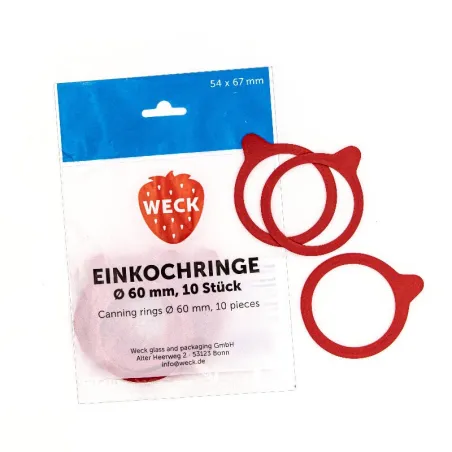
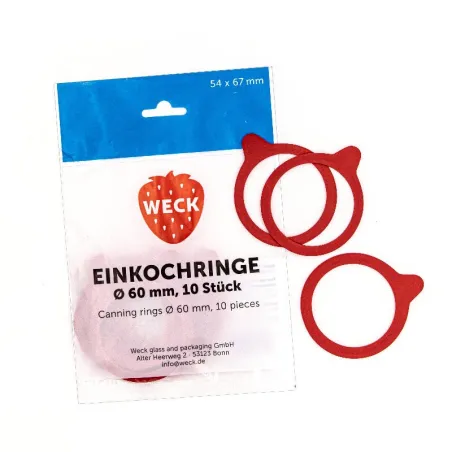
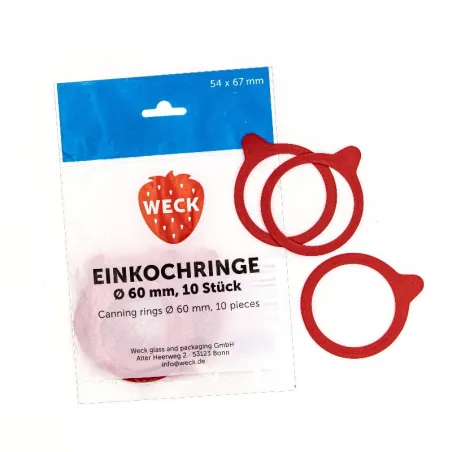
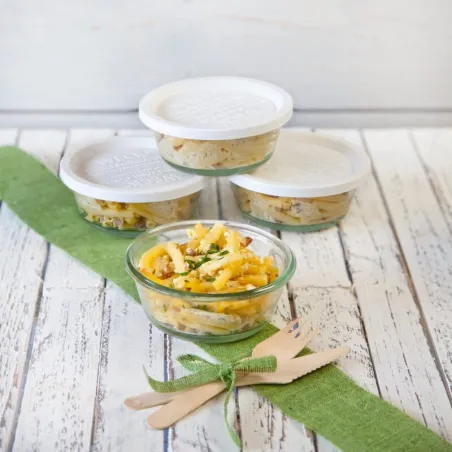
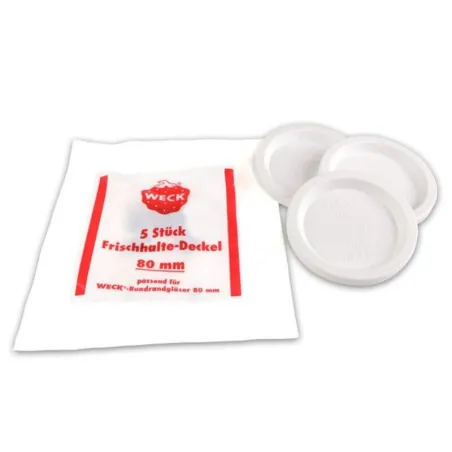
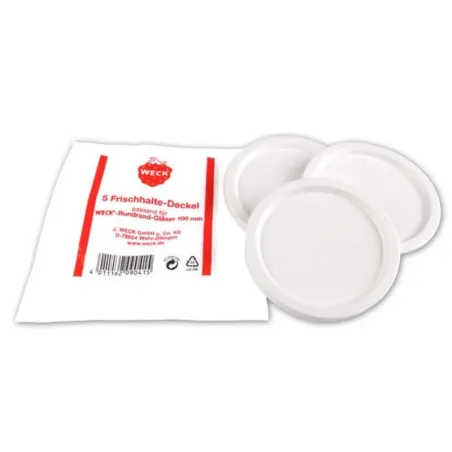
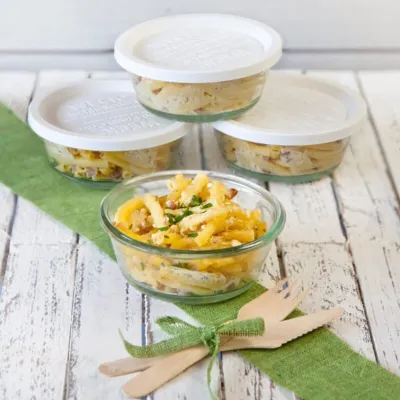
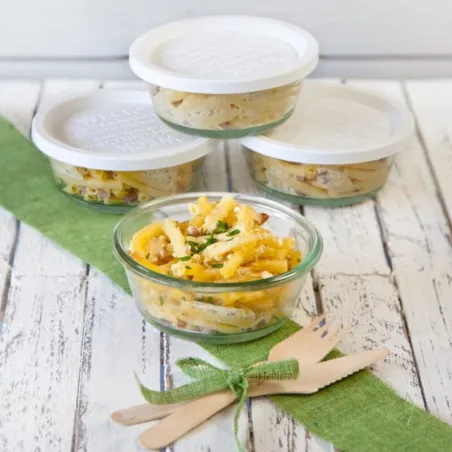
In addition to the sturdy and thick glass structure, Weck jars offer the advantage that they can be used again and again. Should the rubber ring become brittle at some point, it can be easily replaced. The rings can be purchased separately in sets at a reasonable price. The decorative Weck jars are also a real eye-catcher and make lovely gifts when filled with delicious treats. Once opened, the lid is of course no longer held in place by negative pressure, which is why there are matching lids that close the jar securely again. Due to their long shelf life, Weck jars in all sizes can still be found in the cellars of many families today and are still compatible with the new range. No ingredients such as BPA or plasticizers are used in the manufacture of the rubber rings. Made entirely from natural rubber, they are also plastic-free. To ensure that they remain beautiful and flexible for a long time, they should not be cleaned in the dishwasher. Overall, however, the classic preserving jar is very versatile. The preserving jars are suitable for strong heating, for the oven, the microwave and also the freezer. To freeze them, they should first be completely cooled down so as not to create a temperature shock. However, you should be careful with the types of closures on swing-top jars. Wire jars are not suitable for the microwave because of the metal part. If this part is not permanently attached to the jar, you can of course remove it and place the jar in the microwave on its own. The metal lid must also be removed from the twist-off jars.
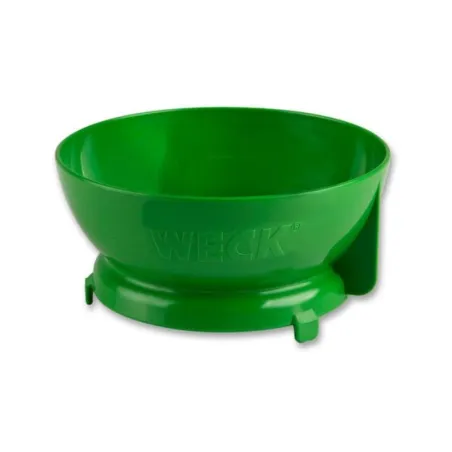
Preserving food is not only environmentally friendly, it is also a lot of fun and only requires a few utensils. The right accessories naturally include clean jars and lids. These can either be empty preserving jars with screw caps or preserving jars with clips or a clip-on lid, a glass lid and a rubber ring. Before filling, all glass containers as well as rubber rings or metal lids should be boiled. It does not matter whether they are boiled with water or vinegar water, the duration and temperature are important. If you want to fill vegetables, fruit or liquids hot, we recommend using a suitable funnel. Alternatively, you can also use a soup ladle, but make sure that the rim of the jar remains clean or is thoroughly cleaned before sealing. Food residue on the rim of the preserving jar could compromise the airtight seal and provide an entry point for bacteria and fungi.
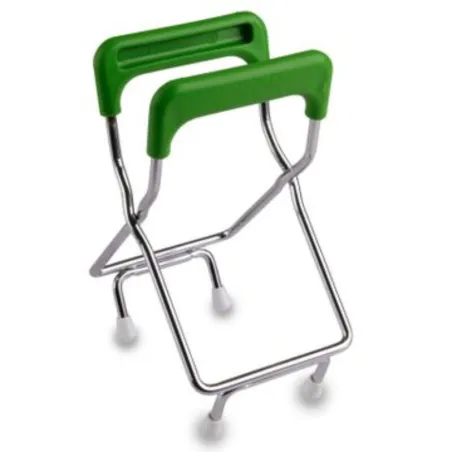
A preserving pot or a fully automatic preserving machine is not absolutely necessary, but it is a practical appliance for all those who preserve frequently. The preserving jars are simply heated in this pot and the temperature and time can be easily set. Overheating protection ensures that it does not get too hot during the preserving process. There are other useful accessories for preserving jars, such as a jar lifter, regardless of whether you are working in the pan, oven or preserving pot. This allows you to remove the jars safely and easily without having to move the lid. The jar lifter also fits different sizes. You will also need a cloth and possibly pots for preparing the food, sterilizing the preserving jars or for preserving. A little tip at the end: Always label the food you are preserving with the contents and date. This way you always have an overview of your supplies.
To preserve food, it is important to sterilize the preserving jars thoroughly. For example, you can place them in the oven and heat them at 100 degrees for 5 to 10 minutes. Alternatively, you can also sterilize them in a steamer. Another method is to immerse the jars completely in water and boil them in a pan. If you don't have a suitable pan and part of large jars is sticking out of the water, you should turn them over from time to time. Here too, it is essential to leave everything to boil for about 10 minutes after boiling. Take the jars and lids out of the water shortly before filling and place them upside down on a cloth. In order not to re-contaminate the surface, which is now free of bacteria and spores, you should not touch the inside or dry it with a cloth, but simply leave it to drip dry.
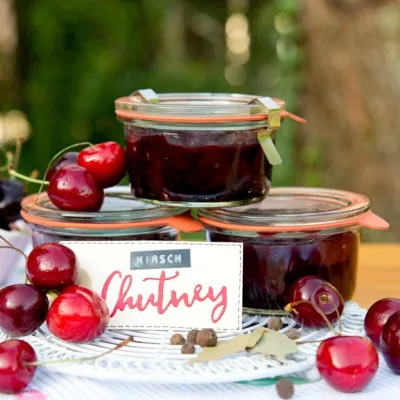
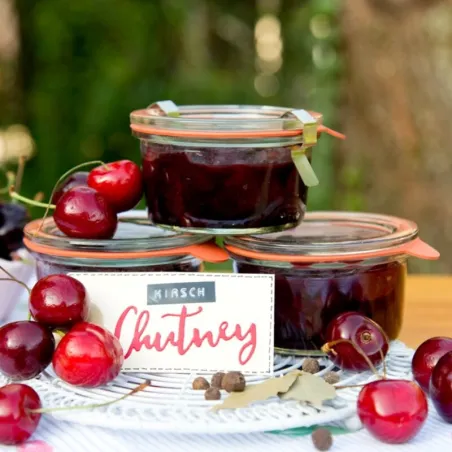
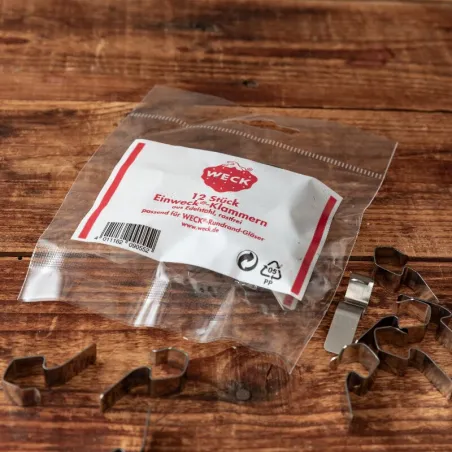
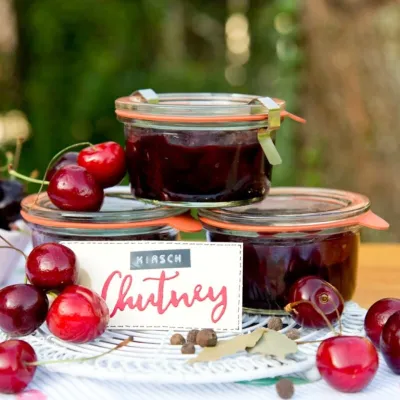
It is best to prepare the contents in advance. A basic rule is that only undamaged food should be cooked and used for canning. Dents or bruises should be removed. Also, only use fresh fruit and vegetables. For example, leave pears or apricots to infuse in a suitable stock and then divide the pieces into the jars. The stock is then also filled into the preserving jars. For pickles, depending on the recipe, small cucumbers can be placed in the jars either whole or sliced. A mixture of vinegar, water, salt and aromatic ingredients such as dill, onions and garlic is then created and poured hot over the top. You can also make a chutney or delicious sauces that only need to be taken out of the cupboard later. Chop all the ingredients and cook the sauce as usual. Then pour it into the jar using a funnel and seal it tightly. If you are preparing a lot of jars at once, you can hold a thermometer in the jar before closing it to be on the safe side. This way you can be sure that the preserves are still at the right temperature. With the Weck jars, the glass lid is placed on the jar with the rubber ring in between. If some clear liquid overflows, this is actually an advantage, as it means that the jar is completely full. However, make sure that sauces or pieces do not get under the rubber or the edge of the lid, as this could be a potential entry point for germs. Therefore, keep the rim clean when filling. The jar lid is then closed tightly with the appropriate clips or a wire clip.
When preserving, you then wait for the jars to cool completely. If you use screw-top jars for jam, you will occasionally hear the typical popping sound caused by the vacuum in the jar and the movement of the lid. If everything has not been heated sufficiently, there is no vacuum, or if you want to be on the safe side, the jars are boiled down as intended or additionally. The jars are heated to temperatures between 85 and 100 °C in a saucepan in a water bath or in an automatic canner. They can then be easily removed with a jar lifter. Be careful not to move the lid of the preserving jars, as the vacuum is not yet stable at the beginning. So place the jars on a cloth and leave them to cool for as long as possible, ideally 24 hours. The vacuum should then be stable and, if present, the clamps can be removed. If you then lift the jar by the lid, it should not come off.
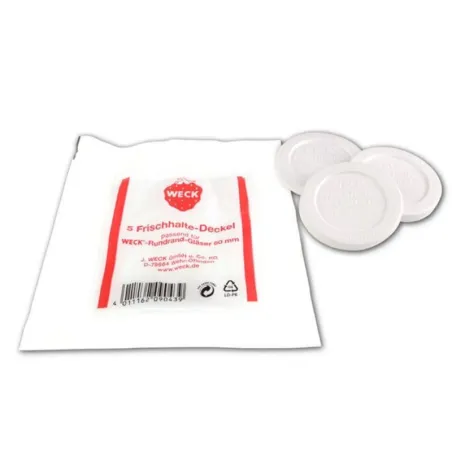
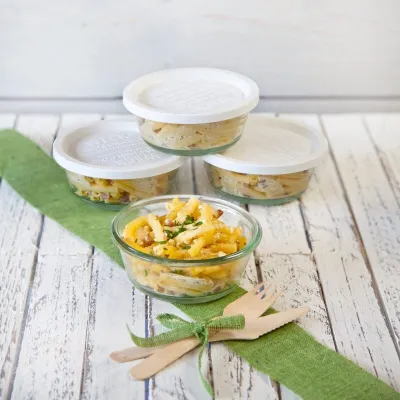
Preserving your delicacies is very easy with canning and preserving. Ideally, you should store the jars in a cool, dark place. A vegetable cellar is ideal for this, but a kitchen cupboard is also perfectly adequate. Depending on the recipe, some stocks can keep for over a year. However, many jars should be consumed in the coming months. When a preserving jar is opened, it can easily be resealed with a preserving lid and stored in the fridge. Try preserving, enjoy the taste of summer even in winter and discover your favorite creations! It's so easy to preserve fruit and vegetables for a long time without any artificial additives.