
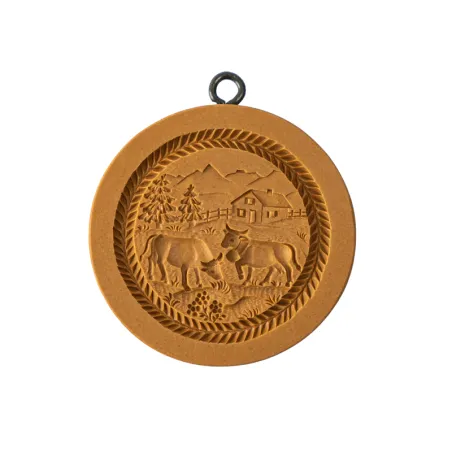
Ready-to-ship quantity: more than 20 pieces20+ in stock
Price:CHF37.50

Änis-Paradies is a Swiss family business that has specialised since 1985 in the manufacture and distribution of baking moulds for Springerle, Tirggel, anise biscuits and gingerbread. The motifs depicted reach back up to 400 years and combine craft tradition with modern material development: a proprietary casting resin process was developed for the production of the moulds, which is food-safe, user-friendly and precise in its reproduction of detail. The range today encompasses over 1000 different motifs – from biblical scenes through historical figures and everyday representations to nature motifs and geometric patterns. Änis-Paradies sees itself not only as a manufacturer but as a custodian of a craft tradition that has grown over centuries. The moulds make this tradition accessible to today's kitchens – for home bakers as well as confectioneries and all those who understand baking as a cultural practice. At miniSchoggi, a selection of Springerle moulds from Änis-Paradies is available.
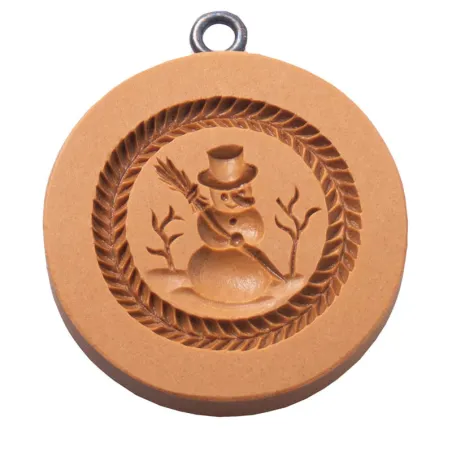
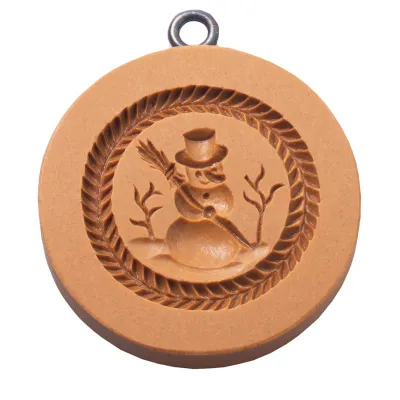
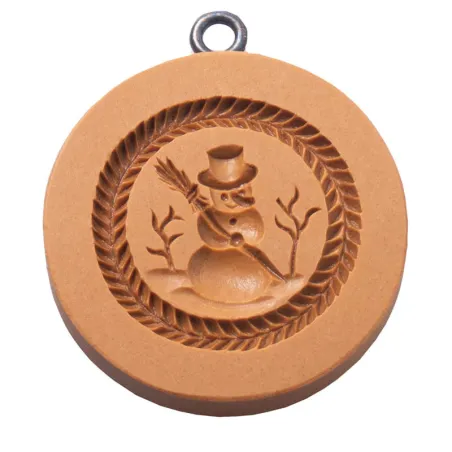
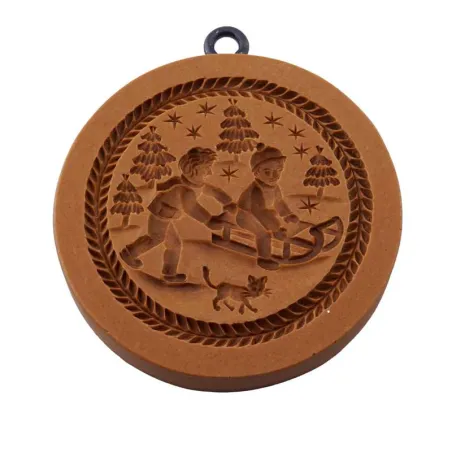
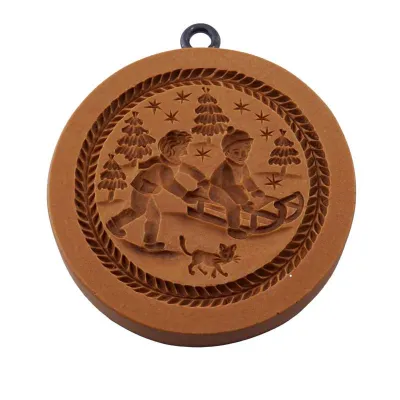
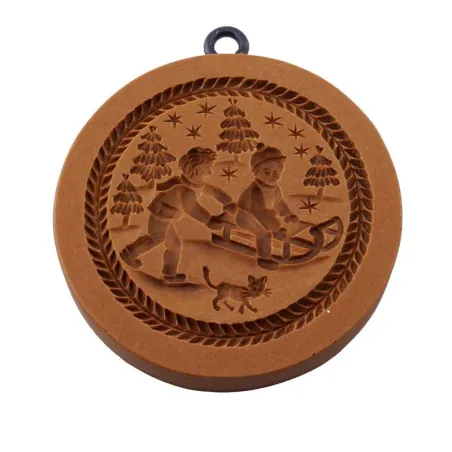
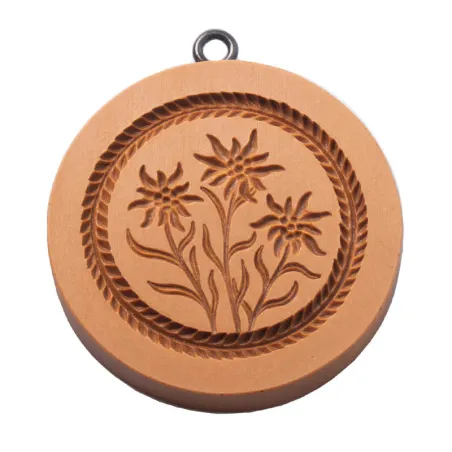
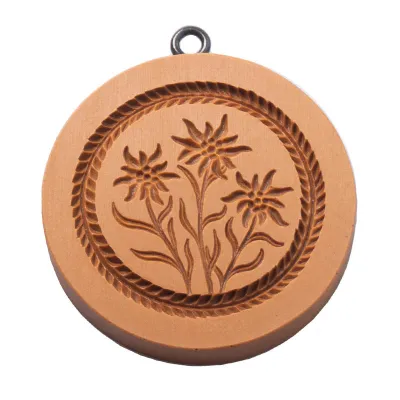
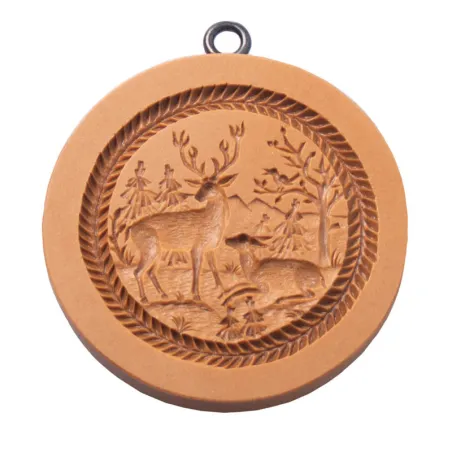
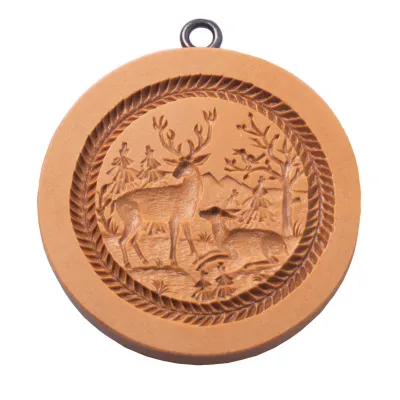
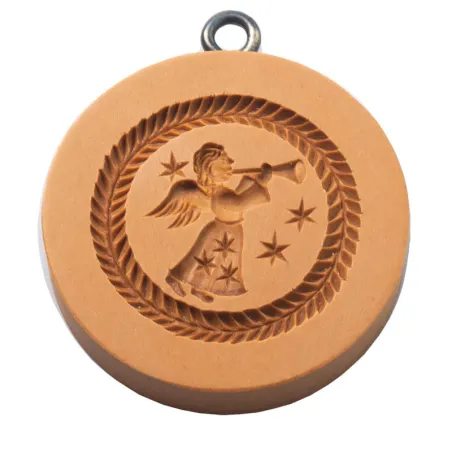
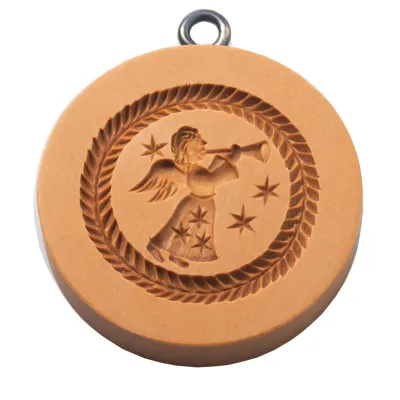
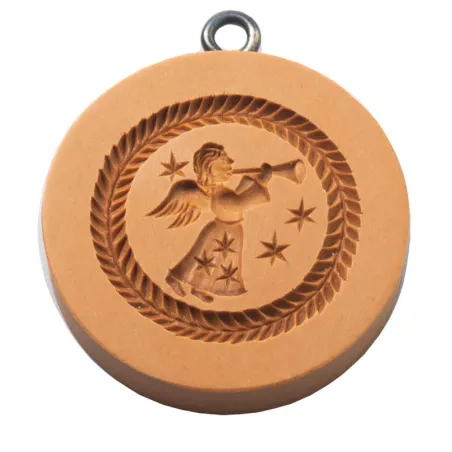
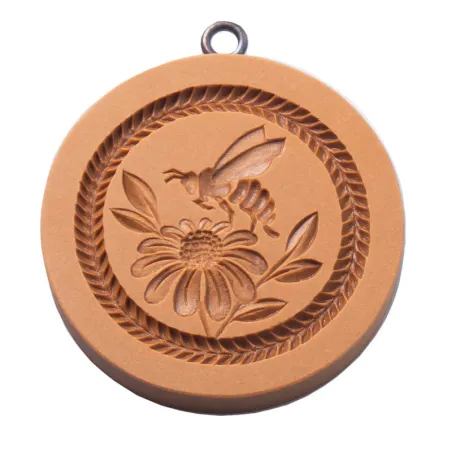
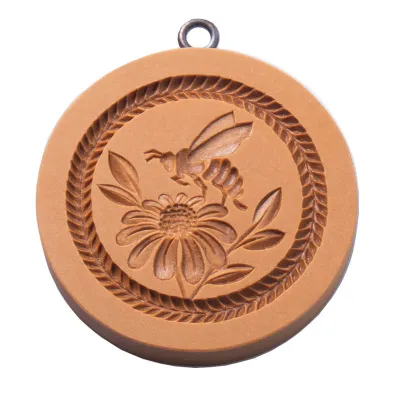
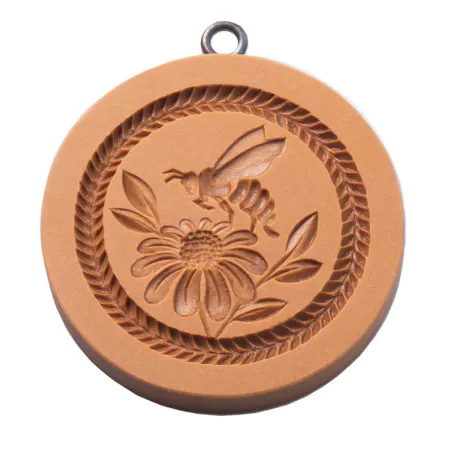
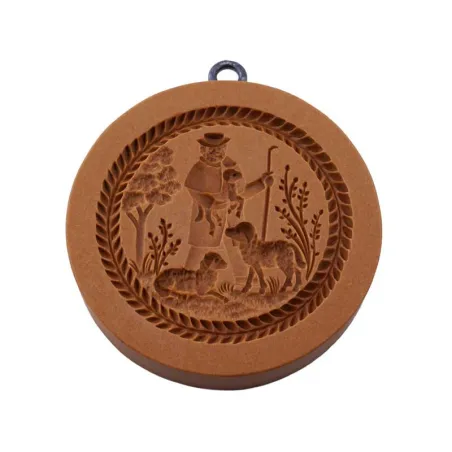
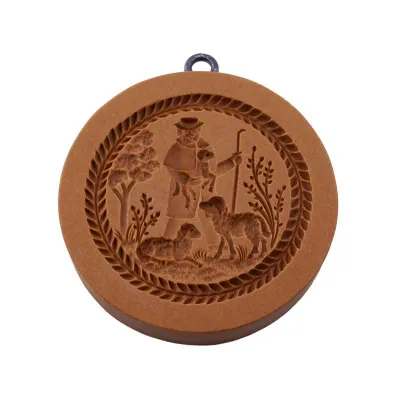
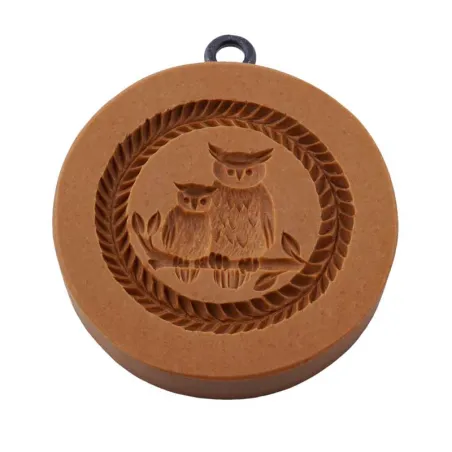
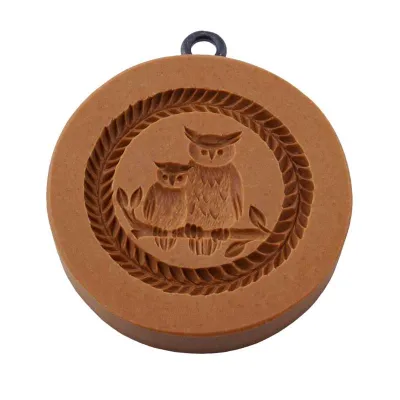
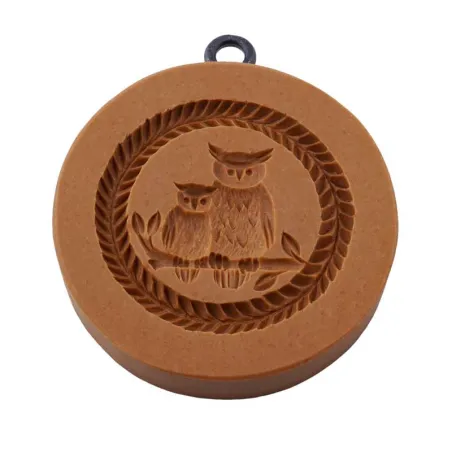
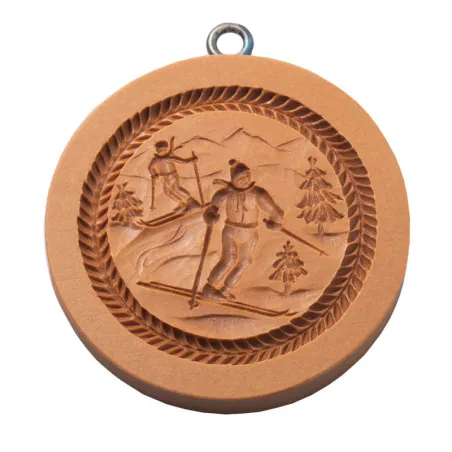
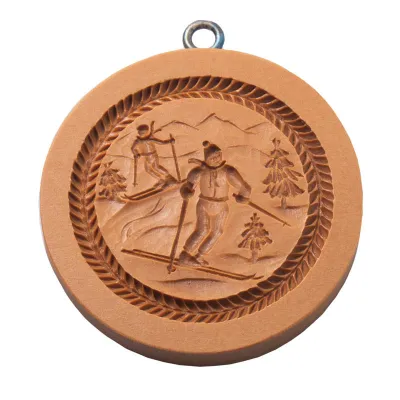
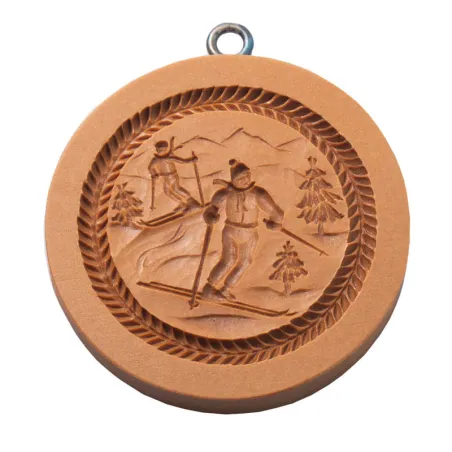
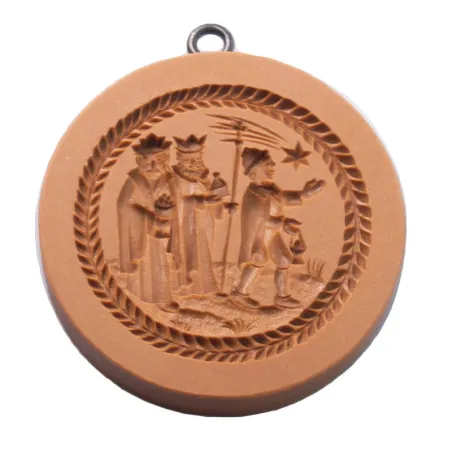
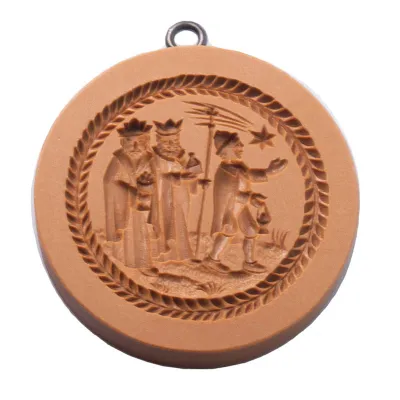
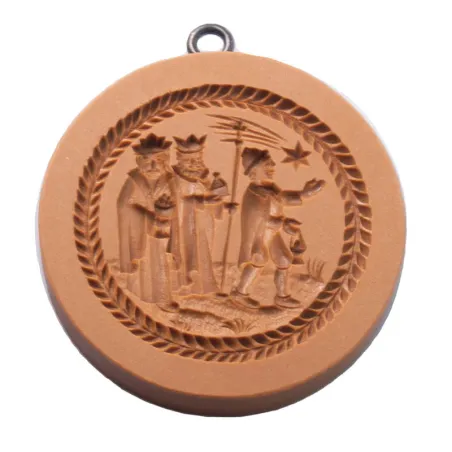
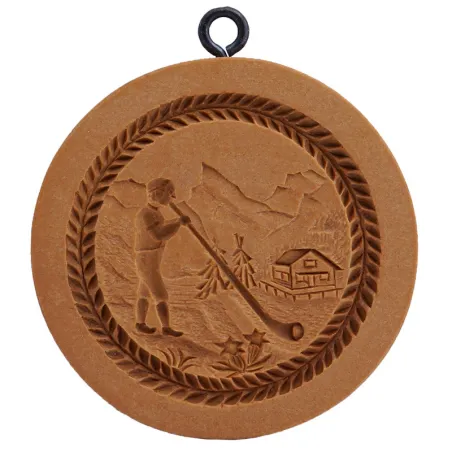
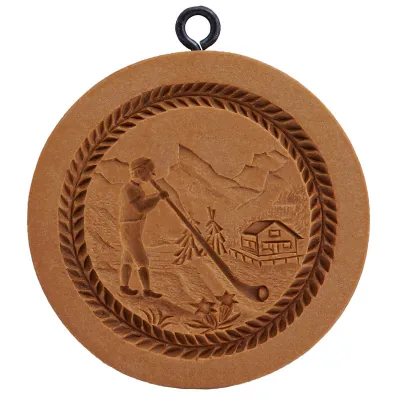
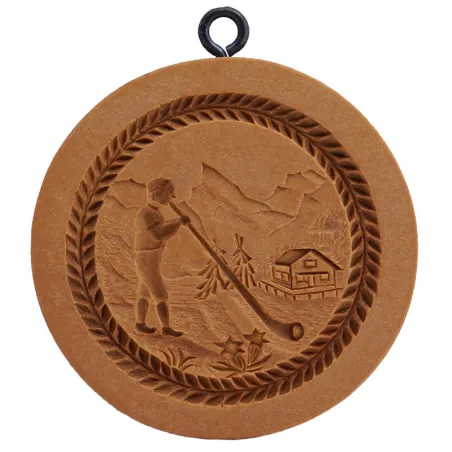
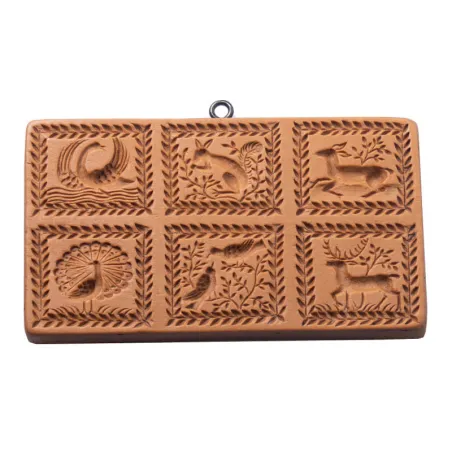
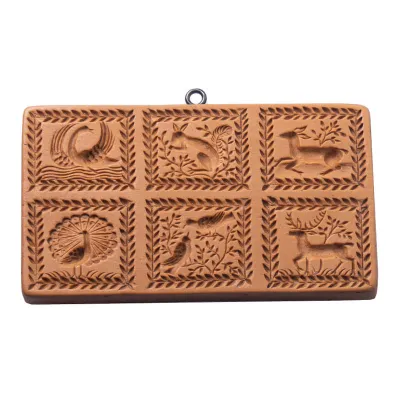
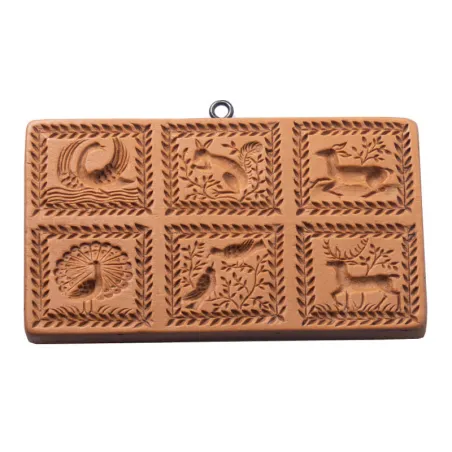
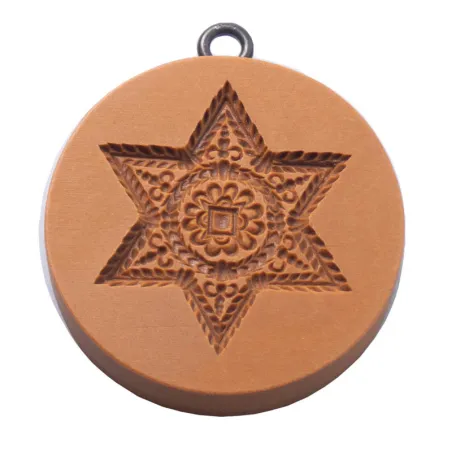
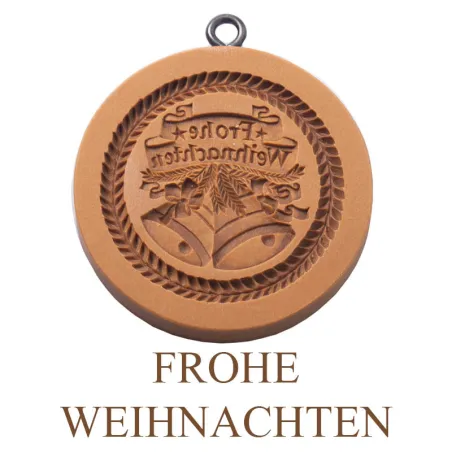
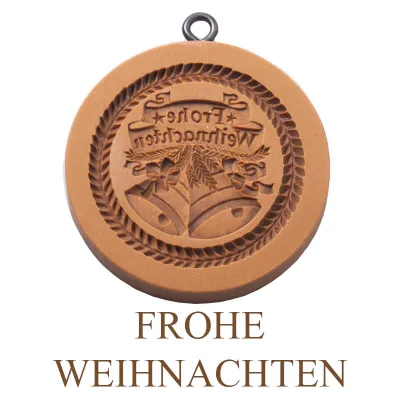
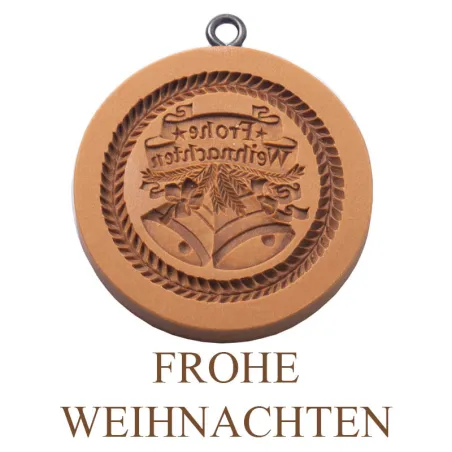
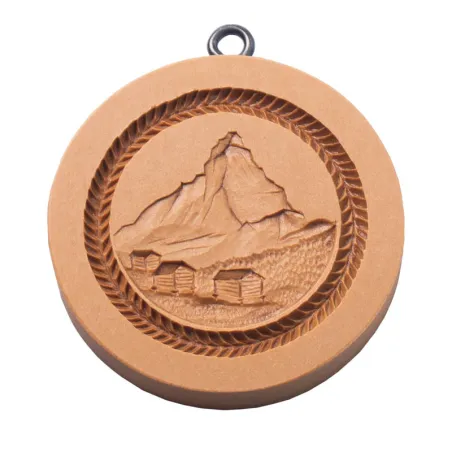
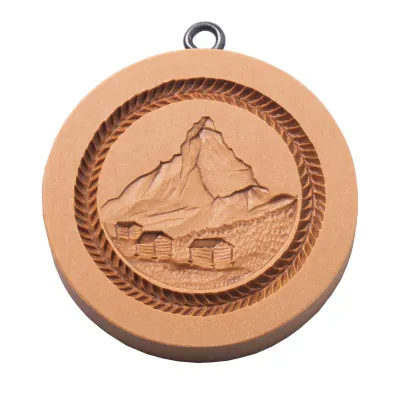
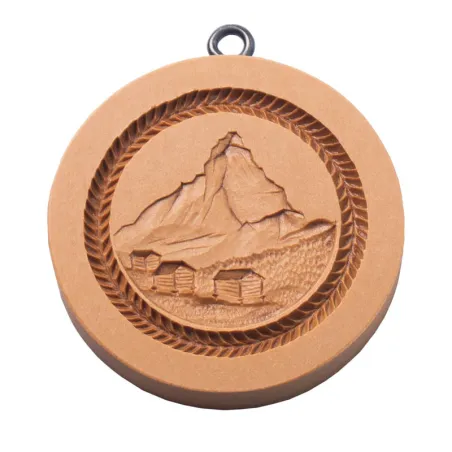
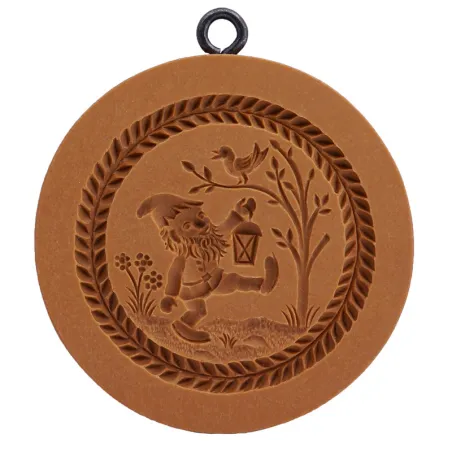
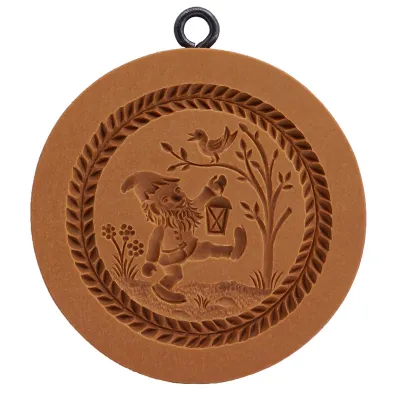
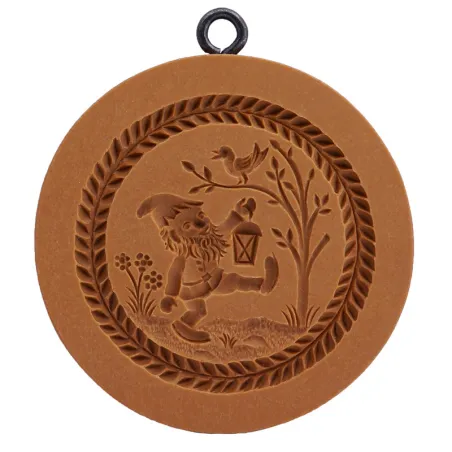
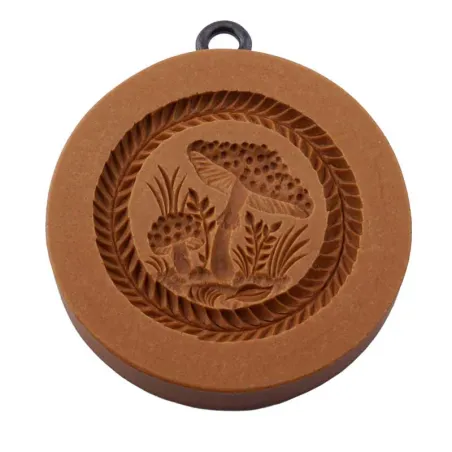
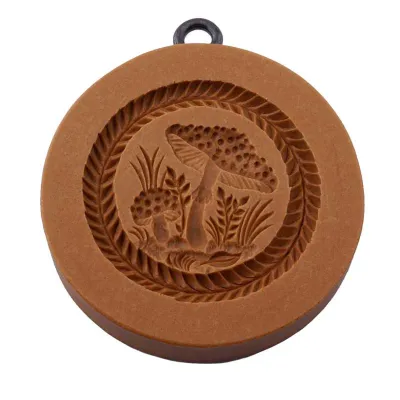
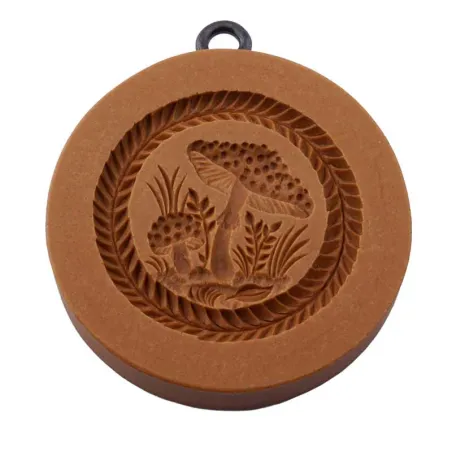
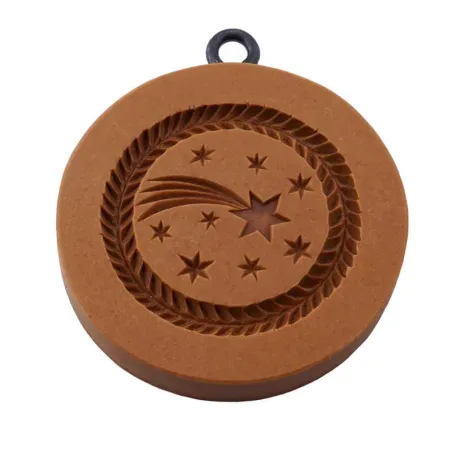
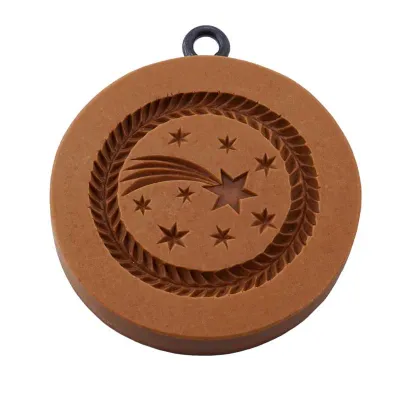
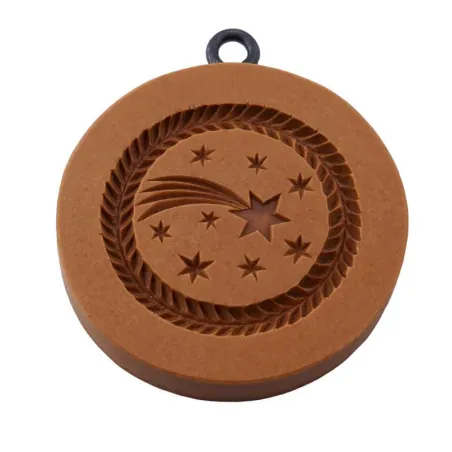
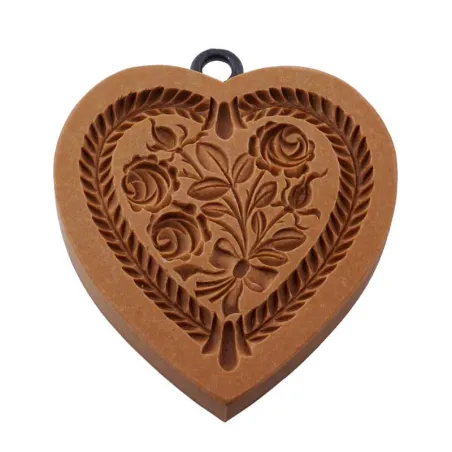
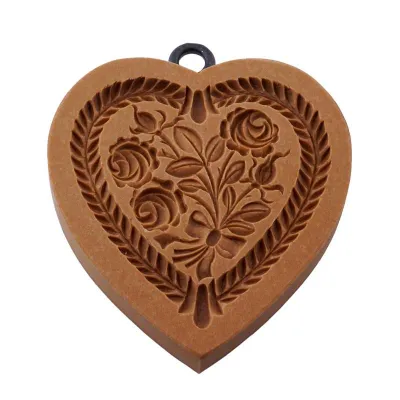
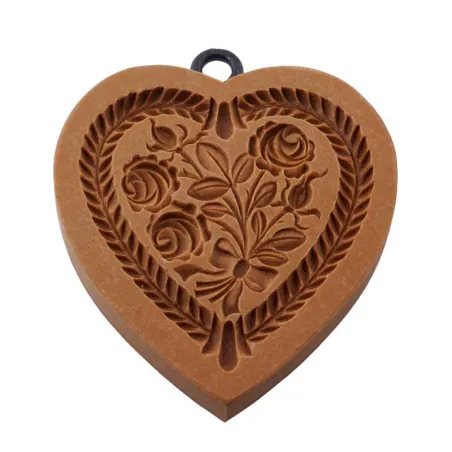
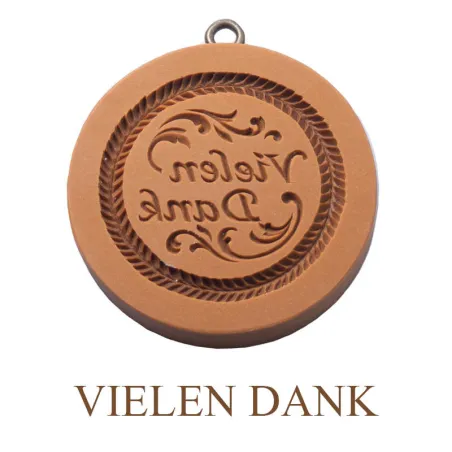
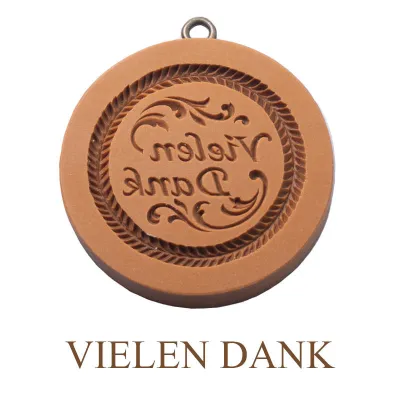
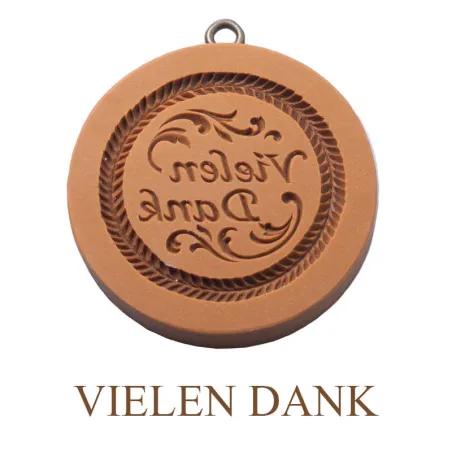
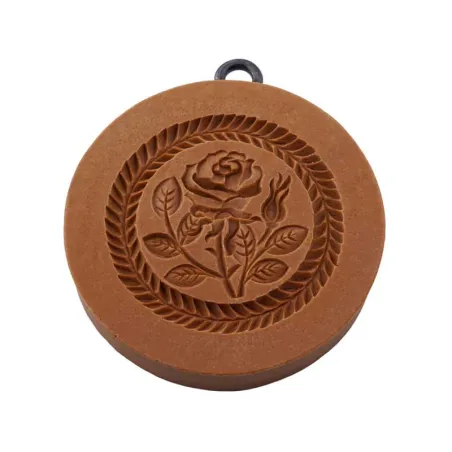
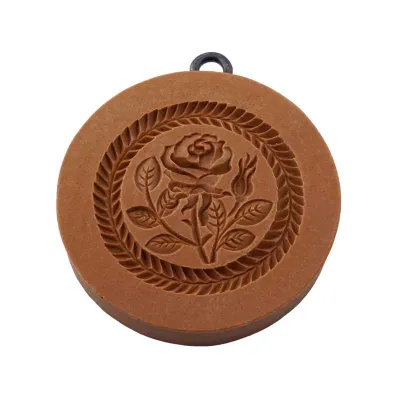
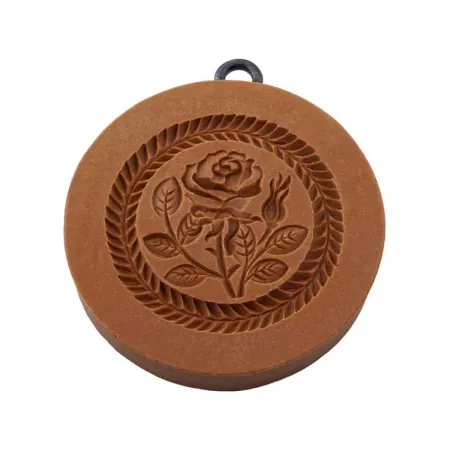
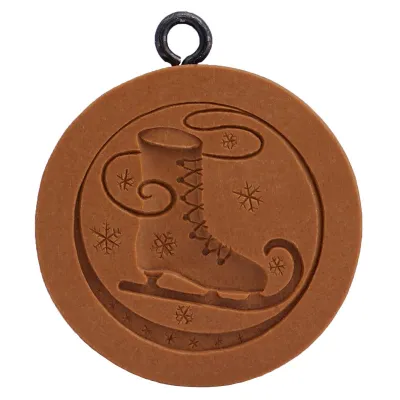
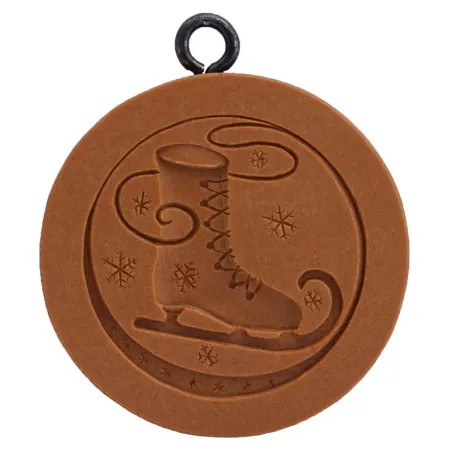
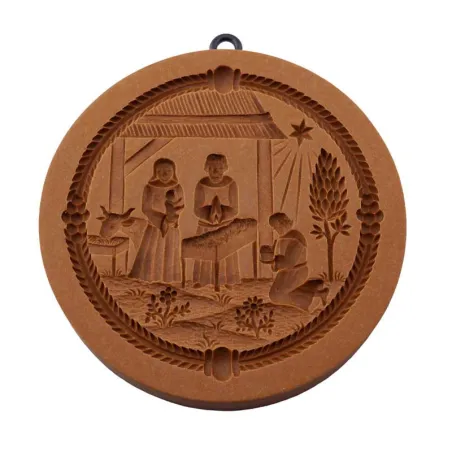
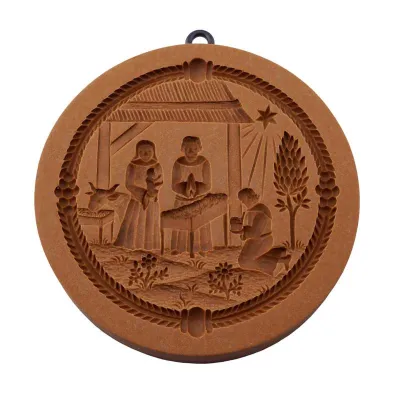
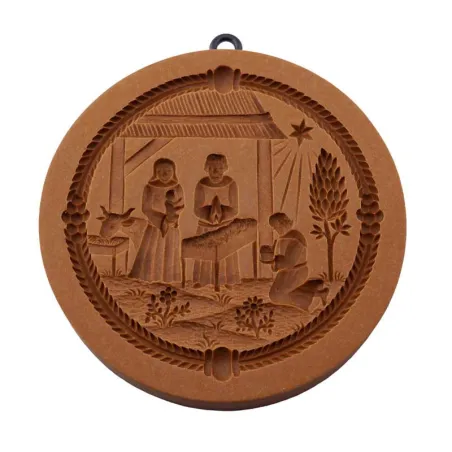
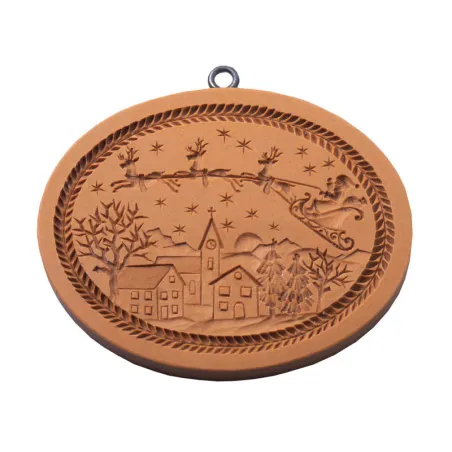
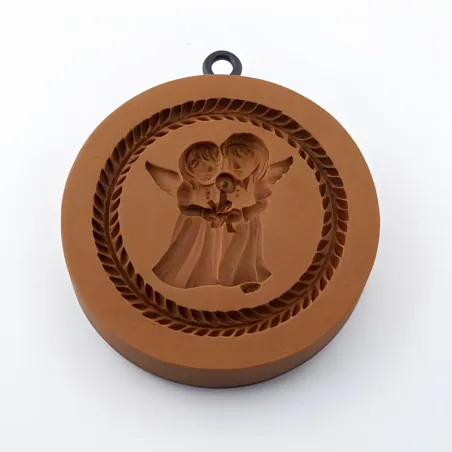
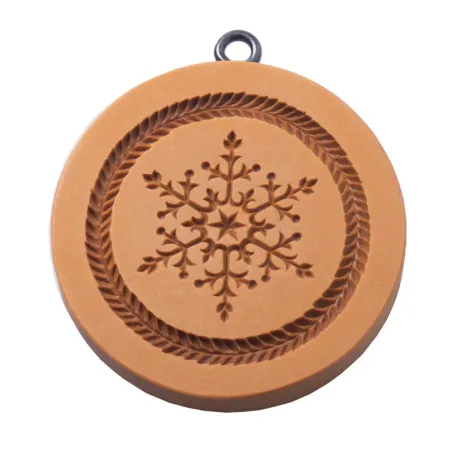
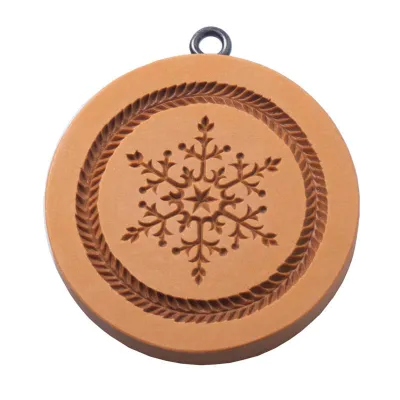
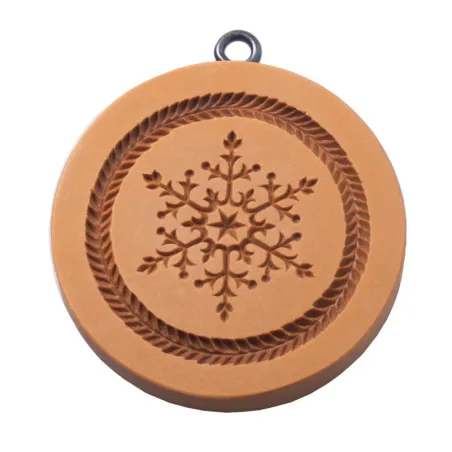
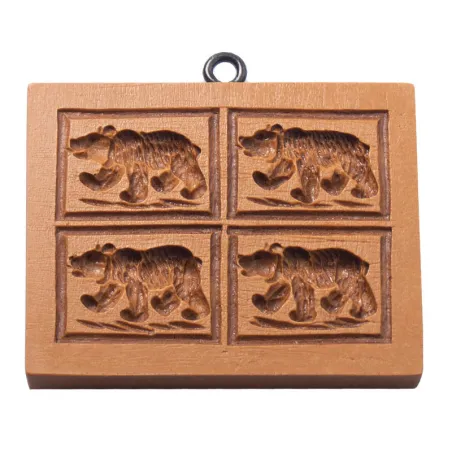
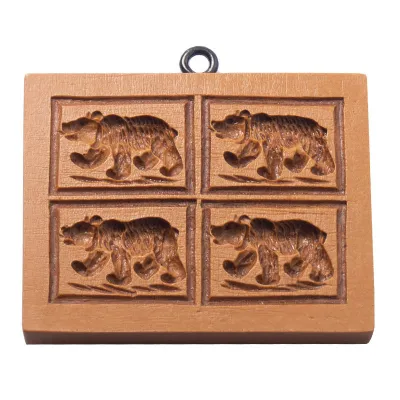
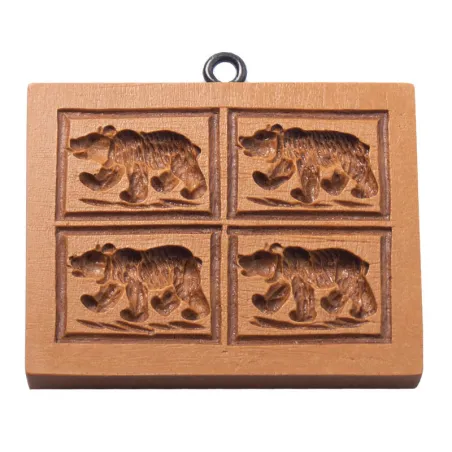
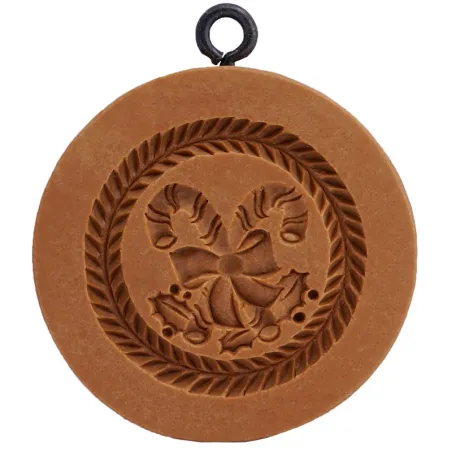
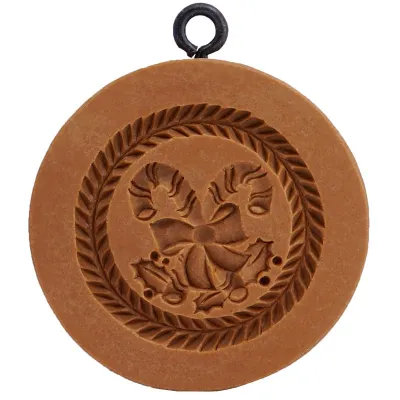
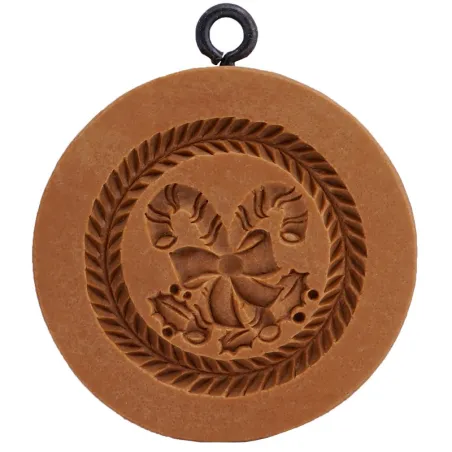
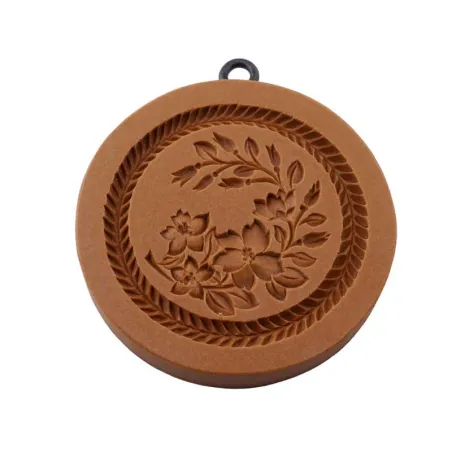
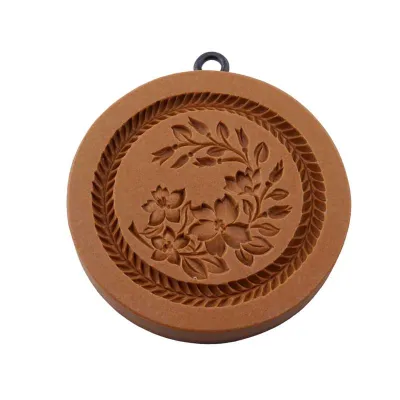
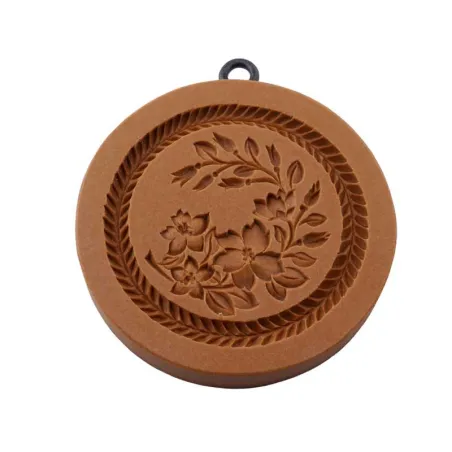
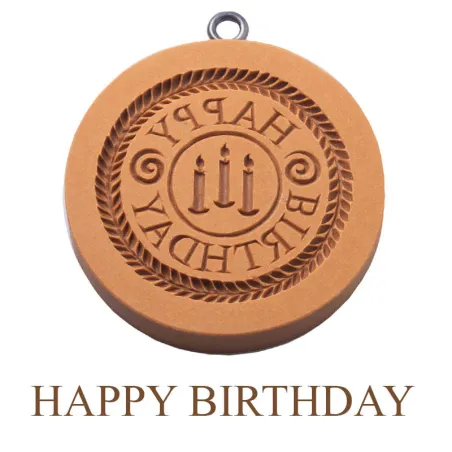
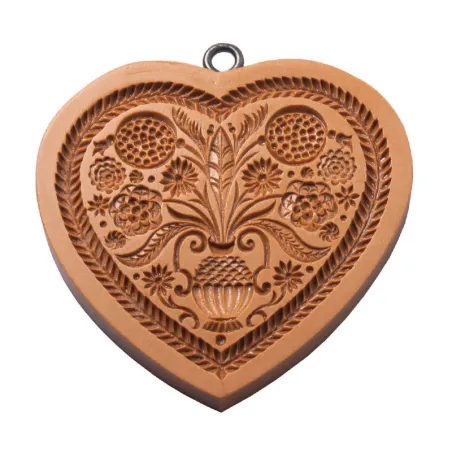
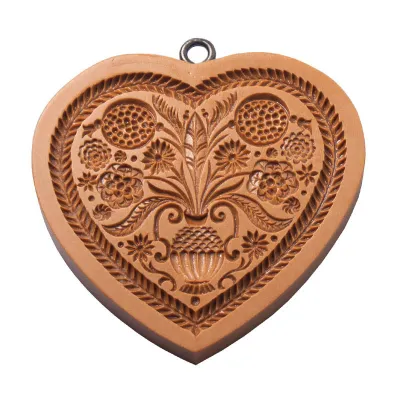
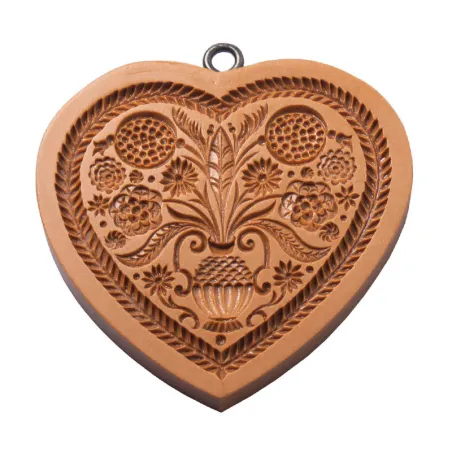
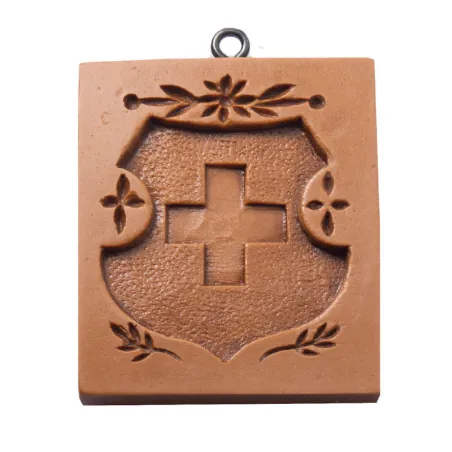
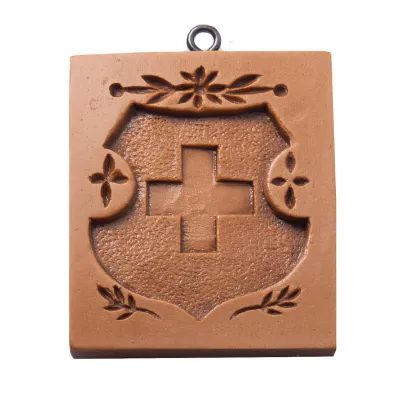
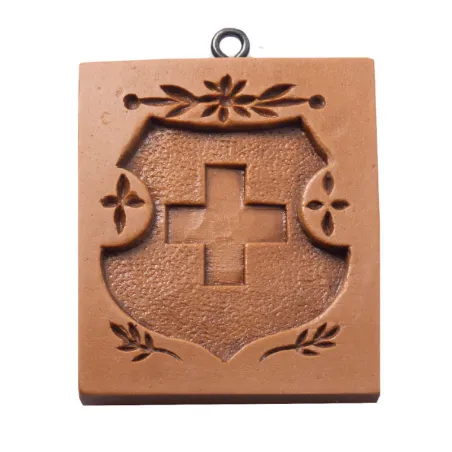
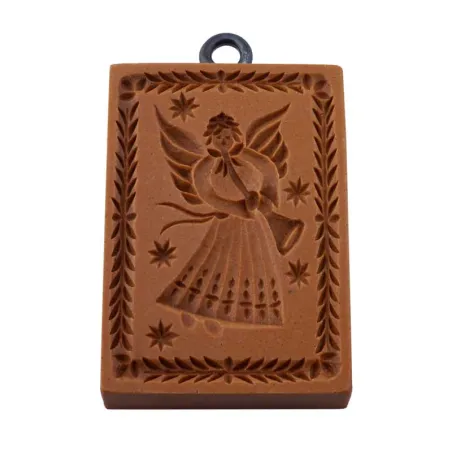
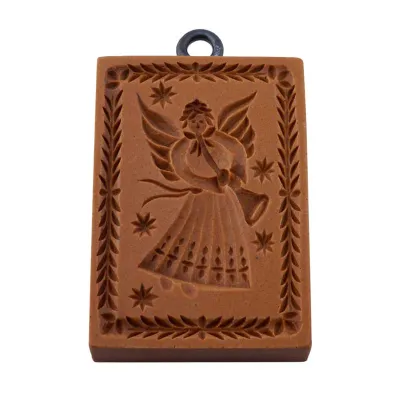
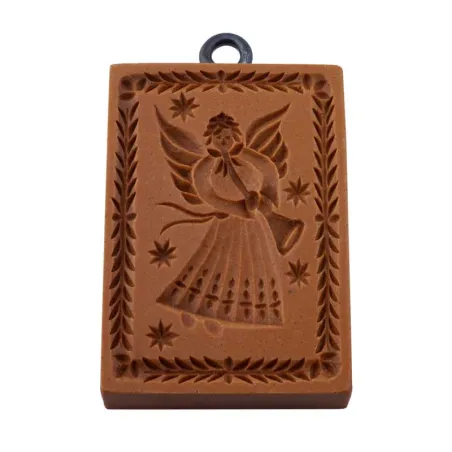
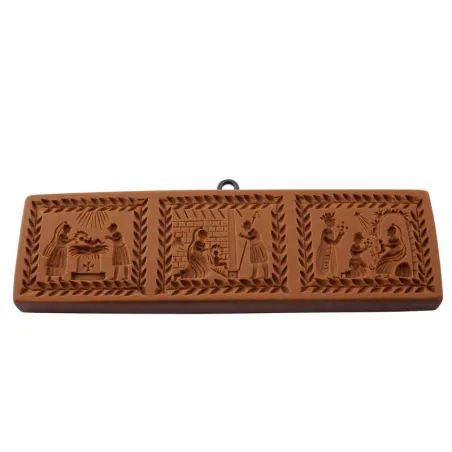
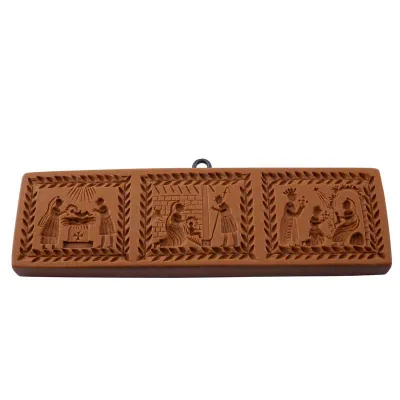
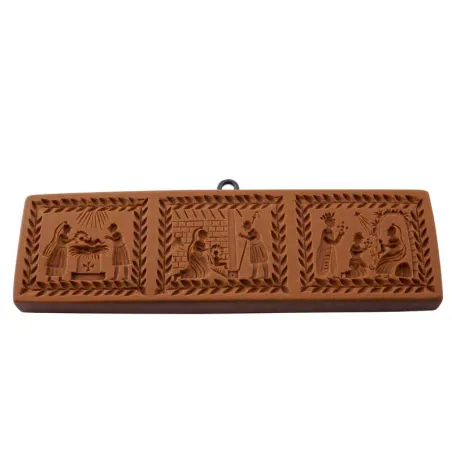
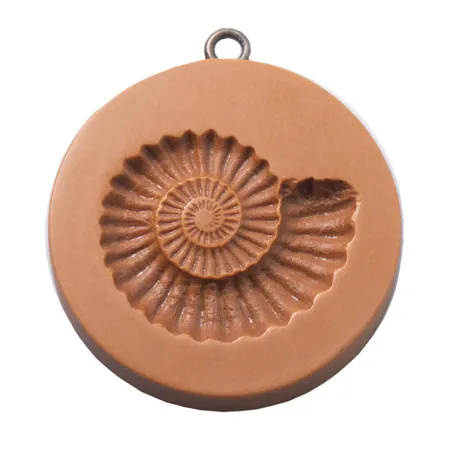
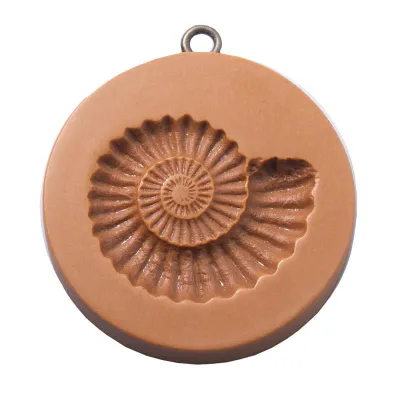
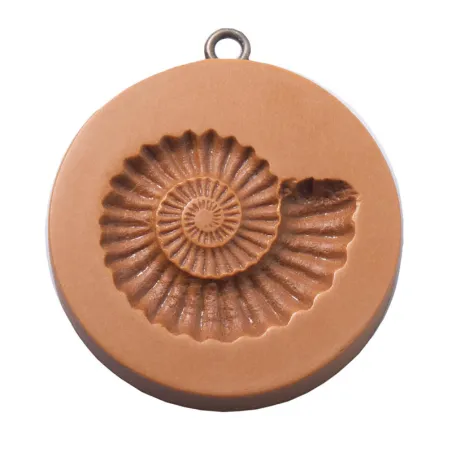
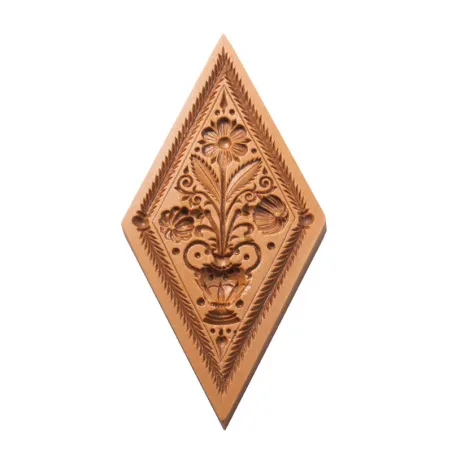
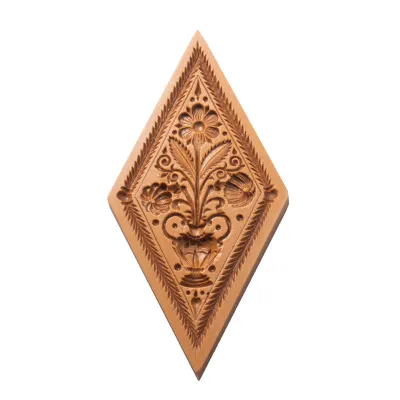
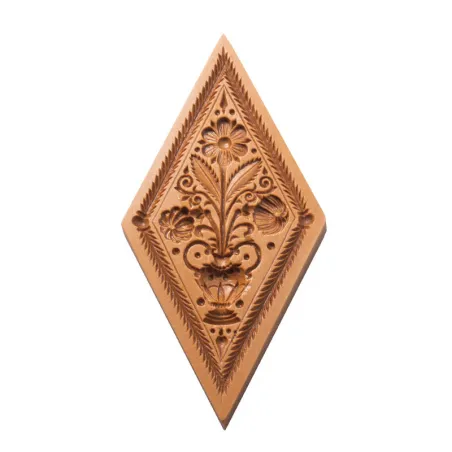
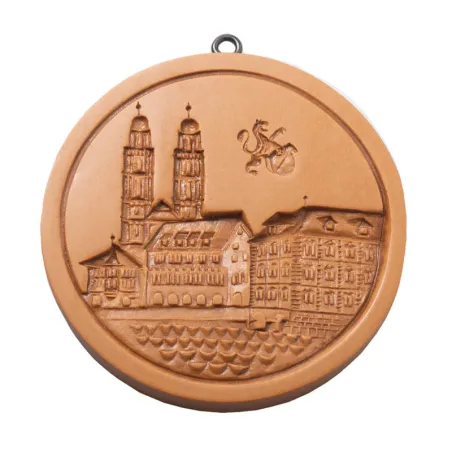
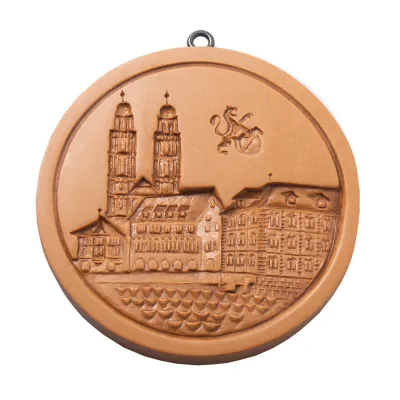
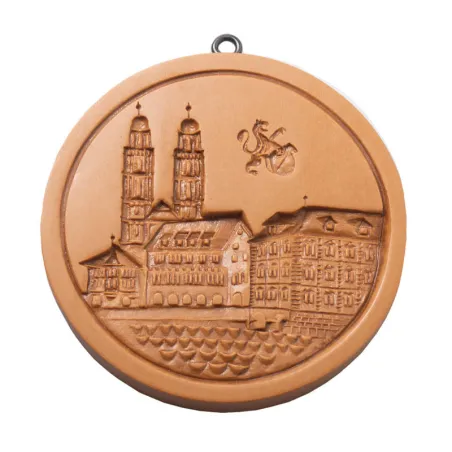
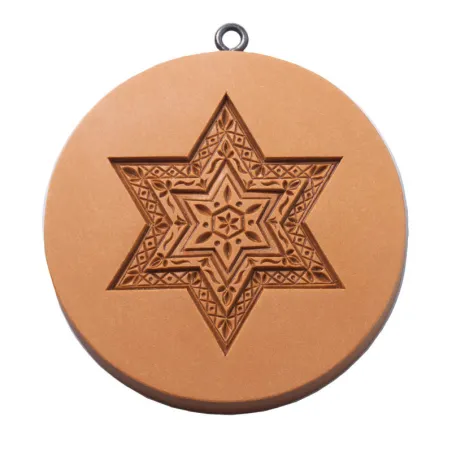
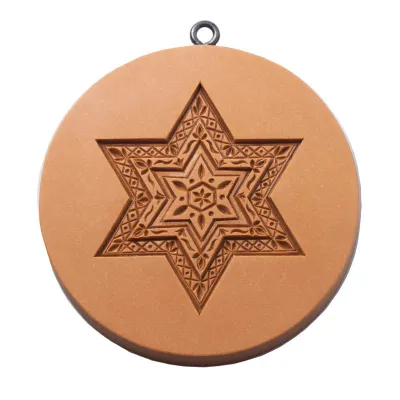
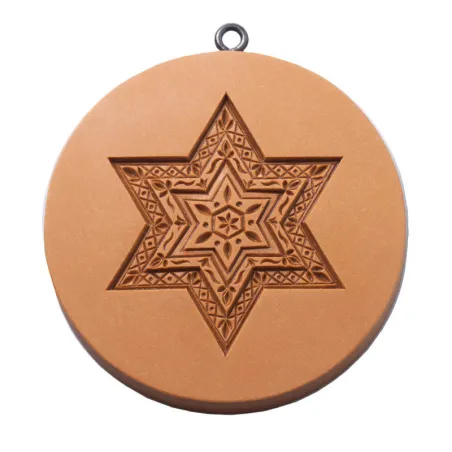
Änis-Paradies was founded in Switzerland in 1985 with a mission as clear as the reliefs of its moulds: to make accessible a craft tradition that had been alive for centuries in Switzerland and throughout the Alemannic cultural region. The company produces baking moulds for Springerle, Tirggel, anise biscuits and gingerbread – products whose motifs reach back up to 400 years and whose production is based on a proprietary process that combines historical accuracy with the demands of contemporary kitchens. Behind this business is not an industrial company but a family: Änis-Paradies has been run as a family business since its founding and has preserved this character – careful, craft-oriented, quality-conscious – across four decades.
The history of baking moulds reaches far further back than the founding of Änis-Paradies – far before the Middle Ages, before the Swiss monastery kitchens, all the way to Antiquity. The Greeks and Romans were already embellishing a flatbread-like pastry with impressed patterns; the desire not merely to eat food but to give it a form is as old as baking itself. In the European Middle Ages, baking moulds in monasteries became tools of religious education and celebration culture: the oldest known baking mould preserved in Switzerland comes from the St Catherine's Monastery in Wil and depicts the Easter Lamb – it was presumably used to emboss gingerbread for liturgical purposes. At that time, gingerbread was a luxury food, since sweeteners were costly and rare. Monasteries that kept their own beehives used their self-produced honey to sweeten festive pastries; the beeswax thereby obtained served in turn as raw material for candles, which were also embossed with moulds.
Over time, baking moulds spread beyond monastery walls into bourgeois households, where they were initially made from clay and stone. With the growing import of sugar cane and the increasing availability of sweeteners, baking embossed pastries developed into a widespread craft technique. Anise biscuits and similar specialities were produced in bakeries and private households; the motifs on the moulds always reflected the spirit of the age and the social circumstances of the time in which they were made.
What is depicted on a baking mould is never coincidental – it is testimony to the values, tastes and social structures of its era. In the early centuries, religious motifs dominated: scenes from the life of Jesus, representations from the Old Testament, figures of saints and symbols of Christian iconography. At a time when large parts of the population could not read, these images also fulfilled a narrative and catechetical function – the festive pastry was simultaneously a piece of popular education in edible form.
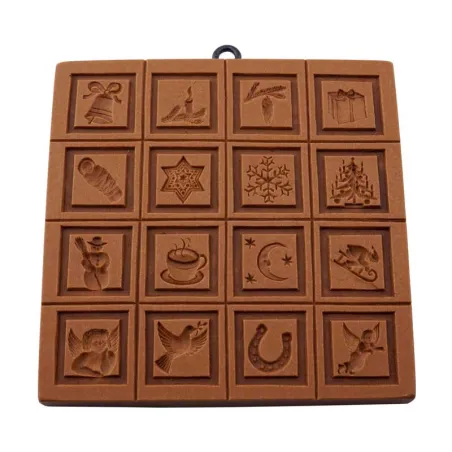
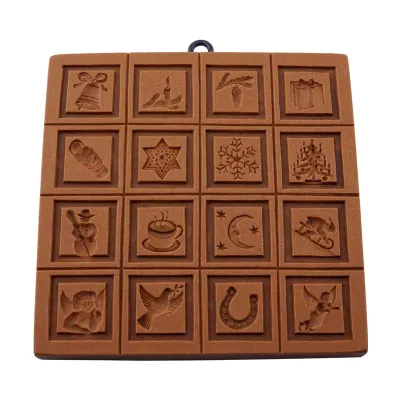
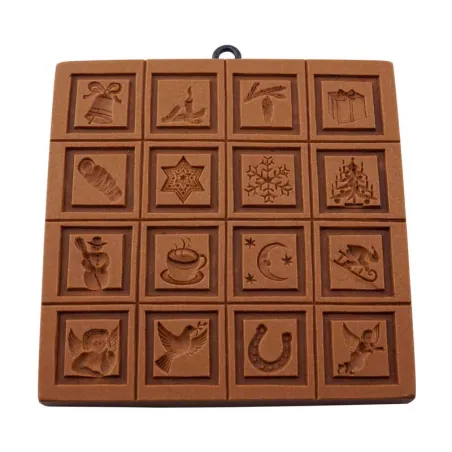
In parallel, secular motifs developed that reflected the desire for representation among the upper and middle classes: richly dressed ladies and noble gentlemen, splendid garden scenes, shepherds and musicians, nobles and festive gatherings. Families and guilds competed to see who could present the most lavish pastry at table – the baking mould became a status symbol and prestigious craft object. Over time, more modest, everyday representations were added: farmers in the field, spinners at work, hearts as tokens of love, doves, flowers and fruit. The next major formal innovation was the development of moulds with multiple motifs on a single surface – two, four, six or even more images on a single piece. Finally, technical achievements found their way into the formal repertoire of baking moulds: the steam locomotive, symbol of the industrial age, was immortalised just as many other innovations of their respective times were. This development across centuries has left an extraordinarily rich fund of motifs – and it is precisely this fund from which Änis-Paradies draws to this day and which it preserves for posterity.
Änis-Paradies was founded in Switzerland in 1985 and has been run as a family business ever since. The founding idea was clearly defined: to make historical baking moulds accessible in a quality that meets the demands of contemporary kitchens. For the fundamental problem with historical wooden baking moulds was not their motif but their material: old wooden moulds are sensitive to moisture, difficult to clean, susceptible to mould growth, and their faithful reproduction requires highly specialised carving craftsmanship that is becoming ever rarer and correspondingly costly.
Änis-Paradies developed a proprietary process that fundamentally solves this problem. Instead of wood, a specially formulated casting resin is used, produced by precisely moulding historical originals and high-quality models. The result is a mould that fully preserves the faithfulness to detail and aesthetics of the historical original – the depth of the reliefs, the sharpness of the contours, the fineness of the inner drawing – while simultaneously meeting all requirements of modern kitchen hygiene: food-safe, dishwasher-suitable, break-resistant and considerably easier to clean and handle than traditional wood. This process is a proprietary development of Änis-Paradies and forms the technical and qualitative foundation for the entire range. It is the reason why the craft skills of the past 400 years do not remain in museums but can be continued in contemporary bakeries.
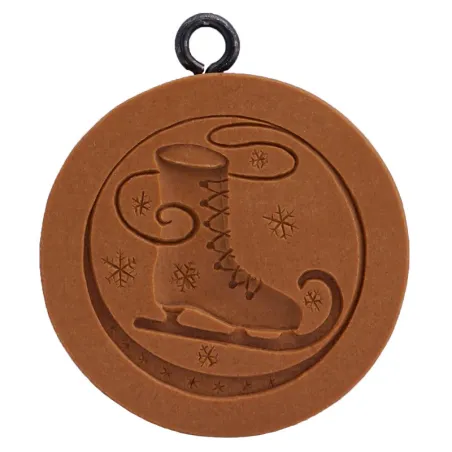
What began in 1985 with a manageable number of motifs has today grown to over 1000 different moulds. The range includes moulds for Springerle, Tirggel, anise biscuits and gingerbread in the most varied sizes and forms – from small individual motifs for delicate pastries to large, multi-motif forms for elaborate festive bakes. The selection of motifs reflects the full historical breadth of the baking mould tradition: religious scenes and secular representations, animal and plant motifs, geometric patterns and ornaments, historical figures and everyday scenes from various epochs, seasonal motifs for Christmas, Easter and other celebrations, and contemporary new developments that combine the historical heritage with current design ideas.
Springerle moulds occupy a special position within the range. Springerle is an Alemannic festive pastry formed by pressing moulds into a special anise meringue dough. The characteristic feature of this baking speciality is the detailed relief surface, which transfers the motif of the mould precisely onto the dough and is preserved as a clearly legible image after baking. This technique requires high craft skill and a delicate touch: the dough must have the right consistency, the pressure during embossing must be even and sufficient, and the releasing of the dough from the mould must be achieved without damaging the relief. The moulds of Änis-Paradies are optimised for these specific requirements: relief depth, edge geometry and the surface properties of the casting resin are coordinated with the demands of Springerle baking and enable clean motif transfer even with complex, delicate designs.
Springerle moulds · Anise biscuit moulds · Tirggel moulds · Gingerbread moulds
miniSchoggi carries Springerle moulds from Änis-Paradies because these products represent a baking tradition that is deeply rooted in Swiss and Alemannic culture and that should be found in every fully equipped bakery. Baking Springerle and Tirggel is more than following a recipe – it is a craft act that requires care, technique and the right tools. The moulds of Änis-Paradies are those tools: precisely cast, food-safe, made from a material developed for everyday practice, and available in a variety of motifs that serves every occasion and every taste.
The range of Springerle moulds from Änis-Paradies available at miniSchoggi encompasses a growing selection of the most varied motifs. Those who bake with these moulds continue a tradition that has bridged centuries – and that has remained visible and tangible in every single relief.
Formed in Switzerland. Motifs from four centuries. Änis-Paradies.