
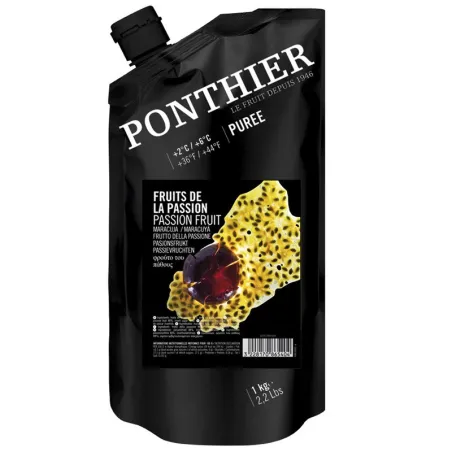
Ready-to-ship quantity: more than 20 pieces20+ in stock
Price:CHF24.90

Corrèze, central France. A département known for its chestnut forests, its berries and its orchards. No metropolis, no industrial hub – but a soil and climate that produce fruit with an aroma profile not replicable elsewhere. André Ponthier and his wife knew this. In 1946 they began trading fruit here and planted raspberry canes, mulberry trees and apple trees on their own land. 80 hectares of orchards as the foundation for everything that followed. What followed was a family story across three generations and a product development that has lastingly changed the fruit purée world: in 1986 the first frozen berries, in 1990 the first frozen purées – awarded the 'Bol d'Or Interglace' and the 'Maison de la Qualité' by the Association of Tokyo Pastry Chefs –, at the end of the 1990s the first chilled fruit purées as an alternative to the frozen product. Today Maison Ponthier produces over 60 varieties of fruit and vegetable purées, distributes to over 65 countries, without abandoning the core principle: no dyes, no preservatives, no artificial flavours. Only fruit, carefully selected, harvested at peak ripeness, flash-pasteurised. Ponthier fruit purées are available at miniSchoggi.
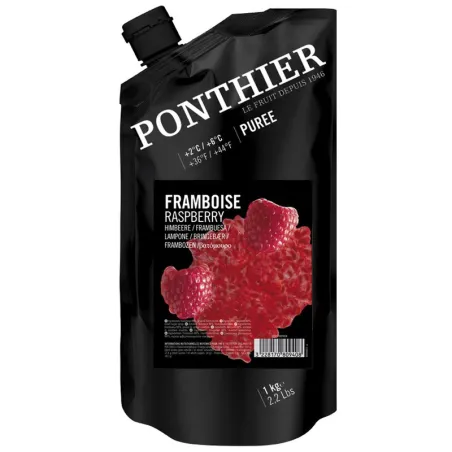
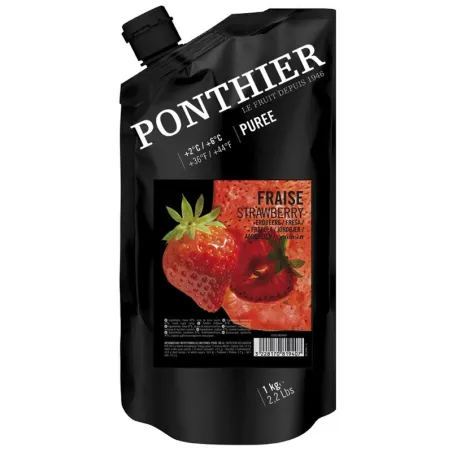
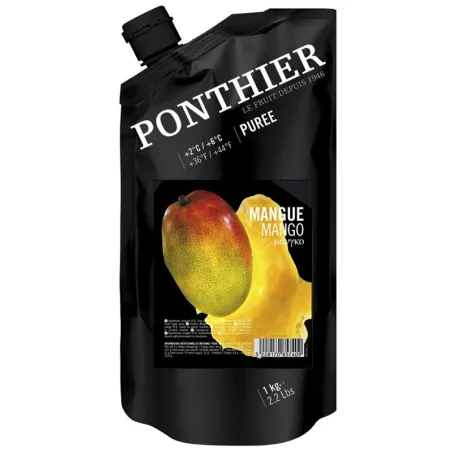
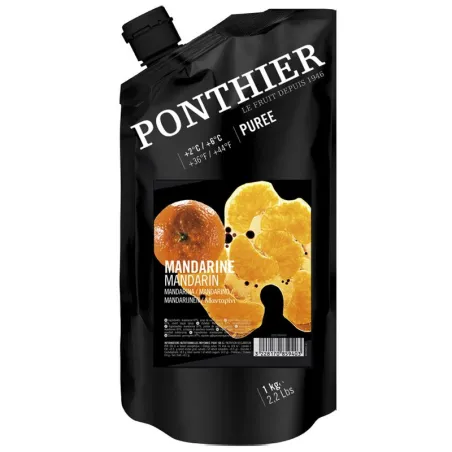
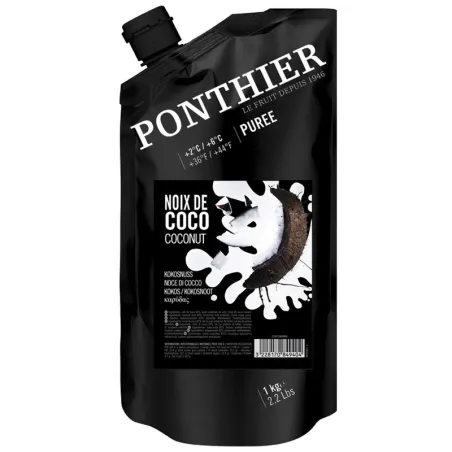
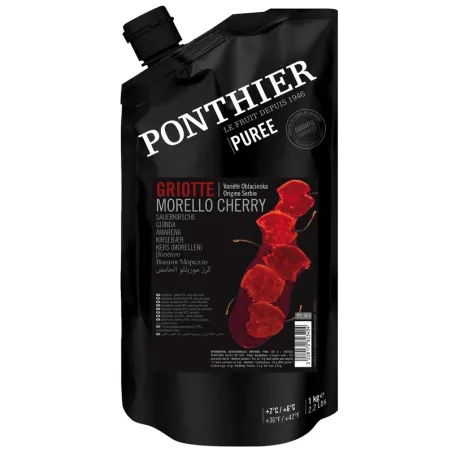
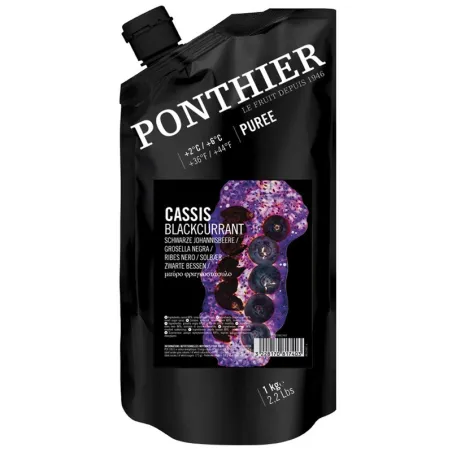
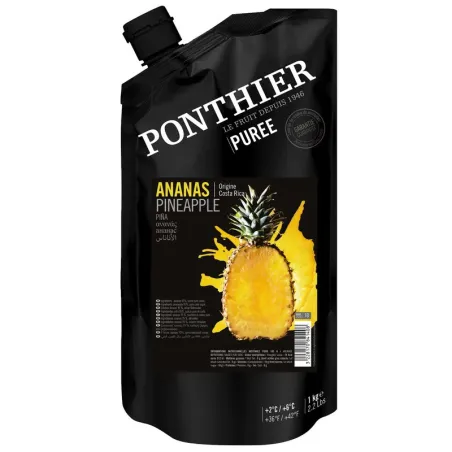
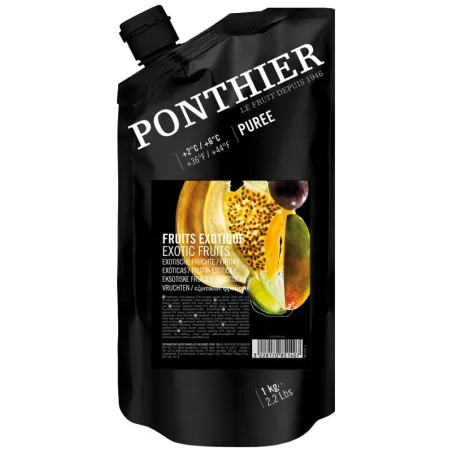
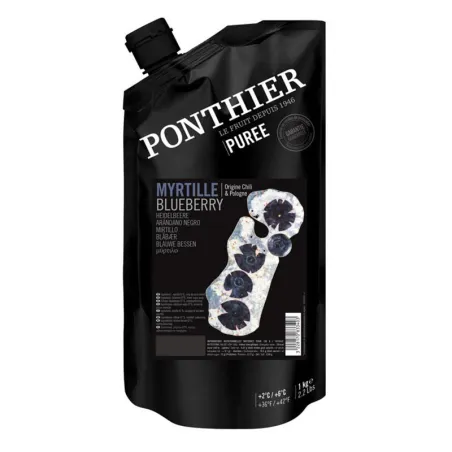
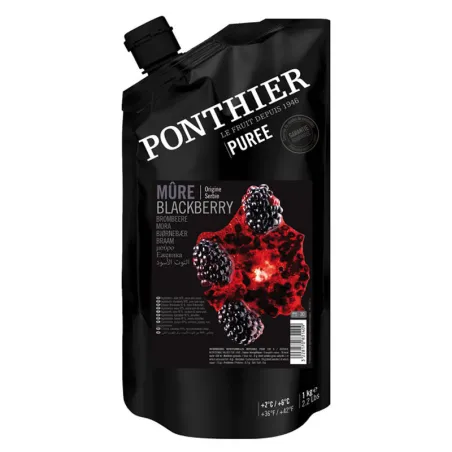
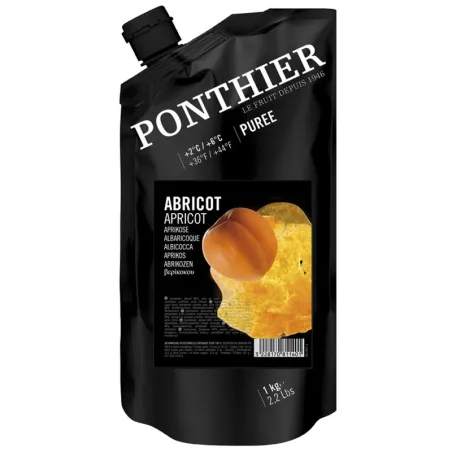
André Ponthier was a man of the land. That is not a romantic formula but a precise description: he knew the soil of Corrèze, he knew the chestnut forests, he knew the berries. When he and his wife began trading fruit in 1946, it was not a strategic business decision but the obvious thing to do – someone who lives on good land can sell what that land produces. The 80 hectares of apple trees, raspberry canes and mulberry trees supplied the raw material; the region supplied the first customers. What was local then was systematically expanded over decades – but always from the same starting point: the fruit first, the logistics after.
What made André Ponthier an entrepreneur rather than just a fruit grower was his willingness to develop new processing methods when the existing ones were not good enough. In the late 1970s he turned his attention to the chestnut – a local treasure that had barely been used industrially because it does not keep well. Chestnuts from Corrèze are considered particularly aromatic, but fresh they are delicate and have a short shelf life. Ponthier developed a vacuum cooking process: the chestnuts are vacuum-cooked at controlled temperatures, dramatically extending their shelf life without compromising quality or flavour. In 1980 the first vacuum-cooked chestnuts came to market. They remain the industry benchmark to this day and are used by top chefs worldwide.
1986 brought the next step: frozen berries from the region – strawberries, raspberries, blackberries, blueberries, redcurrants, all from Corrèze. This was not a major technical innovation, but a consistent extension of the principle: fruit harvested at peak ripeness on own and partner fields, frozen before it loses quality. Seasonal availability is the fundamental problem with fresh berries. Supermarket-grade frozen goods solve it, but at a price: flavour, colour and texture suffer. Ponthier's answer was to control its own production chain – from harvest to processing.
Yves Ponthier, who took over the business from his father André in 1989, drove product development further. In 1990 the first frozen purées appeared. Not frozen fruit to be puréed later, but professionally processed purées ready for direct use in pastry, ice cream and confectionery. The quality was immediately recognised: the 'Bol d'Or Interglace' and the 'Maison de la Qualité' award from the Association of Tokyo Pastry Chefs followed shortly after launch. Tokyo pastry chefs – among the most demanding processors in the world – as the first external quality jury: that is no small signal. It means pastry chefs who work daily with the world's finest fruits choose Ponthier as their reference.
At the end of the 1990s came the next development: chilled fruit purées as an alternative to frozen. Refrigerated, not frozen, with a shelf-life advantage over fresh fruit but without the flavour and colour changes that can accompany the freezing process. In 2001 Ponthier moved to a new factory in Corrèze – with double the storage capacity and new high-tech laboratories. In 2013 Thibault Ponthier, the third generation, joined the company. Ponthier today distributes to over 65 countries and is the second-largest fruit purée producer in France.
'Single-origin' at Ponthier is not a marketing response to a trend but the consistent result of a production philosophy. Almost all fruit purées come from a single, clearly defined growing region and from a specific fruit variety. Every package states where the fruit comes from and which variety was used. This matters because two mangoes of different varieties – for example Alphonso from India and Ataulfo from Mexico – have completely different aroma profiles. Anyone wanting to make a mango entremet with the character of an Alphonso mango needs an Alphonso mango, not just 'mango'.
Fruit is harvested once a year at peak ripeness and processed immediately. Ponthier sources fruit from 20 different countries and over 30 terroirs – from raspberries in Corrèze to Alphonso mangoes from Maharashtra, from Bergeron apricots from the Ardèche to lychees from Réunion. Each fruit variety has specific processing parameters: temperature, process time and puréeing method are calibrated to the characteristics of the individual fruit. Ponthier uses no dyes, no preservatives, no artificial flavours. For most varieties no sugar is added at all – the few exceptions contain a maximum of ten per cent pure cane sugar. Flash-pasteurisation ensures food safety without altering the aroma profile.
Fruit purées in frozen and chilled-fresh variants: berries, tropical fruits, stone fruits, citrus, exotic varieties. Coulis for direct use without further preparation. Vegetable purées – tomato, pepper, carrot, pumpkin – for savoury applications in kitchen and catering. Vacuum-cooked chestnuts from Corrèze as a standalone product line. All products clearly labelled by origin, variety and sugar content.
Fruit purées frozen & chilled-fresh · Coulis · Vegetable purées · Vacuum-cooked chestnuts
A fruit purée that tastes of mango is good. A fruit purée that tastes of Alphonso mango from Maharashtra, India – with its characteristic honey-citrus note, deep yellow colour and a volume that barely any other mango purée matches – is something different. This distinction is what separates Ponthier from generic fruit purées. Not the fruit category, but the variety. Not the region, but the terroir. Not harvested at some point, but at peak ripeness, once a year, when the fruit is actually at its best.
For pastry, confectionery and ice cream this is directly relevant because purées in these applications do not provide a background aroma but the main aroma. A strawberry mousse tastes of the strawberry in the purée. A raspberry ganache carries the character of the raspberry used. A mango ice cream is only as good as the mango purée it was made from. No additional sweetening, no flavour corrections, no compensating for a mediocre base with other ingredients – the purée is the base, and when the base is right, the end product is proportionally better. miniSchoggi uses Ponthier purées in courses for cakes, pâtisserie, ice cream and pralines – not because they are the only available fruit purées, but because they consistently improve the result. The range at miniSchoggi includes selected Ponthier fruit purées and is continuously expanded.
No shortcuts. No compromises. Only fruit – since 1946. Ponthier.