
Ready-to-ship quantity: more than 20 pieces20+ in stock
Price:CHF54.90

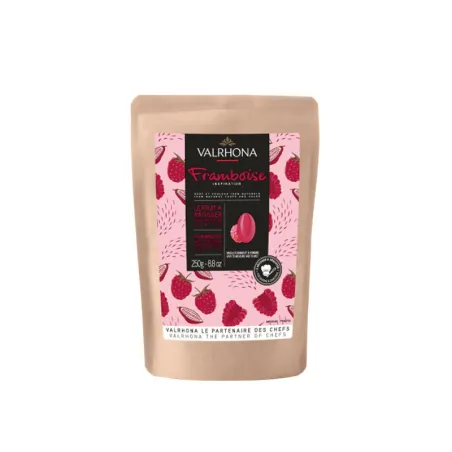
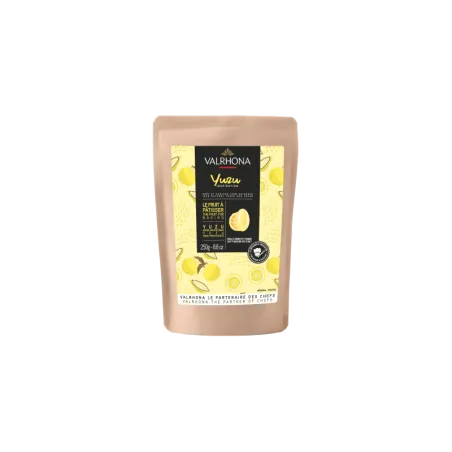
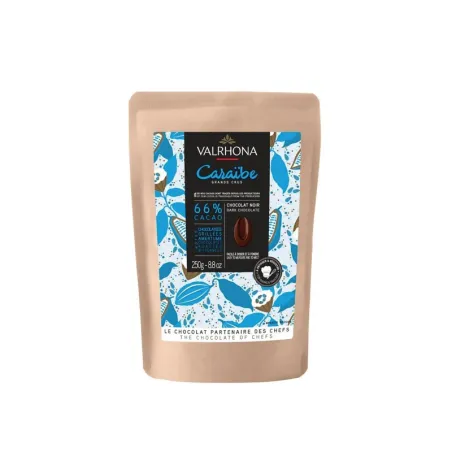
Chocolate is good when you can taste the origin of the cocoa. This conviction is what Albéric Guironnet brought to a former woodshop in Tain-l'Hermitage in 1922, and Valrhona has lived by it ever since: with its own roasting, direct partnerships with cocoa farmers in over 20 countries, one of the strictest sustainability credentials in the world, and couvertures that are the reference standard for top pastry chefs worldwide. What began in a small town in the Rhône Valley has changed the pastry world multiple times – with the first 70% couverture, with Dulcey, with the first fruit chocolate containing no artificial additives. Valrhona – the name derives from Vallée du Rhône – has been producing exclusively for professional standards for over a century: Grand Cru couvertures by origin and variety, developed in close collaboration with the world's finest pastry chefs, made from cocoa beans sourced directly from long-standing producer partners. Valrhona is certified as a B Corporation – the most rigorous international quality mark for companies that demonstrably integrate social and environmental responsibility into their business operations. The range at miniSchoggi includes various Valrhona couvertures.
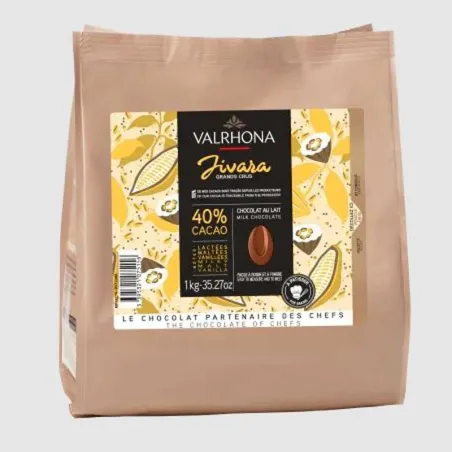
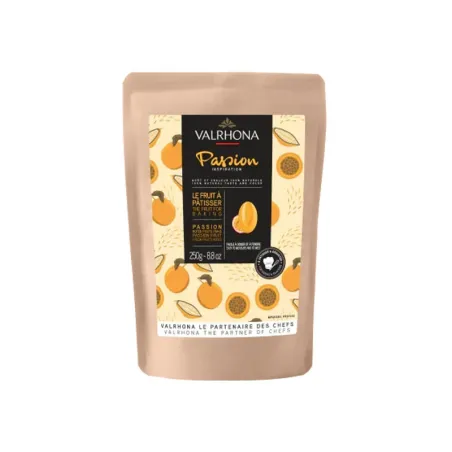
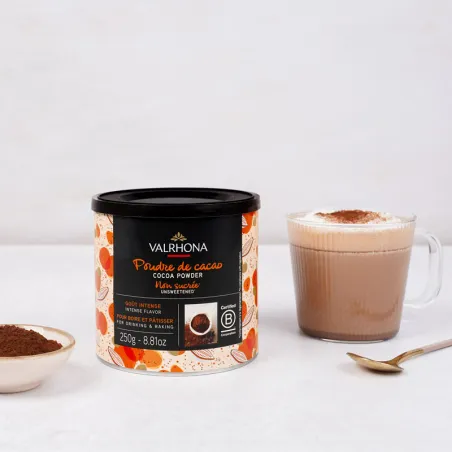
Tain-l'Hermitage lies in the Drôme département, on the eastern bank of the Rhône, nestled between the famous wine appellations of Hermitage and Crozes-Hermitage. It is a region that stands for terroir – for the conviction that origin and soil shape the character of a product. Albéric Guironnet founded the Chocolaterie du Vivarais in a former woodshop here in 1922 and roasted his own cocoa beans from the outset. This was unusual at the time: most chocolate manufacturers bought in pre-processed cocoa mass. Guironnet wanted control over every step of the process – because he understood that only those who roast the bean themselves can truly transfer the character of the origin into the couverture.
After Guironnet's death, Albert Gonnet took over the company, renamed it and expanded the range. In 1947 he created the brand name Valrhona as a contraction of Vallée du Rhône – a deliberate reference to the terroir thinking of the neighbouring wine region. The name is a manifesto: chocolate like wine, by origin, variety and character. This idea was revolutionary at the time. Today it is standard in fine dining – because Valrhona has lived by it consistently for decades and developed the language for it that is now used worldwide. The first iconic product, the Rinette chocolate bonbon, is still produced today.
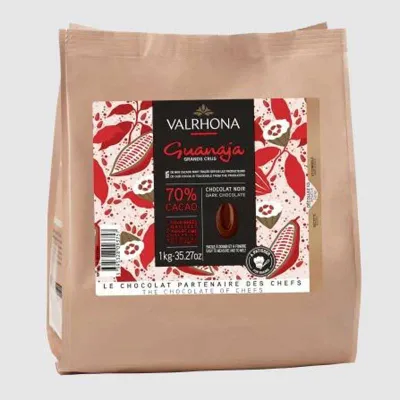
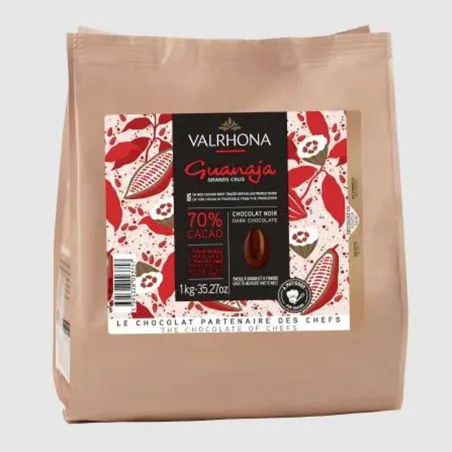
Valrhona has not only developed couvertures but redefined the category multiple times. In 1986 the company launched Guanaja – then the world's most bitter chocolate, with 70% cocoa content, developed from an assemblage of various Grand Cru cocoa beans from different origins. For pastry chefs who until then had worked with considerably sweeter, less complex couvertures, it was a revelation: a chocolate with bitterness, depth and an aromatic spectrum that made new creations possible.
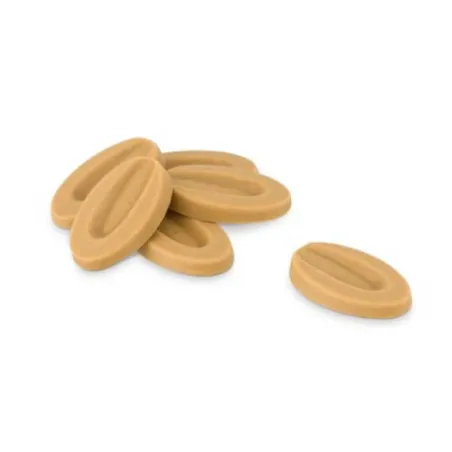
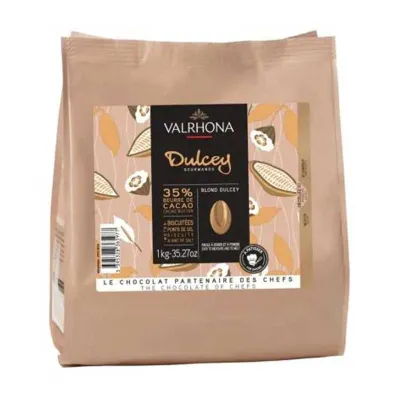
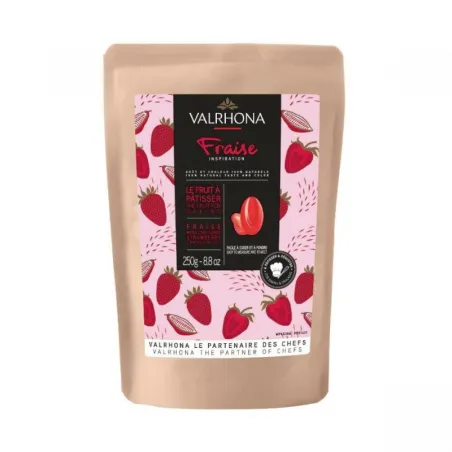
Another discovery came about by accident. Frédéric Bau, then executive chef of Valrhona, left white couverture in a water bath too long during a demonstration. It changed colour, caramelised, developed a completely new aroma. The moment was accidental – the development that followed was not. Eight years of intensive work, hundreds of trials, countless tastings with pastry chefs from around the world: in 2012 Dulcey came to market, a blonde couverture with a caramel colour and an aroma reminiscent of shortbread, caramelised milk and a hint of salt. A new chocolate category, indispensable to any modern pâtisserie today. In 2016 came the first fruit chocolate – developed through double fermentation, in which fresh fruits are co-fermented in the second pass. No flavourings, no artificial additives: only cocoa and fruit, fermented into a chocolate with a fully natural fruit character.
Valrhona does not source cocoa beans through anonymous trading chains but directly from over 17,000 cocoa farmers in long-standing partnerships. Many of these producers have worked with Valrhona for over 35 years. Newly added producers are actively supported in their development – technically, agronomically, logistically. The relationships are based on mutual respect and knowledge transfer. Valrhona has agreed a minimum price with every producer, independent of the fluctuating world market price – giving cocoa farmers and their families a planning security that is rare in international commodity trading.
Concrete infrastructure projects come on top: in Côte d'Ivoire a primary school was built; in Madagascar an entire village was renovated with over 50 houses and a health centre. In Côte d'Ivoire a school canteen followed less than a year after the school, operated by women from the region: a project that reduces child labour, raises school attendance from 50 to 90 per cent and simultaneously creates local employment. In Peru, Valrhona together with Cooperativa Norandino is protecting and propagating Gran Blanco cocoa – a rare variety with exceptional aroma that was slowly disappearing.
Valrhona is certified as a B Corporation – one of the few chocolate manufacturers worldwide with this status. B Corporation means: the company has proven through an independent, rigorous assessment process that social and environmental responsibility is a binding component of its business operations. The certification is regularly reassessed. On the cocoa plantations Valrhona combats deforestation with mapping systems that trace every delivery cocoa to the exact plot – in some regions to 100%. In the company's own factories in Tain-l'Hermitage, energy consumption was reduced by a quarter through a centralised cooling system. Electricity comes 100% from hydropower. The target: climate neutrality by 2025. Single-use plastic has been banned from all schools; couvertures are increasingly delivered in reusable boxes – per 24 tonnes of couverture delivered, this saves one tonne of packaging waste.
In 1989 Valrhona founded the École du Grand Chocolat in Tain-l'Hermitage – today the École Valrhona – a training centre for pastry chefs, confectioners and cooks from around the world. Today there are schools in Tokyo, Brooklyn, Paris and Dubai. The school is not only a training venue but also an innovation laboratory: new couvertures are developed and tested here together with professionals. Valrhona also co-founded the Pastry World Cup – the most significant pastry competition worldwide, held every two years at SIRHA in Lyon. The 'Graines de Pâtissier' programme gives disadvantaged young people access to training in pastry and chocolate.
Grand Cru couvertures · Dark · Milk · White · Dulcey · Fruit chocolate · Drops · B Corporation certified
A Valrhona couverture is not an interchangeable raw material – it is the result of a process that begins on the cocoa plantation, runs through direct partnerships, careful fermentation, in-house roasting and years of recipe development, and only then reaches the pastry chef. Each couverture has a profile: an origin character, a cocoa content, a melting curve, an intensity. These differences are not marketing – they are real, you taste them, and they make a difference in the end product, whether in a ganache, an entremet, a praline or a chocolate glaze.
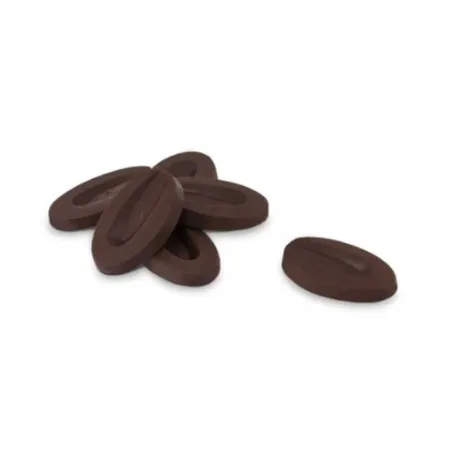
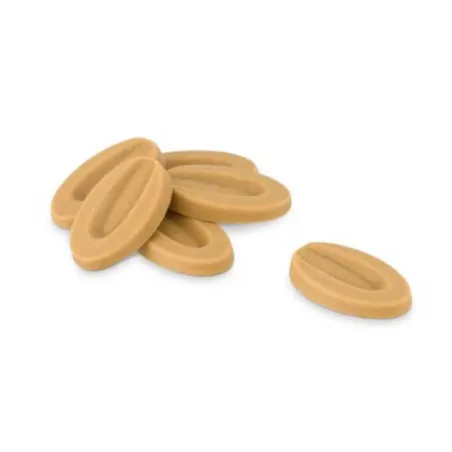
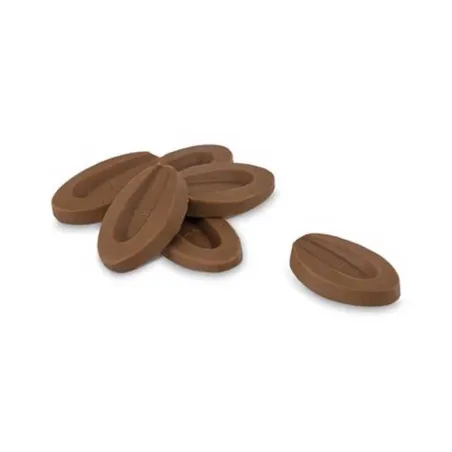
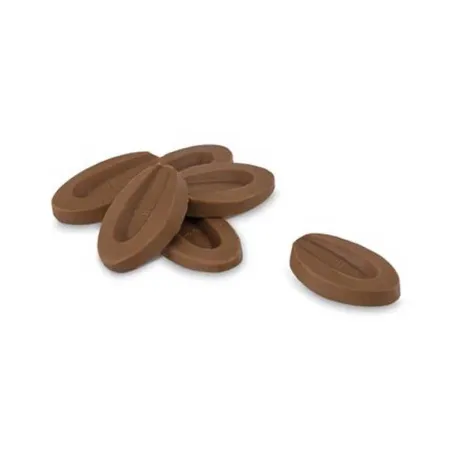
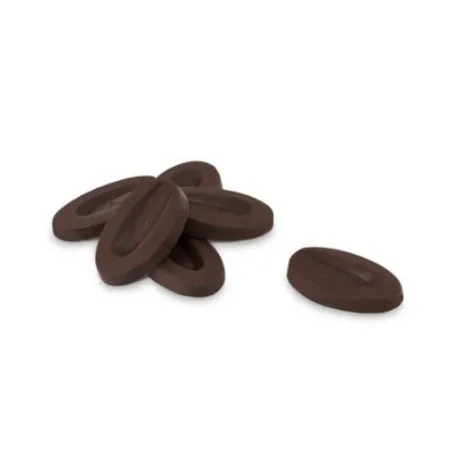
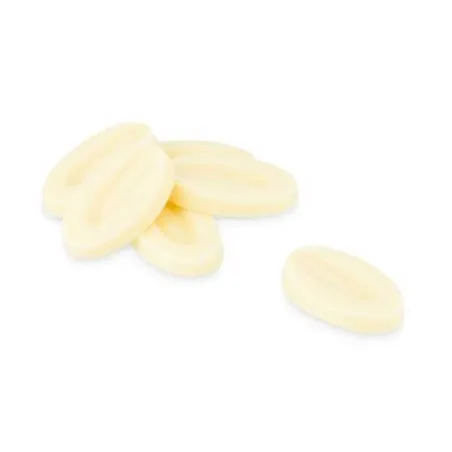
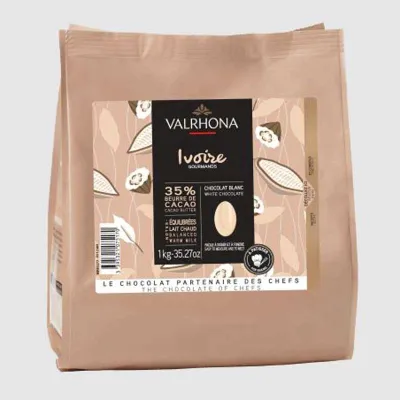
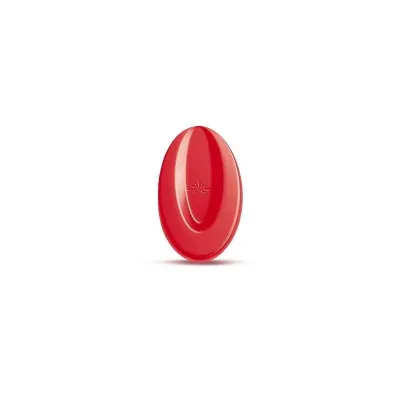
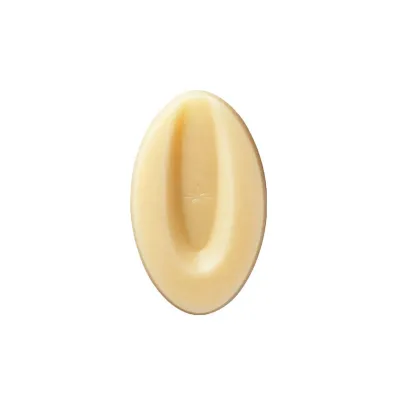
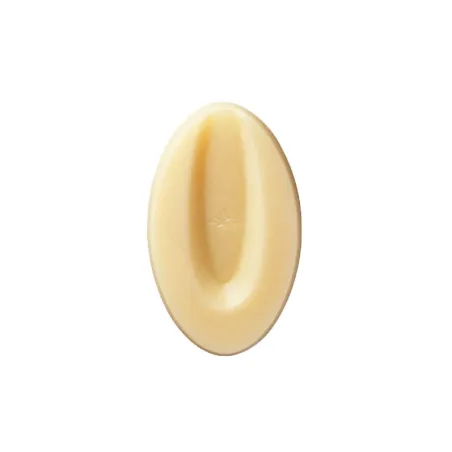
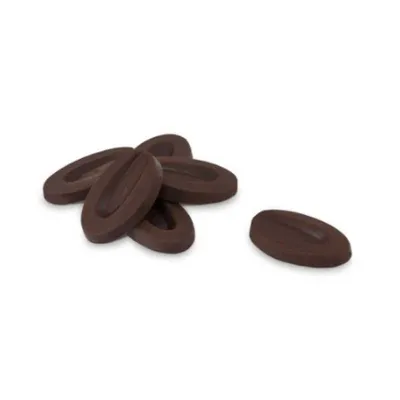
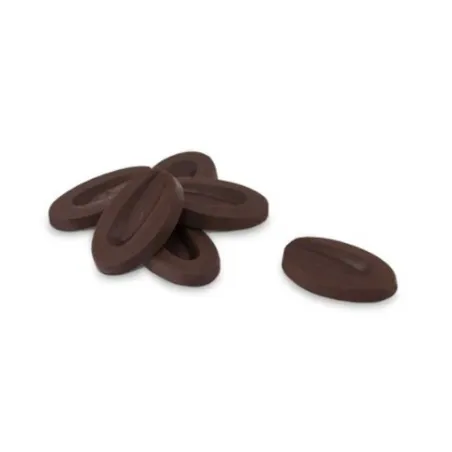
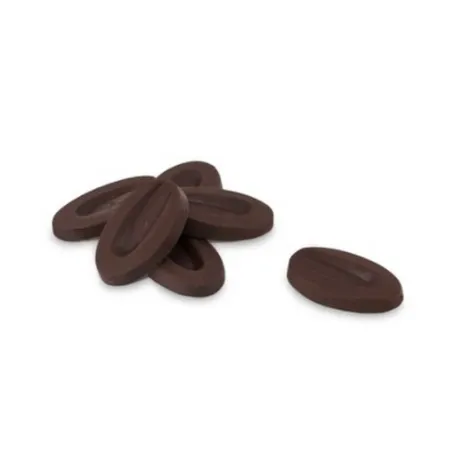
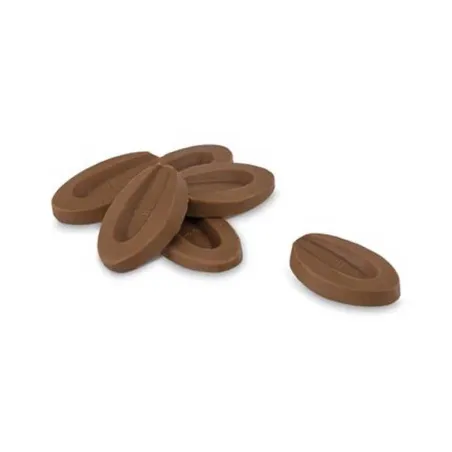
The drops format makes Valrhona couvertures particularly practical: uniform pieces, easily dosed, melting quickly and evenly without any chopping. What world-class pastry chefs in Paris, Tokyo, New York and Zurich use for their creations – because it gives them the foundation on which great pâtisserie is built – belongs equally in an ambitious home bakery or confectionery. miniSchoggi carries various Valrhona couvertures because chocolate of this quality, with this conviction and this taste, belongs directly in every bakery. The range is continuously expanded.
1922. A woodshop. A confectioner. The decision to roast cocoa beans himself. Valrhona.