
Ready-to-ship quantity: more than 20 pieces20+ in stock
Price:CHF32.90
A mould that Pierre Hermé co-designed. Another that emerged from collaboration with Cédric Grolet. Yet another developed together with Antonio Bachour. This is not a marketing strategy of Pavoni Italia – it is the production method. Moulds come into being when the world's finest confectioners say what they need and Pavoni delivers it. Pavoni Italia was founded in Italy in 1980 – initially as a manufacturer of plastic containers for bakeries. Today, with over 7,000 products, a 75 per cent export share and collaborations with the world's most renowned pastry chefs, the company is one of the leading addresses for professional moulds and tools for pastry, confectionery and ice cream production. Silicone moulds for entremets and pâtisserie. Polycarbonate moulds for pralines and chocolate. Baking mats for choux and shortcrust pastry. Micro-perforated baking rings for evenly crispy tart bases. All Made in Italy. The range available at miniSchoggi includes polycarbonate moulds, silicone moulds, baking mats, baking rings and much more.
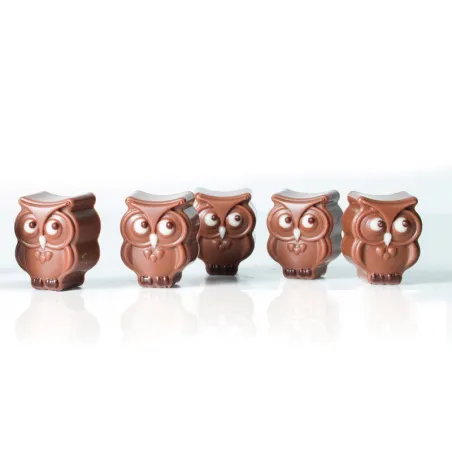
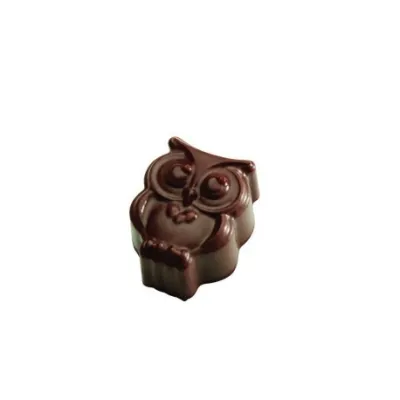
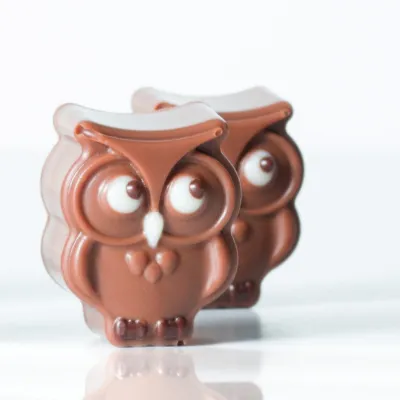
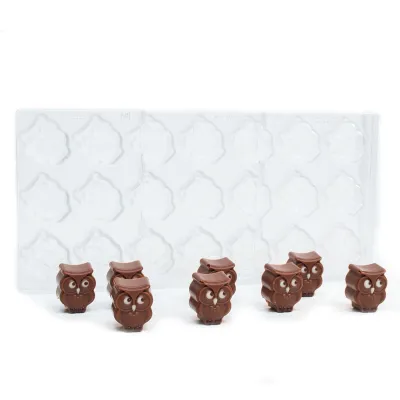
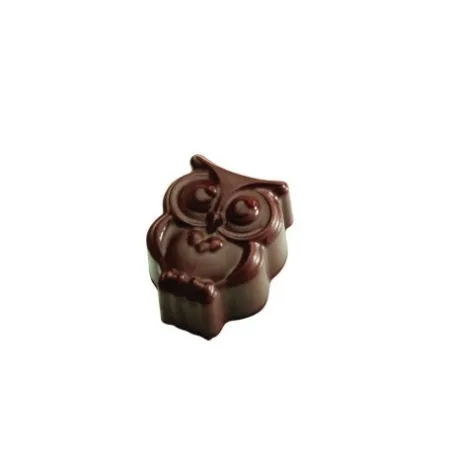
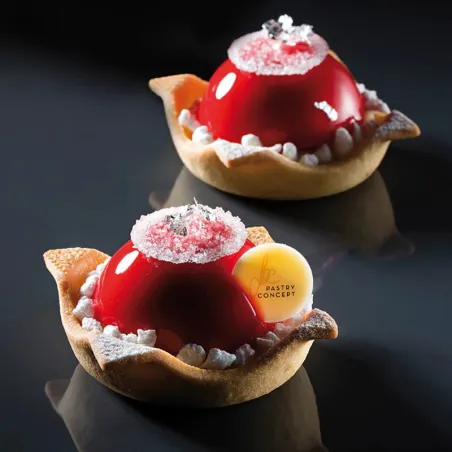
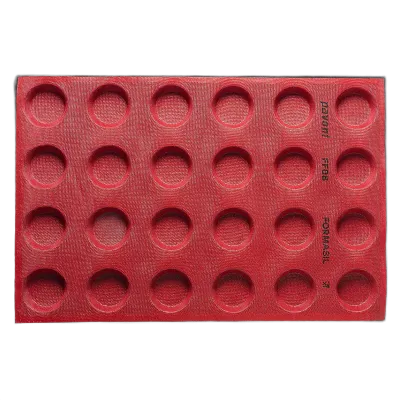
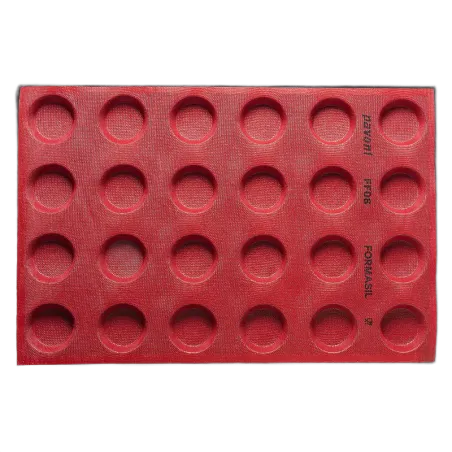
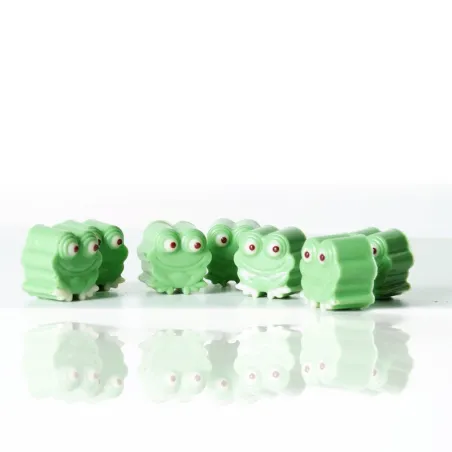
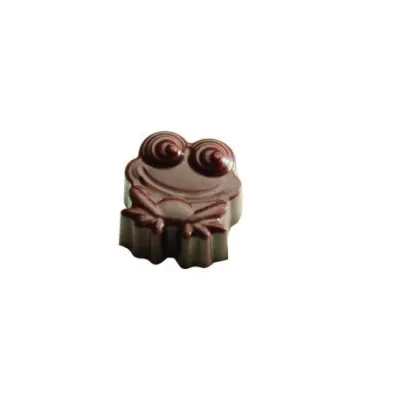
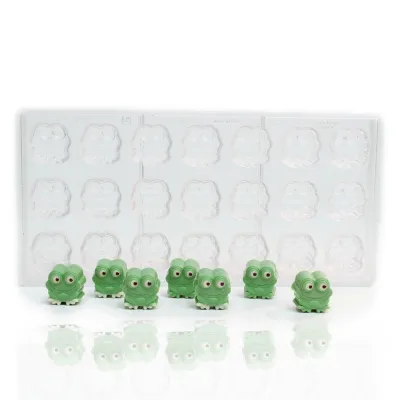
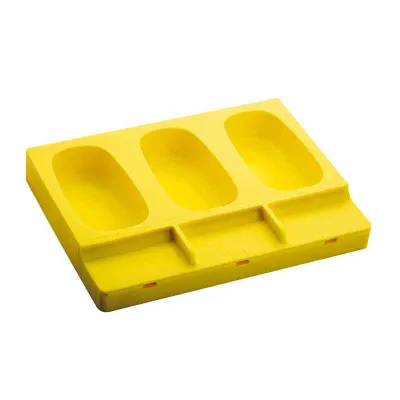
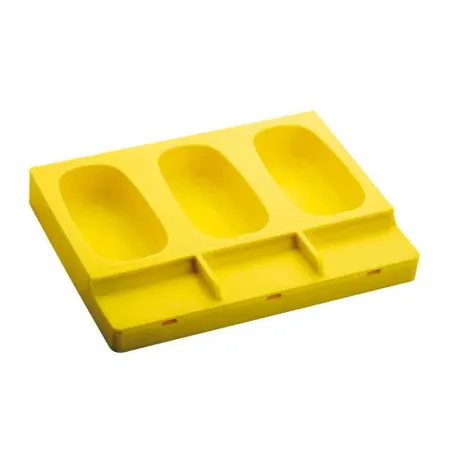
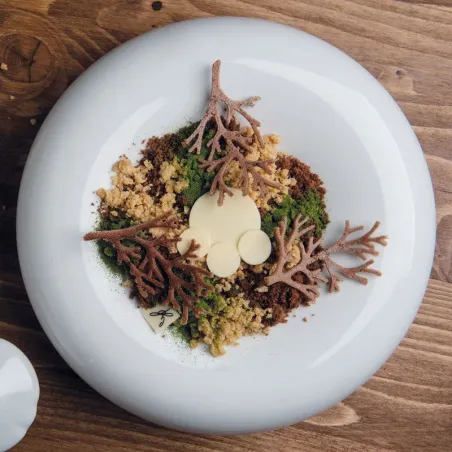
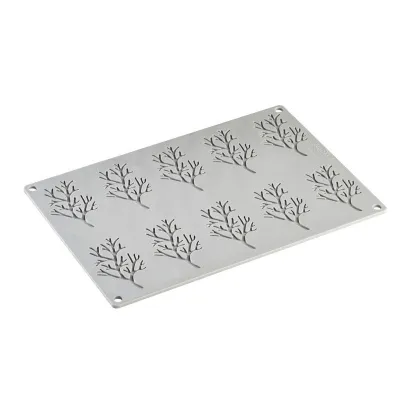
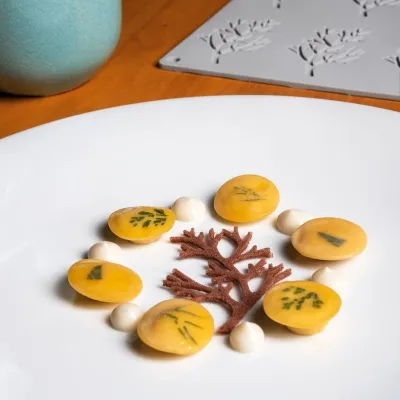
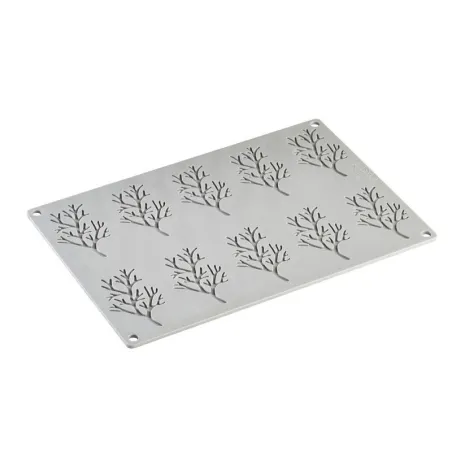
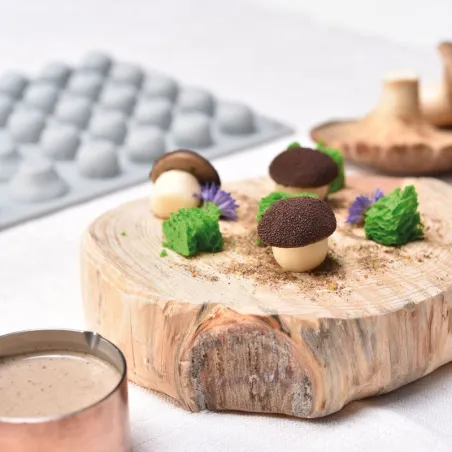
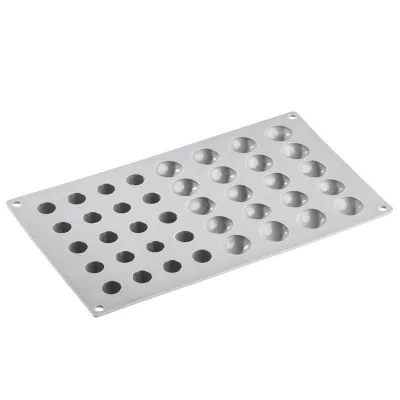
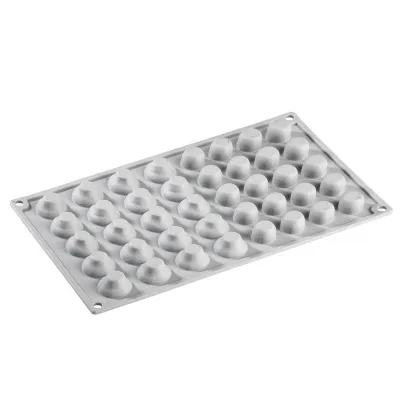
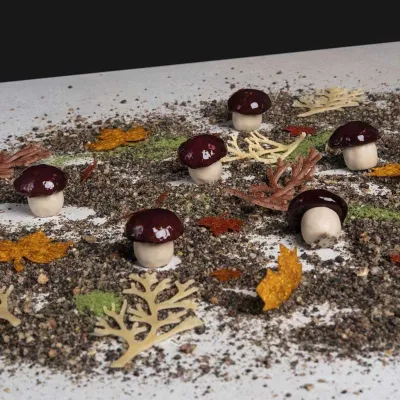
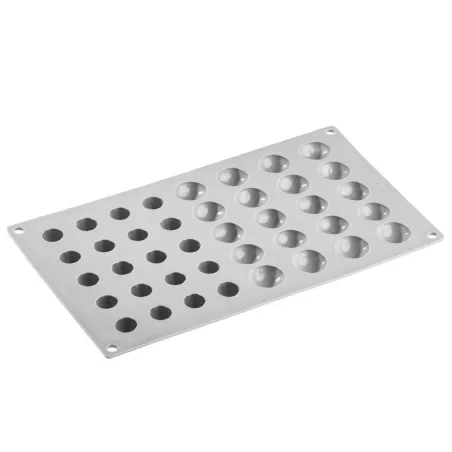
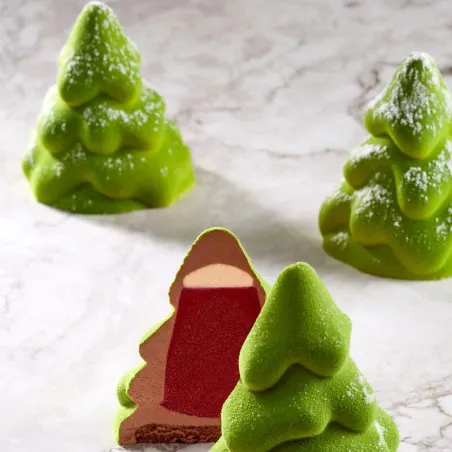
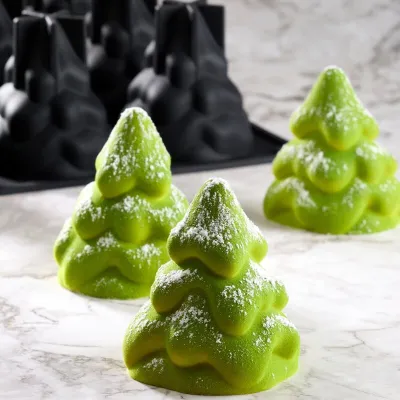
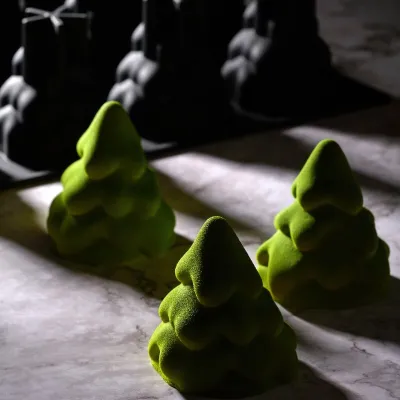
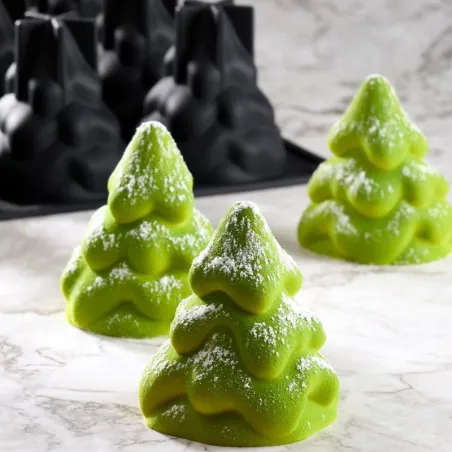
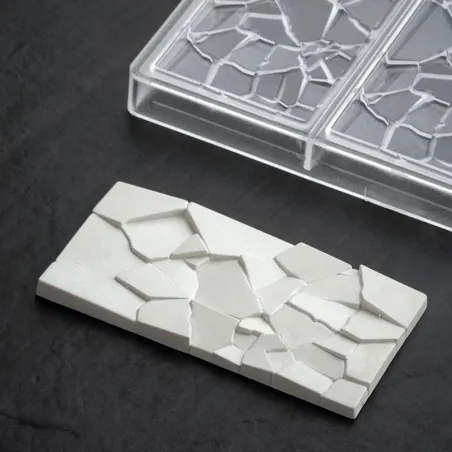
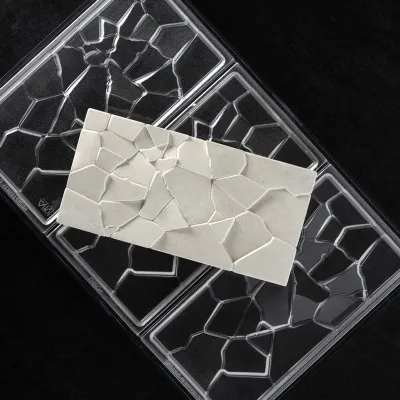
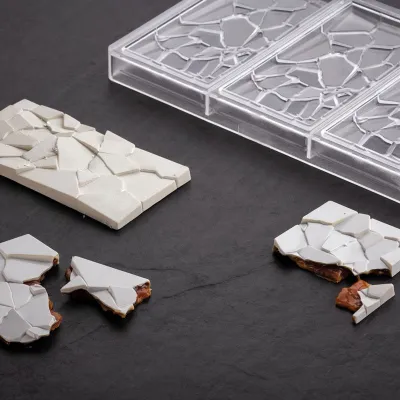
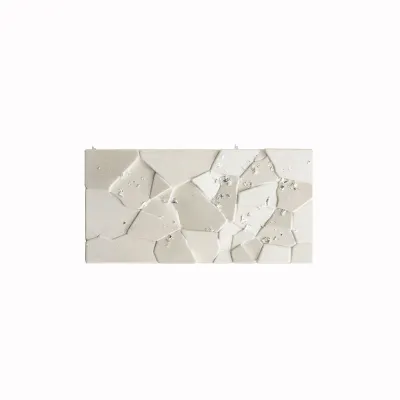
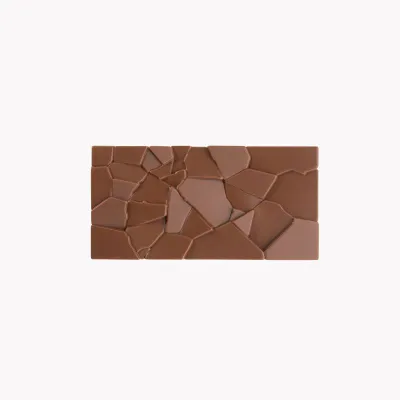
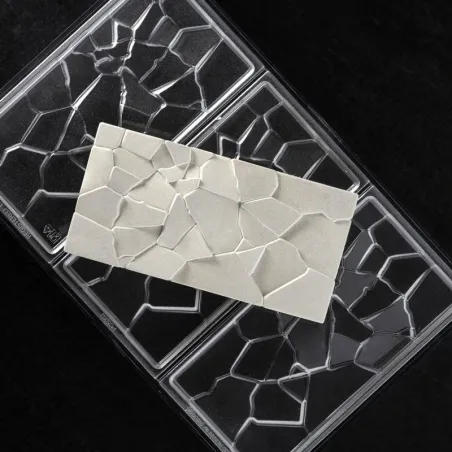
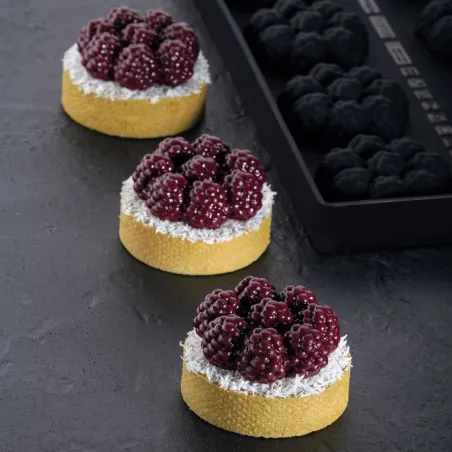
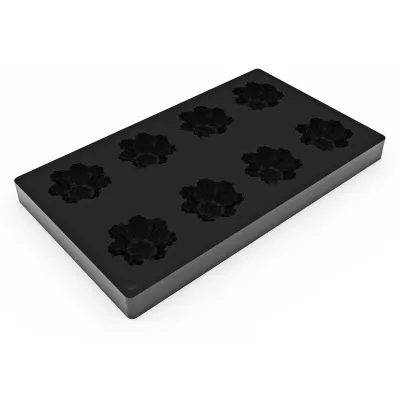
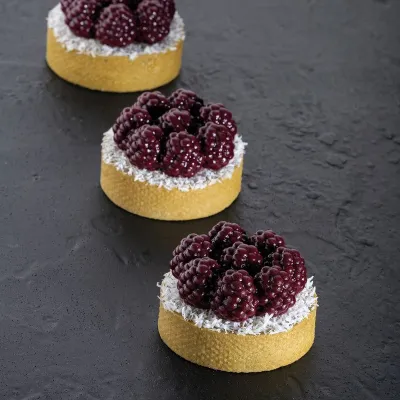
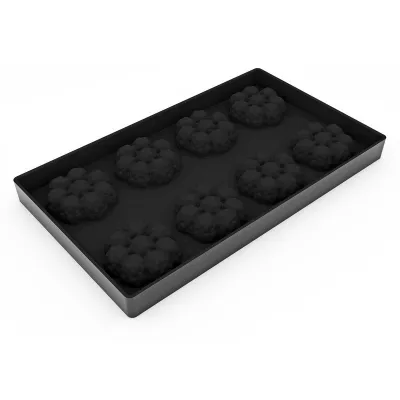
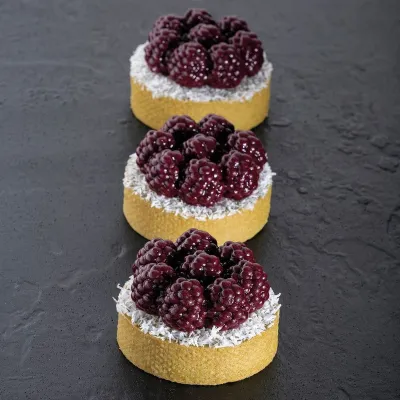
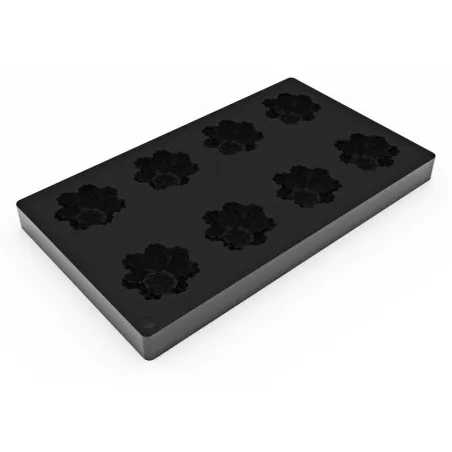
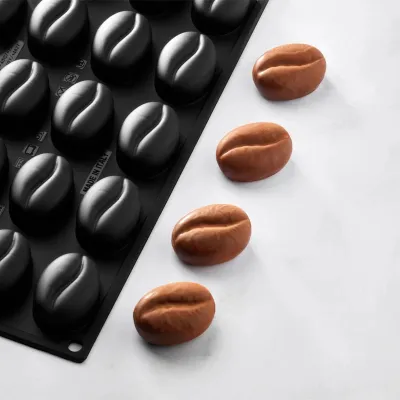
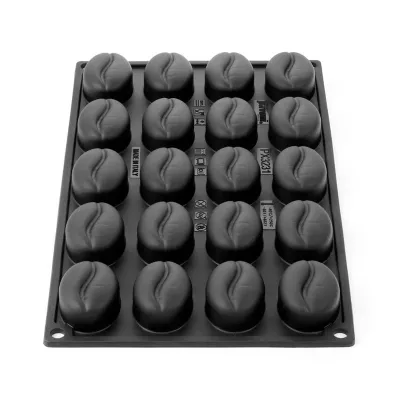
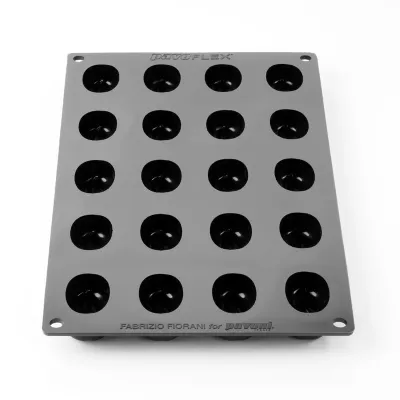
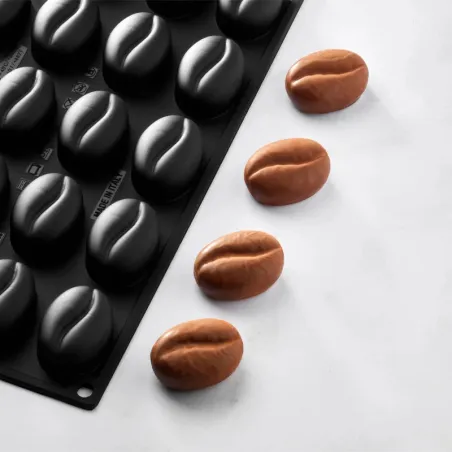
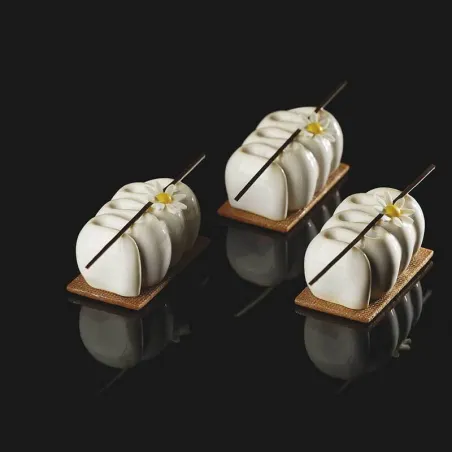
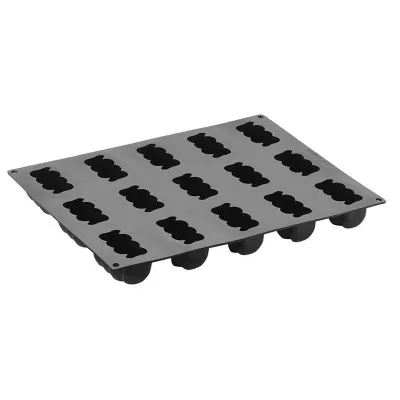
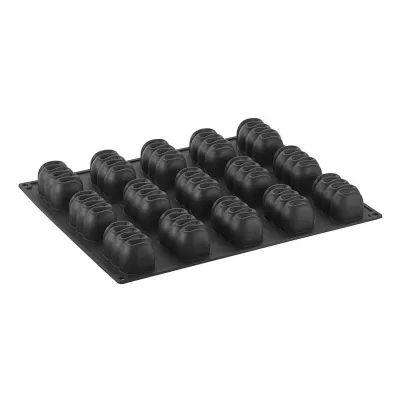
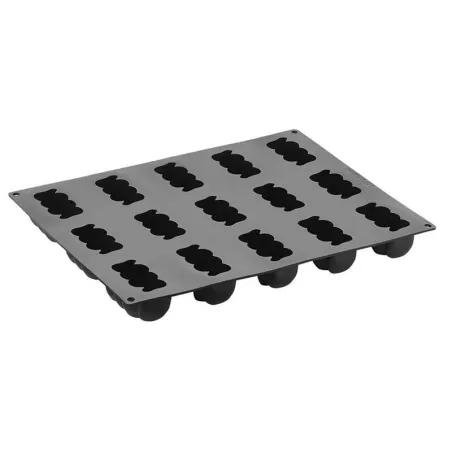
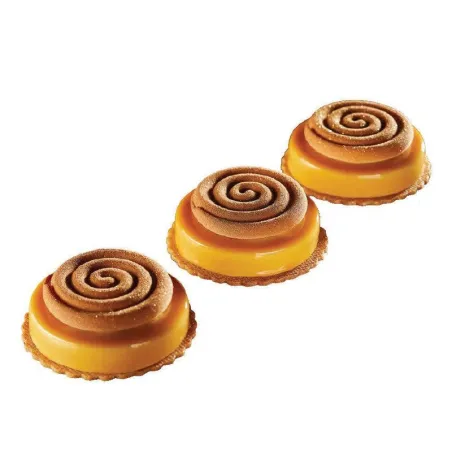
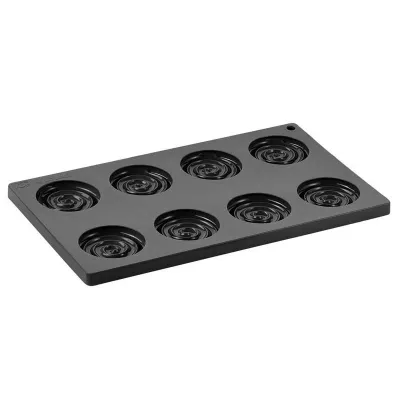
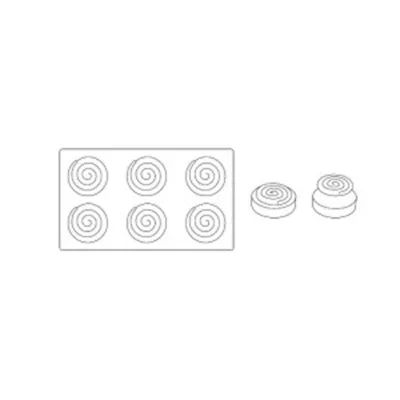
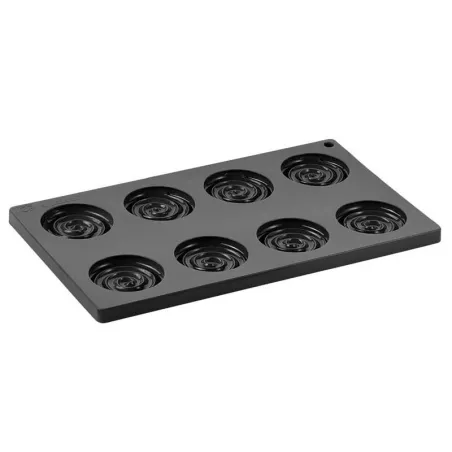
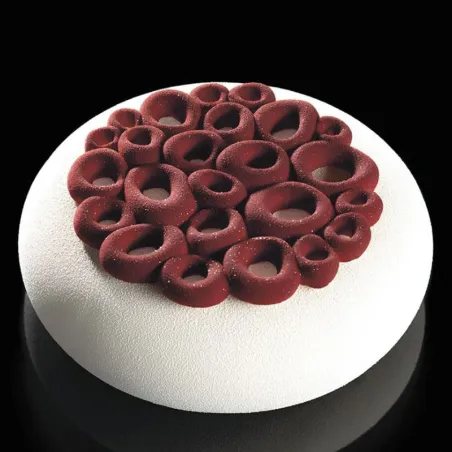
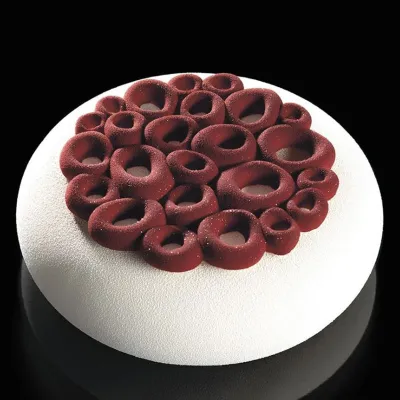
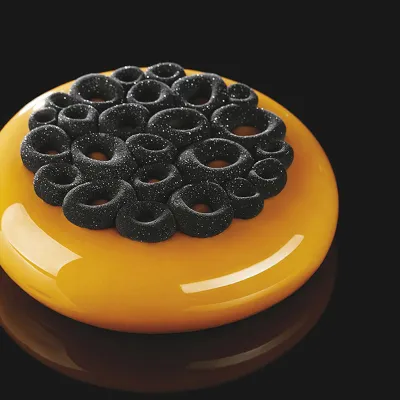
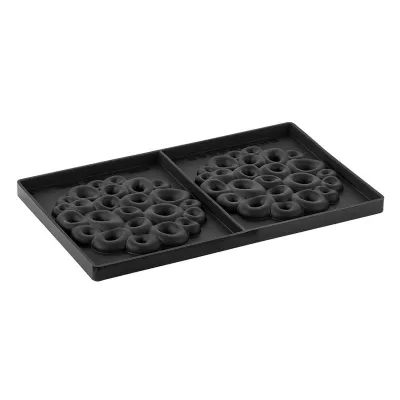
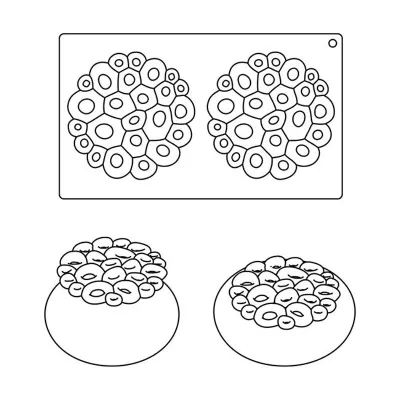
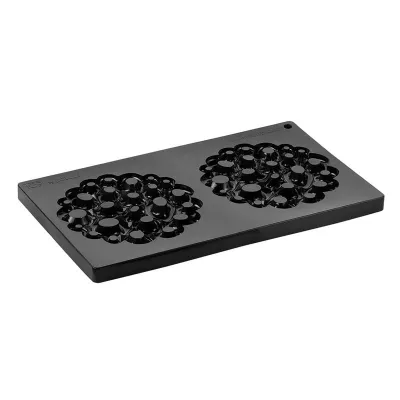
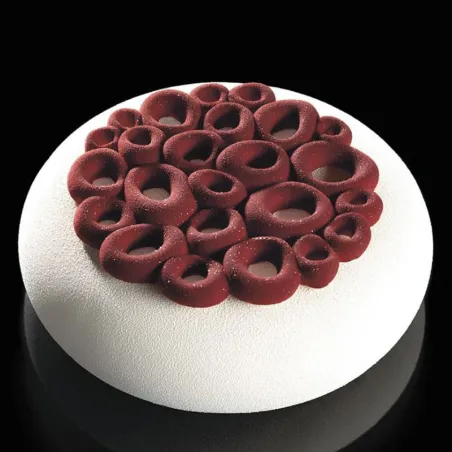
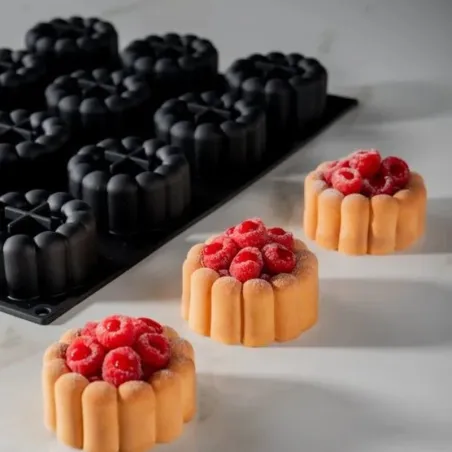
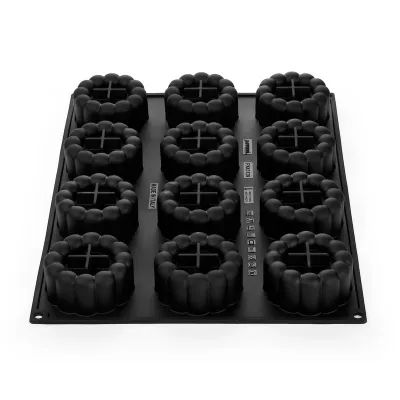
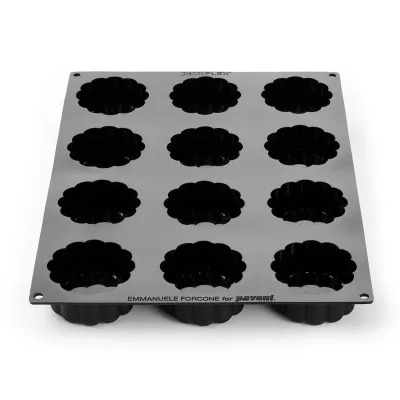
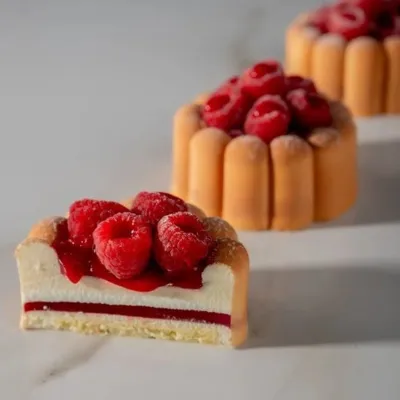
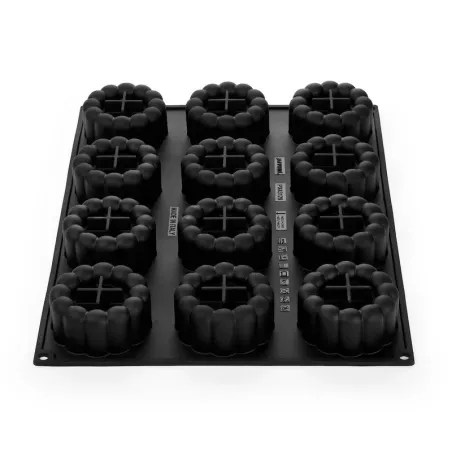
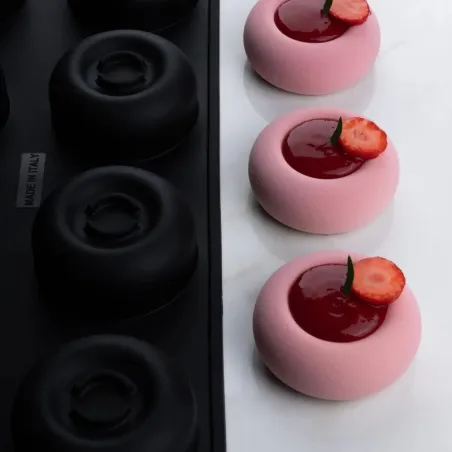
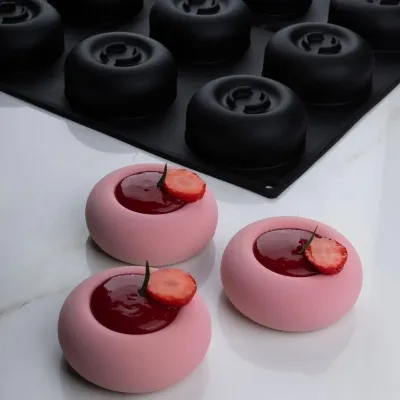
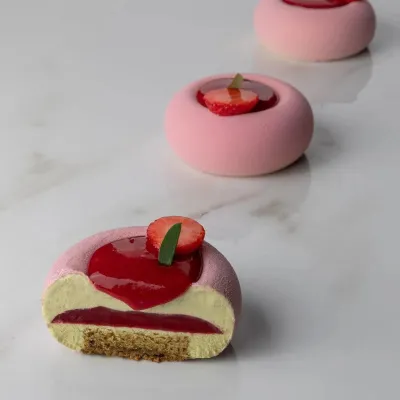
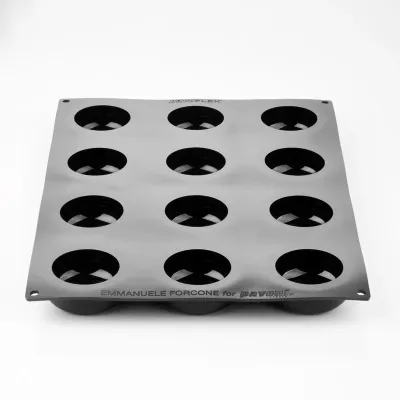
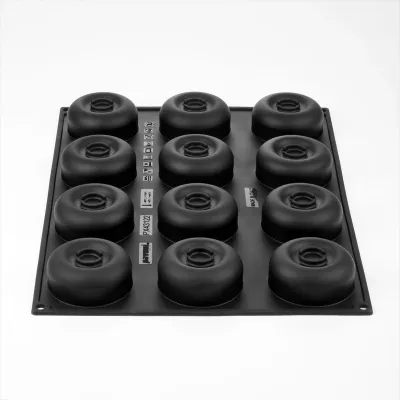
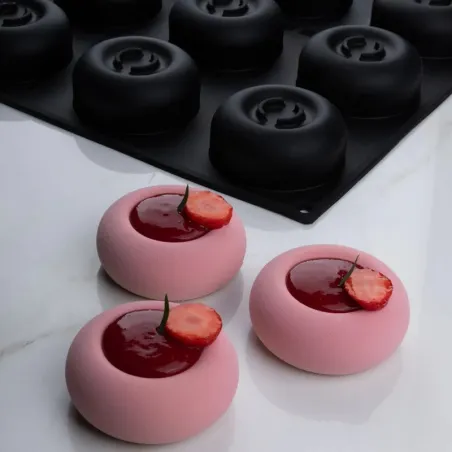
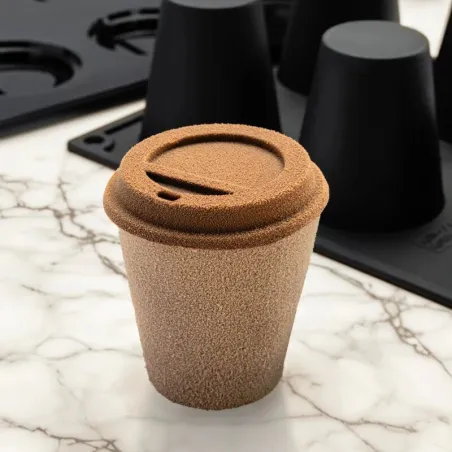
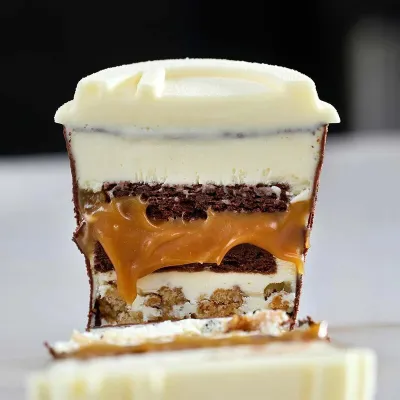
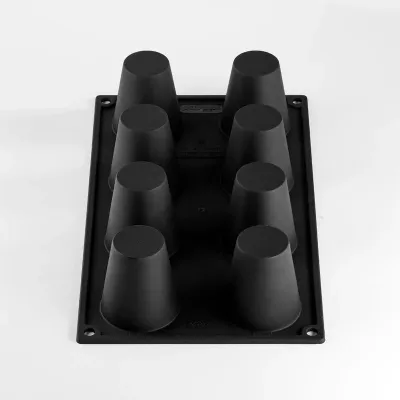
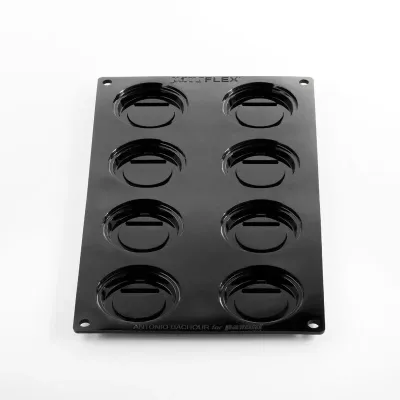
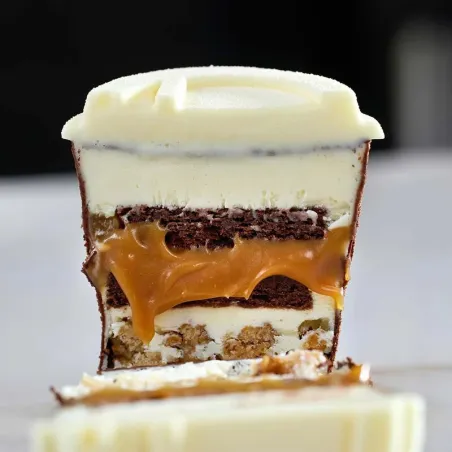
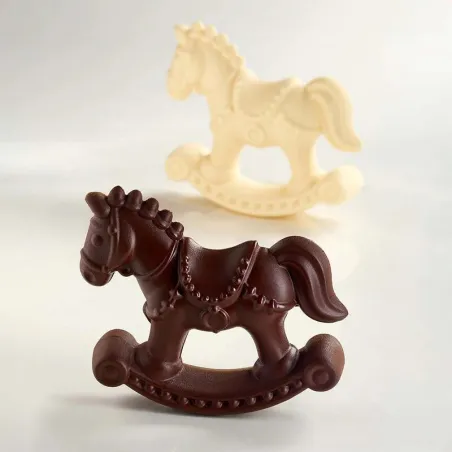
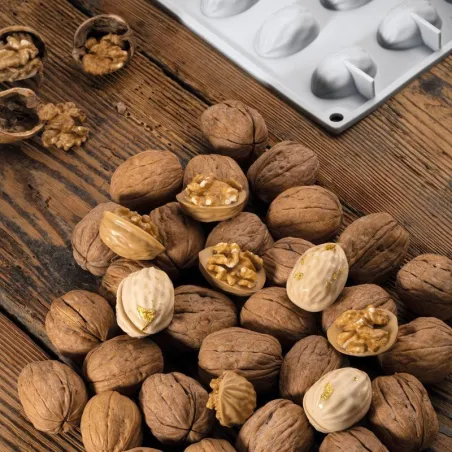
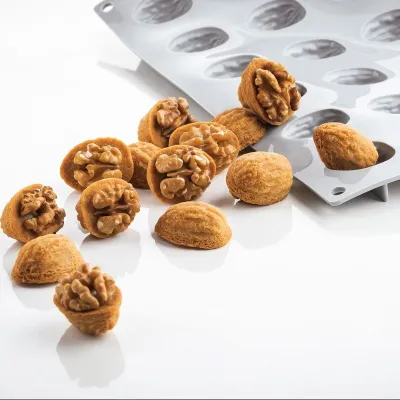
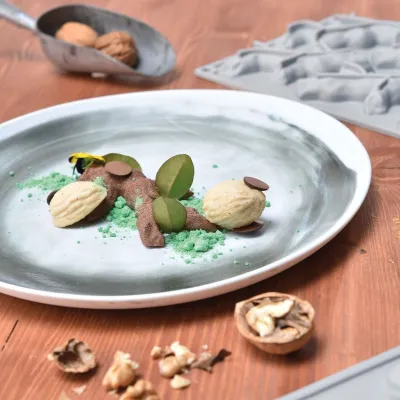
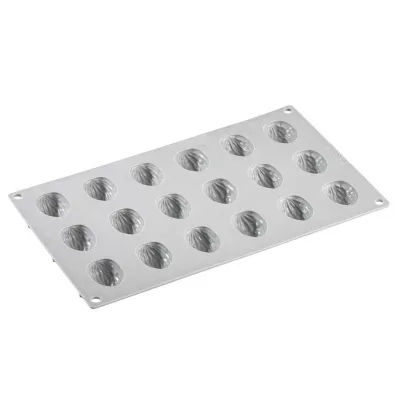
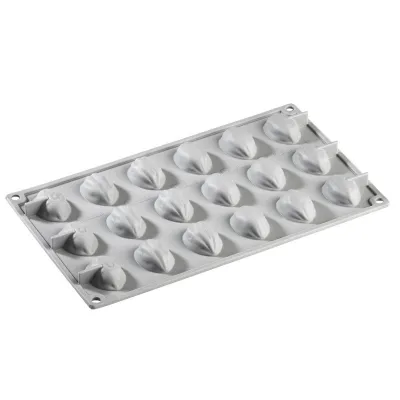
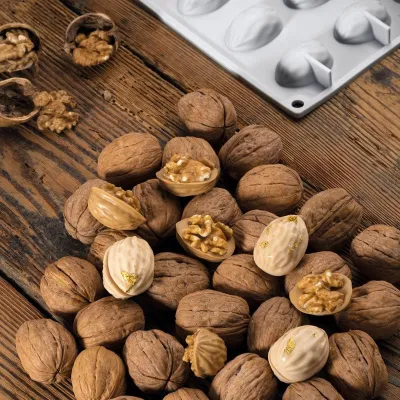
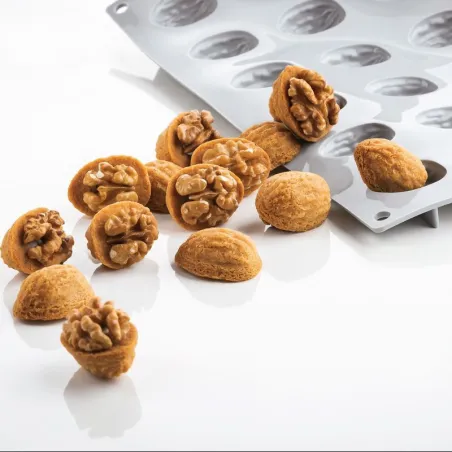
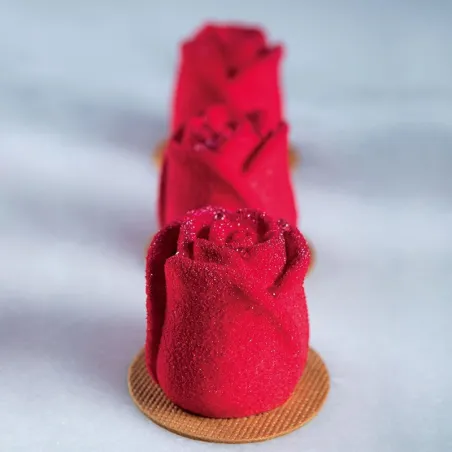
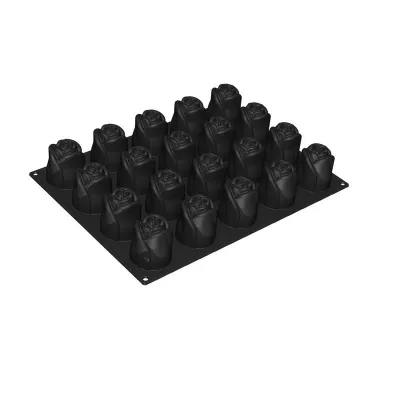
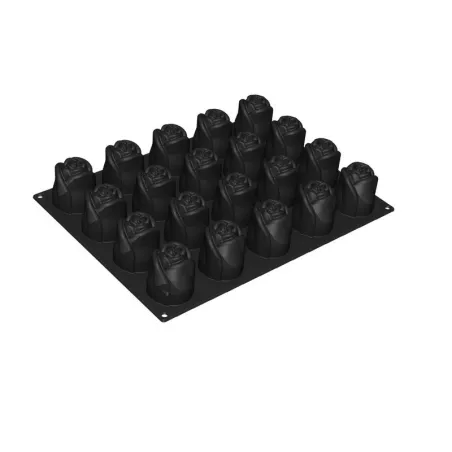
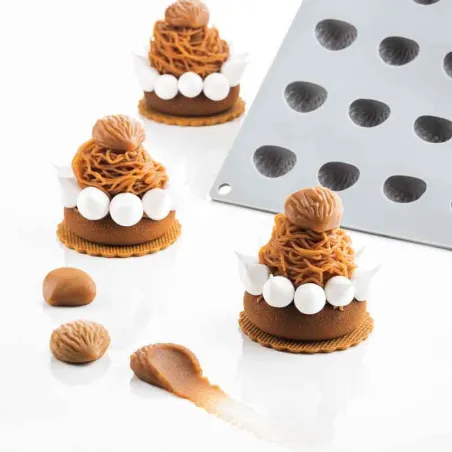
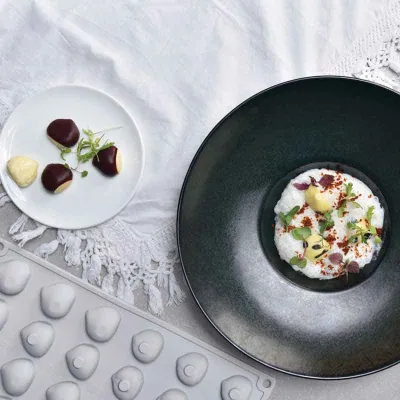
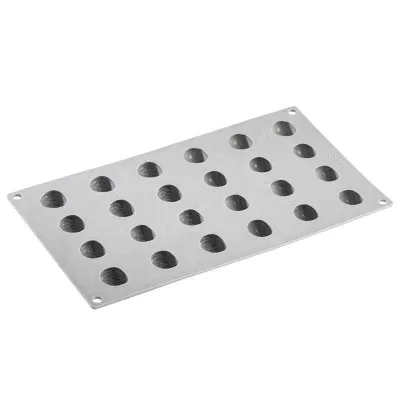
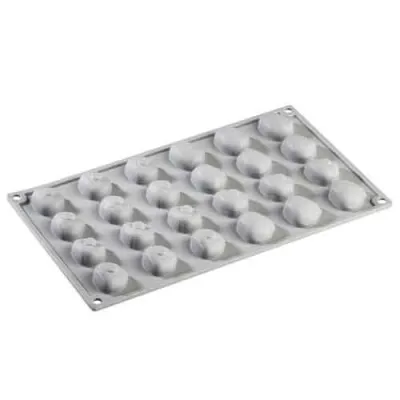
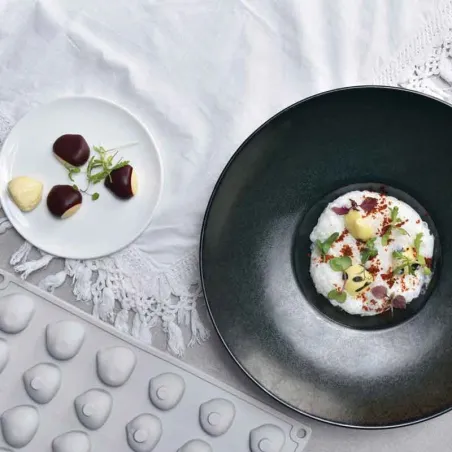
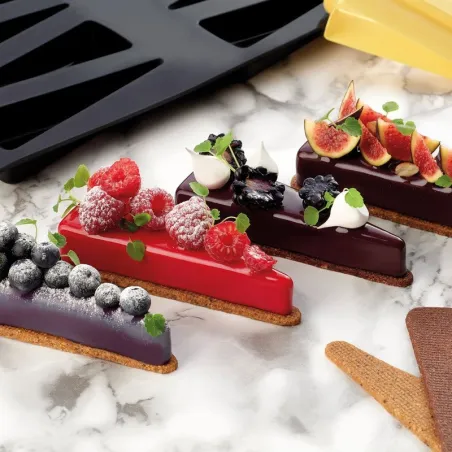
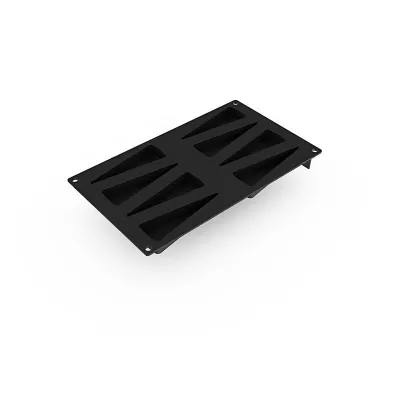
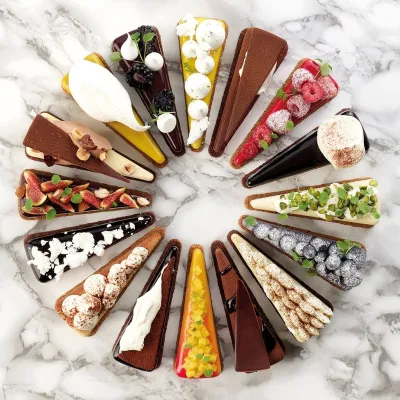
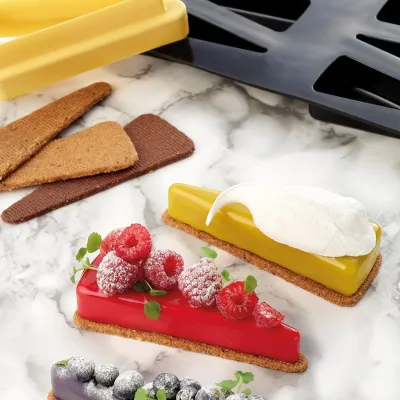
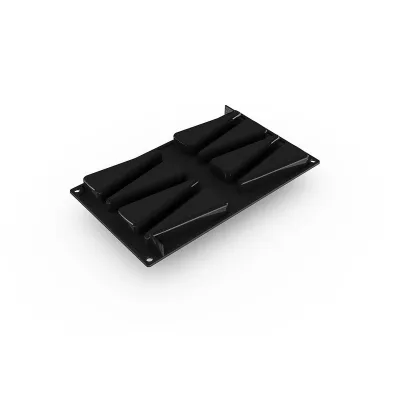
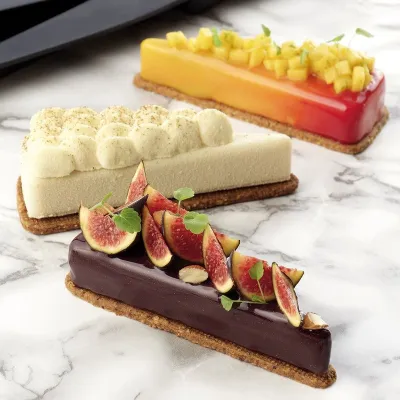
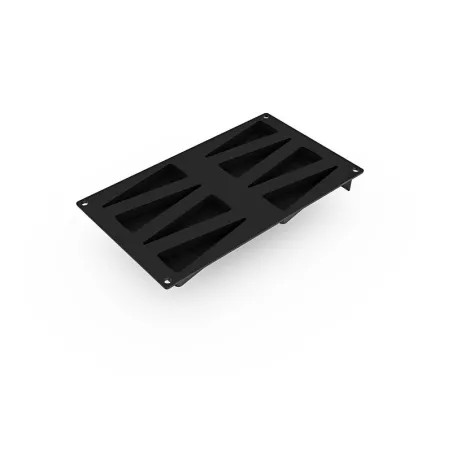
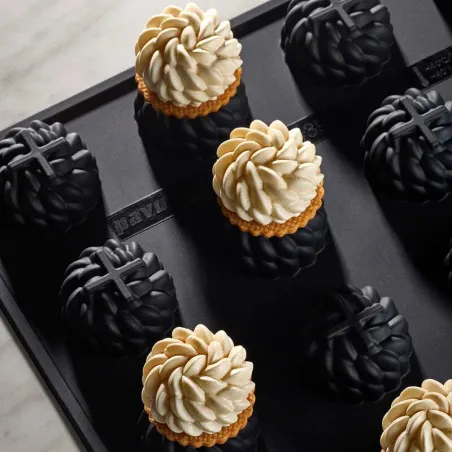
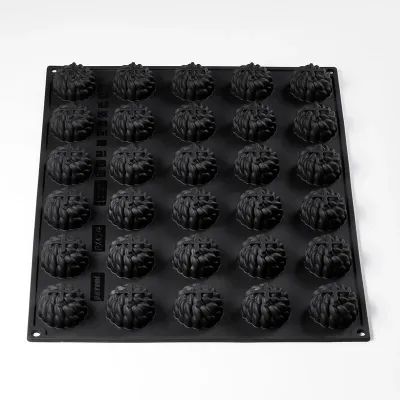
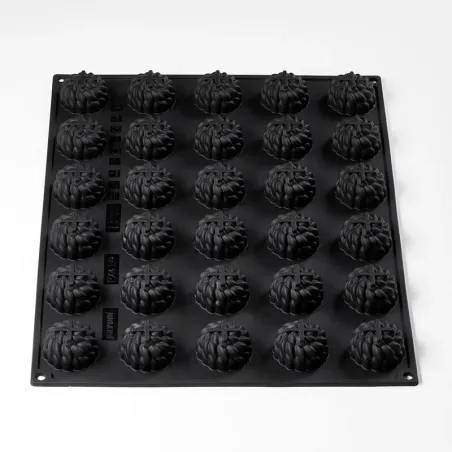
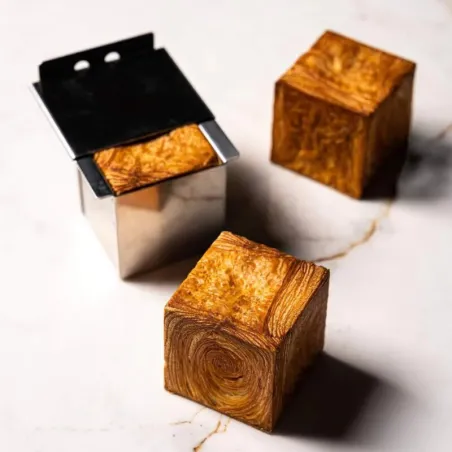
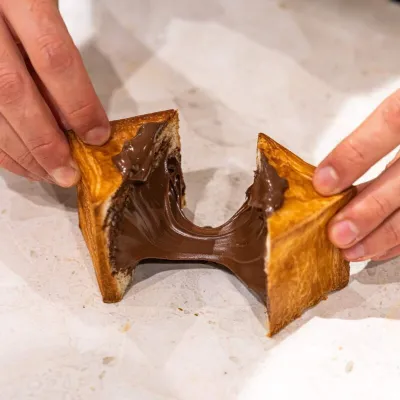
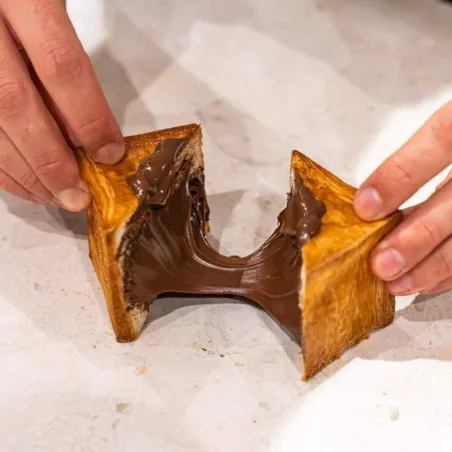
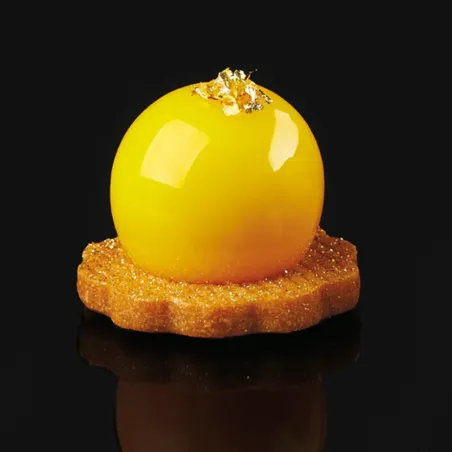
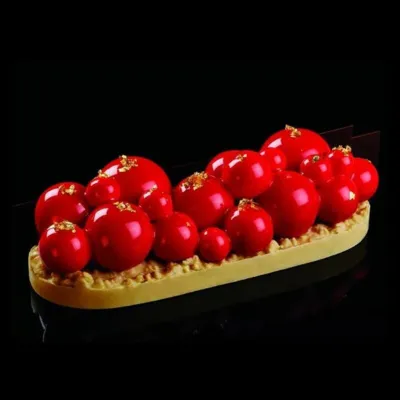
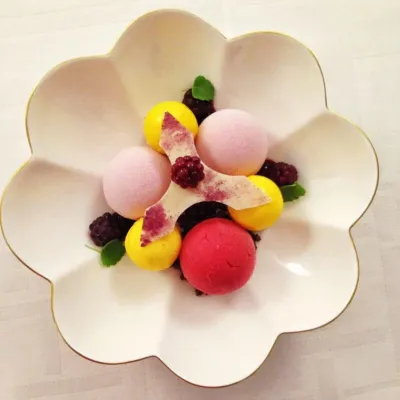
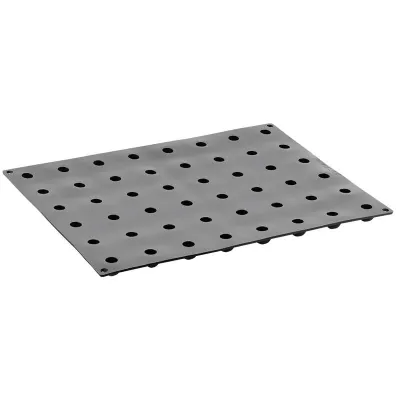
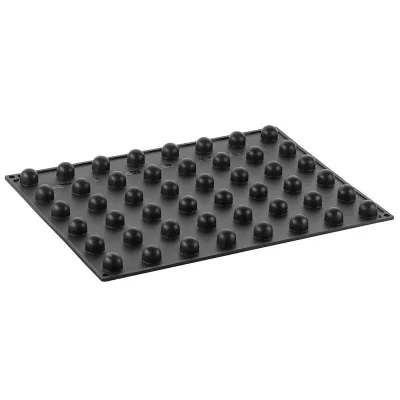
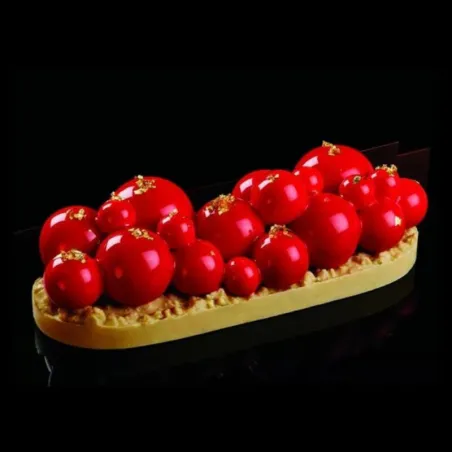
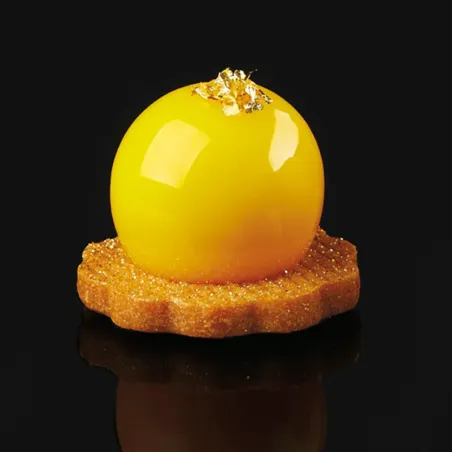
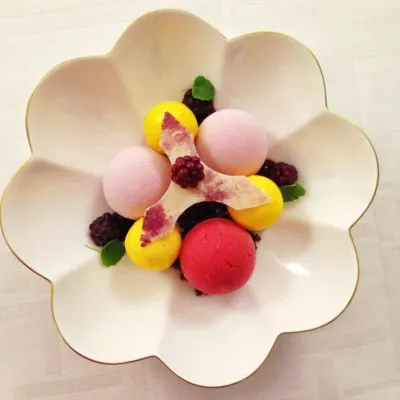
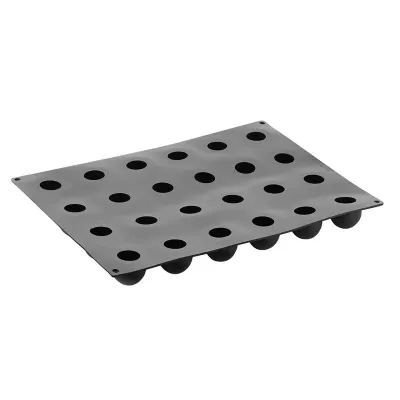
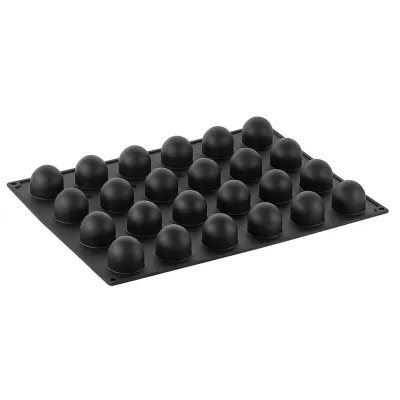
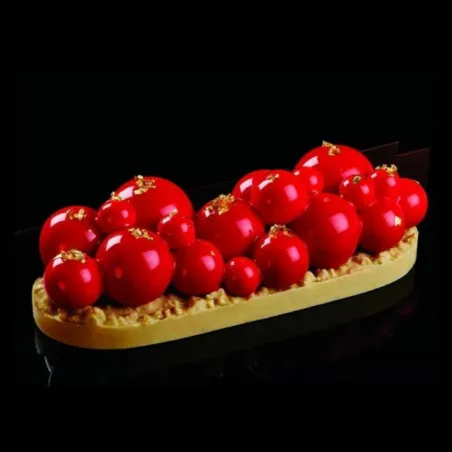
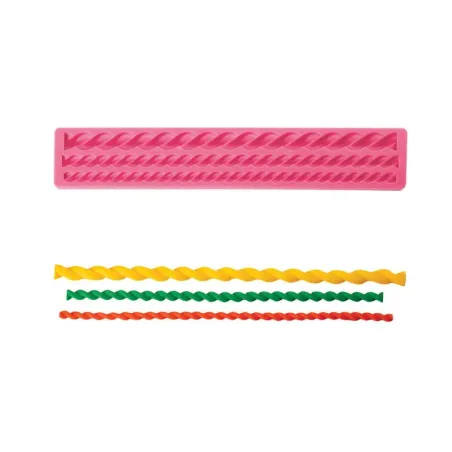
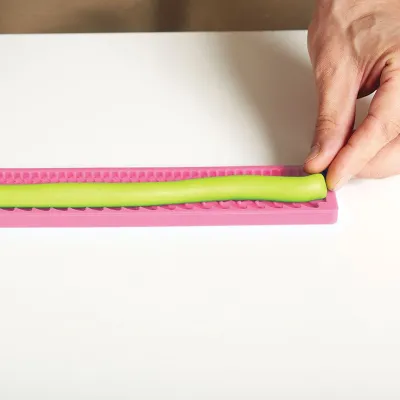
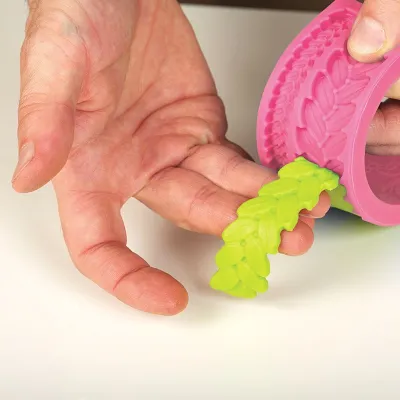
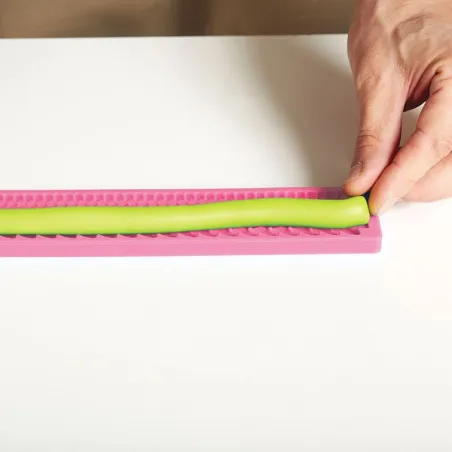
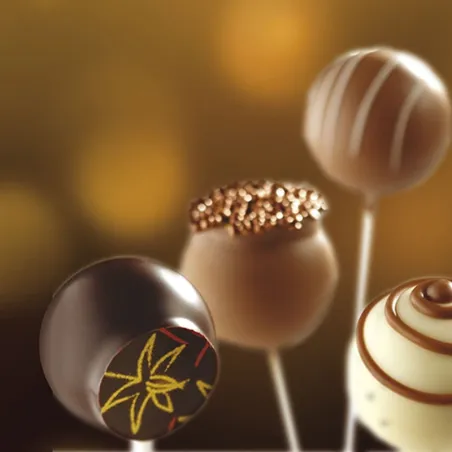
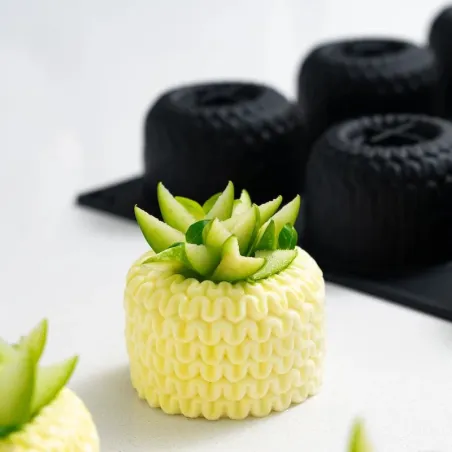
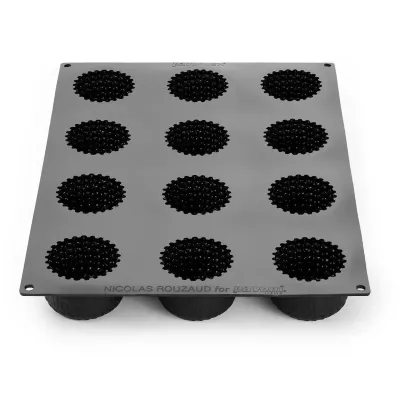
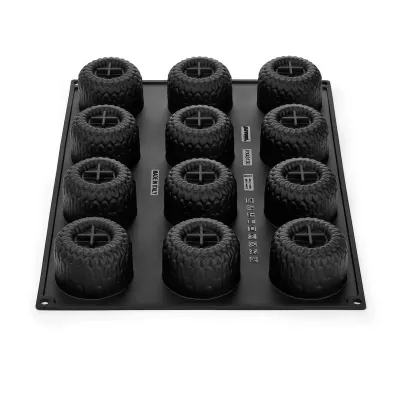
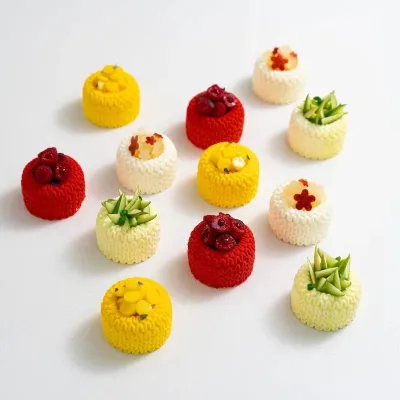
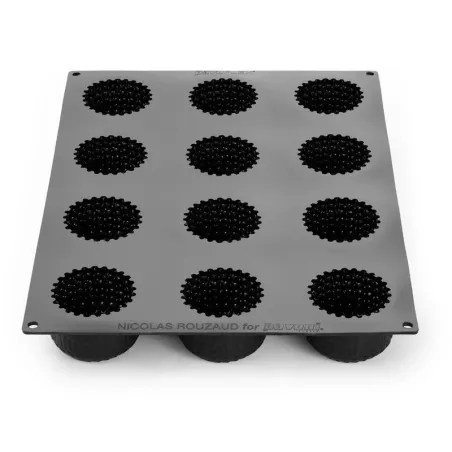
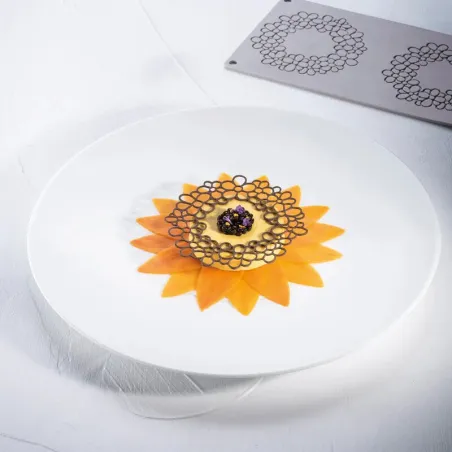
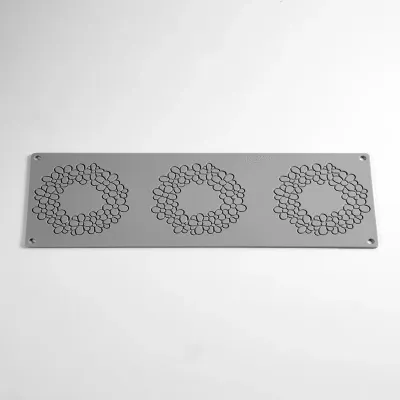
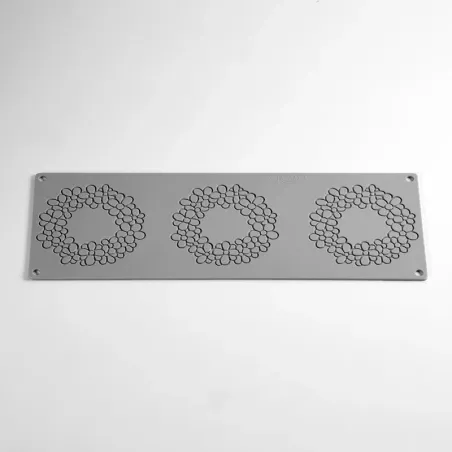
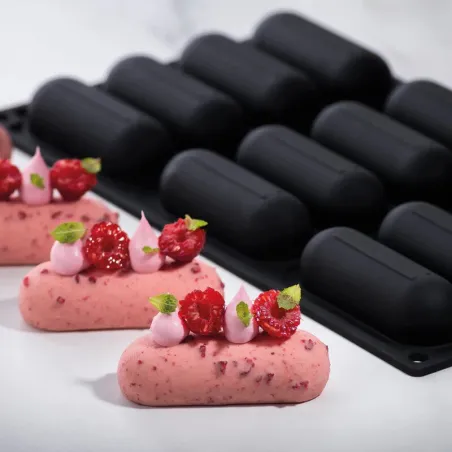
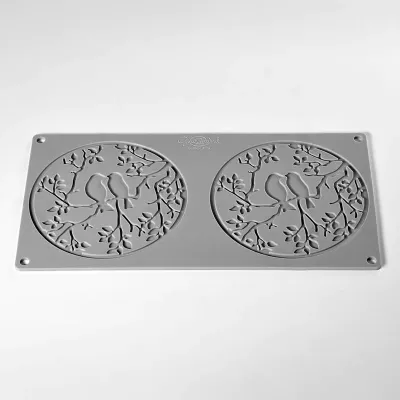
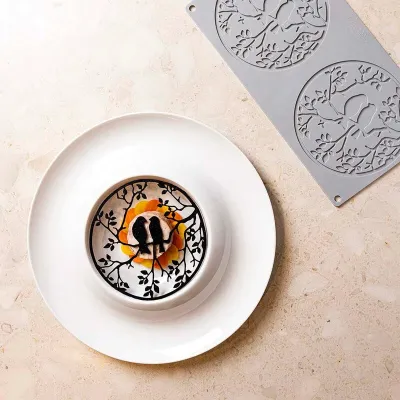
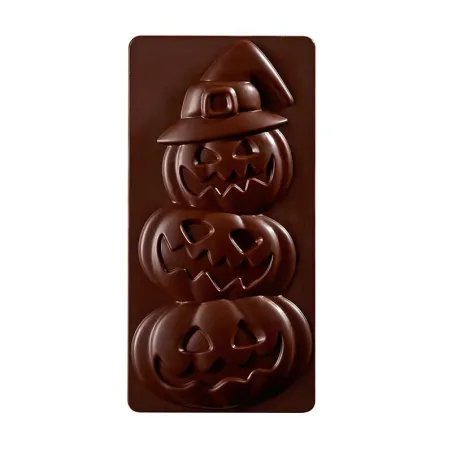
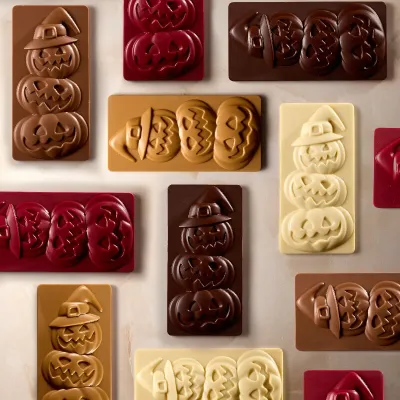
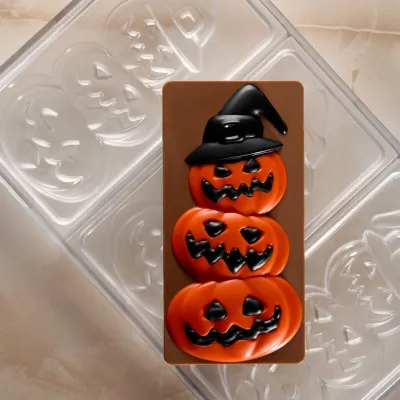
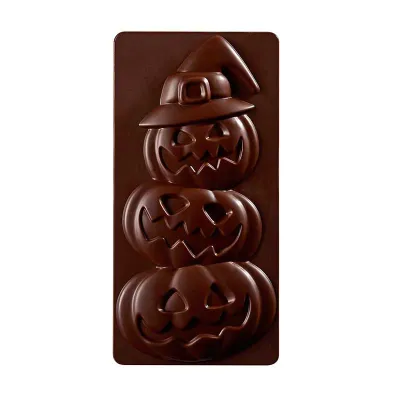
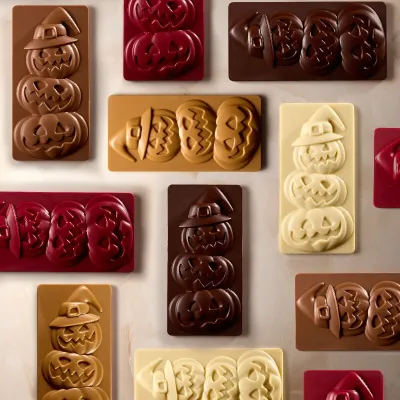
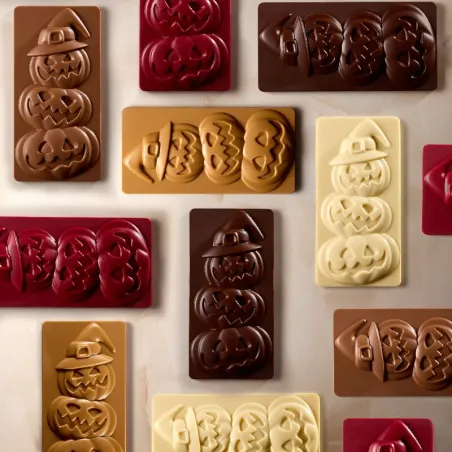
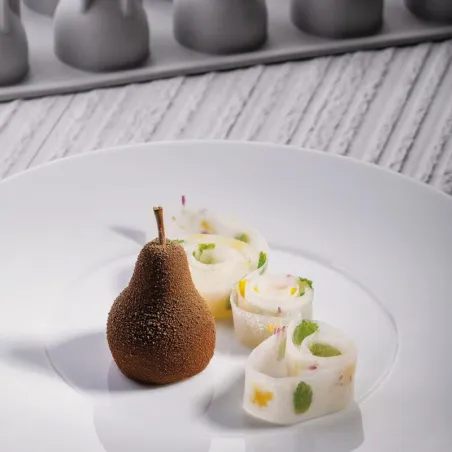
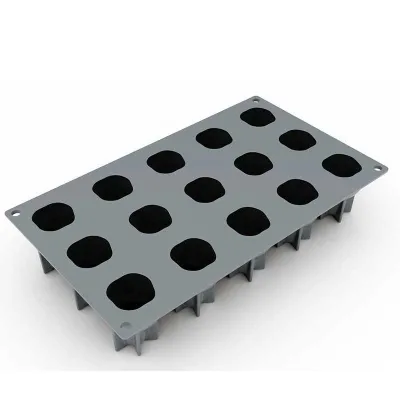
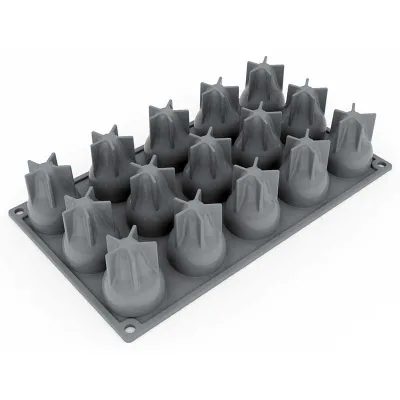
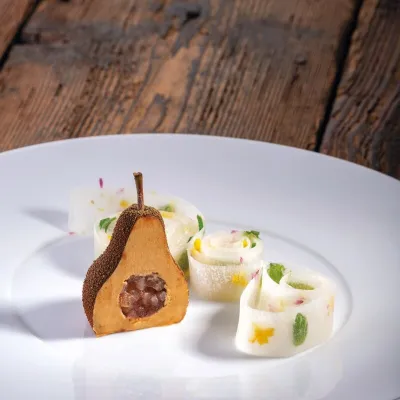
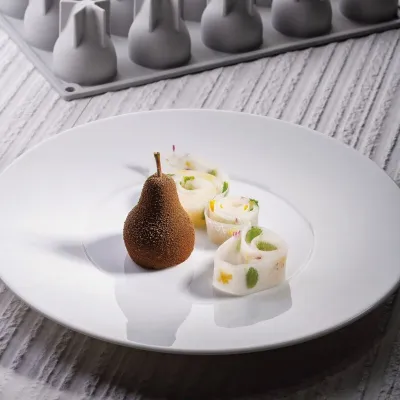
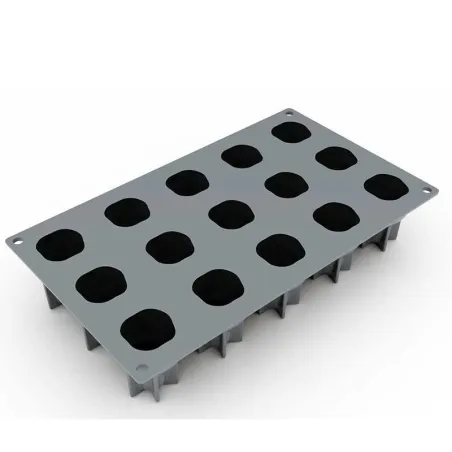
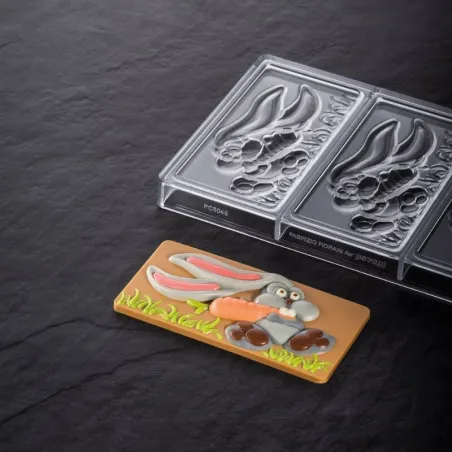
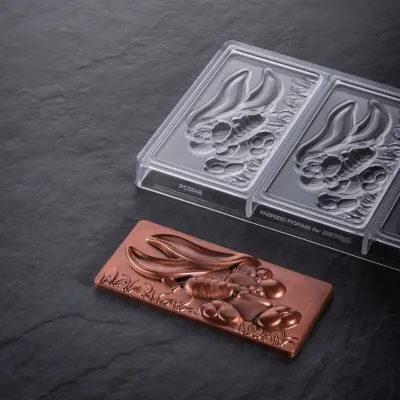
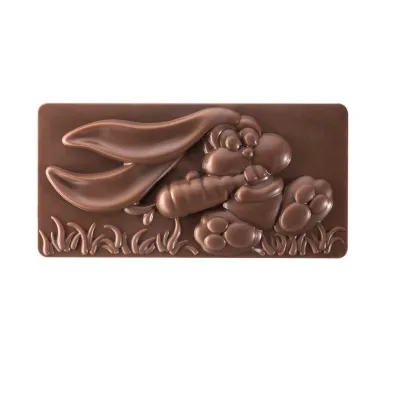
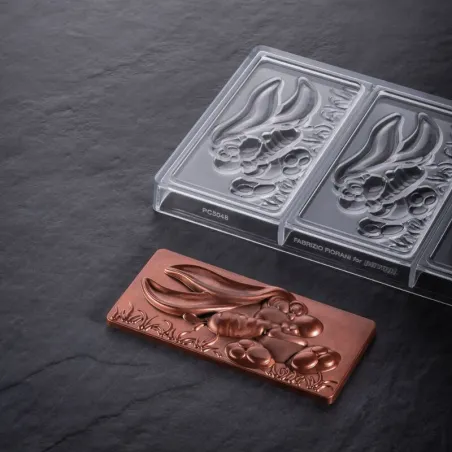
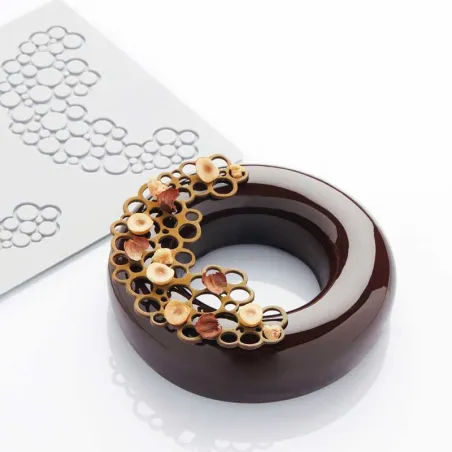
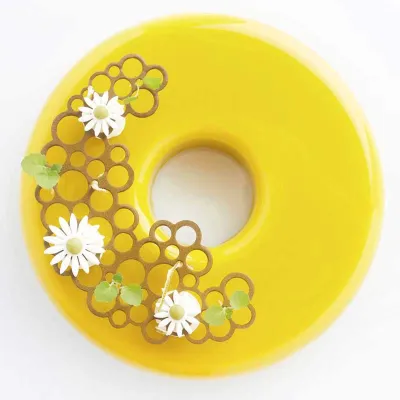
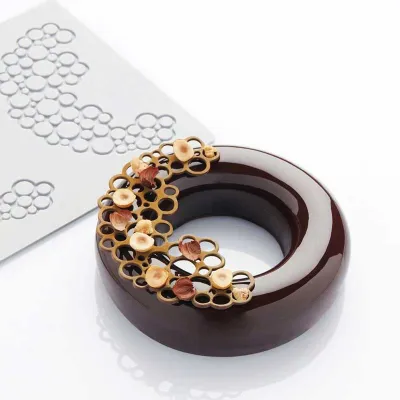
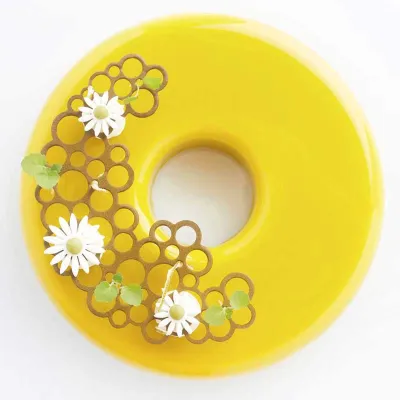
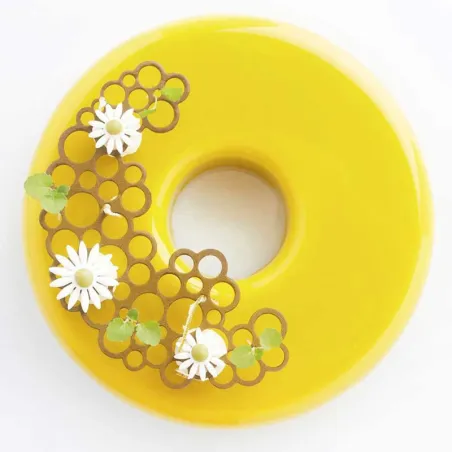
What distinguishes a Pavoni mould from a generic silicone mould from online retail? The answer does not lie in the material alone – it lies in who was involved in the development. Pavoni Italia has for years worked with a network of the world's most renowned confectioners and pastry chefs: Pierre Hermé, Cédric Grolet, Antonio Bachour, Gianluca Fusto, Jérôme de Oliveira, Paolo Griffa, Emmanuele Forcone. These names do not appear as testimonials on the product – they are involved in the design process. They bring their experience from daily practice, their ideas about how a mould should release, which geometries are possible, where a silicone mould reaches its limits and where its strengths lie. The result is moulds that not only look beautiful but work in practice – in a professional pâtisserie just as in a home bakery.
Pavoni Italia did not begin in 1980 with silicone moulds for starred chefs. It began with plastic containers for bakeries – proving troughs for dough, storage containers for flour types, transport boxes for finished bread and small pastries. The work was close to the needs of practice: Pavoni worked closely with bakeries, developed individual solutions and learned in doing so what professional bakeries really need. Not what sounds theoretically sensible but what works every day under production conditions.
This closeness to practice remained the guiding principle when the company made the step from hard plastic to silicone. Silicone opened a different world: no longer rigid containers but flexible moulds that enclose masses, bake in the oven, freeze in the freezer and then release without difficulty. For pastry and confectionery this was a paradigm shift. Instead of moulds enabling a specific geometry, suddenly moulds were possible that enable any geometry – hollow bodies, hemispheres, cylinder rings, complex three-dimensional structures that would not be releasable in rigid materials.
Silicone moulds are versatile because silicone as a material combines exceptional properties. Temperature resistance from minus 40 to plus 280 degrees Celsius: the same mould can be used for deep-frozen ice cream masses and subsequently for hot caramel. The material does not deform, does not react with food and releases no odours or substances. The surface is non-stick, which facilitates unmoulding – a particularly sensitive moment for mousses, entremets and other soft masses that can be damaged by pressure.
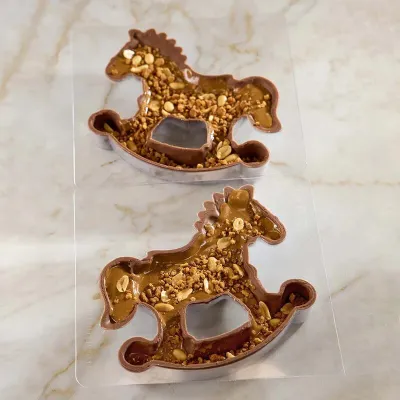
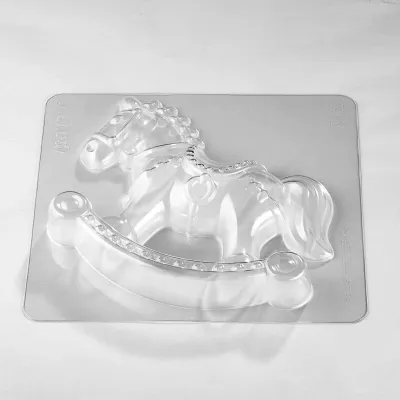
At the same time, silicone is not the right material for every application. For pralines and chocolate, polycarbonate is the better choice. The reason: chocolate contracts slightly during crystallisation and therefore almost releases itself from a hard, smooth mould. At the same time, polycarbonate transfers the highly smooth surface responsible for the characteristic gloss of professional pralines – the Form V crystal structure of correctly tempered couverture is optimally reproduced on a smooth polycarbonate surface. Silicone moulds produce matt surfaces. For high-gloss pralines: polycarbonate. For entremets, mousses, semifreddos: silicone. Pavoni produces both – and knows which material is optimal for what.
Alongside silicone and polycarbonate moulds, Pavoni Italia is known for a further product segment less visible in the home baking world but regarded as indispensable in professional confectioneries: micro-perforated baking rings and baking mats. Micro-perforated baking rings for cakes and tartlets have small holes in the side wall. These holes enable even air circulation in the oven so that heat reaches the shortcrust base from all sides simultaneously. The result: an evenly baked, evenly coloured, crispy base – without raw spots in the middle and without over-baked edges.
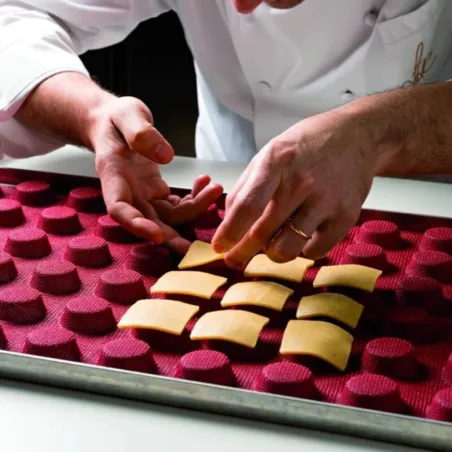
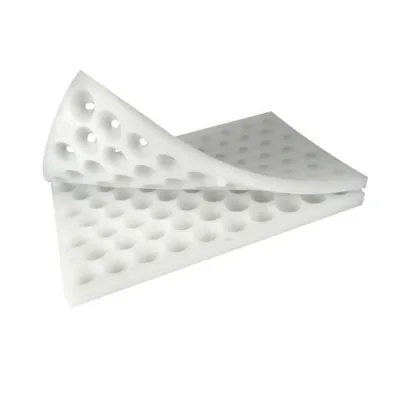
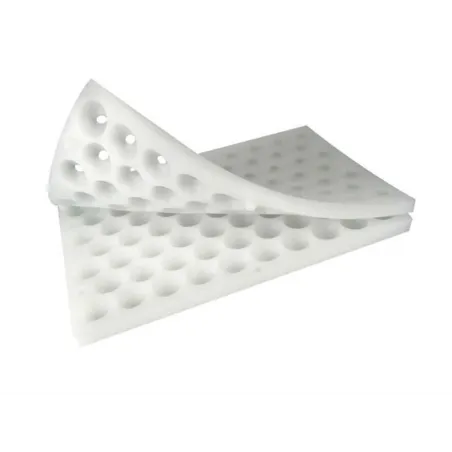
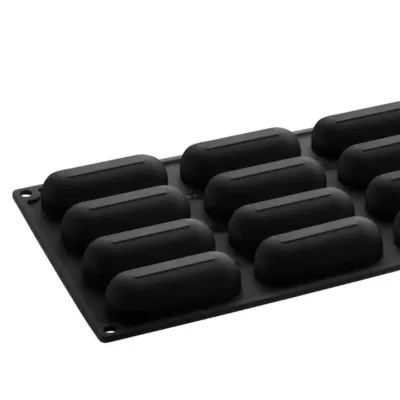
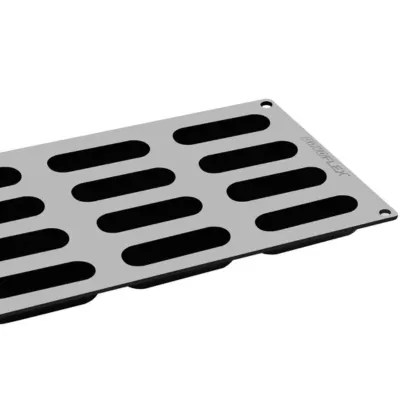
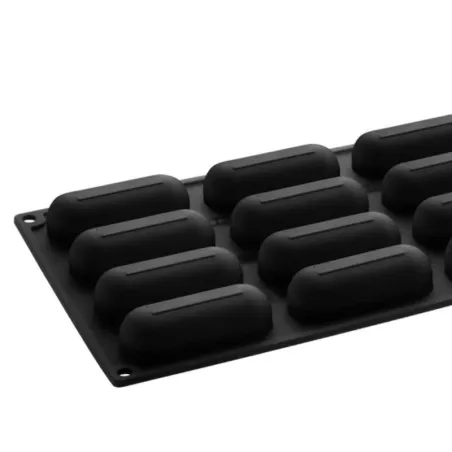
Baking mats for choux pastry – éclairs, choux, profiteroles – solve a different problem: deforming during baking. Choux pastry piped onto a baking sheet without a guide spreads during baking or loses its shape. Pavoni baking mats have moulded grooves or recesses that give the choux pastry a defined shape when piped and hold it during baking. The result is éclairs with consistent length, consistent width and straight edges – relevant both visually and for garnishing.
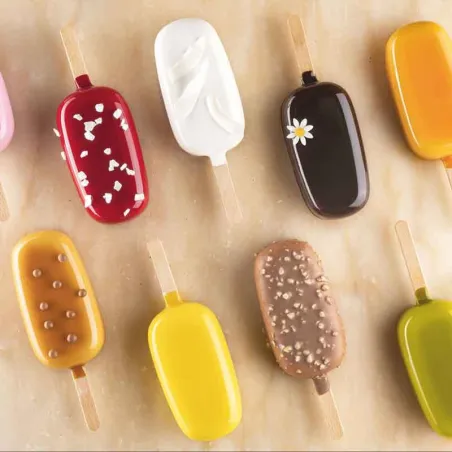
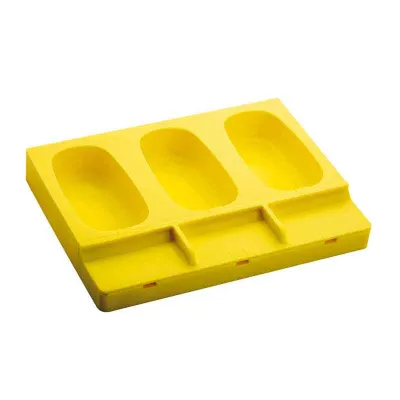
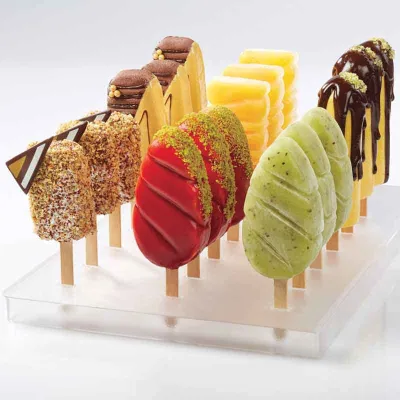
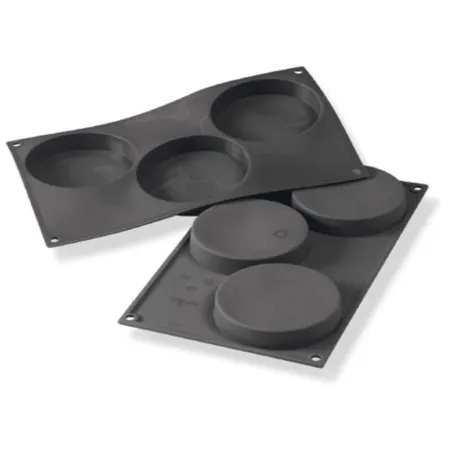
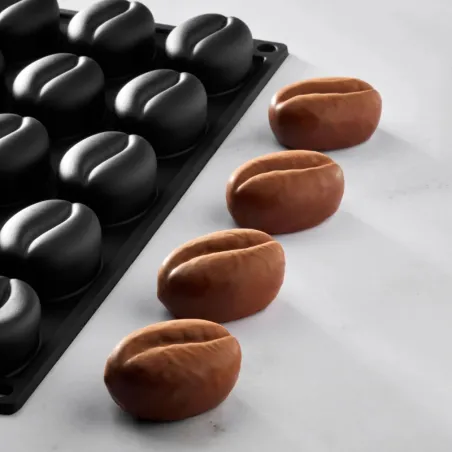
Silicone moulds for single portions, medium sizes and cake sizes – in collections such as Pavoflex, Pavocake, Formaflex and Gourmand, each with its own design character. Polycarbonate moulds for pralines, bars and chocolate decorations. Micro-perforated baking rings and bands for cakes, tarts and viennoiserie. Baking mats for choux pastry and small pastries. Ice cream moulds for lollies and ice cream cakes. Over 7,000 items, 75 per cent of turnover from export, Made in Italy.
Silicone moulds · Polycarbonate moulds · Baking mats · Baking rings & bands · Ice cream moulds · Decoration materials
Those who work with Pavoni moulds notice the difference not when filling but when unmoulding. A silicone mould that does not yield leaves pressure marks on a mousse. A polycarbonate mould whose surface is not polished smooth enough does not give a high-gloss praline. A baking ring without perforation bakes the shortcrust unevenly. Pavoni has understood these relationships through decades of collaboration with professionals and incorporated them into every product. This shows in the details: in the surface quality of a polycarbonate hollow body, in the wall thickness of a silicone mould, in the size and distribution of perforations in a baking ring.
miniSchoggi carries Pavoni Italia because professional tools are not a question of business size. A home baker seriously making pralines or entremets deserves the same mould quality as Pierre Hermé. The range available at miniSchoggi includes polycarbonate moulds, silicone moulds, baking mats, baking rings and more and is continuously expanded.
From bakery container to the mould that world-class pastry chefs co-design themselves. Made in Italy. Pavoni Italia.