
Quark Tart with Fresh Fruit and Lime
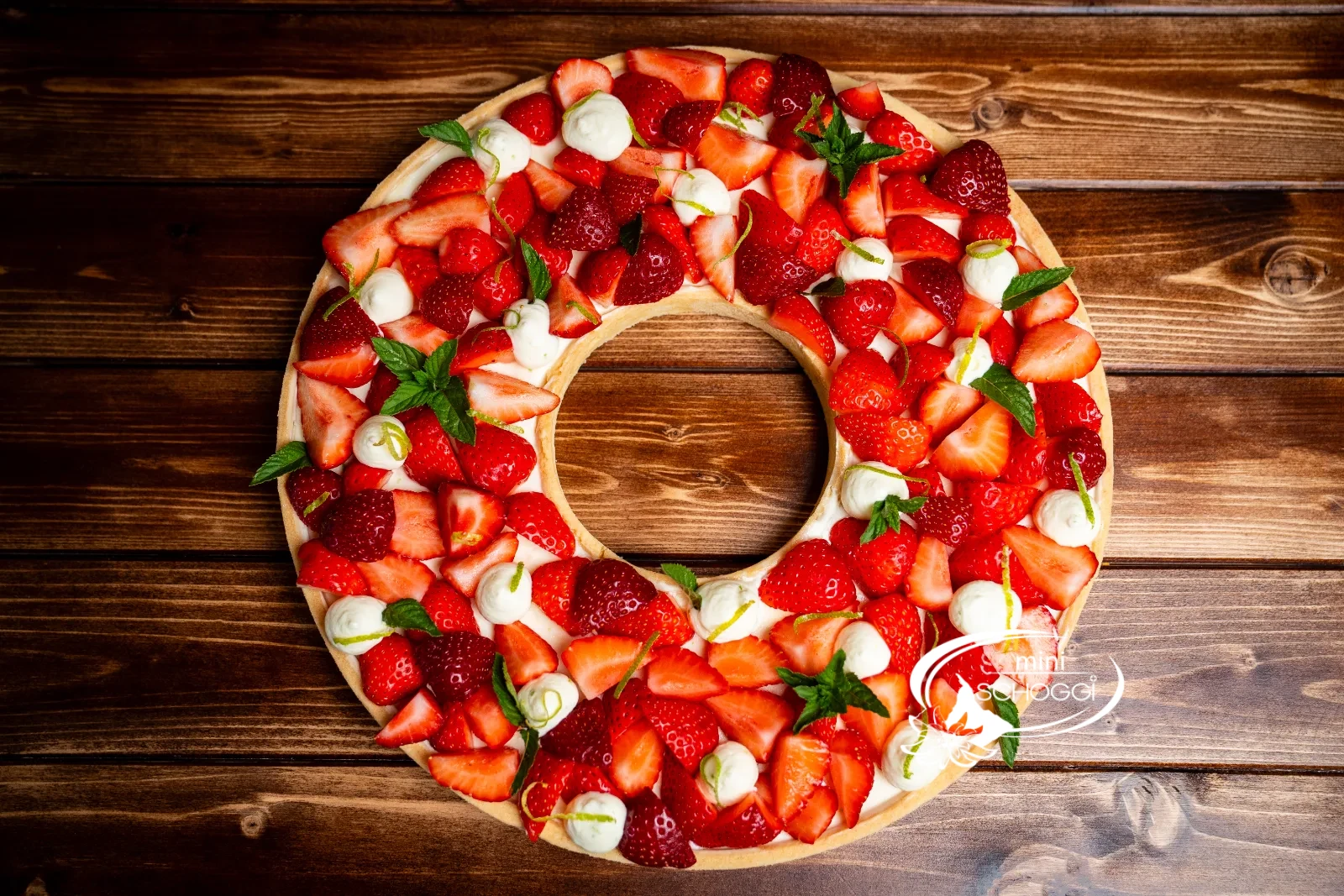
Fresh, light and a feast for the senses
Quantity1 tart (Ø 30 cm), for 8–10 people
Active timeApprox. 45–60 minutes
Total timeApprox. 4 hrs (incl. 3 hrs chilling)
contains glutencontains milkcontains egg
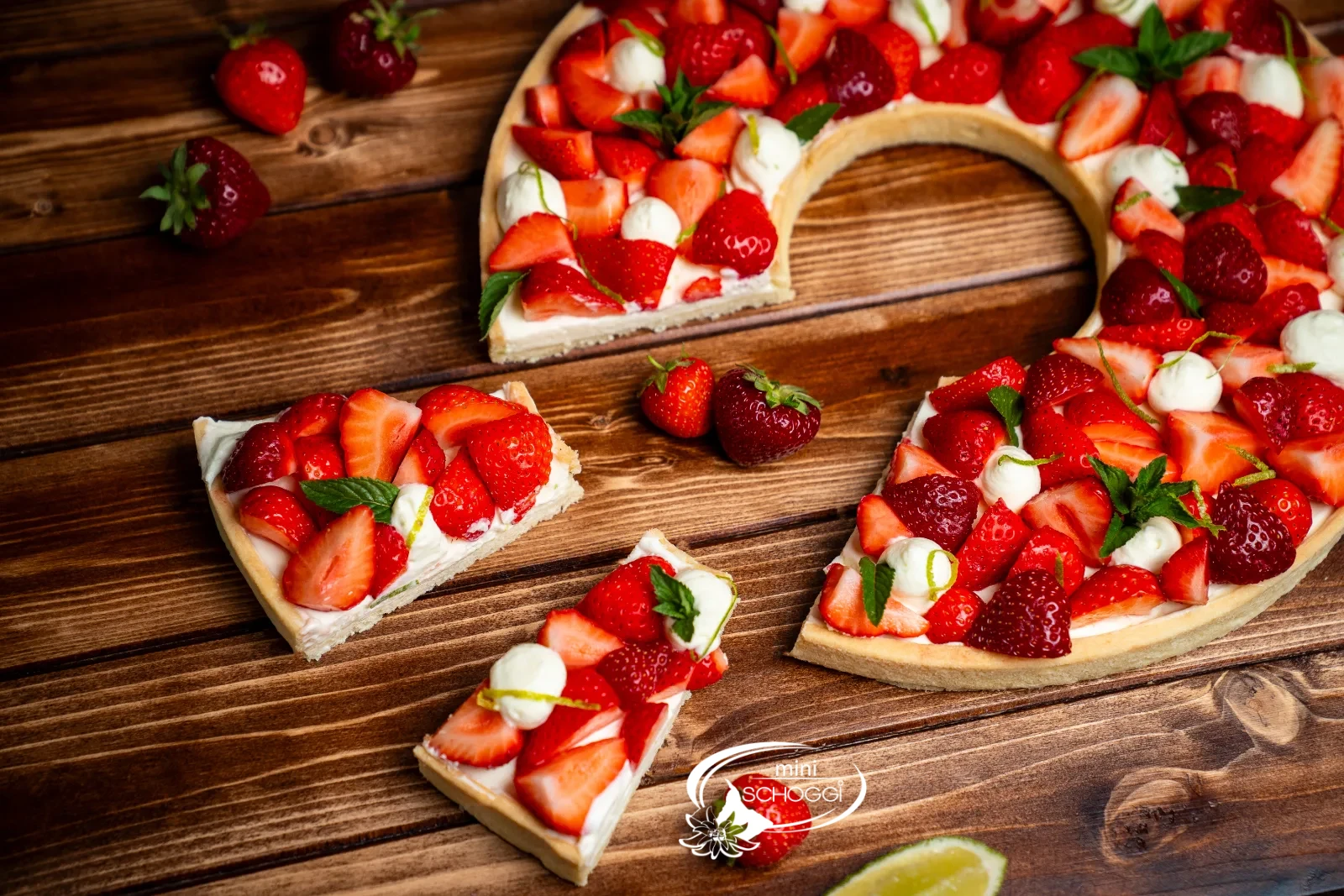
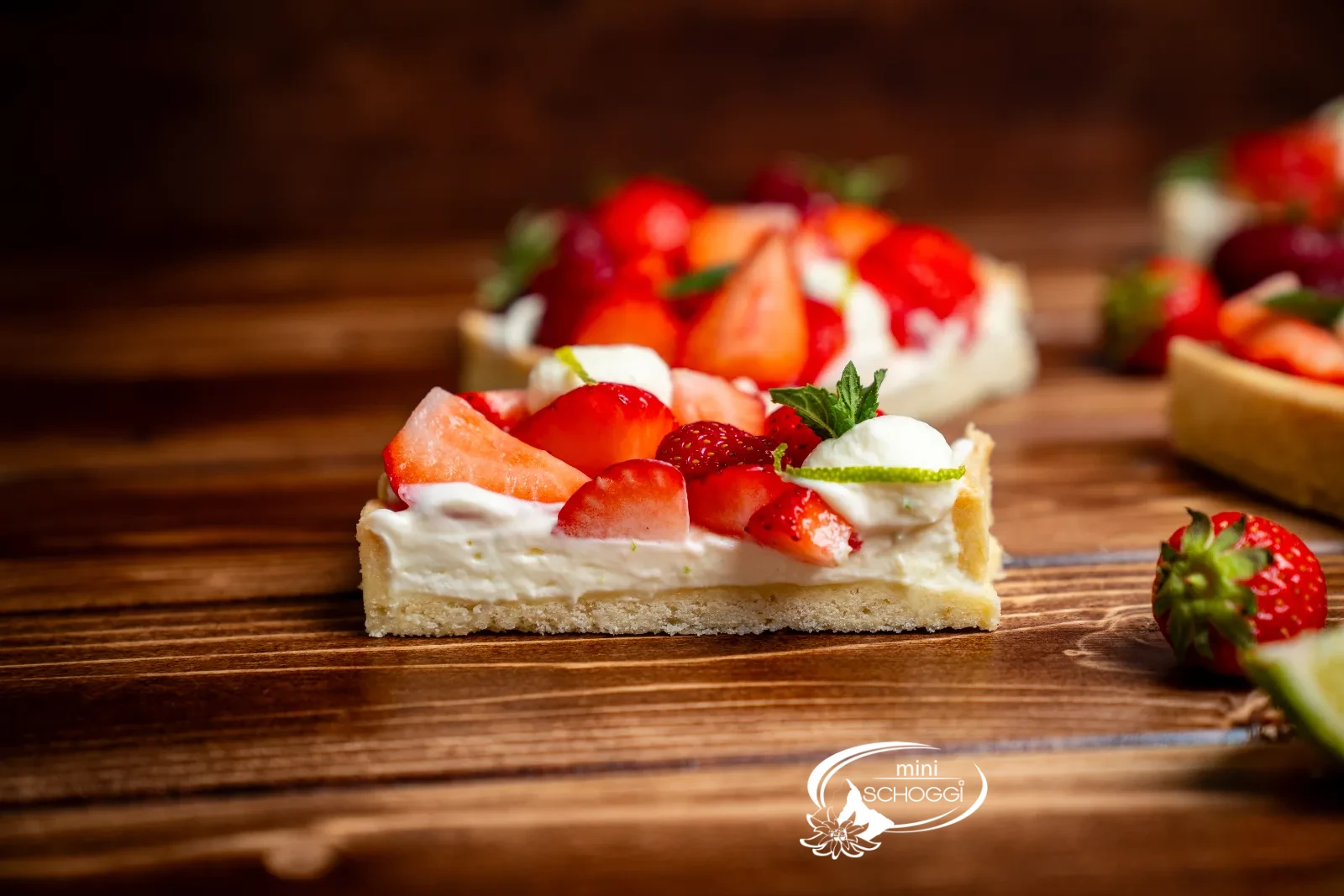
Looking for a dessert that tastes of summer yet comes together in no time? Then this quark tart is exactly what you need! The crisp shortcrust pastry base, the delicately creamy quark filling and the colourful fruit topping make it a real eye-catcher on any coffee table. The tart is elegant and yet refreshingly simple to make – just the kind of dessert you love to share over a coffee with friends or family. And the best part: the base and cream can be prepared in a relaxed way the day before, so on the big day all that's left is the decorating.
Ingredients
Quantity:
SHORTCRUST PASTRY
180 gButter
120 gGranulated sugar
2 pinchesSalt
40 gWhole egg (beaten)
300 gWhite flour
QUARK CREAM
2 leavesGelatine
15 gEgg yolk
45 gSugar
85 gLow-fat quark
230 gFull cream
gZest of ½ lime
DECORATION
To tastefresh seasonal fruit
To tasteLime zest and mint leaves
Step by step
If you're in a hurry: the compact recipe card further down sums it all up.
Shortcrust pastry
1
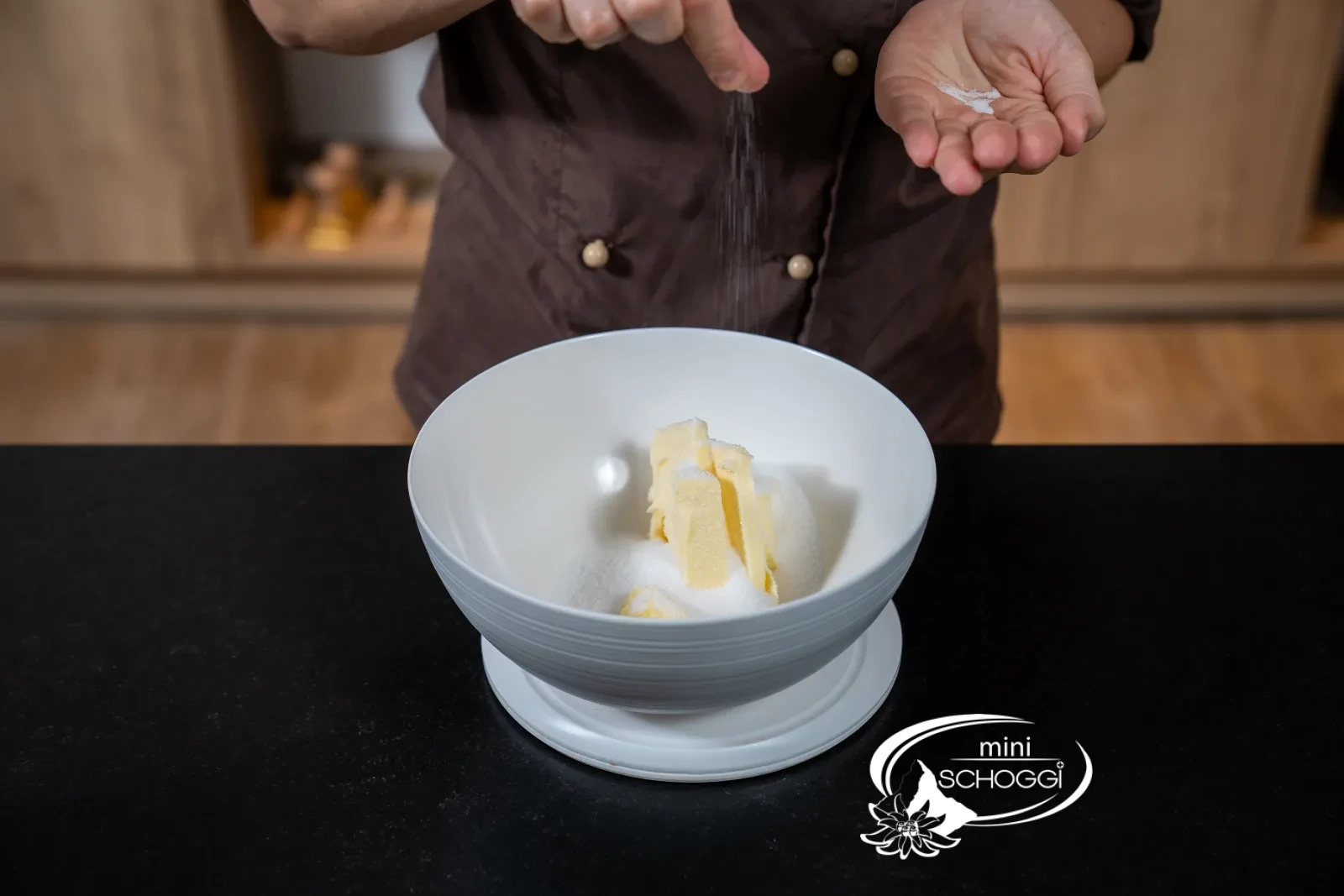
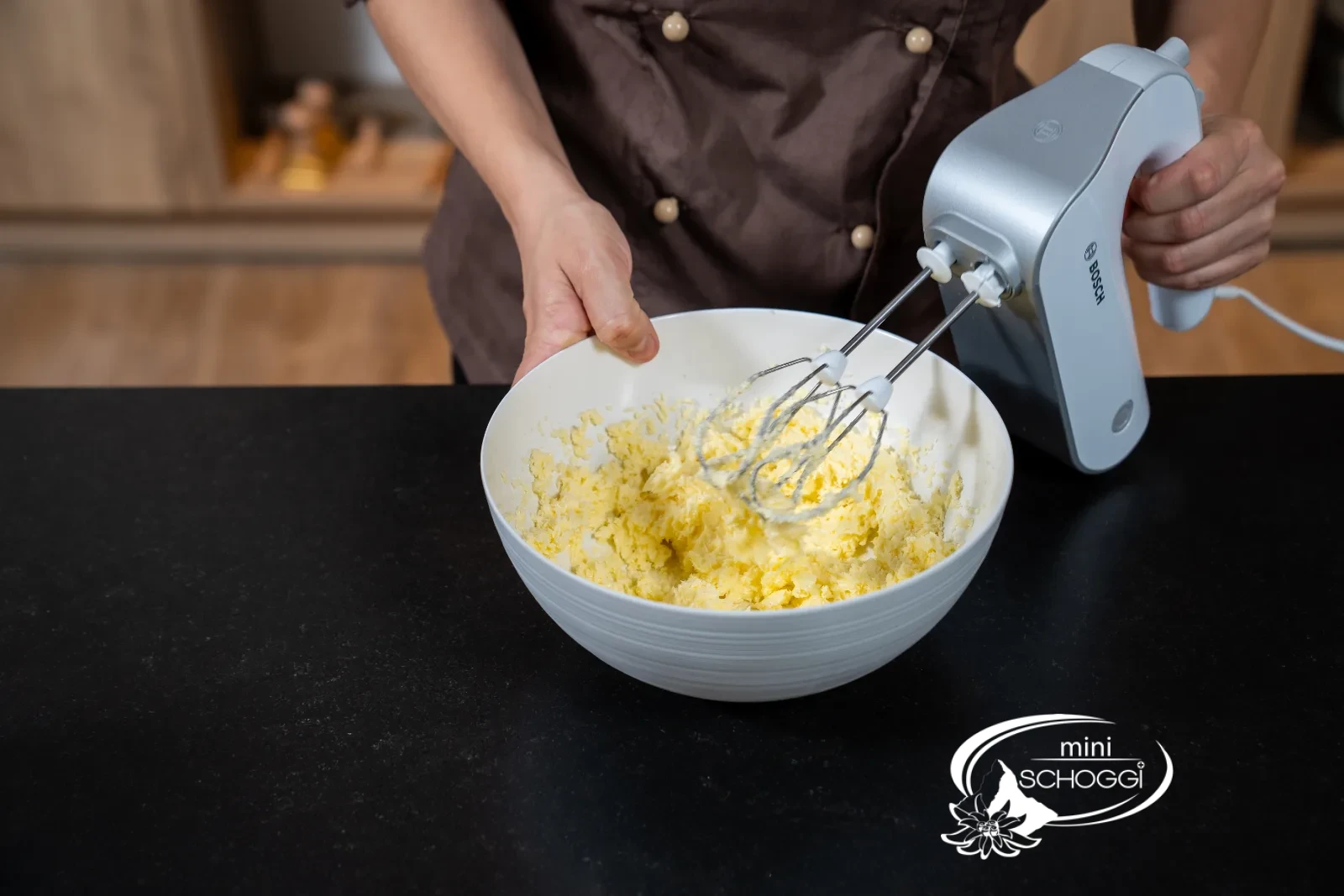
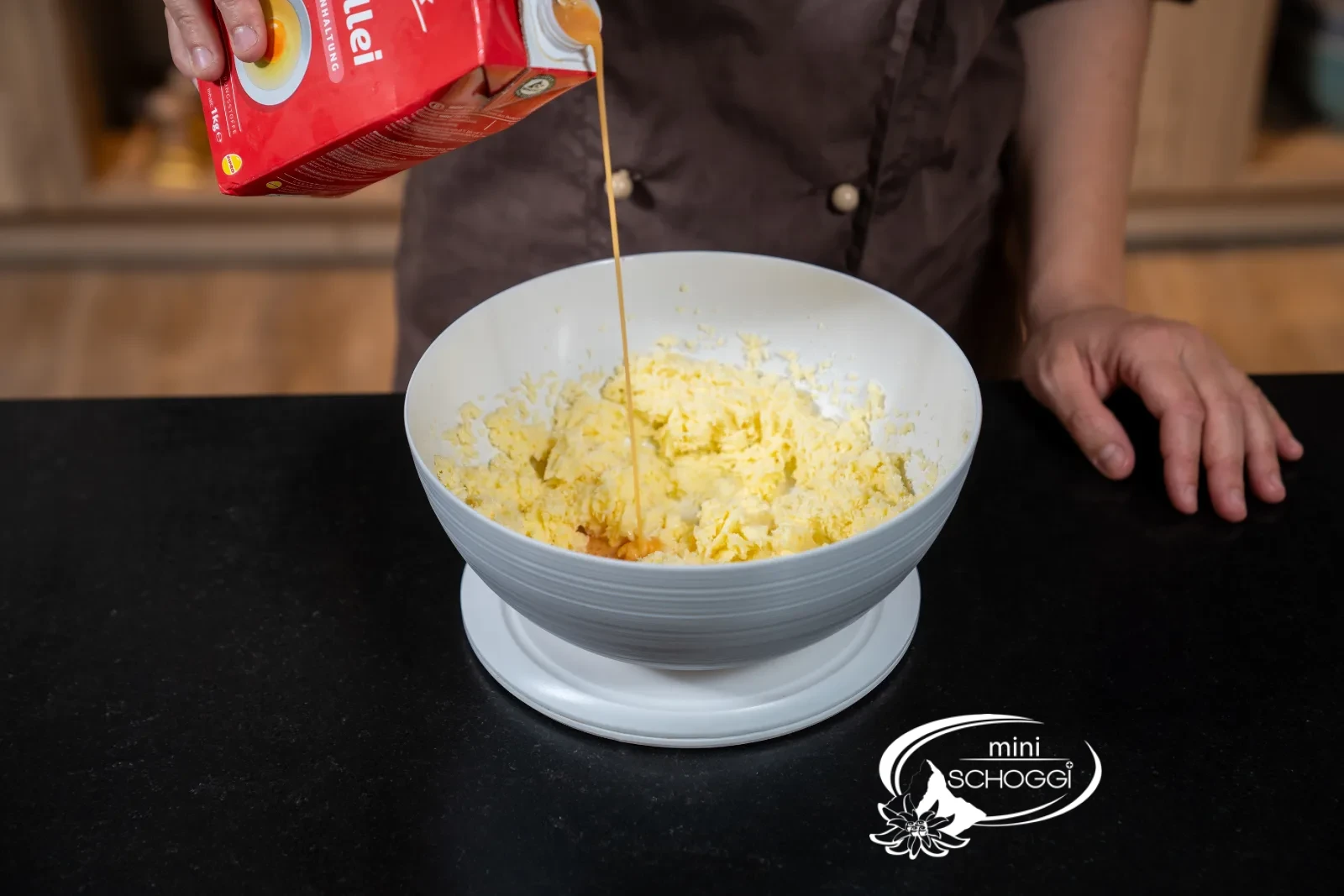
Beat butter, sugar and egg until fluffy
Beat the butter, sugar and salt until fluffy, until you have an airy, pale mixture. Add the whole egg little by little, working it in well each time.
2
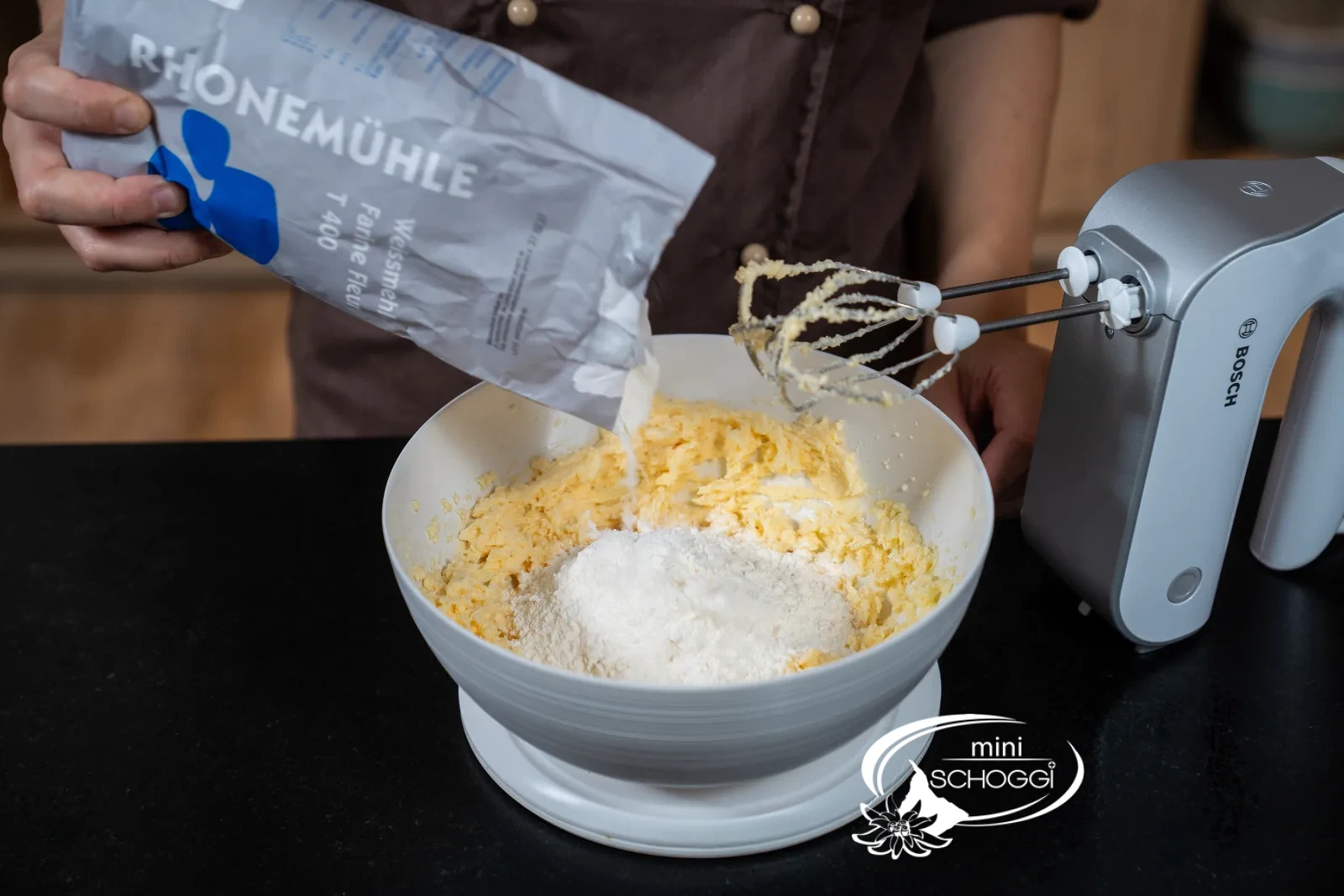
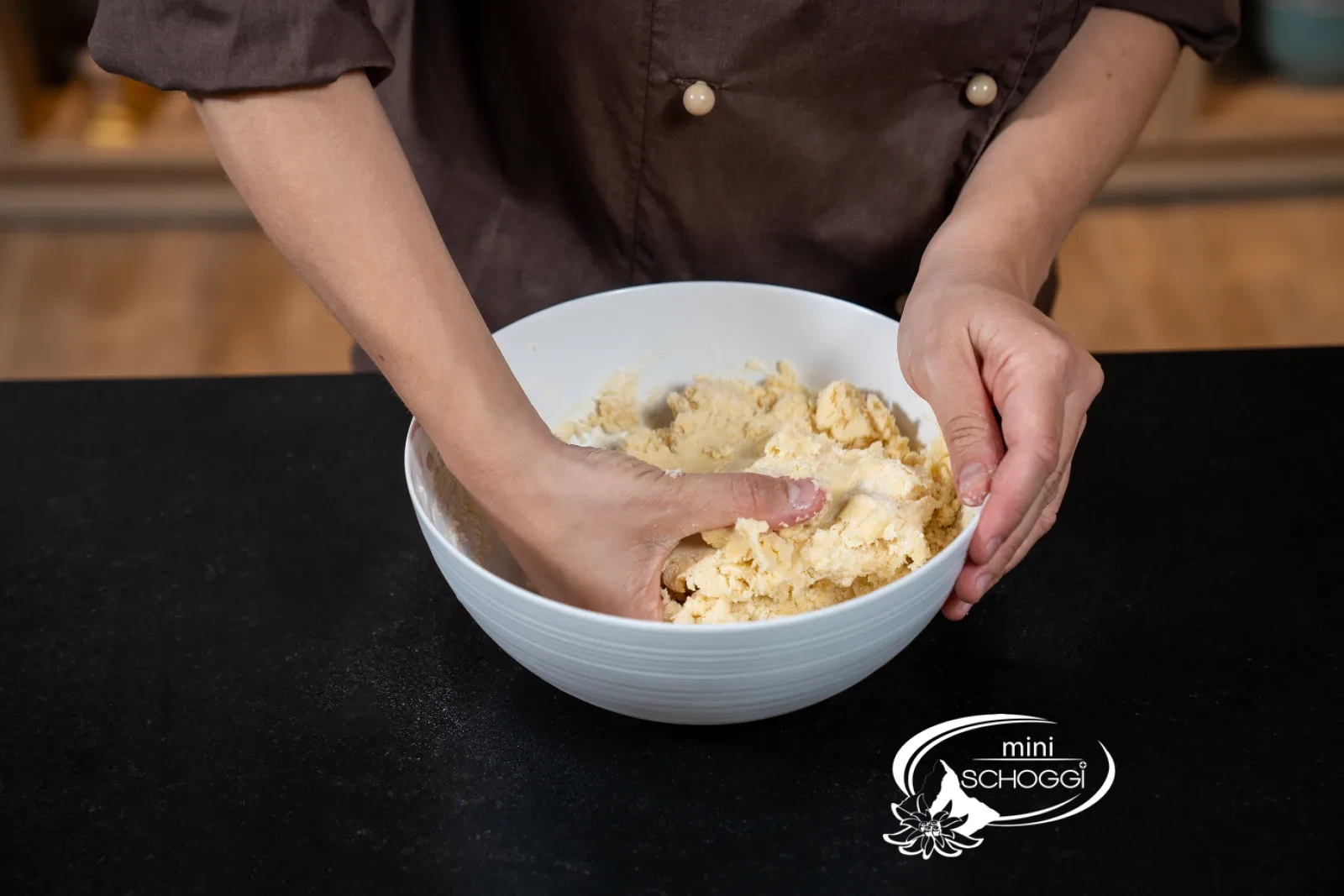
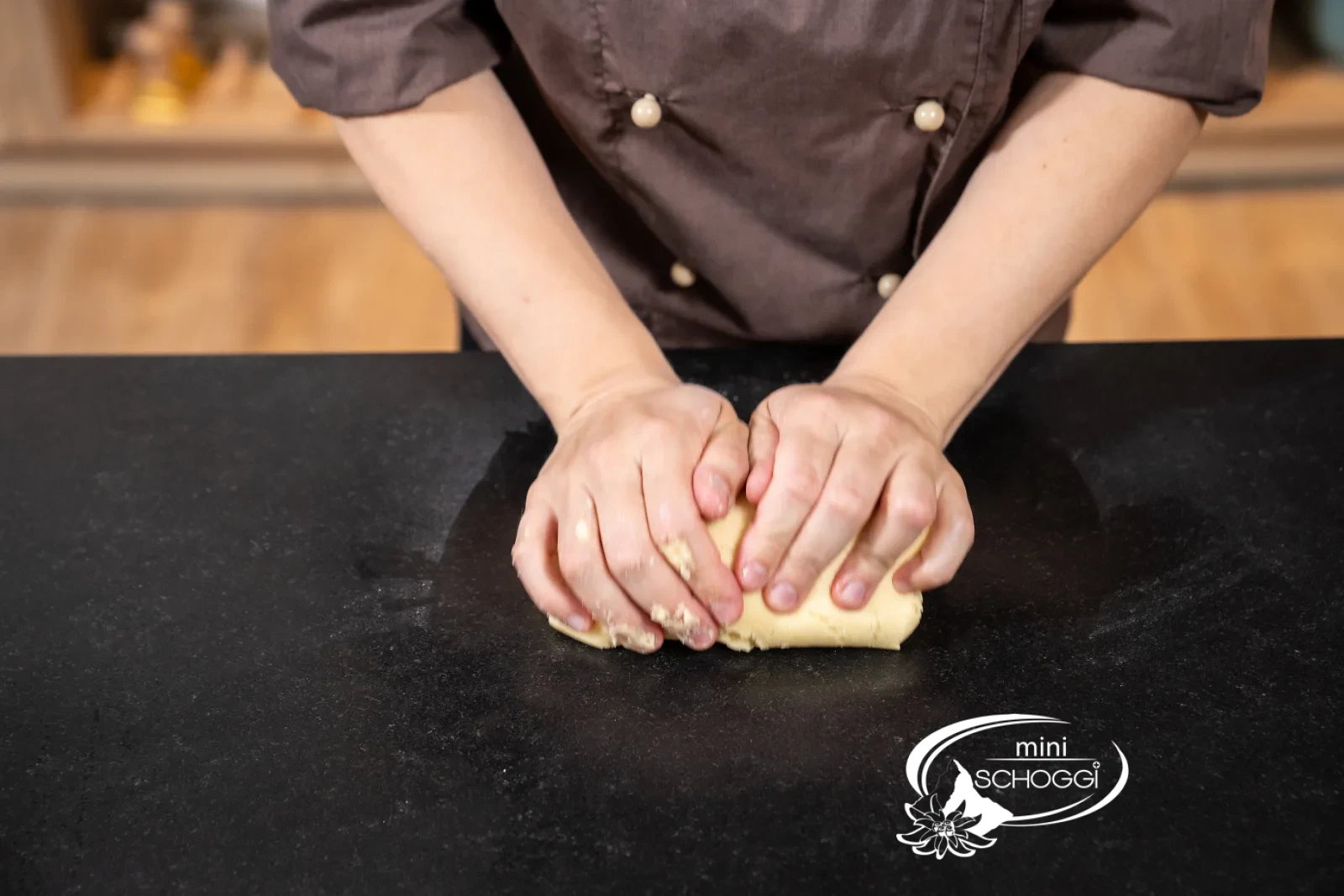
Fold in the flour and chill
Mix in the flour – stir only until the dough just comes together, so it stays nicely short and doesn't turn tough. Shape the dough into a ball, wrap it in cling film and chill it.
What you need for this

White flour, 1 kg
3
Roll out the base and grease the tart tin
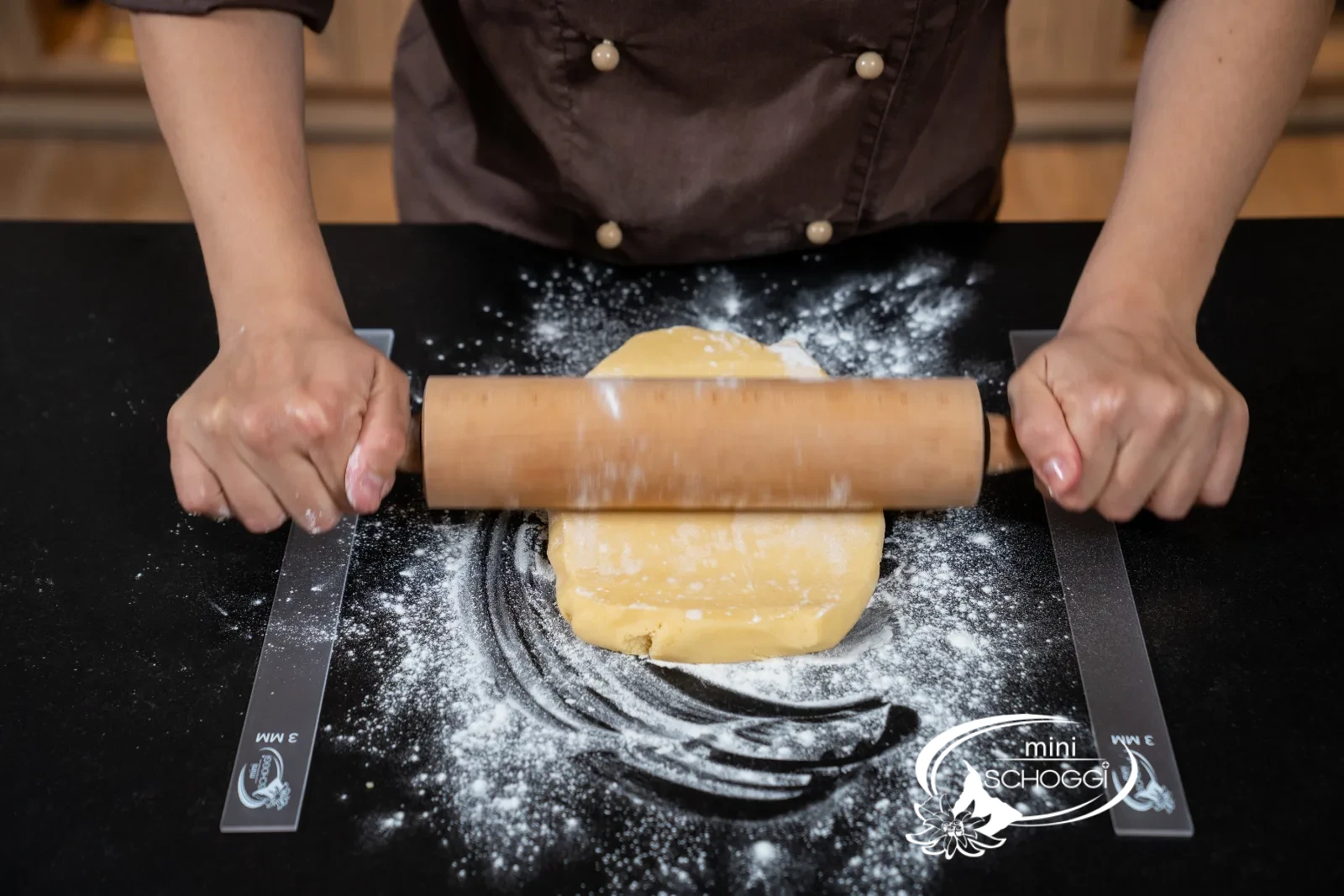
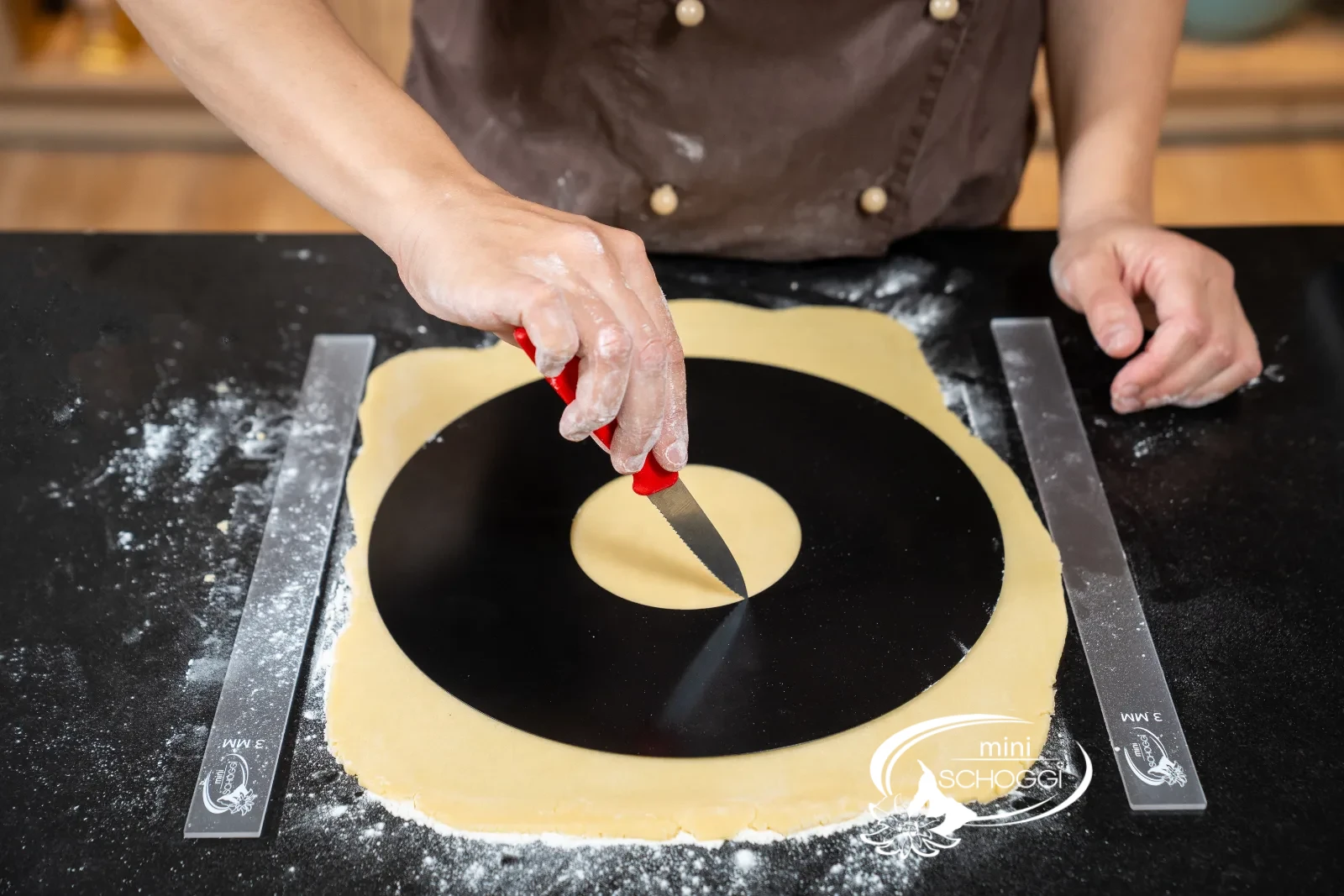
Roll out the chilled dough to about 3 mm thick.
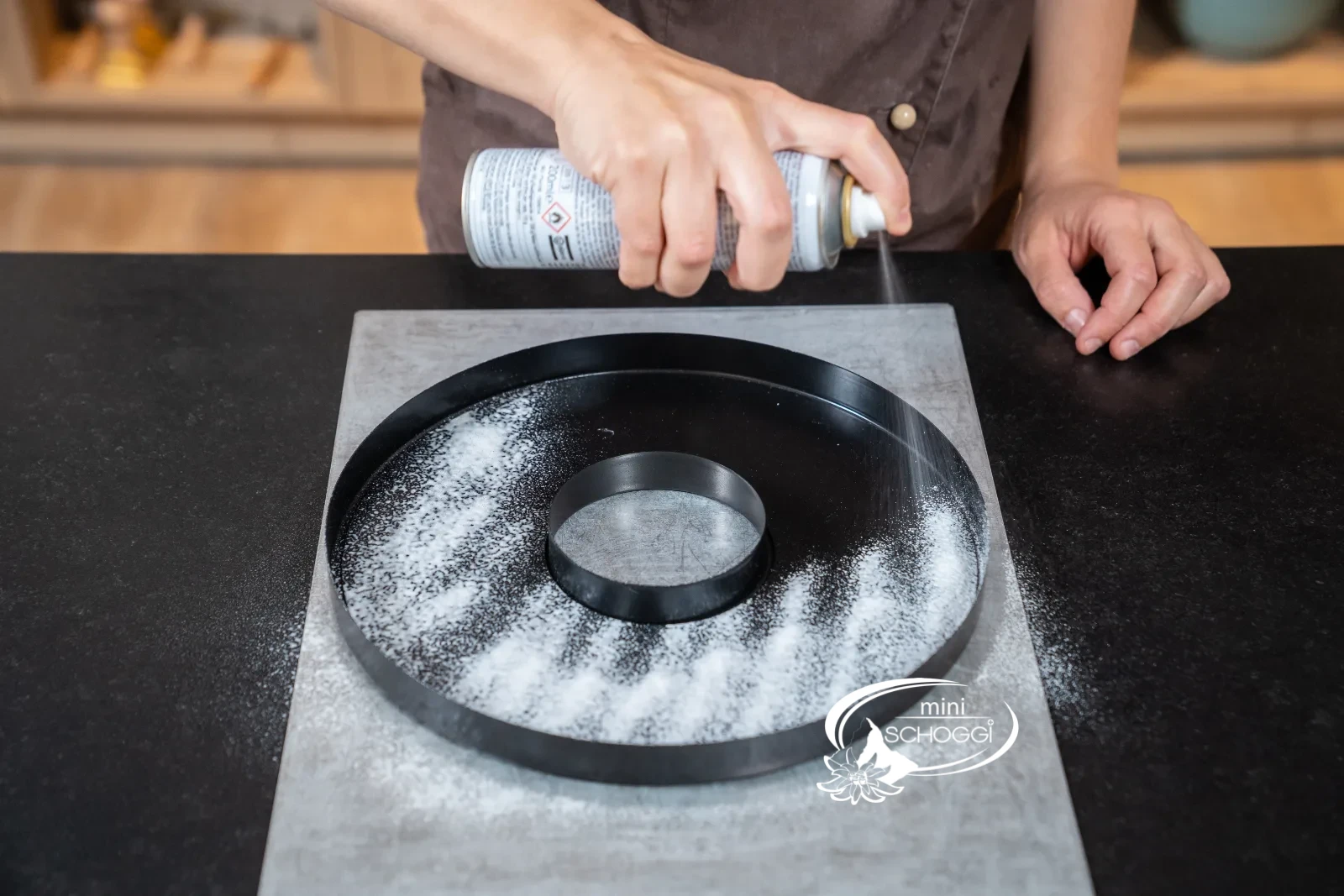
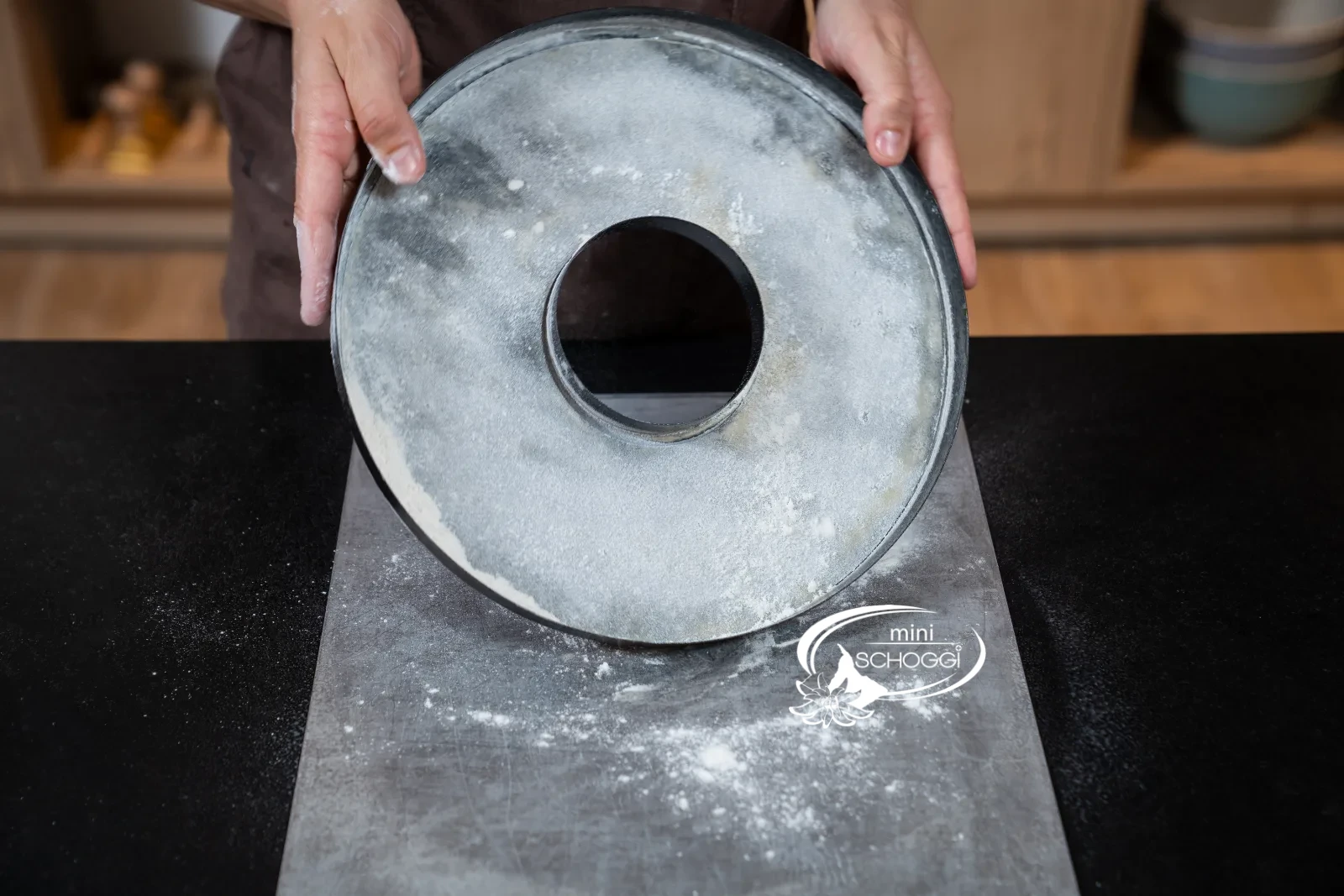
Grease the tart tin with a little non-stick spray and dust it lightly with flour.
What you need for this


White flour, 1 kg
Non-stick spray, 200 ml
Professional rolling pin set, 3 sizes
4
Line the tin with the base
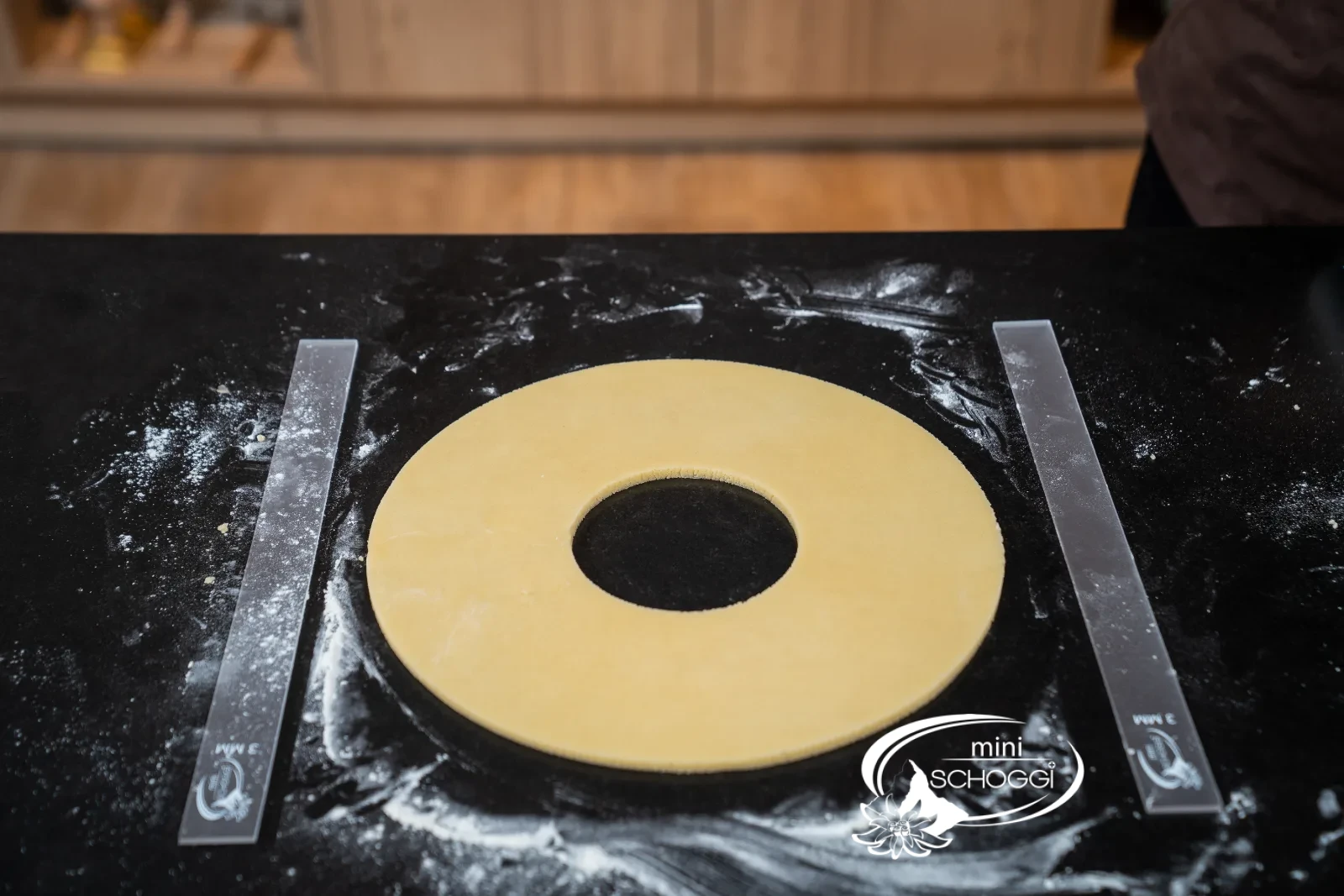
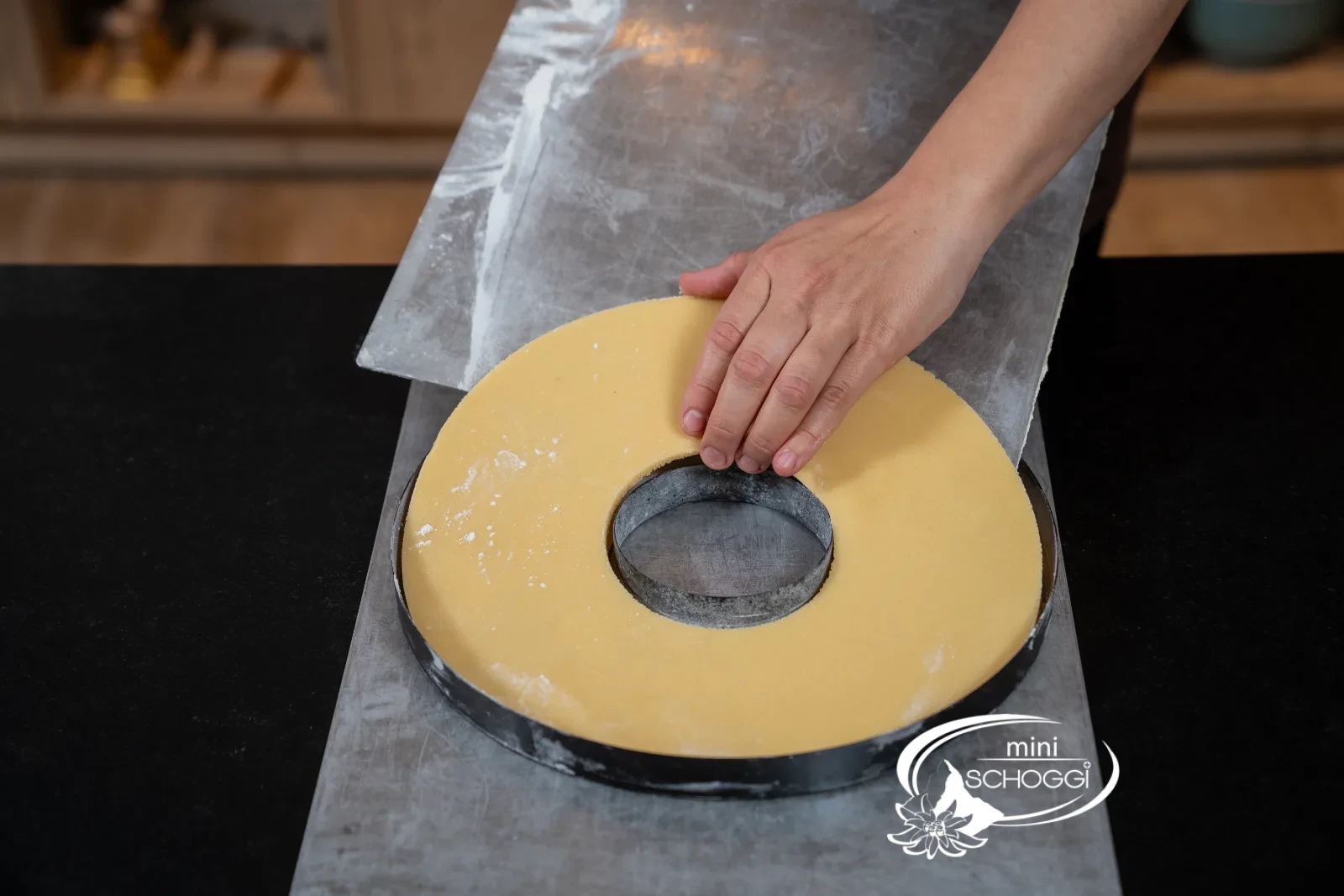
Lay the rolled-out dough into the tin. Take the base of the tart tin and press it lightly onto the dough to trace the perfect size – this gives you an exact fit.
What you need for this

Crown baking tin cake board, Ø 30 cm
Professional rolling pin set, 3 sizes
5
Trim the edge, prick and blind bake
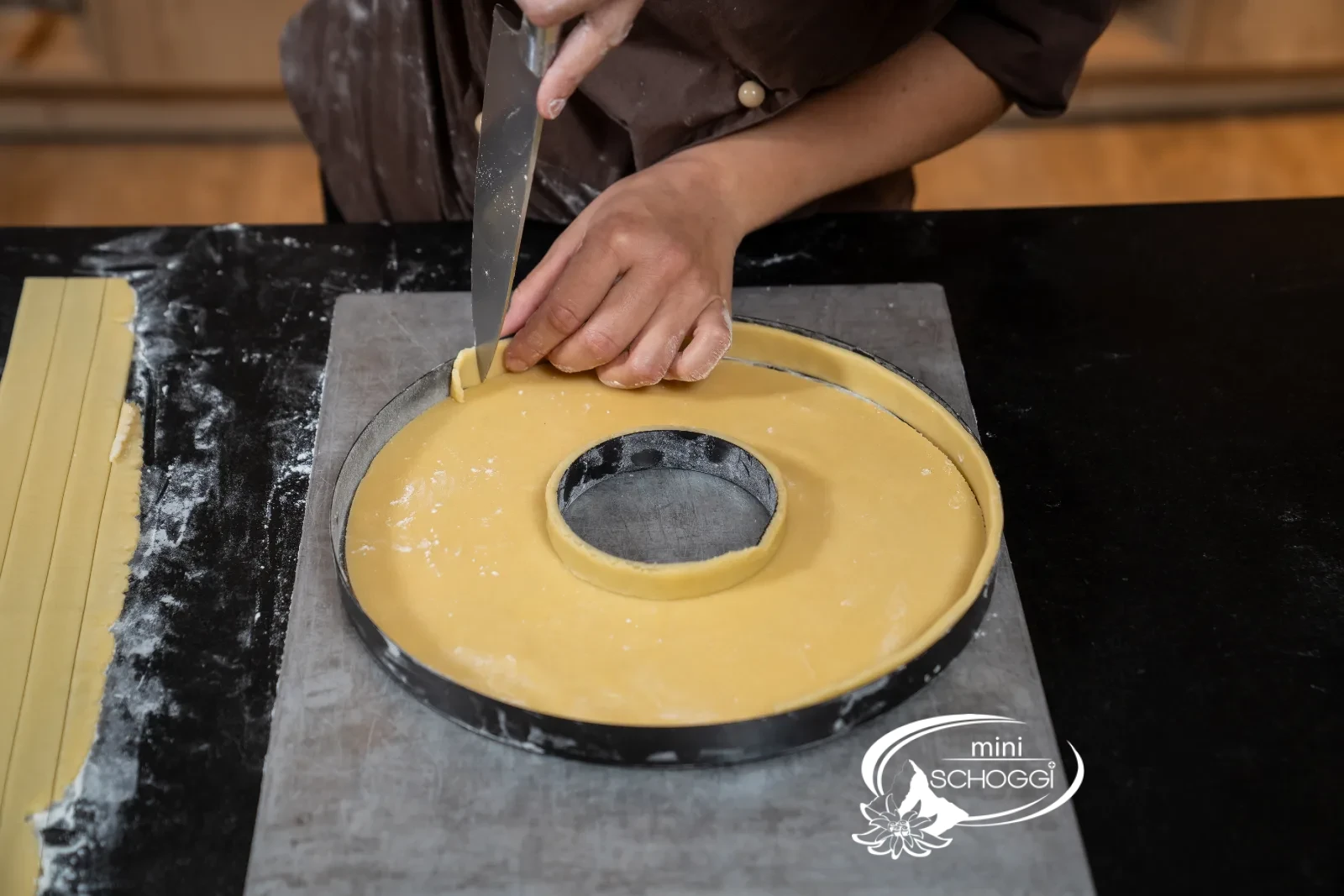
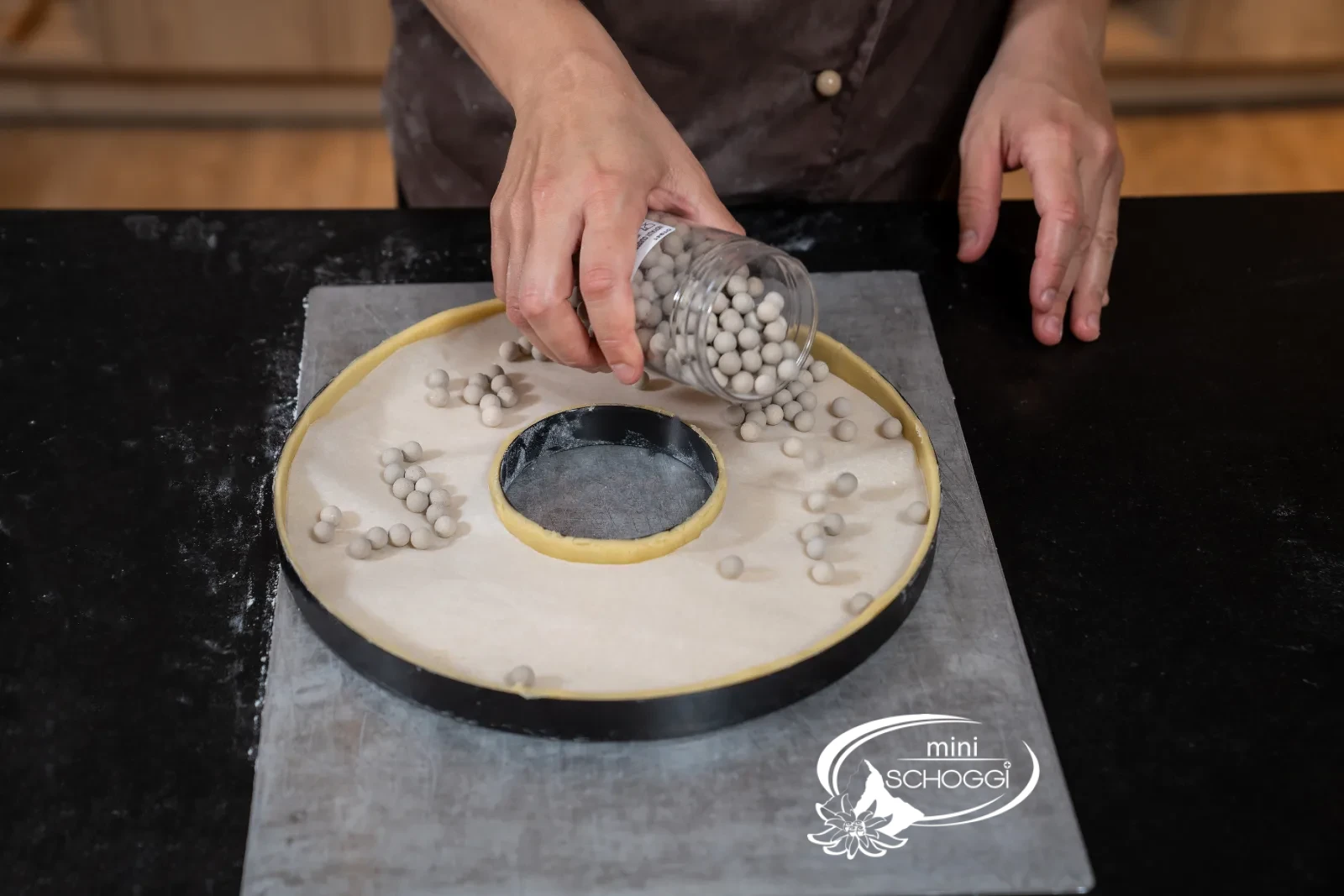
Trim the edge neatly to about 2 cm high with a pastry wheel and prick the base several times with a fork. Cut a piece of baking paper to fit and lay it on the base. Spread the baking beans over it – this stops the base from bulging up during baking.
Preheat the oven to 170 °C fan. Bake the base for 10 minutes with the beans, then remove the paper and beans and bake for a further 10 minutes, until the base is nicely golden brown.
What you need for this


Baking beans, 600 g
Baking paper 42 x 33 cm, 25 sheets
Crown baking tin cake board, Ø 30 cm
Quark cream
1
Soak the gelatine and whisk the egg yolk
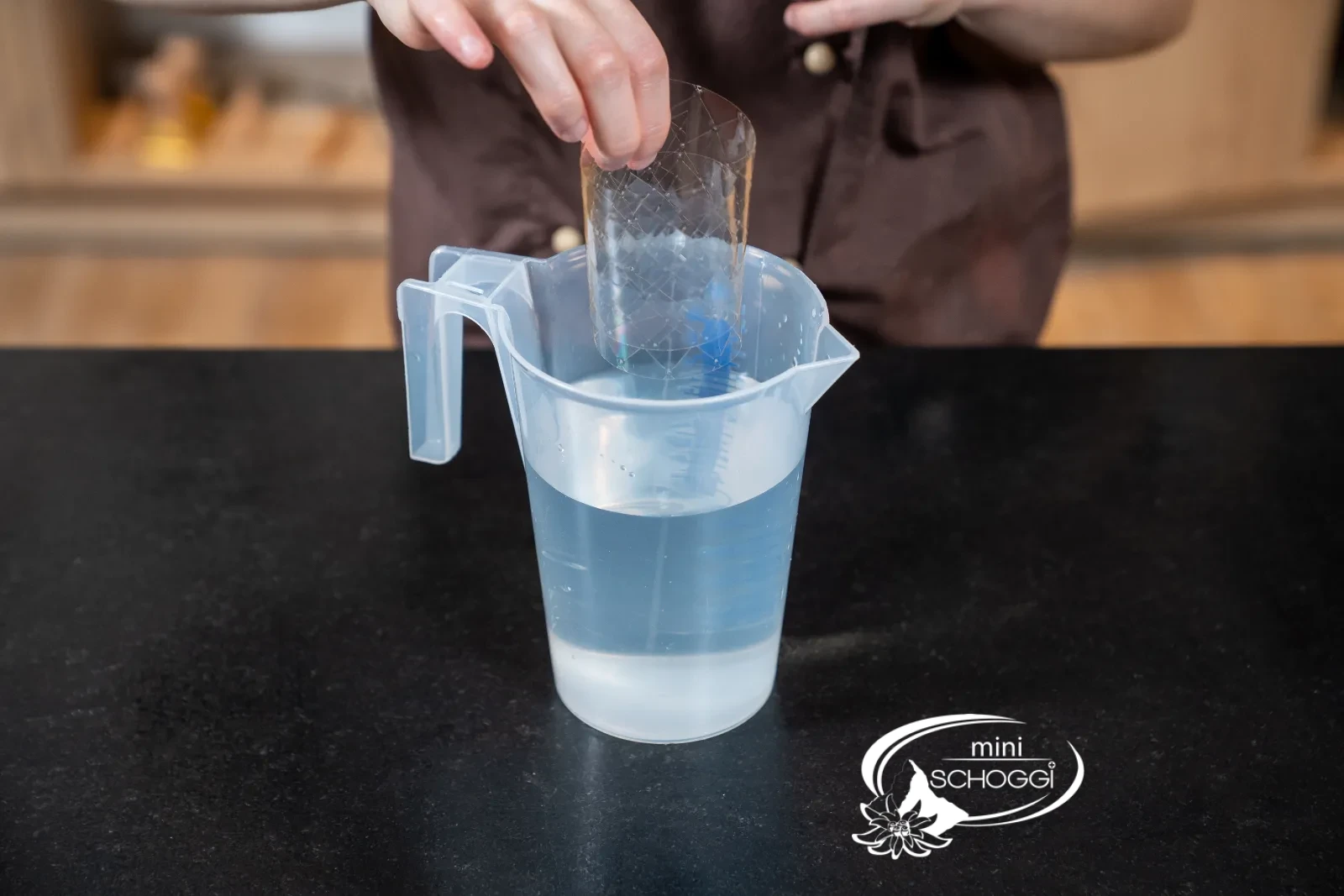
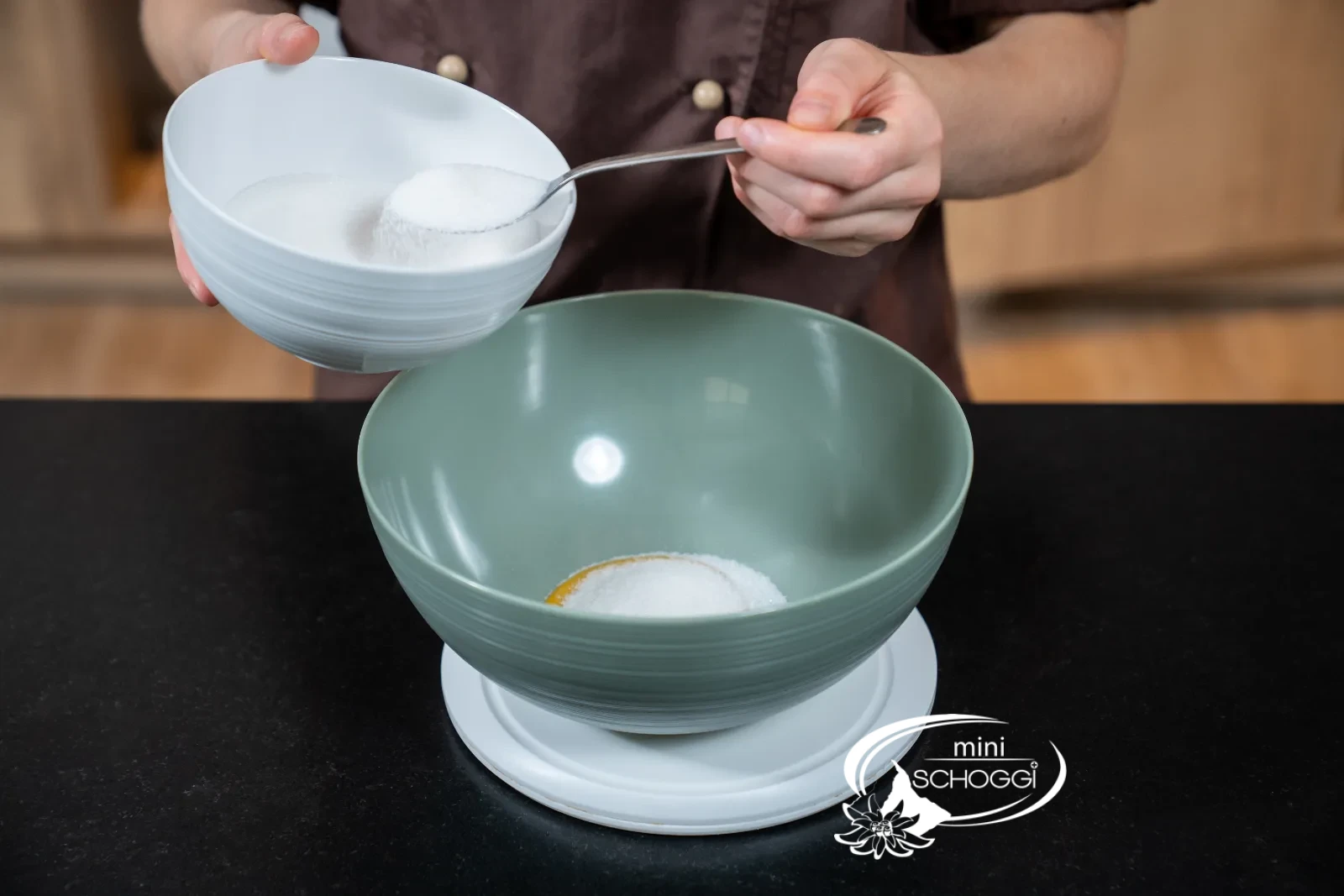
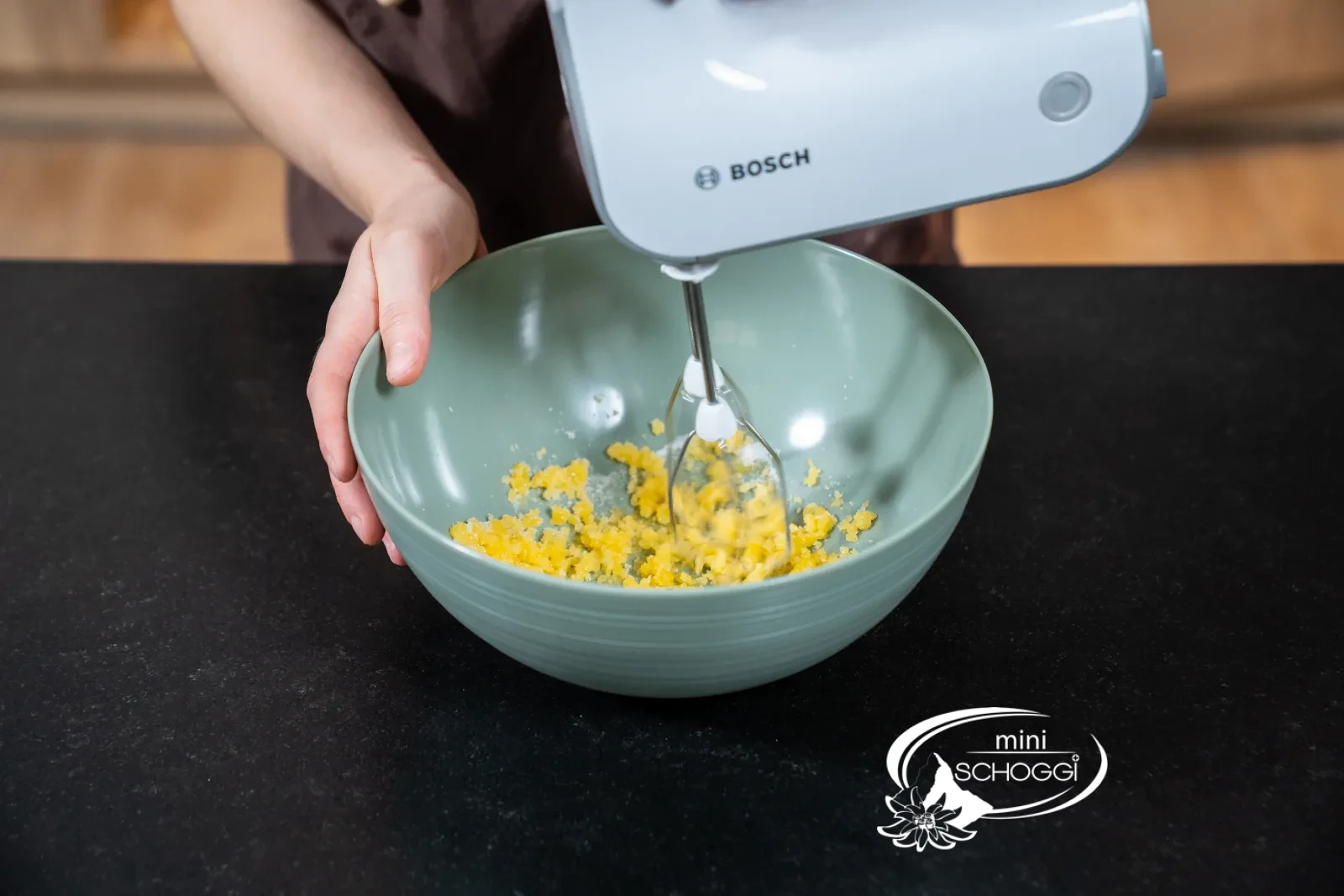
Soak the gelatine leaves for a few minutes in cold water until soft. Meanwhile, whisk the egg yolk and sugar until fluffy, until the mixture becomes paler and airy.
What you need for this

Professional leaf gelatine, 150 pieces
2
Stir in the quark and melt the gelatine
Stir the low-fat quark into the egg mixture until you have a smooth cream. Squeeze the soaked gelatine well and then melt it over low heat. Also zest the half lime right away and add the zest to the quark mixture.
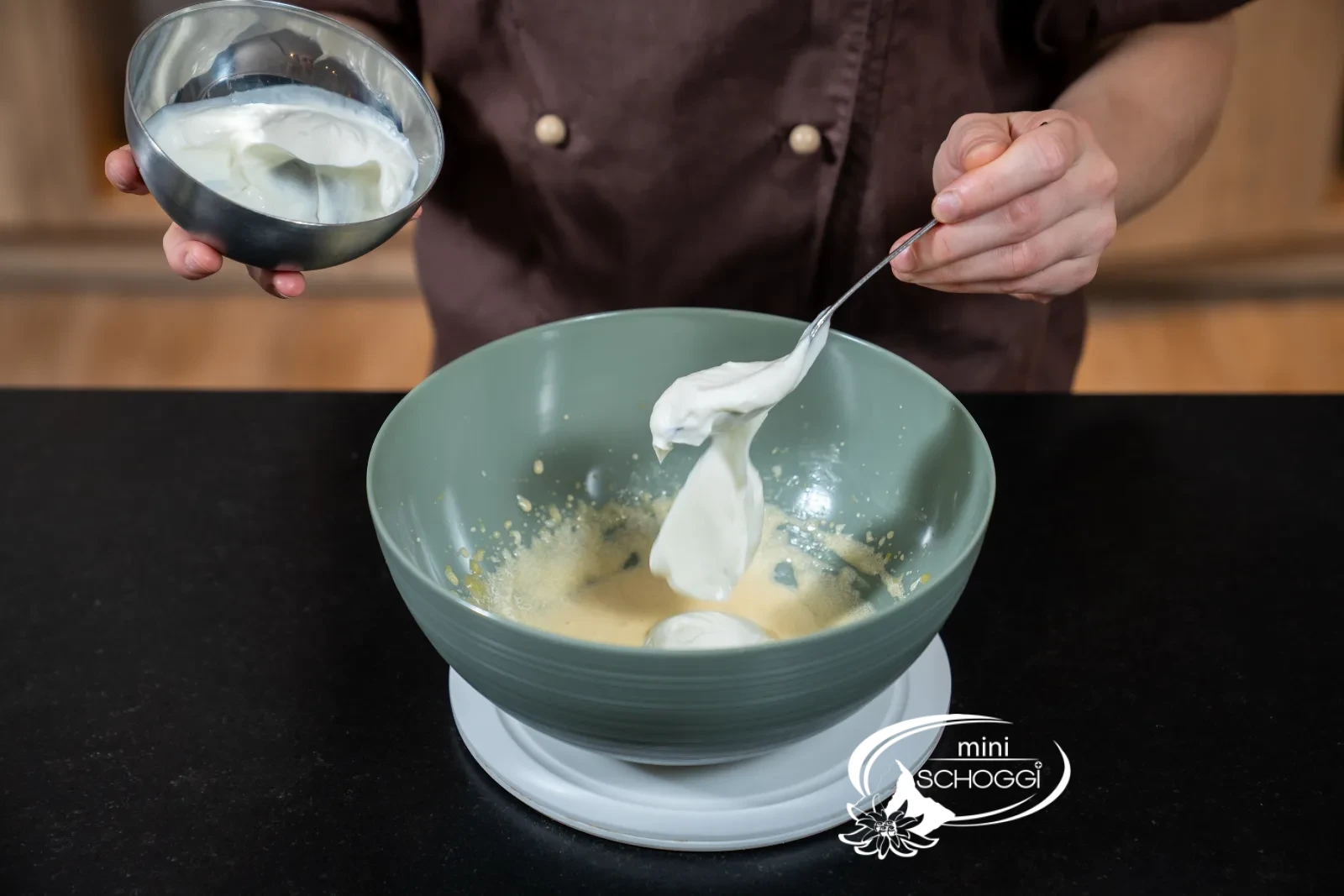
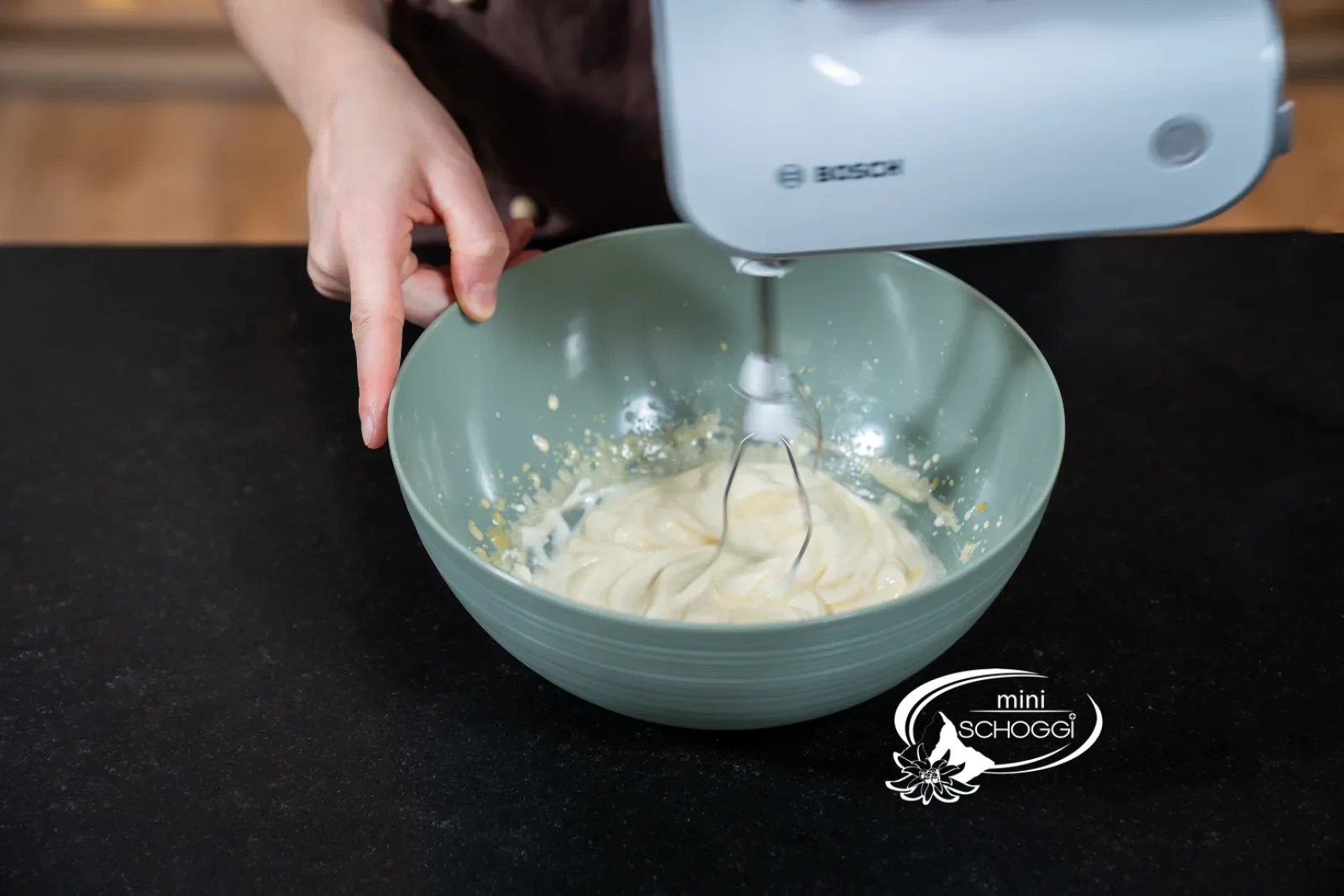
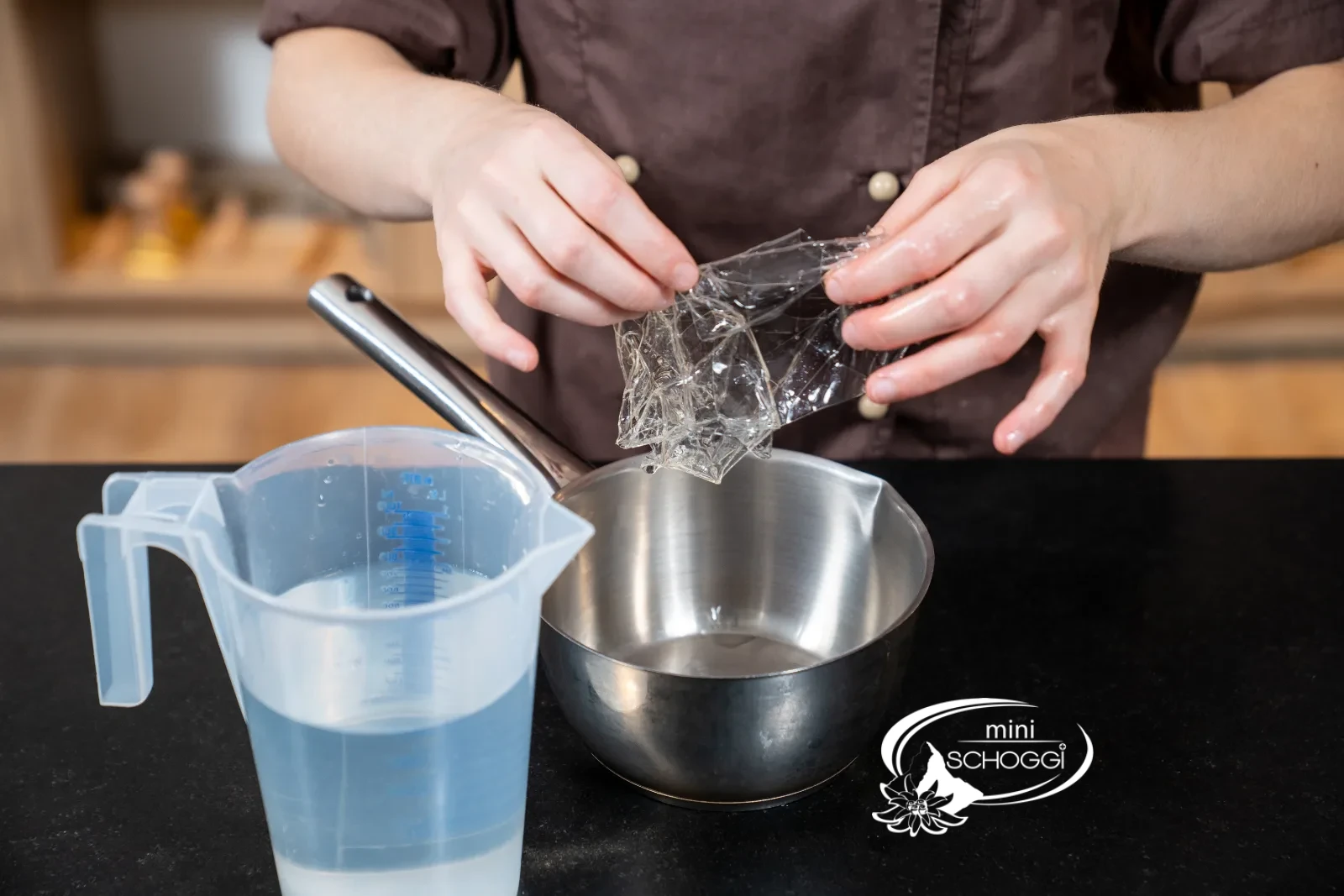
What you need for this
Professional leaf gelatine, 150 pieces
3
Temper the gelatine and fold in the cream
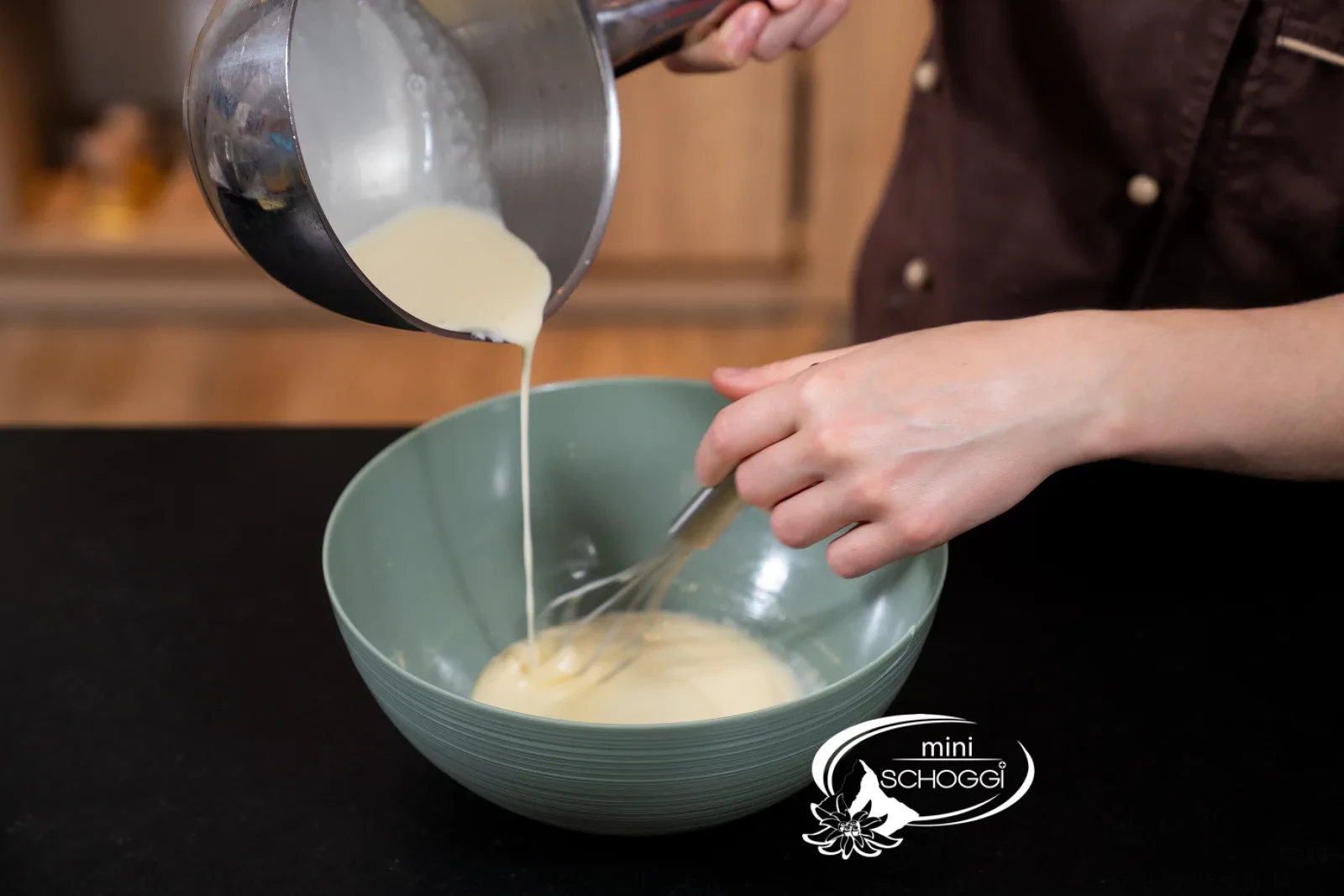
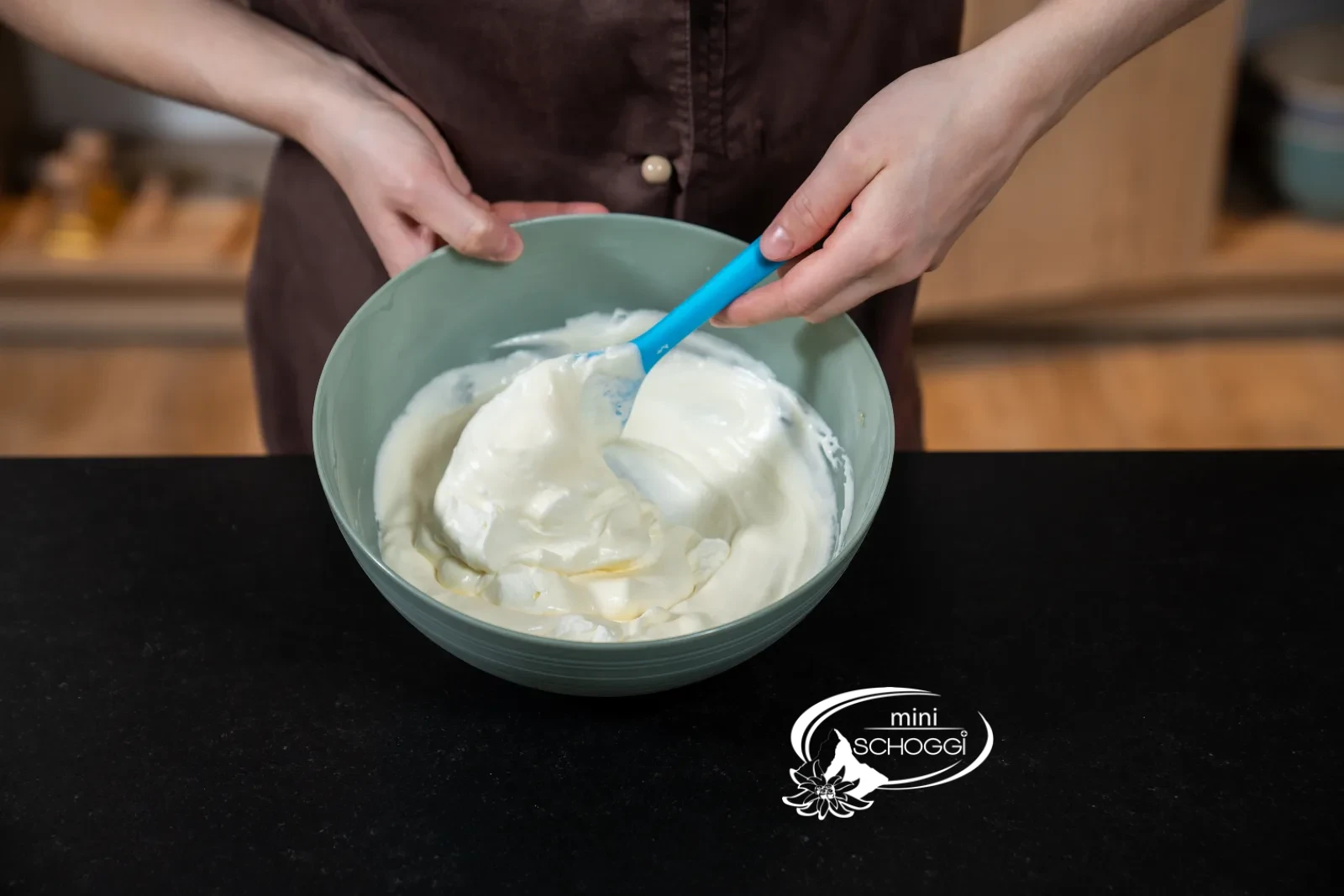
First add a spoonful of the quark mixture to the melted gelatine and stir the two together – this evens out the temperatures and prevents lumps. Then quickly and carefully stir the tempered gelatine into the rest of the mixture. Whip the full cream until stiff and gently fold it into the quark mixture so the cream stays nice and airy.
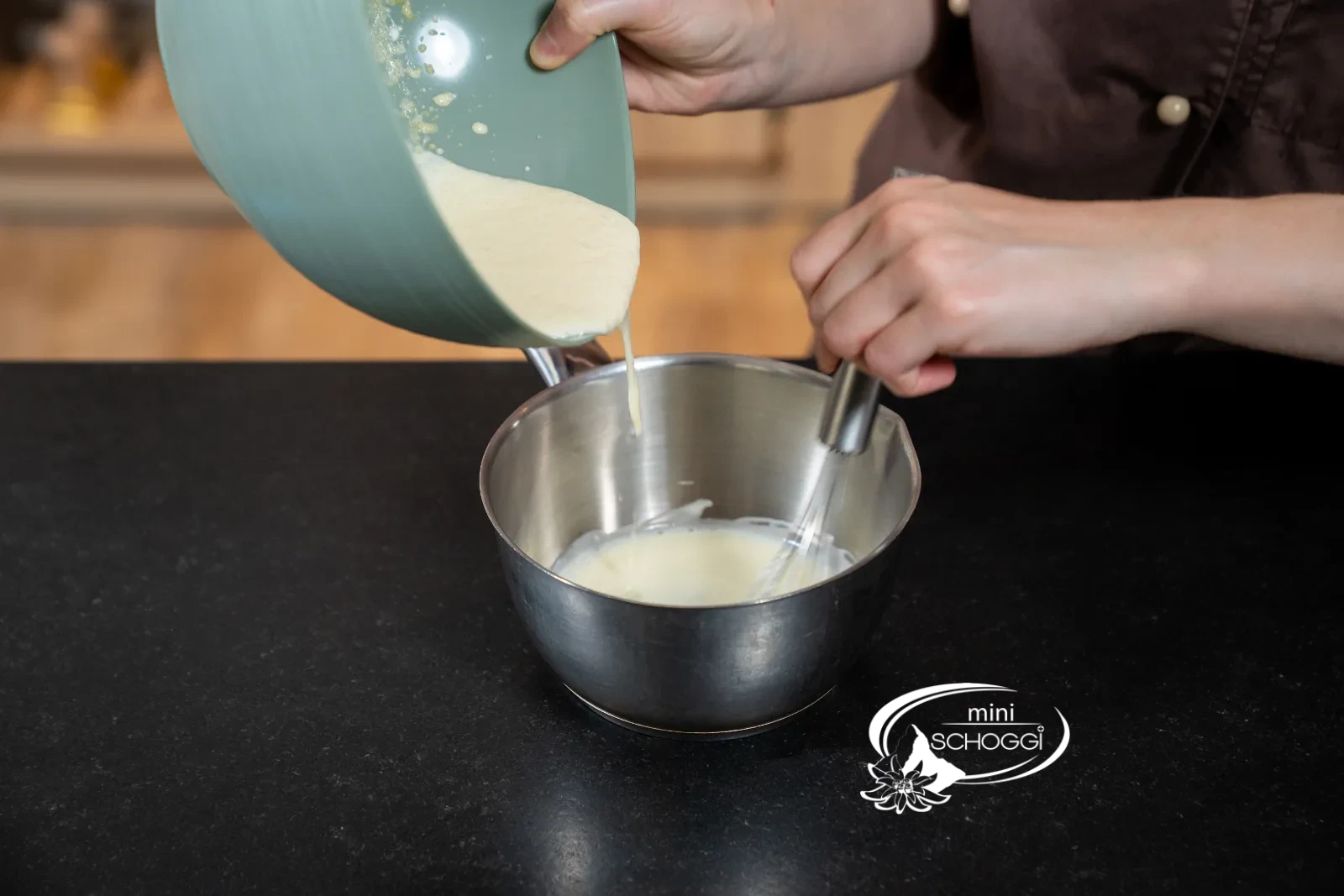
Finishing
1
Seal the base, fill and decorate
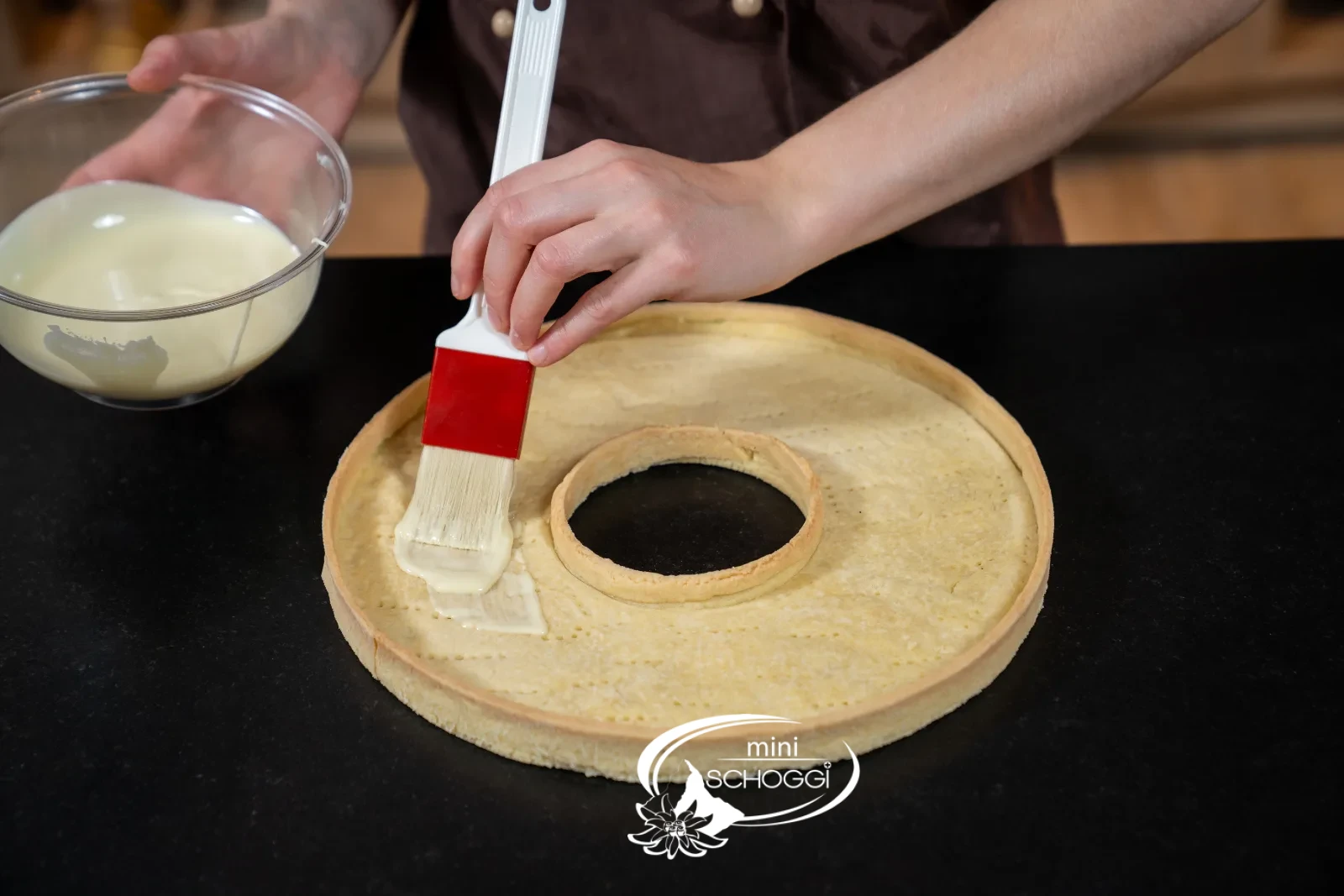
Once the tart base has cooled completely, warm the White couverture to about 40 °C and brush it thinly onto the base with a brush – this layer protects the pastry from the moisture of the cream.
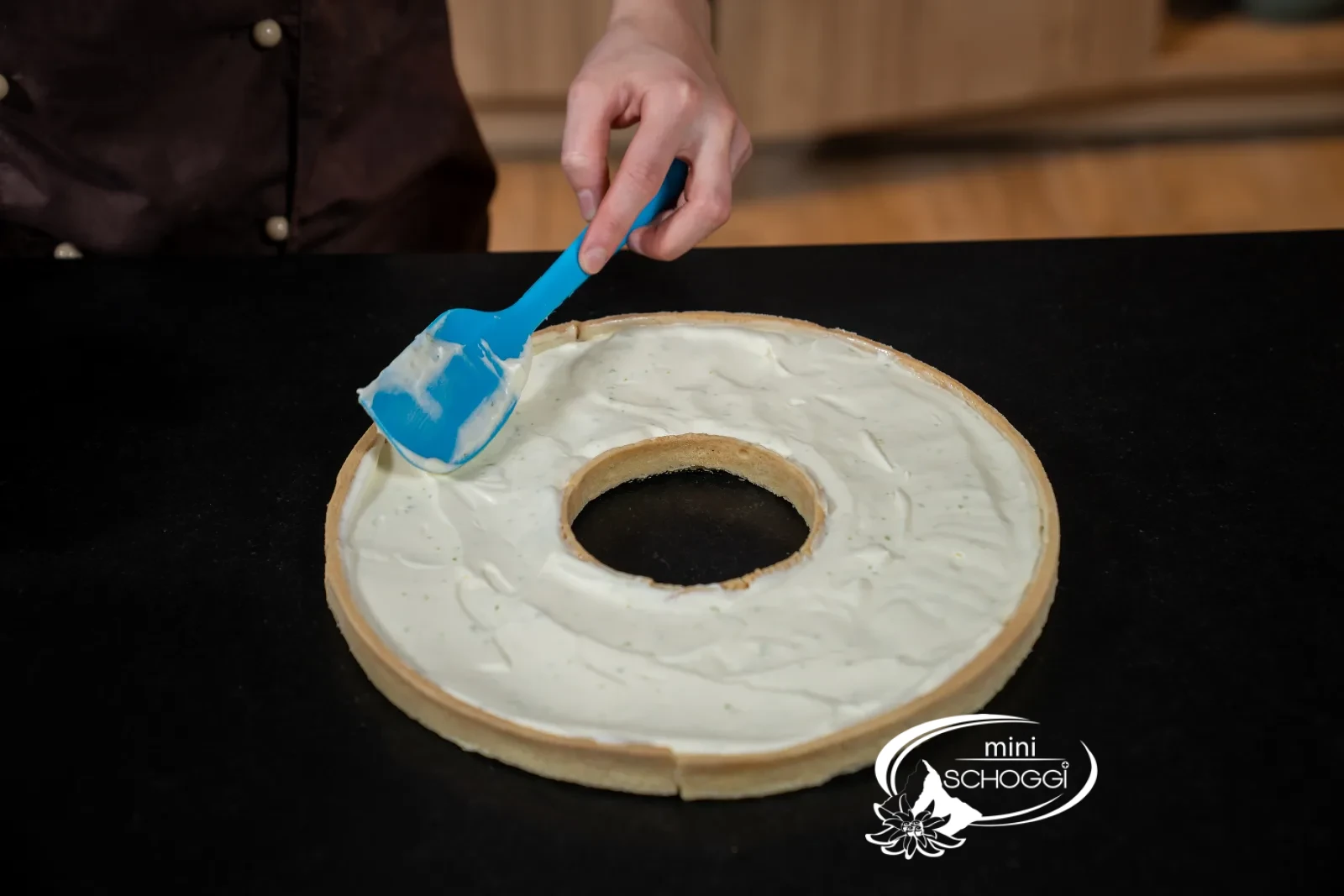
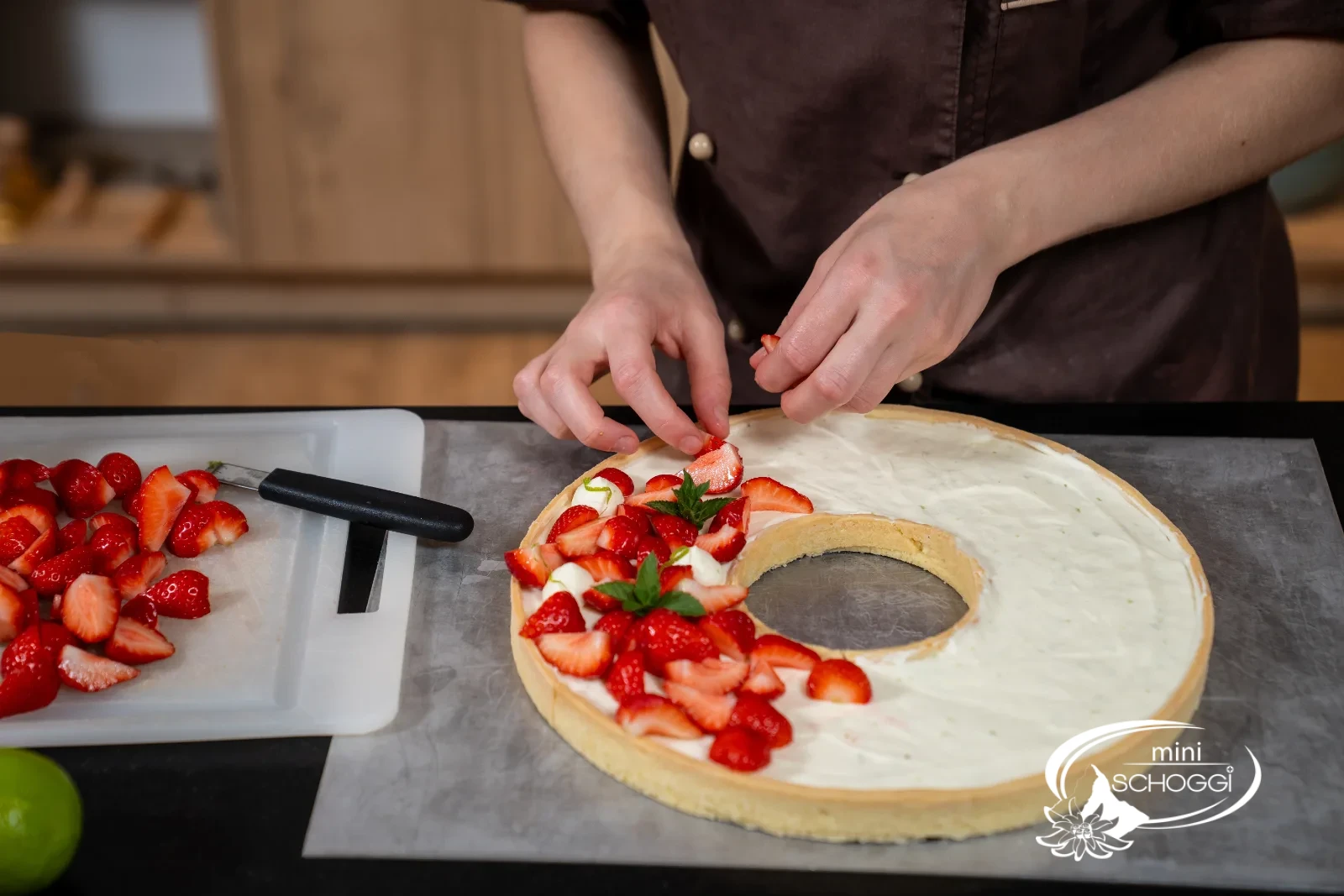
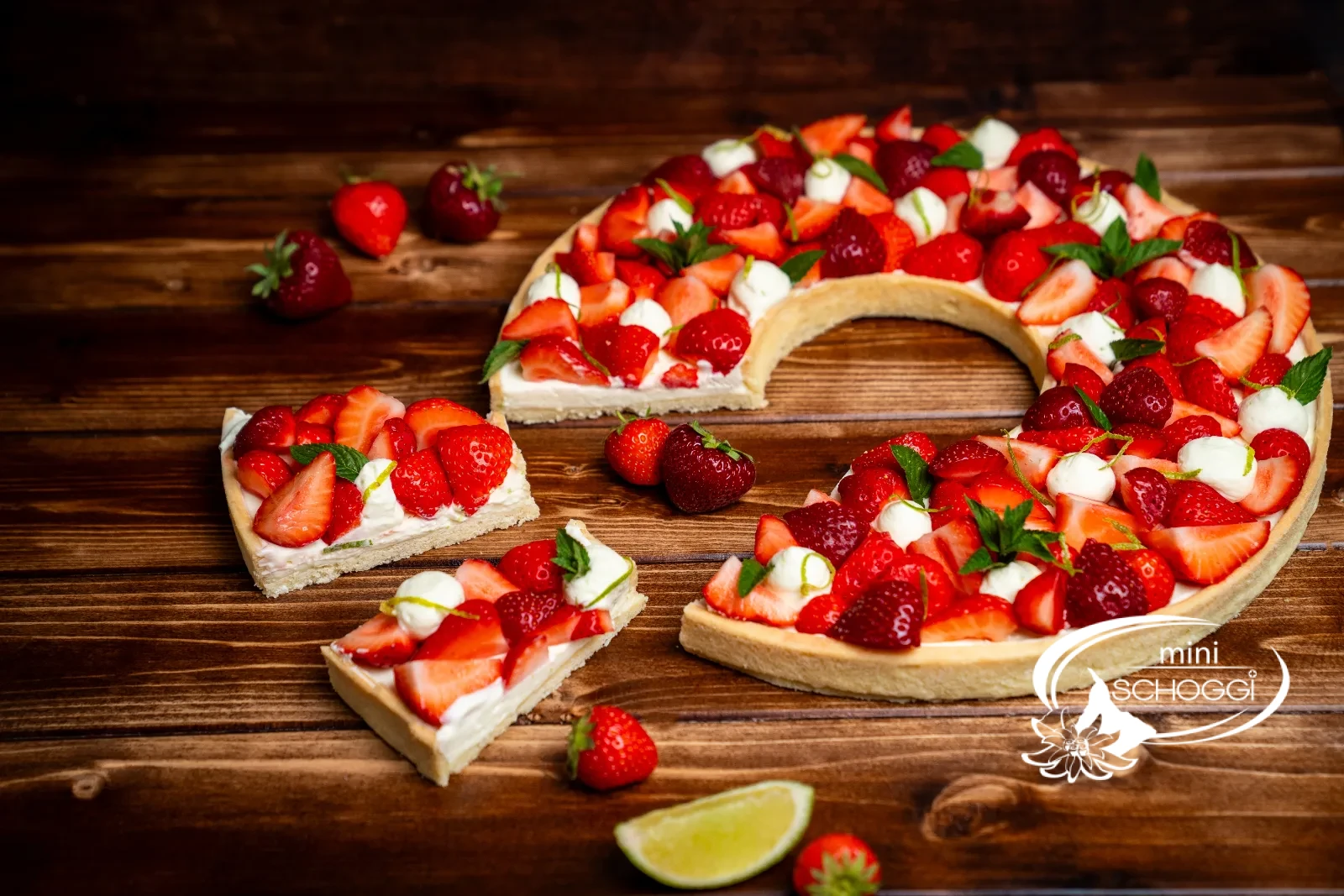
Spread the finished quark cream onto the sealed base and smooth it out. Fill the remaining cream into a piping bag with a round piping nozzle (approx. 18 mm) and pipe small cream swirls onto the surface. Now place the tart in the fridge for about 3 hours so the cream sets nicely. Decorate it with fresh fruit, a little lime zest and a few mint leaves only just before serving.
What you need for this


Felchlin Couverture Edelweiss 36 % 0.5 kg
Round piping nozzle 18 mm
Disposable piping bags 41 cm, 24 pieces
Compact · printable
Quark Tart with Fresh Fruit and Lime
Ingredients
Quantity:
SHORTCRUST PASTRY
QUARK CREAM
DECORATION
Preparation
- Shortcrust pastry: Beat butter, sugar and salt until fluffy, work in the egg, fold in the flour only briefly, chill.
- Base: Roll out 3 mm thin, lay into the greased tin, prick, trim the edge to 2 cm.
- Blind bake: 10 min. with baking beans, 10 min. without — at 170 °C fan.
- Quark cream: Whisk egg yolk with sugar until fluffy, stir in quark and lime zest, temper the gelatine, fold in the cream.
- Seal: Brush the cooled base thinly with melted White couverture.
- Fill: Spread the cream, pipe swirls, chill for about 3 hrs.
- Decorate: Just before serving, garnish with fruit, lime zest and mint.
Nutritional values per 100 g
393kcal
23.6 gFat
39.9 gCarbohydrates
5.3 gProtein
Storage & shelf life
The tart keeps well, tightly covered in the fridge, for up to 2–3 days. However, it tastes best on the day it is made or decorated, as the fresh fruit releases moisture over time. Tip: you can easily prepare the base and cream a day in advance and finish the tart only just before serving.
Everything for this recipe
Recommended from our bakery — exactly the sizes the recipe was tested with.
Ingredients
White flour, 1 kg
Professional leaf gelatine, 150 pieces
Felchlin Couverture Edelweiss 36 % 0.5 kg
Cake glaze, 220 g
Non-stick spray, 200 ml
Equipment
Baking beans, 600 g
Round piping nozzle 18 mm
Disposable piping bags 41 cm, 24 pieces
Baking paper 42 x 33 cm, 25 sheets
Thin round cake board Ø 30 cm, silver and gold
Crown baking tin cake board, Ø 30 cm
Professional rolling pin set, 3 sizes
Delivery in 1–2 working days · Free shipping from CHF 100*
To make sure it turns out perfectly
Add the fruit only just before serving
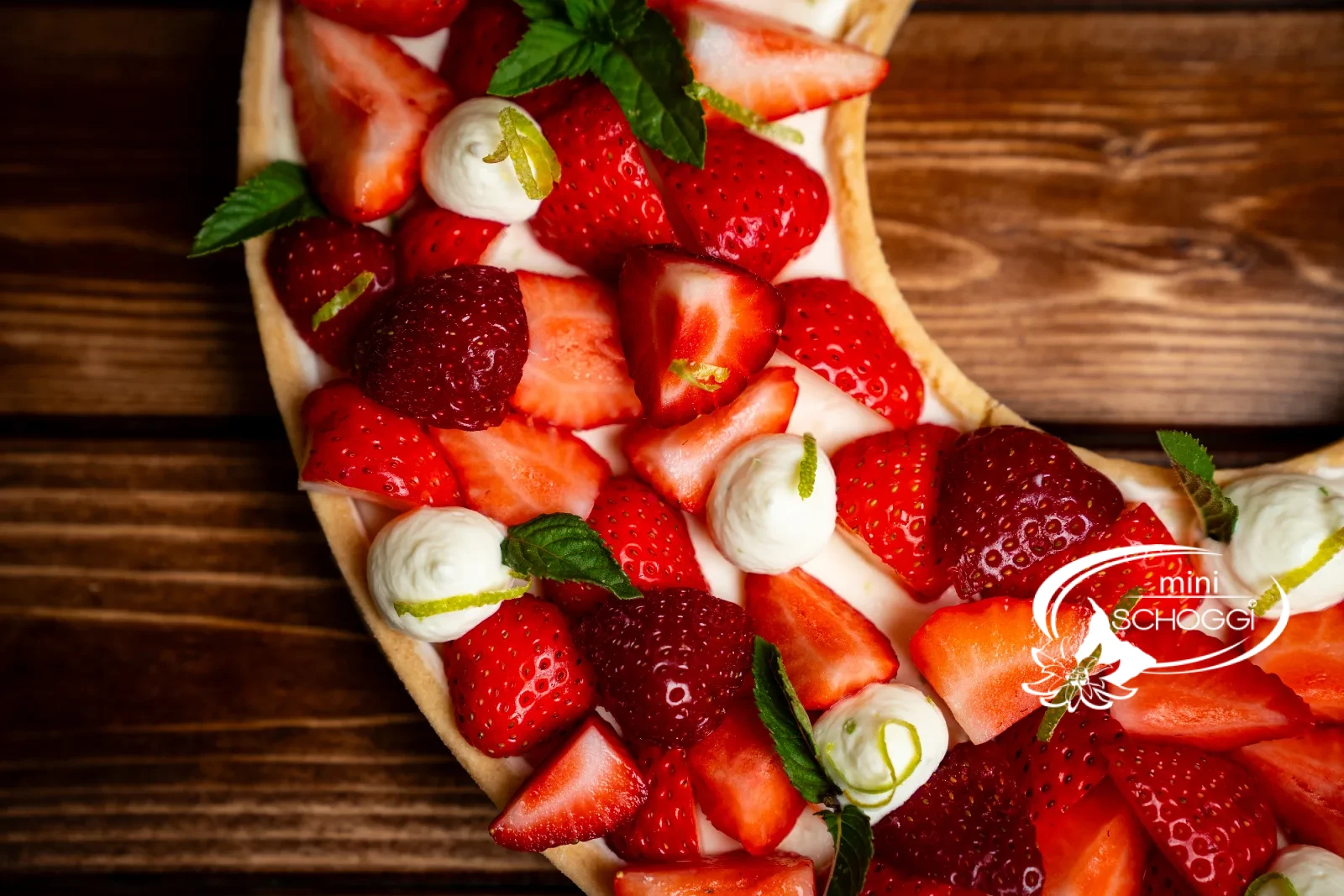
Fresh fruit releases moisture that can soften both the quark cream and the shortcrust pastry base. That's why you should place the fruit on the cream only just before serving – never several hours in advance.
For the perfect glossy effect
Brush the fruit with a little warmed, neutral Cake glaze – this not only gives an appetising shine but also protects the fruit from drying out in the air. You'll find ready-made Cake glaze in our shop.
Seal the base for longer freshness
Brush the cooled base thinly with melted White couverture. This fine layer protects the pastry from the moisture of the cream and adds an extra touch of flavour refinement.
FAQ
The temperature difference was too great. Always temper the melted gelatine first with a little quark mixture and then work it in quickly – otherwise the gelatine sets immediately in the cold mixture. This is exactly what step 8 describes.
Berries, stone fruit and grapes are ideal. Avoid fresh kiwi, pineapple, papaya and figs: their enzymes break down the gelatine and the cream turns liquid again. When cooked – for example as a compote – they are no problem.
The dough was too warm or kneaded too much. Work it only until it comes together, and chill the lined tin once more before baking – then the edge keeps its height.
Print recipe
Choose what should appear on the printout.
Related products
Baking release spray, 200 ml
Price: CHF 11.90
Rated out of 5 stars based on
review(s)
bitte einloggen
So that the dough is only where it should be, even after baking: The purely...
Cake glaze, 220 g
Price: CHF 6.90
Rated out of 5 stars based on
review(s)
bitte einloggen
With cake gloss gel or cake glaze, you can coat roulade and fruit cakes as...
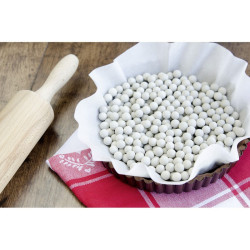
Blind baking balls, 600g
Price: CHF 17.90
Rated out of 5 stars based on
review(s)
bitte einloggen
With our new blind baking balls you no longer have to
no longer...
White flour, 1 kg
Price: CHF 4.50
Rated out of 5 stars based on
review(s)
bitte einloggen
White flour is suitable for pastries of all kinds, from bread to cakes to...
Felchlin Couverture Edelweiss 36 % 0.5 Kg
Price: CHF 16.90
Rated out of 5 stars based on
review(s)
bitte einloggen
Swiss biodiversity paired with the finest cocoa varieties in the world. That...
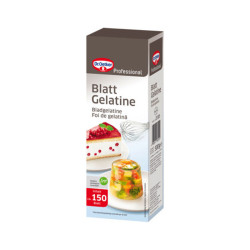
Professional leaf gelatine, 150 pieces
Price: CHF 39.70
Rated out of 5 stars based on
review(s)
bitte einloggen
Delicious cakes, sweet desserts and fine icings are given stability by...
Baking paper 42 x 33 cm, 25 pieces
Price: CHF 4.95
Rated out of 5 stars based on
review(s)
bitte einloggen
With these baking paper sheets your pastries rise evenly and are baked...
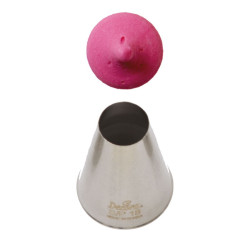
Hole grommet 18 mm
Price: CHF 4.90
Rated out of 5 stars based on
review(s)
bitte einloggen
Large hole nozzle made of stainless steel with a hole diameter of 18 mm....
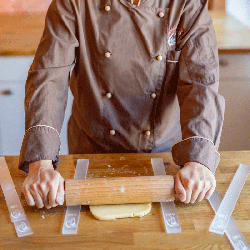
Professional rolling pin set, 3 sizes
Price: CHF 14.90
Rated out of 5 stars based on
review(s)
bitte einloggen
If you want your dough to always have the same height or thickness, this...
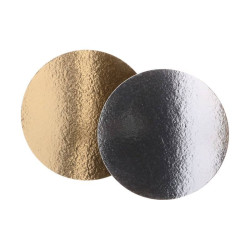
Thin cake plate, round Ø 30 cm, silver and gold
Price: CHF 4.50
Rated out of 5 stars based on
review(s)
bitte einloggen
Present your cake like a true work of art! A cake plate is not only the...
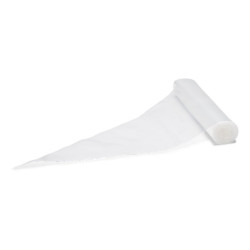
Disposable piping bag 41 cm, 24 pieces
Price: CHF 7.50
Rated out of 5 stars based on
review(s)
bitte einloggen
Disposable piping bags made from high-quality, food-safe plastic are the...
Bewertungen
Leave a comment
Related posts
 Make your own chocolate Easter bunnies
You can easily make your own Easter bunnies at home! You can find out how to do it and what you need here. A sweet...
Read more
Make your own decorative Swiss roll
Make your own decor roulade - we'll explain exactly how in this blog, with lots of tips and tricks from our...
Read more
Cinnamon Star Biscuits Recipe
Make your own cinnamon stars with the help of our professionals, with lots of tips & tricks to bake the best...
Read more
Make your own chocolate pumpkin pralines
Make your own 3D chocolate pumpkin pralines - here you get detailed instructions with lots of tips and tricks...
Read more
How can I convert a cake recipe?
Converting a cake recipe, whether a sponge or a cake filling, is easy with our conversion table.
Read more