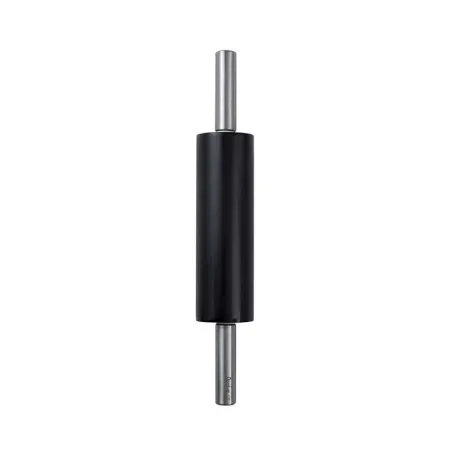
Metal rolling pin 25 cm
CHF48.50
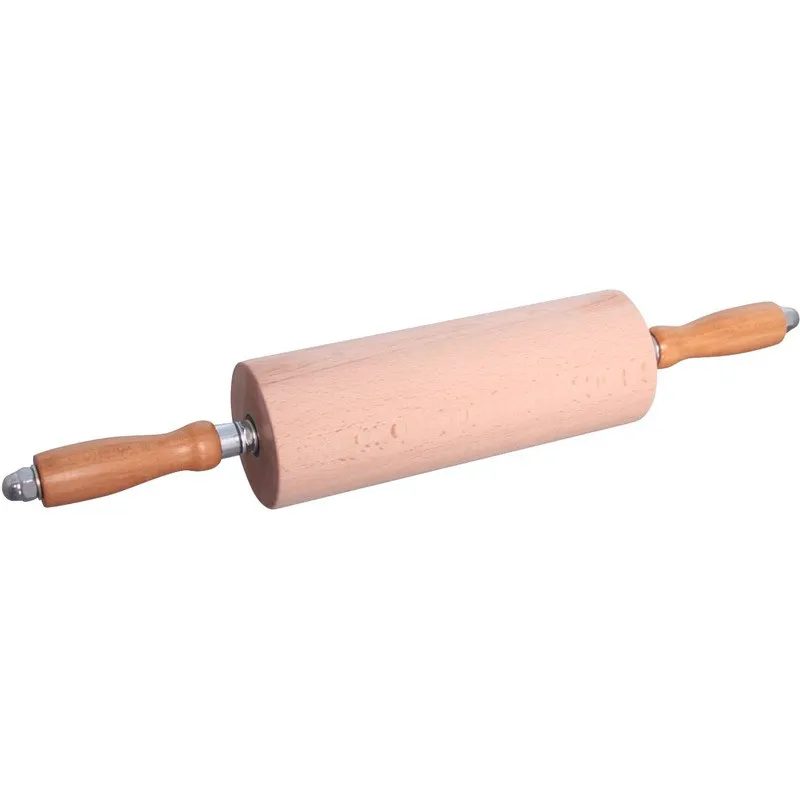
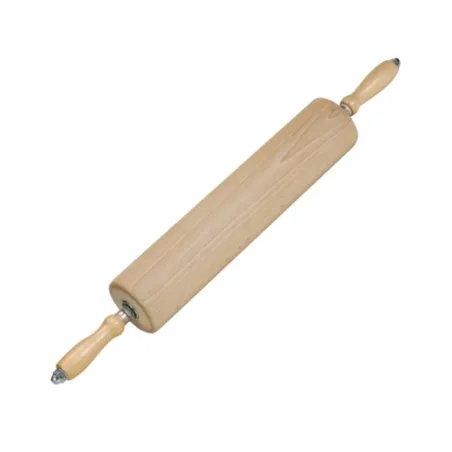
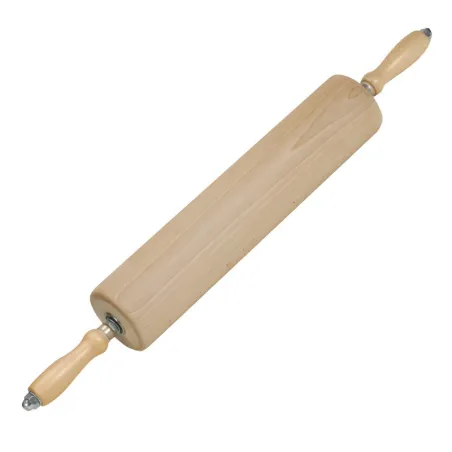
A rolling pin is an indispensable helper in the kitchen, whether for Christmas biscuits, a tart base, waffle dough or thinly rolled out pizza dough. It makes it easier to roll out dough evenly and helps to prevent it from sticking. With a little extra flour or baking starch, you can achieve smooth surfaces with doughs and decorations. The rolling pin made of beech wood and with precision ball bearings has a total length of 54 cm, 25 cm of which is available as a rolling surface.
| Size | Ø 9 cm / total length: 54 cm / rolling surface: 25 cm |
|---|---|
| Weight | 1.4 kg |
| Country of production | Germany |
| Material | Beech wood with precision ball bearing |
| Care instructions | Not dishwasher safe |
A rolling pin is an indispensable helper in the kitchen, whether for Christmas biscuits, a tart base, waffle dough or thinly rolled out pizza dough. It makes it easier to roll out dough evenly and helps to prevent it from sticking. With a little extra flour or baking starch, you can achieve smooth surfaces with doughs as well as decorative pastry. The rolling pin has a total length of 54 cm, 25 cm of which is available as a rolling surface.
First you need to prepare your dough. For example, make your favorite shortcrust pastry or a shortcrust pastry for a tart. Pizza, tarte flambée or foccacia dough are also no problem and are easy to make in your own kitchen. These should first be left to rise according to the recipe, cookie dough and tart bases are easiest to work with after a night in the fridge. Pre-knead the fondant or other decorating masses well, then work with enough baking starch. Then sprinkle some flour onto your clean work surface. For a Brunsli dough, use sugar for this, for many doughs you can also dust a little baker's starch. Press the prepared dough slightly flat and place it in the middle of the work surface. Put some flour on the surface and rub the rolling pin (dough roller) a little with it. This will give you the best results. Now you can roll the rolling pin (dough roller) from the center outwards again and again. For a round shape, you can turn the dough a little in between and roll it in all directions; for a rectangle, only roll in two directions. Depending on how sticky the dough is, you should keep dusting it a little and use the rolling pin to lift it up from time to time. This way, you will notice early on if the dough sticks to the surface and can sprinkle flour underneath. Some doughs pull together again and again. Be patient, let the dough rest for a short time and then roll it out a little more. If you pull on the dough, it could tear. This also applies to lifting the rolled-out shape. Do not simply grab it by the edge and lift it up, otherwise it will warp or even tear. Instead, place the rolling pin (the dough roller) on one side of the dough and fold the other half over it. This makes it easy to lift the dough and place it on a tray or in a tart tin. Once rolled out nice and thin, the dough can now be topped, cut out or carefully pressed into the tart, quiche or wähen tin. Thanks to the smooth surface of the rolling pin, the dough remains nice and smooth and does not stick together. The wooden rolling pin is best cleaned by hand with a damp cloth or under running water if it sticks. Make sure that the rolling pin is not soaked for long and has enough time to dry after cleaning.