
Baking malt: effect, dosage and alternatives
Good to know · Bread
Baking malt: effect, dosage and alternatives
The understated secret weapon for aroma, crust and crumb
E-mail
WhatsApp
Facebook
Copy link
https://www.minischoggi.ch/gb/blog/recipe/baking-malt-effect-dosage-alternatives.html
Tap once to select the whole address — then copy.
Perfect as a note for the bread drawer.
What you'll learn
- What baking malt is and how it's made from malted grain
- Why it improves yeast, crust and crumb – and what the Maillard reaction has to do with it
- How much you need per 500 g of flour, depending on the dough
- Which forms exist: malt flour, liquid malt, roasted malt – and what active and inactive mean
- Where the difference to malt extract lies
- What you can use to replace baking malt when you're out of it
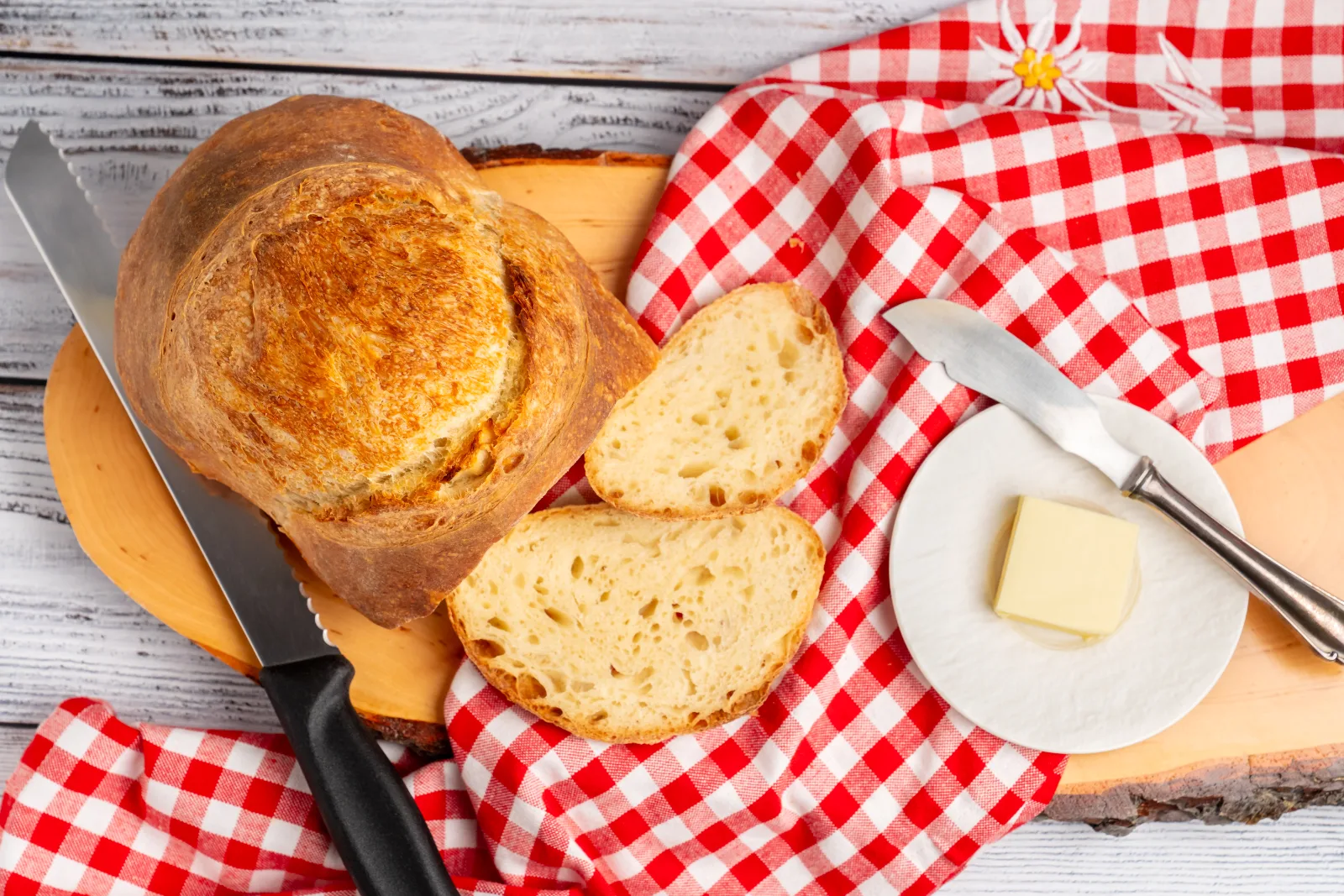
Baking malt is an often overlooked but crucial element in bread baking. It not only brings flavour and aroma to the bread, but also influences the texture and quality of the finished product: it feeds the yeast, makes the crumb softer and turns the crust golden brown. In this article you'll learn what malt actually is, how it works, how much you need – and what you can do if you don't have any at home.
1What is baking malt?
Baking malt is made from germinated grain – usually barley – and above all brings one thing with it: enzymes.
Baking malt is obtained from grains that are made to germinate and then dried. During malting, enzymes form – mainly amylase – which convert starch into sugar. It is precisely this sugar that is crucial for the yeast in the dough. Besides the enzymes, malt provides maltose (the sugar from the starch conversion) and, depending on the roasting level, nutty to slightly caramel-like aromas.
1
Germination
The grains – usually barley, sometimes wheat or rye – are soaked in water and start to germinate. In the process, enzymes break down the starch in the grain into sugar.
2
Drying and roasting
After germination, the grains are dried quickly so that the germination process stops and the enzymes are preserved. The more they are then roasted, the darker and stronger the aroma – this is how the different malt types come about.
3
Processing
Depending on the intended use, the malt is ground (malt flour) or turned into liquid form as an extract. Both are easy to work into doughs.
2What baking malt does in the dough
Five things happen at the same time – and none of them taste like “malt” on its own.
A sugar source for the yeast
The enzymes in the malt convert starch into sugar. This gives the yeast additional food, boosts its activity and leads to a stronger fermentation – the dough gains volume and becomes more evenly airy. A practical side effect: because the yeast works faster, the proving time is shortened.
Crumb, crust and structure
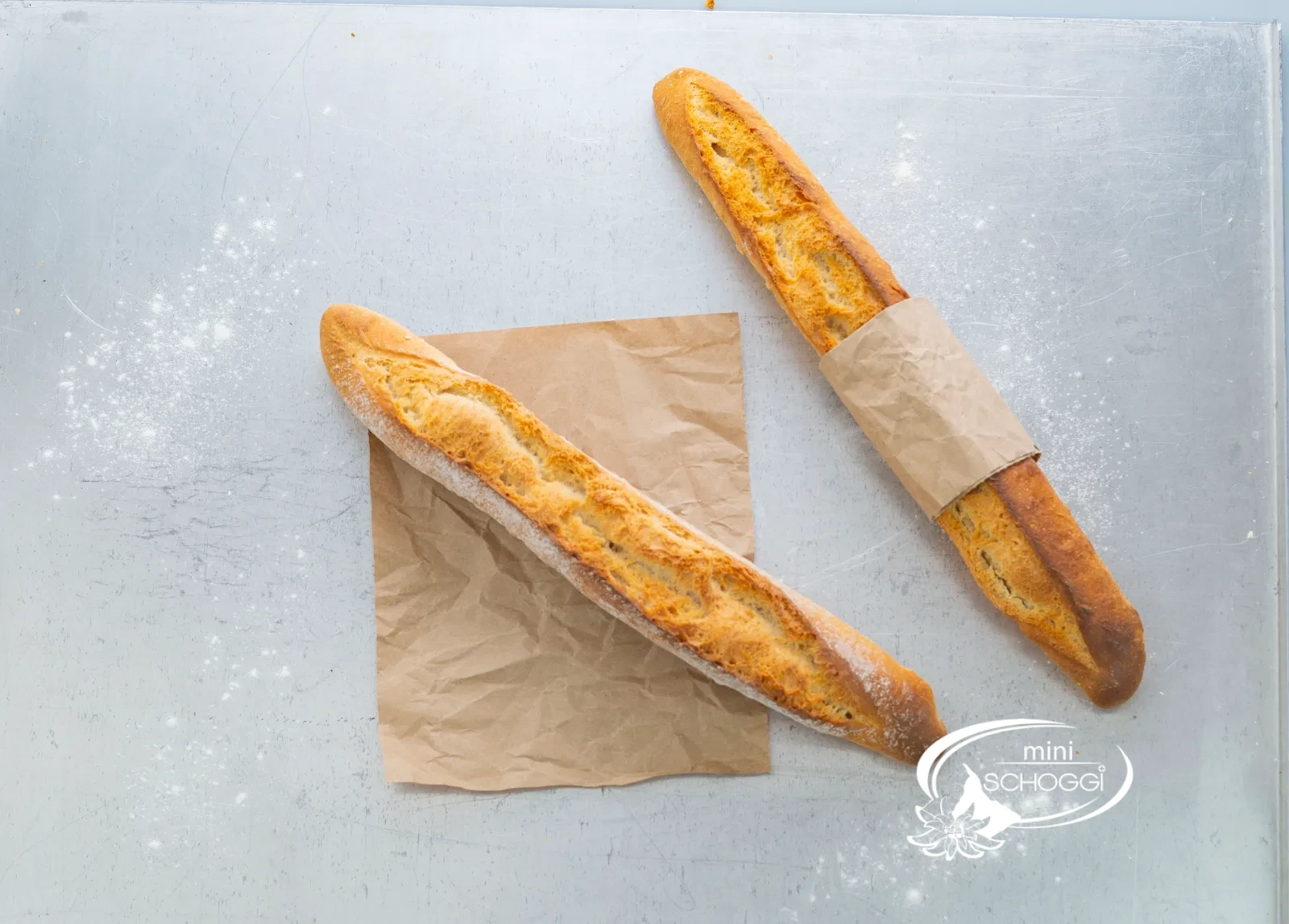
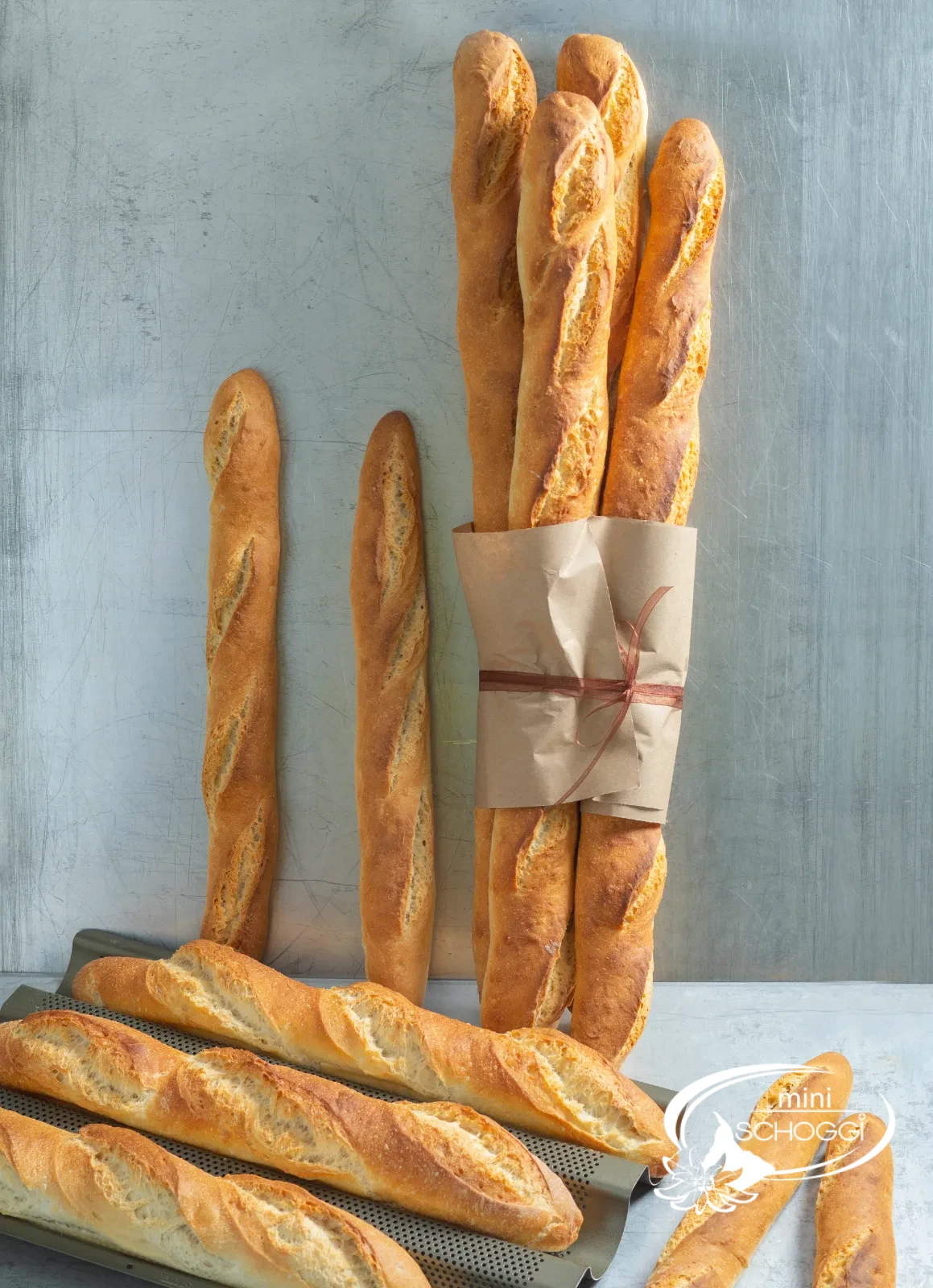
Malt makes the crumb softer and airier and the crust golden brown and crisp – it helps along the Maillard reaction, the browning reaction between sugar and protein. The more malt, the stronger this effect. At the same time it stabilises the dough: it rises in a more controlled way and grows more evenly during baking.
It also stays fresher
Baking malt improves moisture retention in baked goods: the dough stays soft for longer, and the bread therefore stays fresh for longer.
3How much baking malt do I need?
The rule of thumb is 1–2 teaspoons per 500 g of flour – with three exceptions, downwards and upwards.
Yeast doughs: bread, rolls, pastries
Malt flour (powder): about 1–2 teaspoons (5–10 g) per 500 g of flour. That's enough to support the yeast, improve the aeration of the dough and achieve a golden-brown crust.
Liquid malt: about 1–2 tablespoons (15–30 ml) per 500 g of flour – depending on how liquid the malt is and how much moisture the other ingredients bring with them.
Dark breads and sweet pastries
For dark breads such as rye bread or pumpernickel it can be more – up to 1–2 tablespoons (10–20 g) per 500 g of flour: here malt not only supports fermentation but also intensifies colour and flavour. For sweet pastries such as braided yeast bread or Stollen, 1–2 teaspoons per 500 g of flour are enough for the desired lift and the fine, slightly sweet malt note.
Too much malt
Too much baking malt speeds up the dough unnecessarily: it rises too fast, takes on too strong a sweet note, and the crust becomes too dark or too thick. Less really is more here – it's better to work your way up from the rule of thumb than the other way round.
Worth experimenting
Depending on the type of dough and your taste, you can adjust the amount slightly. With special breads it's worth comparing two bakes with different dosages – the difference in crust and aroma is clearly visible.
4What types of baking malt are there?
Malt flour, liquid malt and roasted malt
Malt flour (powdered) is obtained by drying and grinding malt. It is fine-grained and mixed directly into the dough with the flour – the most common form in the home.
Liquid malt comes as an extract in liquid form and is added when mixing the dough. It works similarly to the powder and is often used for special breads.
Roasted malt is more strongly roasted and is used above all for dark breads and rolls: it gives the dough a deeper colour and a stronger flavour.
Active or inactive – the more important difference
Active baking malt contains living enzymes that support fermentation and help the dough during processing. Inactive baking malt has been enzymatically deactivated by heating: it still brings colour and aroma, but no longer acts on fermentation. Which one you need is decided by the recipe – and this difference influences flavour and texture more markedly than the question of powder or liquid.
How much malt in relation to the total flour?
Besides the teaspoon rule, you'll also find the amount given as a percentage: about 5–10 % of the total flour content. It's important here to mix the malt flour well with the main flour, so that aromas and enzymes are evenly distributed.
5Baking malt or malt extract?
Both come from malted grain – the difference lies in sugar content and enzymes.
Production
Baking malt is made from malted grain – usually barley – that is dried and finely ground; it usually still contains plenty of active enzymes. Malt extract is created by extracting the malt with water and concentrating it; the liquid is thickened or dried and is available as a Syrup or powder.
What does that mean in practice?
Malt extract has a higher sugar content and provides more sweetness; that's why it is also used for sweetening and flavouring. Baking malt scores with more active enzymes and acts above all on yeast activity and dough structure. In many recipes the two are interchangeable – but expect malt extract to make the finished product sweeter.
6For which breads and pastries?
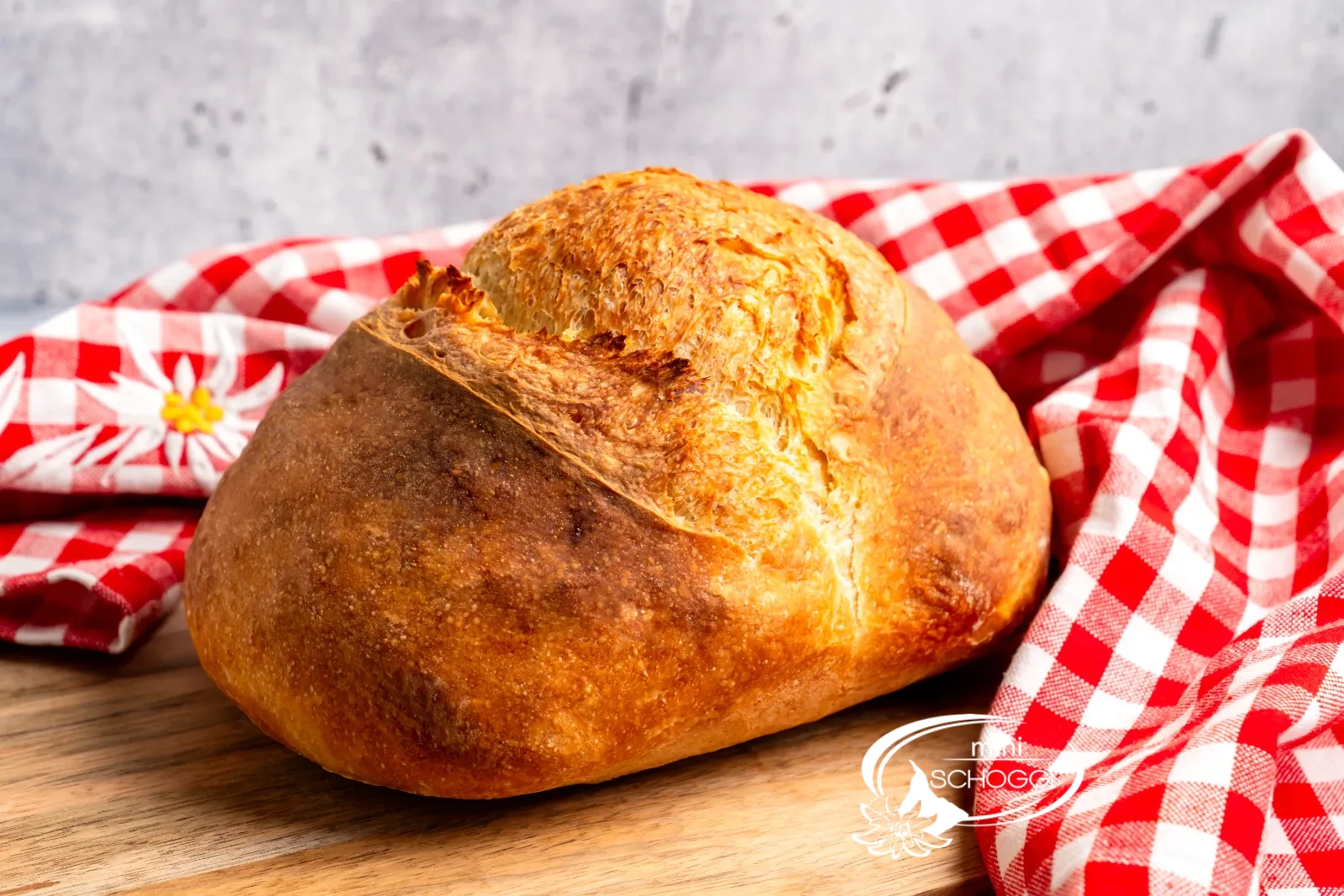
White bread: malt makes the dough softer and the result fluffier, and the crust takes on a more appetising colour.
Dark bread: with rye or wholemeal bread, more malt is often used – for a more intense colour and the typical malty flavour. Strongly roasted malt is particularly well suited here.
Rolls: malt improves the aeration of the dough and creates a lighter, airier texture.
Sweet pastries: in braided yeast bread or Stollen, malt refines the dough and brings a subtly sweet note.
With spelt bread, mild malt helps to bring out the natural sweetness of the spelt.
7Alternatives when baking malt is missing
It works without it too – with some compromises on aroma.
The recipe calls for baking malt, the pack is empty or the product just isn't available.
What to do
Replace it with malt extract (the most obvious choice, same family), or with honey, sugar or molasses: through the sugar, these also boost yeast activity. Reckon with slightly less sweetener than the recipe calls for in malt, and adjust the liquid if you use honey or Syrup.
What you lose in the process
Sweeteners provide sugar but no enzymes – the conversion of starch into sugar is missing, and with it part of the fermentation aid. The complex roasted and nutty note of malt can't be replaced either; crust and crumb turn out somewhat different. For everyday baking the substitute is perfectly fine, for a malt bread it isn't.
8Is baking malt healthy?
Malt is a good source of B vitamins such as B1 and B2 as well as minerals, including magnesium and iron. In small amounts it is therefore gladly used as an ingredient in wholemeal bread and other hearty bread types. At the same time malt is sugary: in larger amounts it shifts the balance in the recipe. At the recommended dosage of 1–2 teaspoons per 500 g of flour, that doesn't carry any weight.
In a nutshell
Baking malt is the secret weapon for home bakers: it improves flavour and appearance, optimises fermentation and extends freshness. A little of it makes a big difference – especially if you're after particularly fluffy and aromatic baked goods.
9What you'll need
Both work – baking malt for the enzymes, malt extract for sweetness and aroma.

Leave a comment