Shop in AdliswilGift vouchers Order by 4 pm – delivered next working day Free shipping from CHF 100.–* Over 8,000 products
There are 983 products.
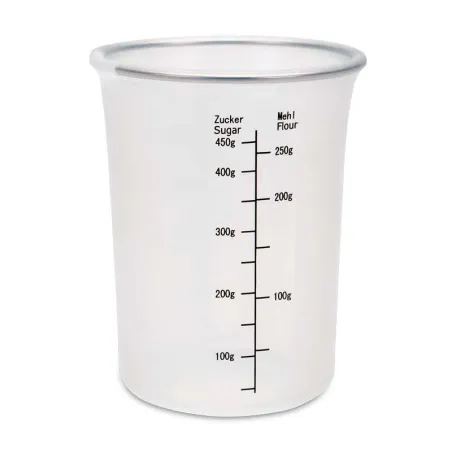
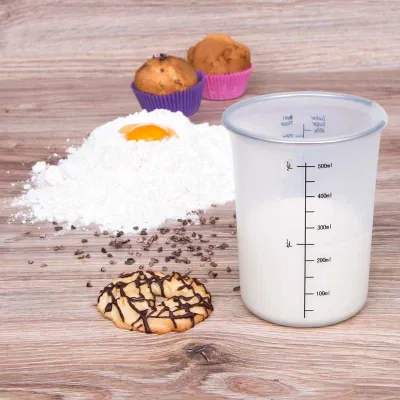
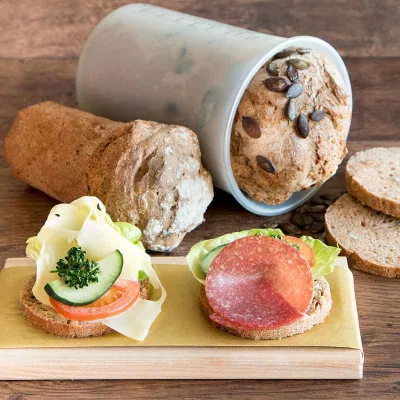
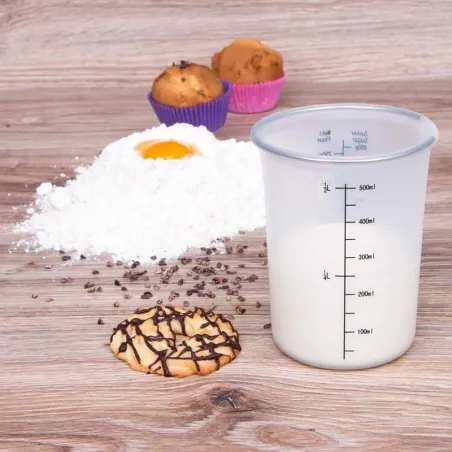
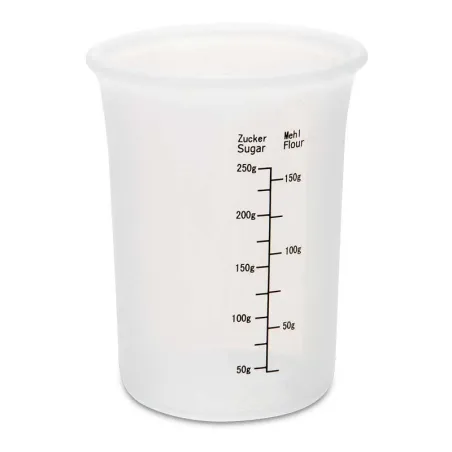
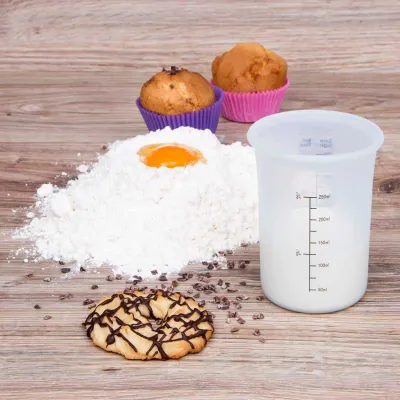
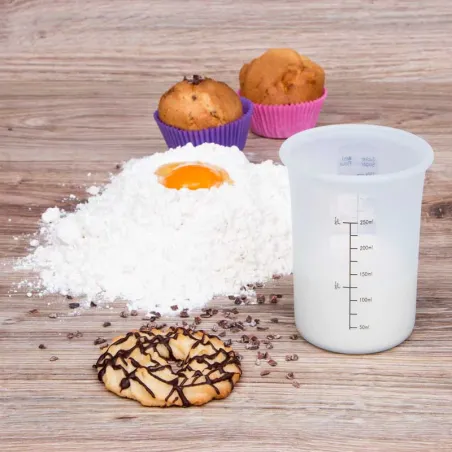
250 ml silicone measuring cup for measuring, pureeing and baking 250 ml silicone measuring cup for measuring, pureeing and baking
250 ml silicone measuring cup for measuring, pureeing and baking
Ready-to-ship quantity: more than 20 pieces
Price:CHF 14.70
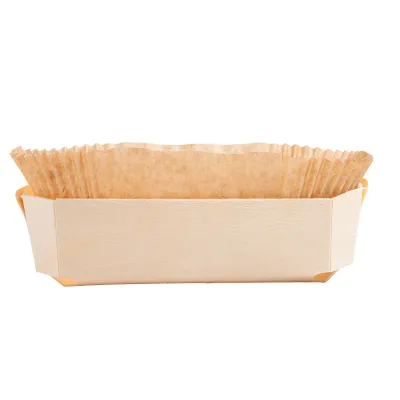
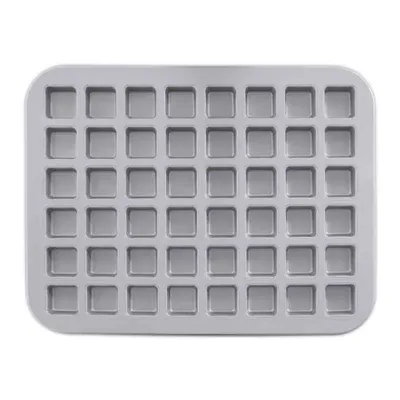
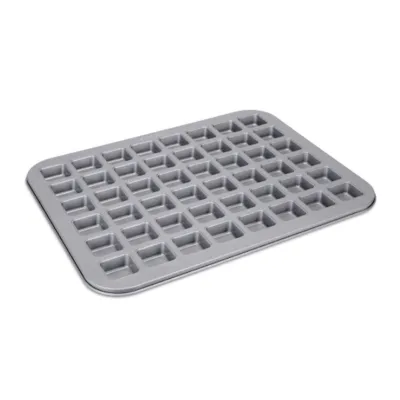
Baking tins turn a good batter into the cake you have in mind: tall and straight from a cake ring, with a crisp edge from a tart tin, finely fluted from a Gugelhupf mould. We stock more than 700 baking tins and moulds in metal, silicone and paper, along with baking aids such as release spray, baking beans and pre-cut paper for springform and cake tins.
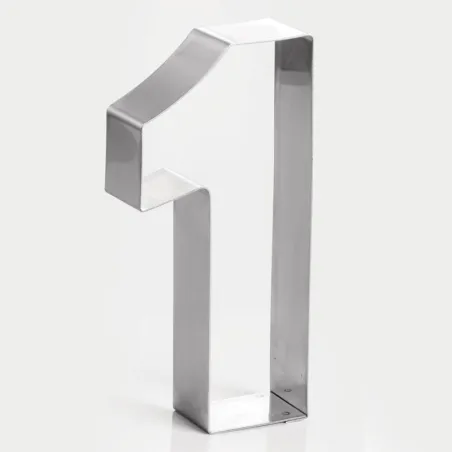
Which baking tins do we stock?

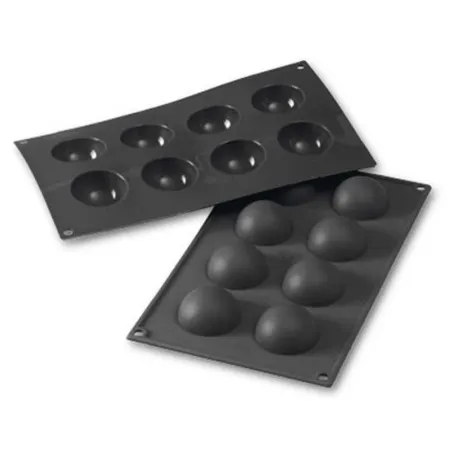
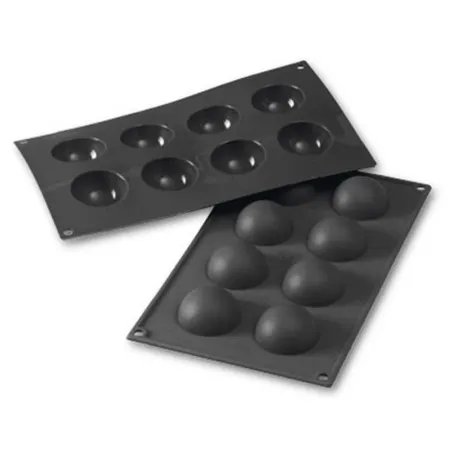
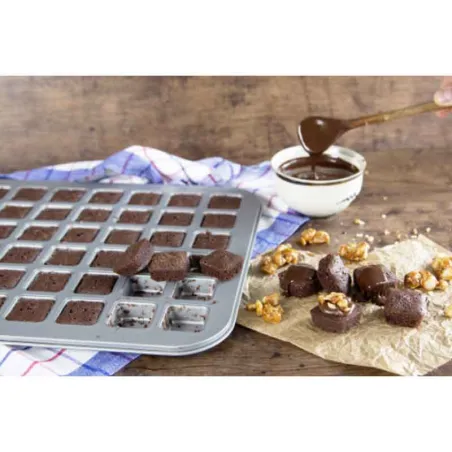
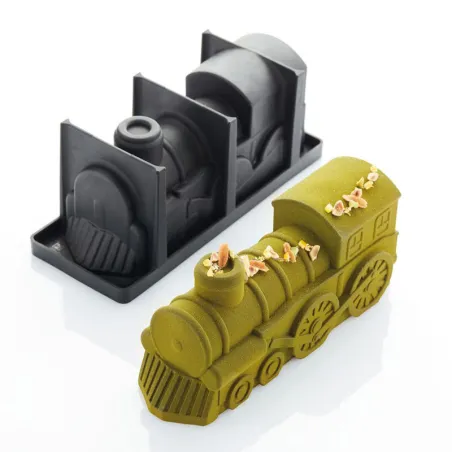
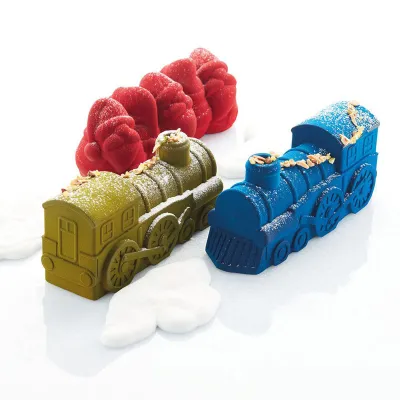
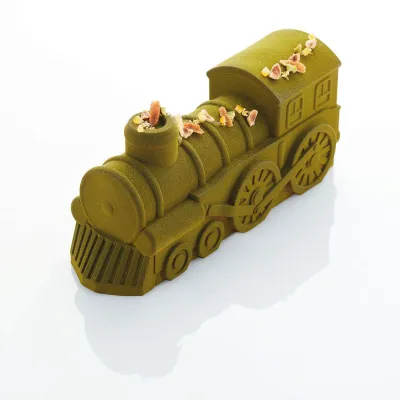
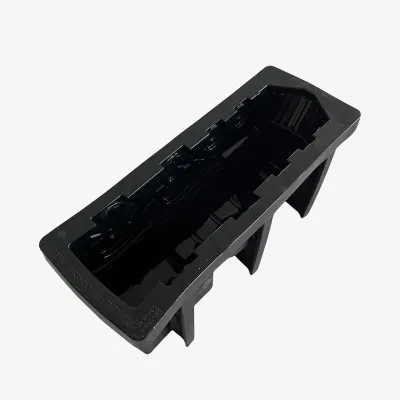
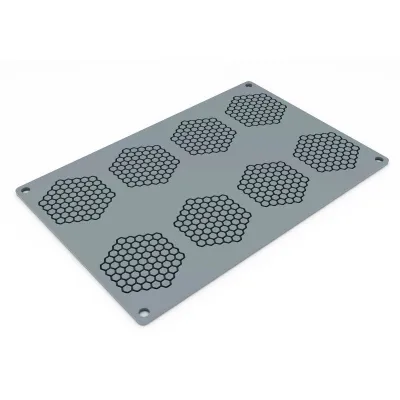
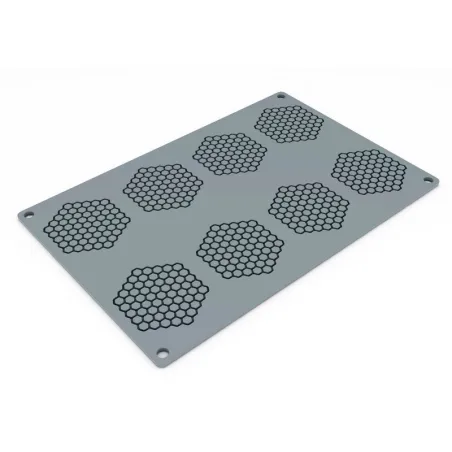
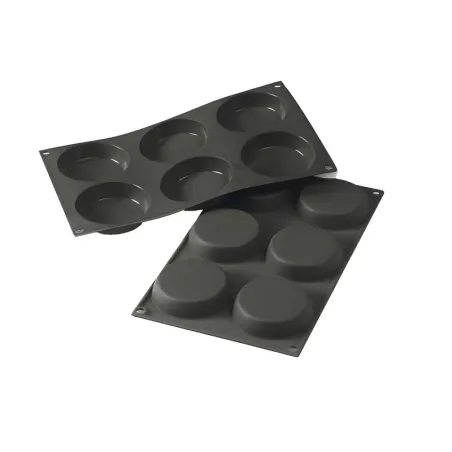
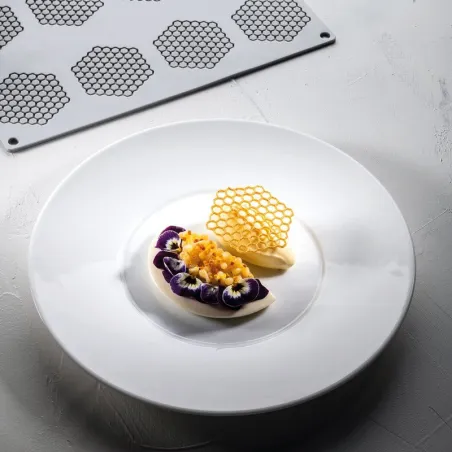
  • Silicone moulds: our largest range with more than 400 designs – half spheres from Ø 2.5 to 8 cm, cylinders, doughnuts, financiers, brioches, bars and chocolate slabs, including Silikomart. Ideal for entremets, mousse cakes and petits fours.
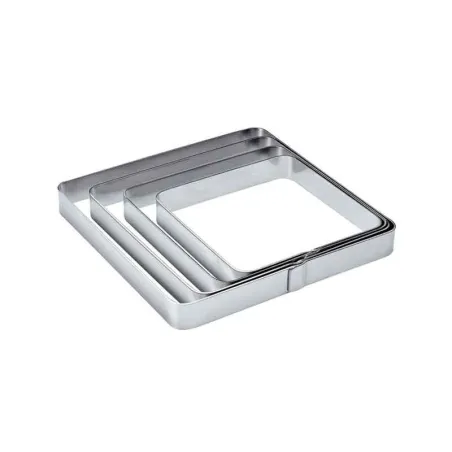
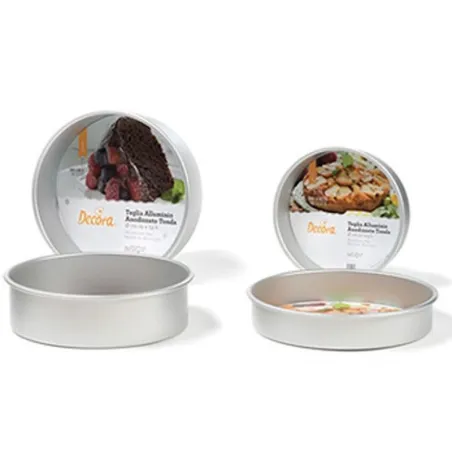
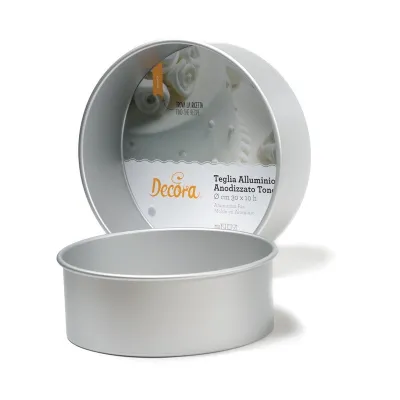
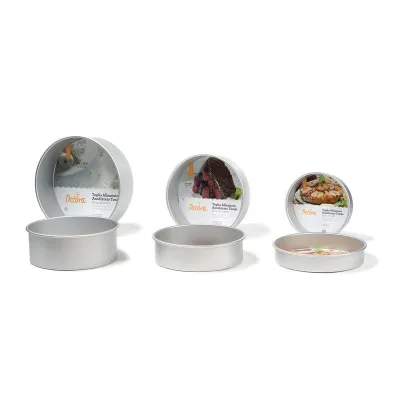
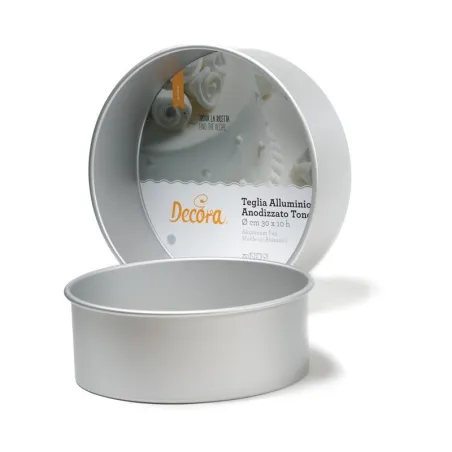
  • Metal tins: springform tins and cake tins in round, square, rectangular or heart shapes, for example Ø 20 and 25 cm with 10 cm height, or 40 x 30 cm for large cakes.
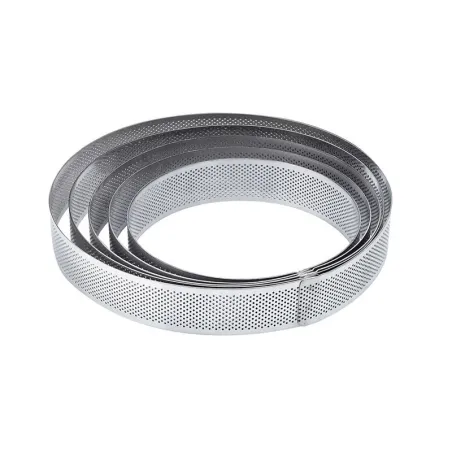
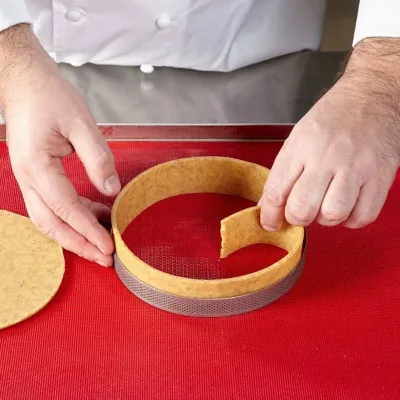
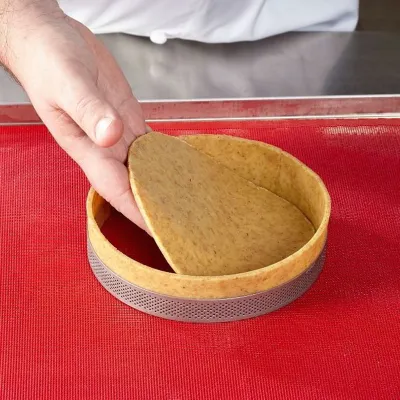
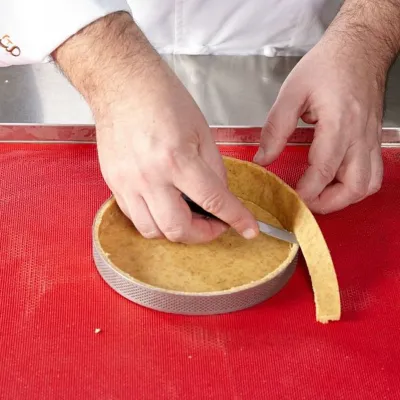
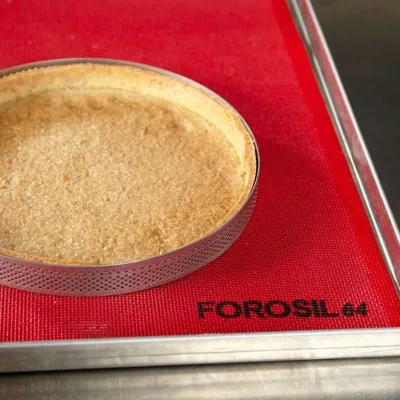
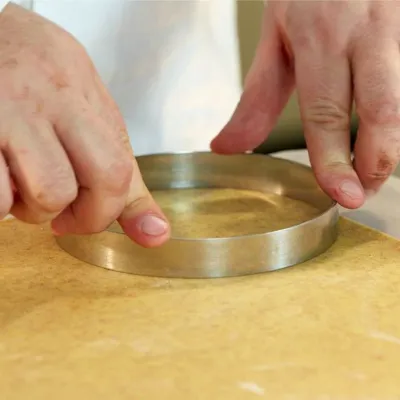
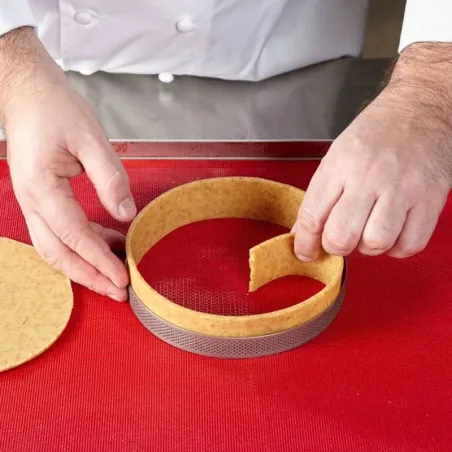
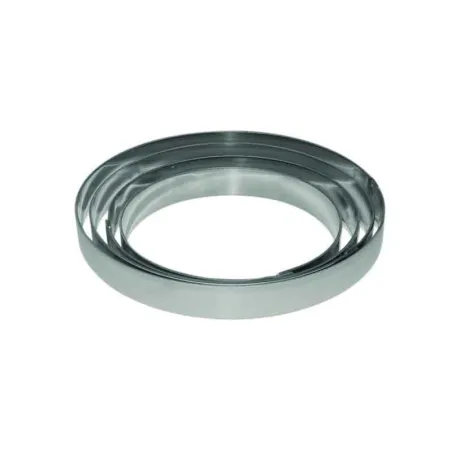
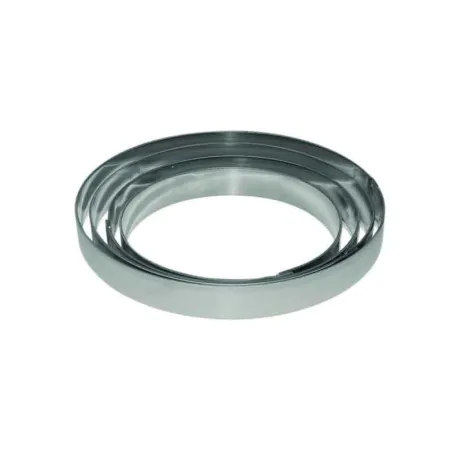
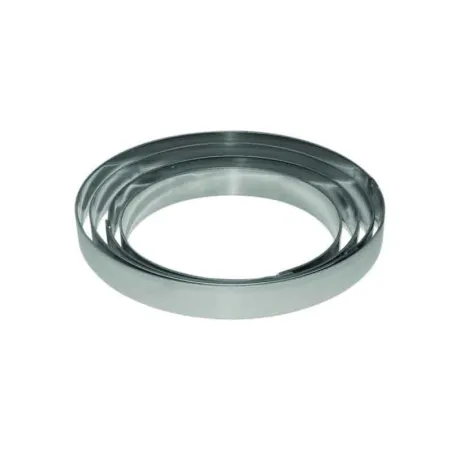
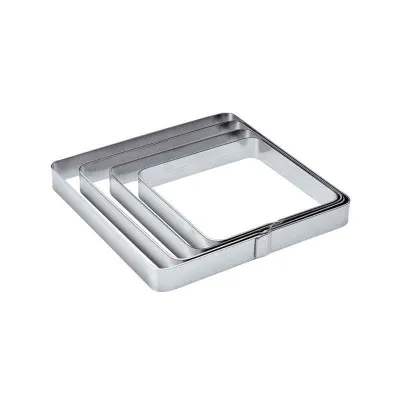
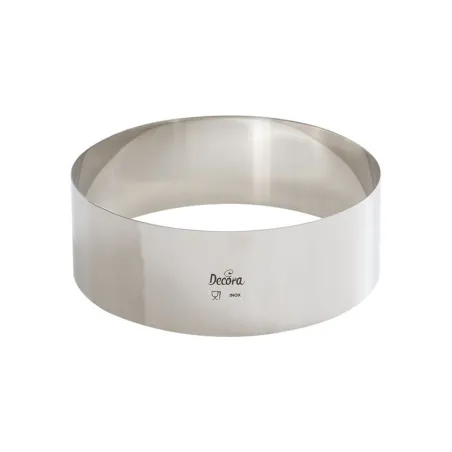
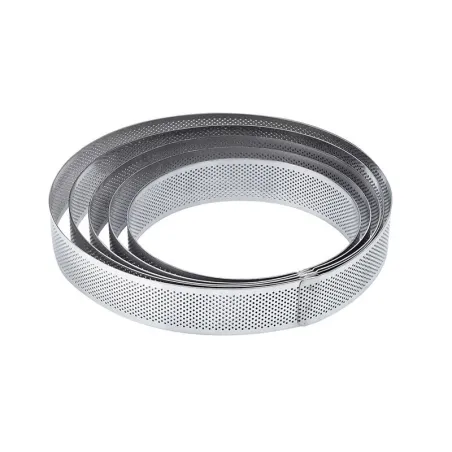
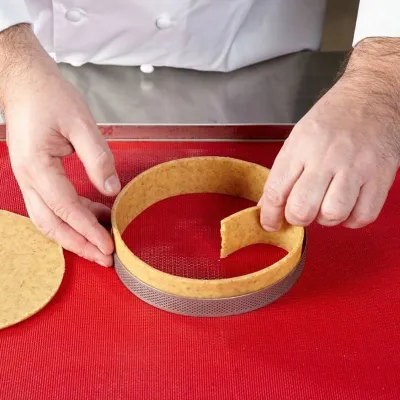
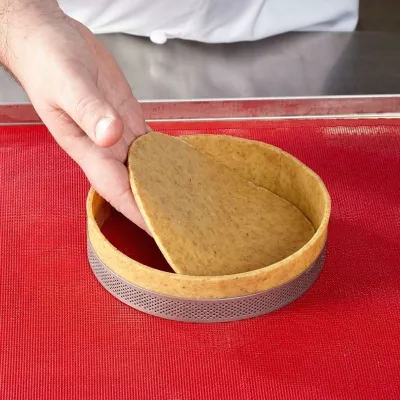
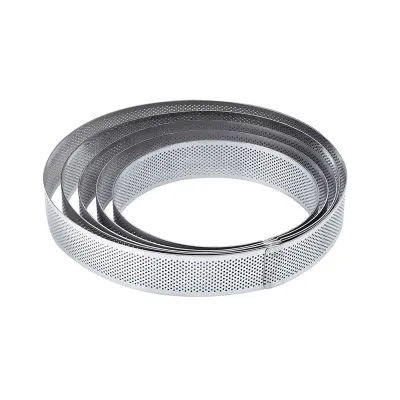
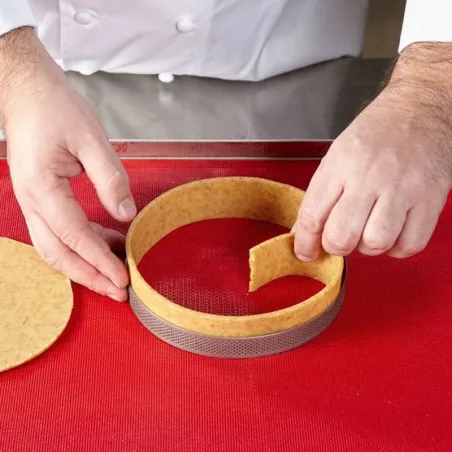
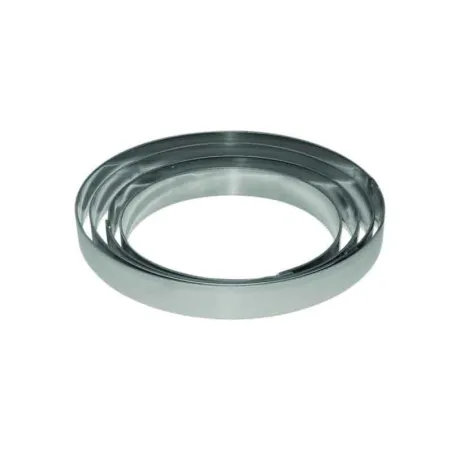
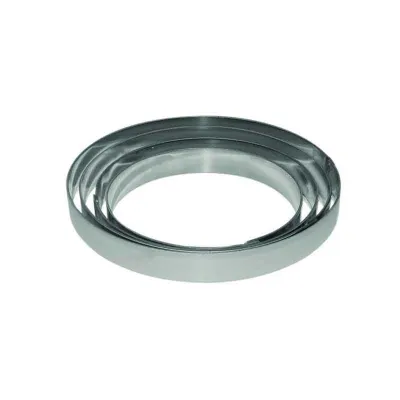
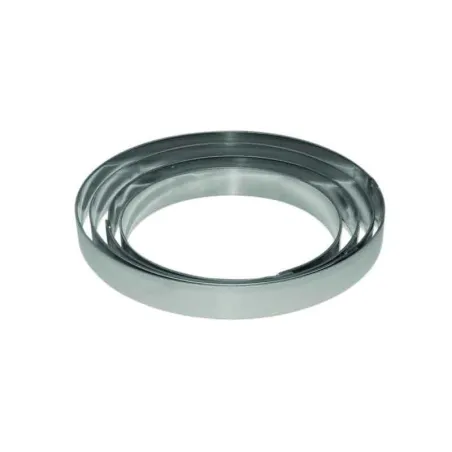
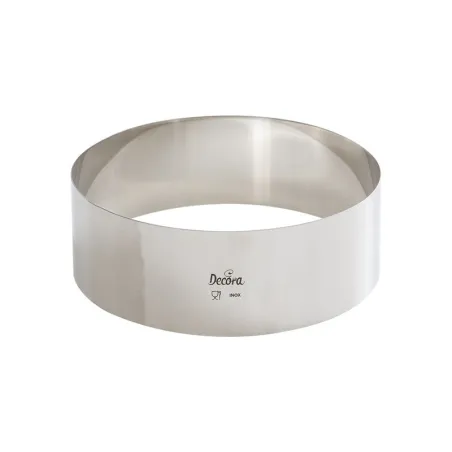
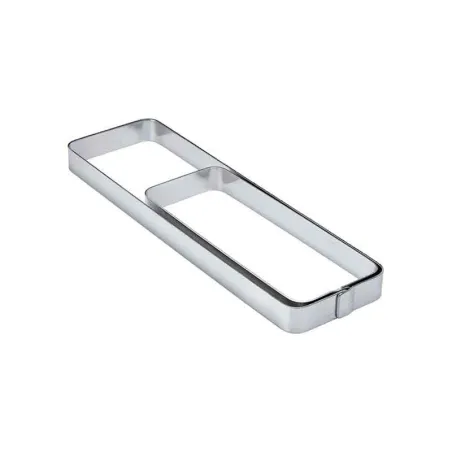
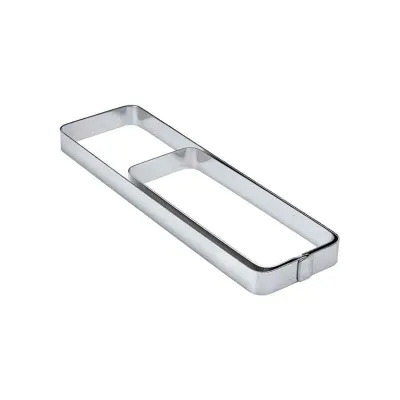
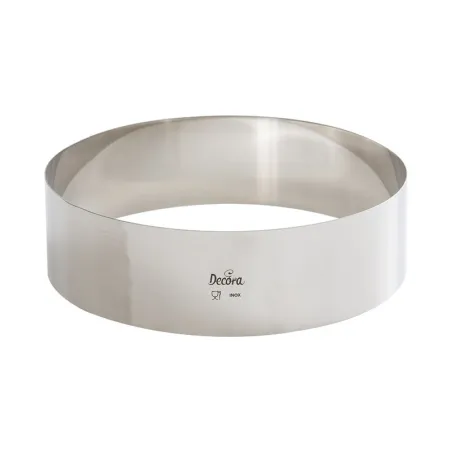
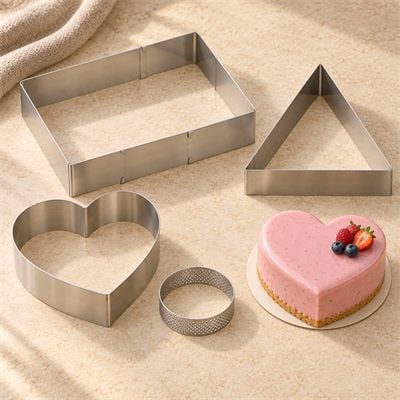
  • Baking frames & cake rings: from Ø 8 cm (perforated, for tartlets) up to 28 cm, the Decora cake rings and an adjustable ring for Ø 15 to 30 cm.
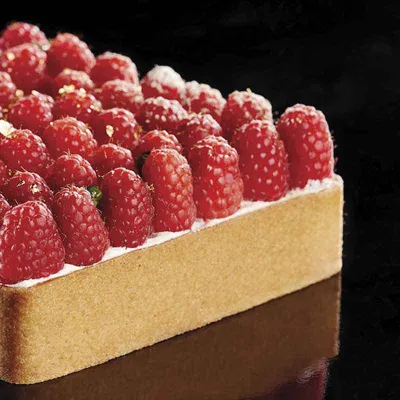
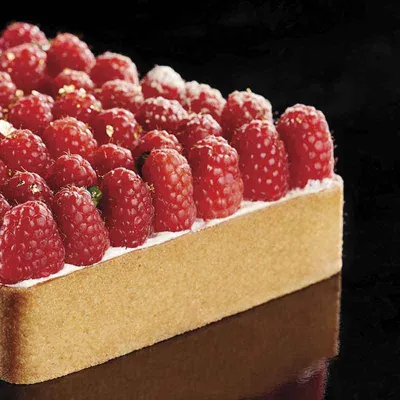
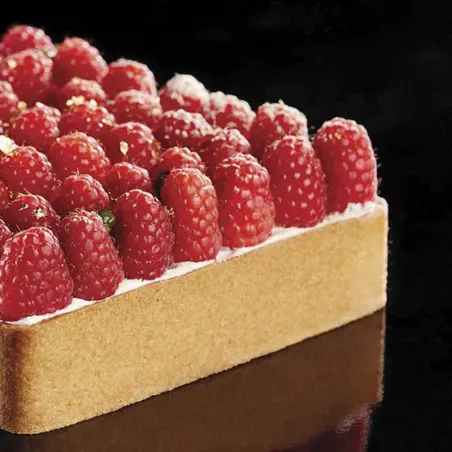
  • Quiche & tart tins: tart tins with loose bases, a quiche tin Ø 20 cm and flan tins with Ø 24 and 28 cm.
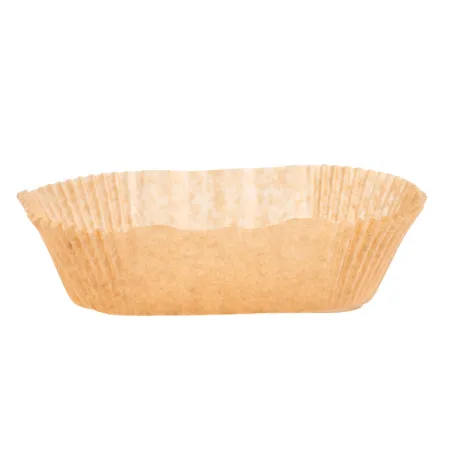
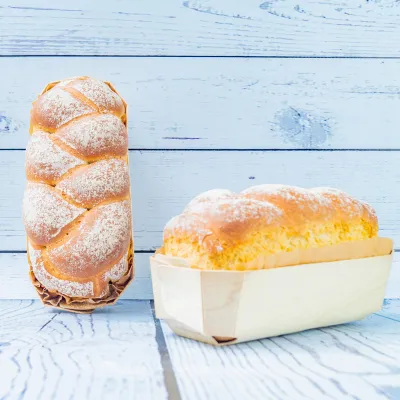
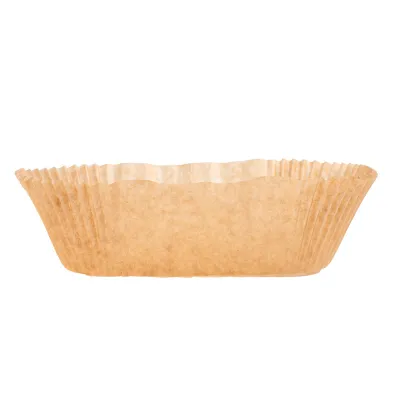
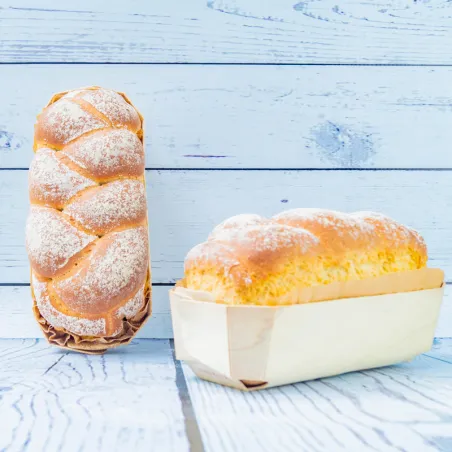
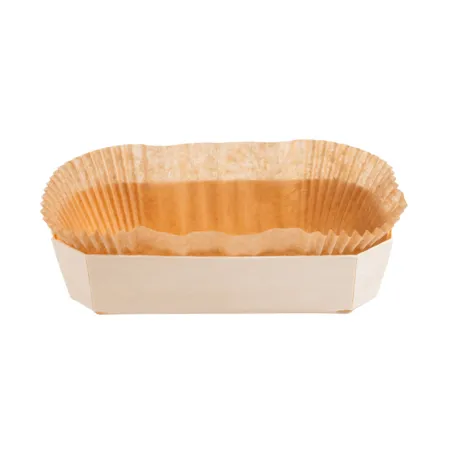
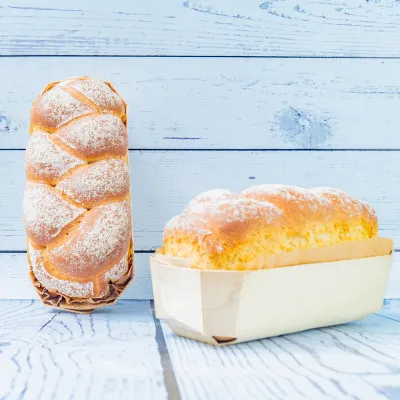
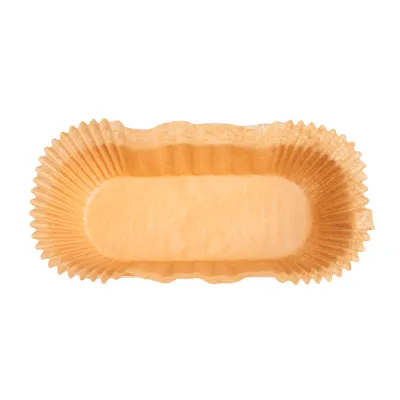
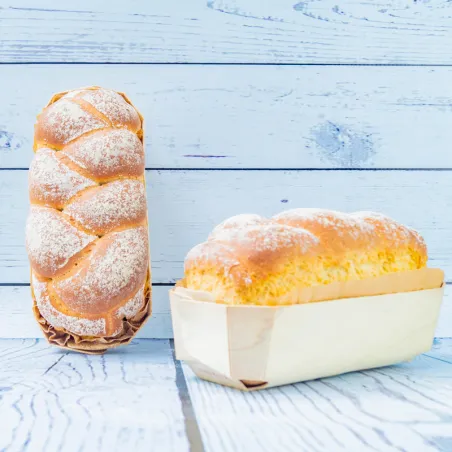
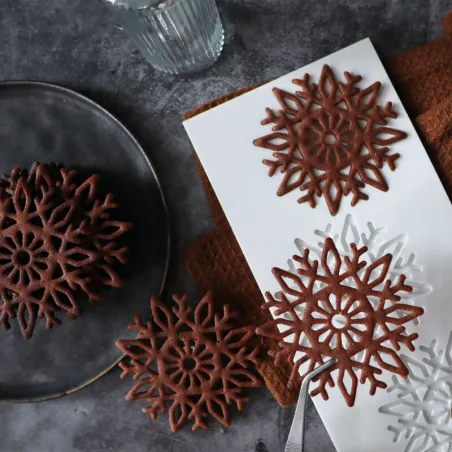
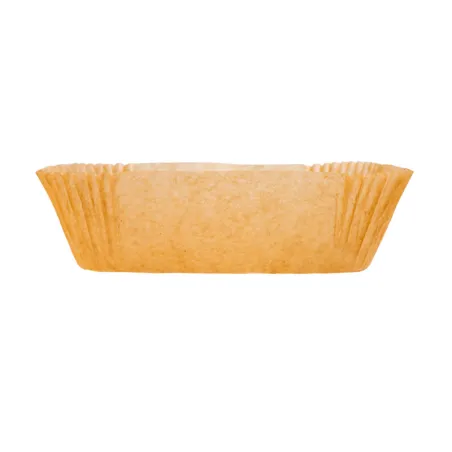
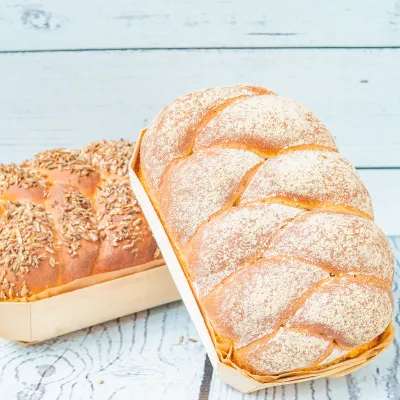
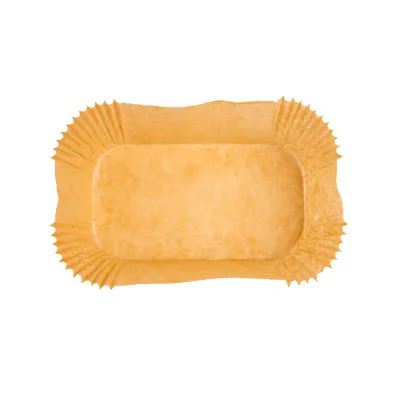
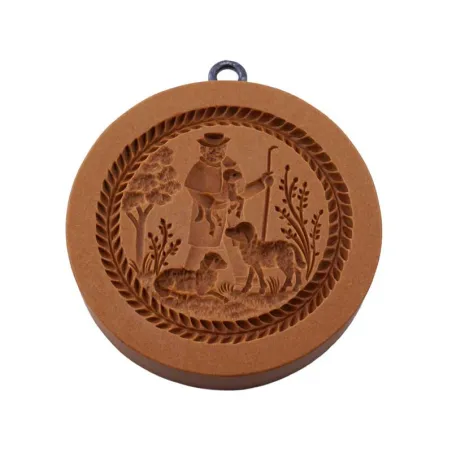
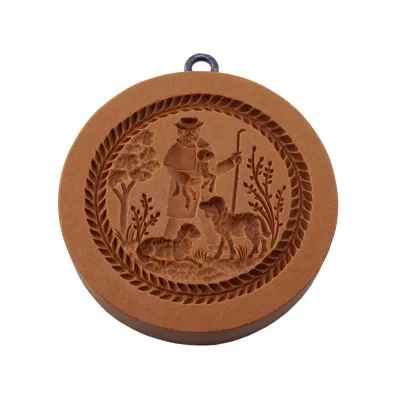
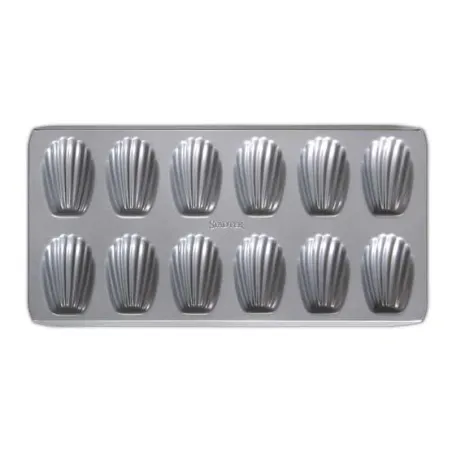
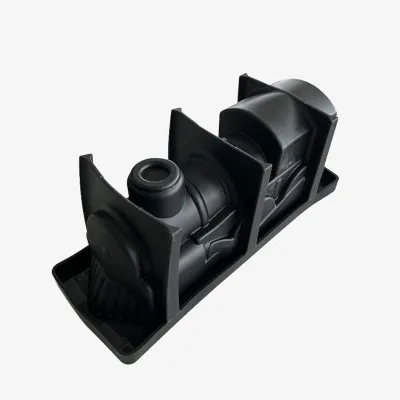
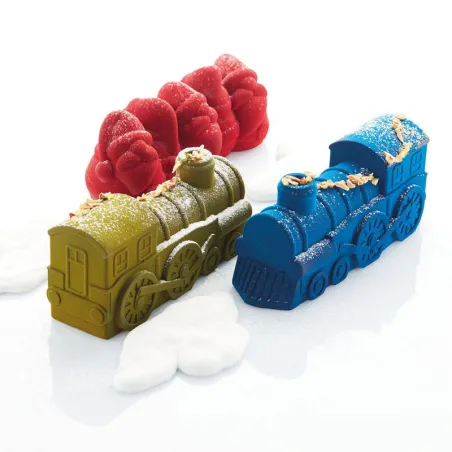
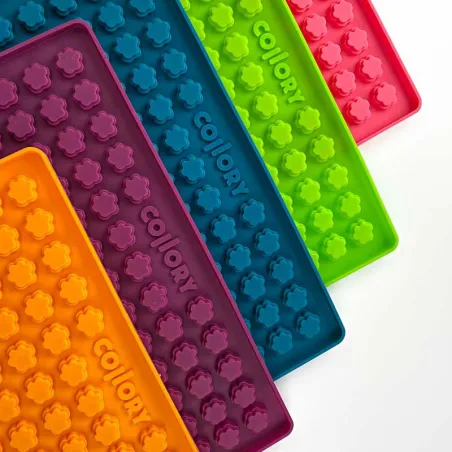
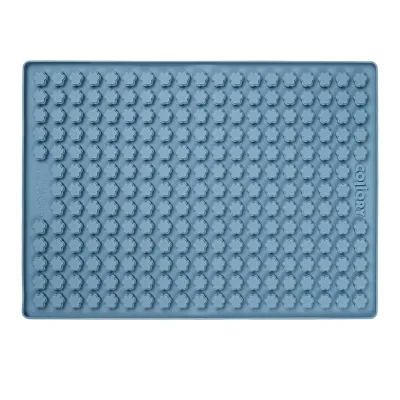
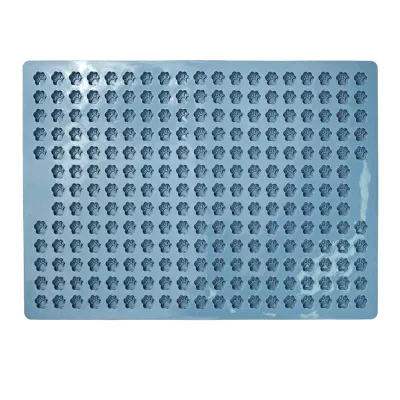
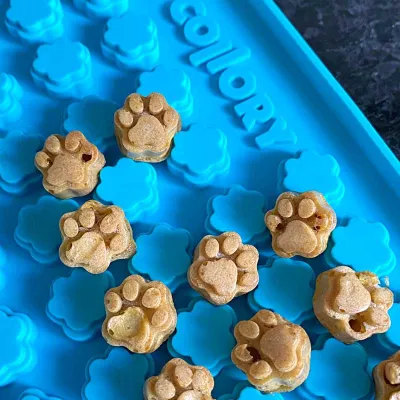
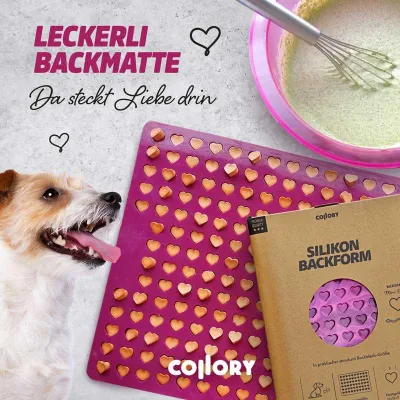
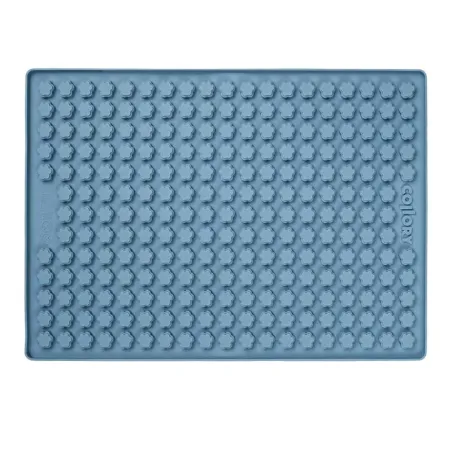
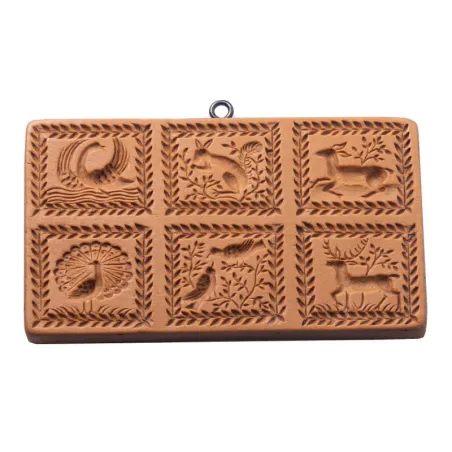
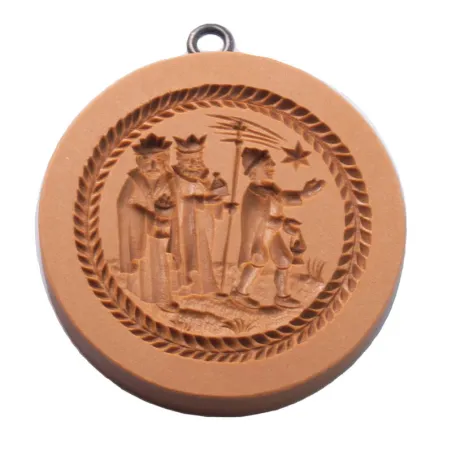
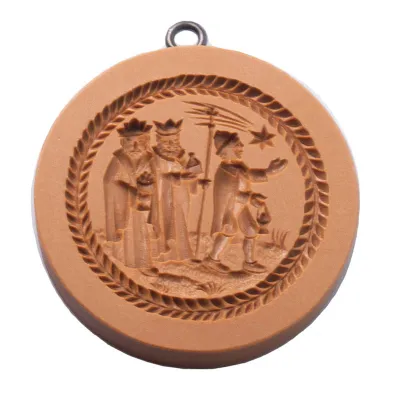
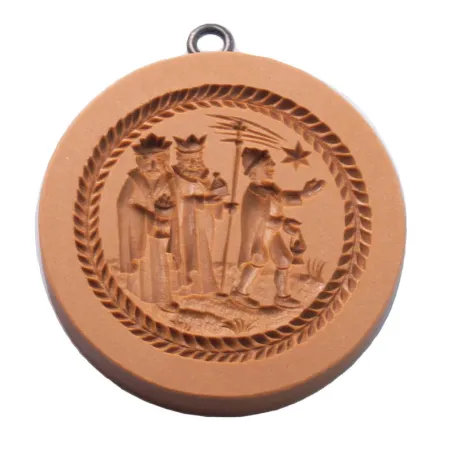
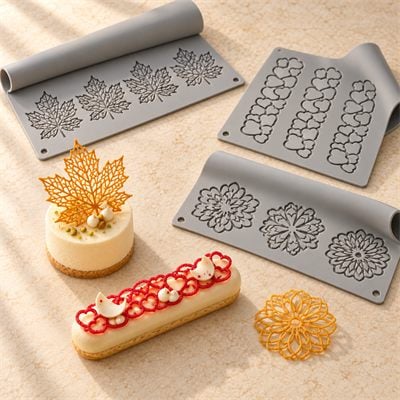
  • For special bakes: Gugelhupf moulds, loaf cake tins, novelty tins, tuile mats (Hüppen), florentine moulds, aniseed and Tirggel moulds such as Springerle moulds, disposable paper tins and even baking mats for dog treats.

Metal or silicone – which for what?

Metal conducts heat quickly and evenly. That is why sponge, loaf cakes, tarts and quiches belong in a metal tin: the base browns nicely and the edge turns crisp. Grease the tin thinly with butter or release spray and dust it lightly with flour; in a springform tin, a circle of baking paper on the base saves you a lot of work. For a sponge, leave the sides ungreased so the batter can climb them.

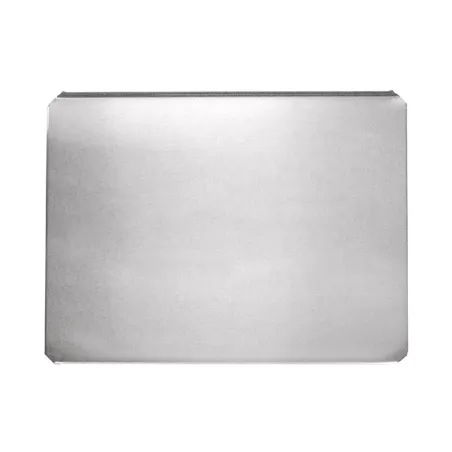
Silicone comes into its own for small and frozen items: mousses, ice cream desserts and half spheres pop out easily when frozen, and there is hardly any need to grease. Always stand silicone moulds on a baking tray in the oven so they do not lose their shape when you take them out.

Tips from our bakehouse

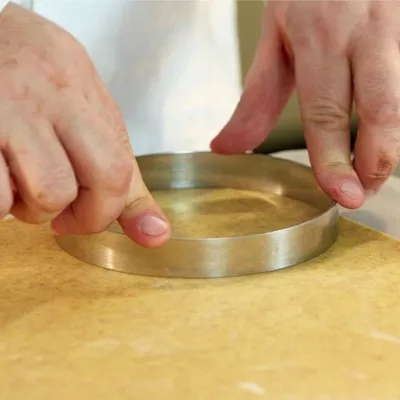
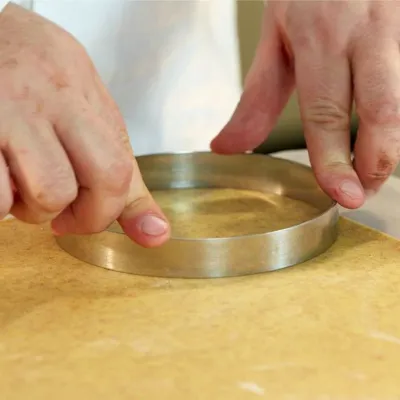
  • Cake ring instead of springform: bake the sponge in the ring, then layer the cake straight inside it. The sides come out straight and neat.
  • Blind baking a tart: line the pastry with baking paper and weigh it down with baking beans – the sides stay upright and the base flat.
  • Converting tin sizes: a Ø 26 cm tin holds roughly 40 per cent more batter than a Ø 22 cm tin. Adjust the quantity, or the cake will be too flat or overflow.
  • Care: wash non-stick metal tins by hand in warm water with a mild washing-up liquid. Never cut with a knife inside the tin – scratches make batter stick later on.

Frequently asked questions

What is a standard springform tin size?

Most recipes are written for Ø 24 to 26 cm. For small cakes or half quantities, Ø 18 to 20 cm is handy.

Can I bake a sponge in a silicone mould?

You can, but a sponge needs support at the sides to rise evenly. It works more reliably in a cake ring or metal tin – our foolproof sponge cake recipe shows you how.

Where can I learn to assemble a cake neatly?

In our cake courses in Adliswil, you build cakes layer by layer with tips straight from our confectioners.

Loading...
Back to top