Cornet paper 25 pieces
CHF3.90
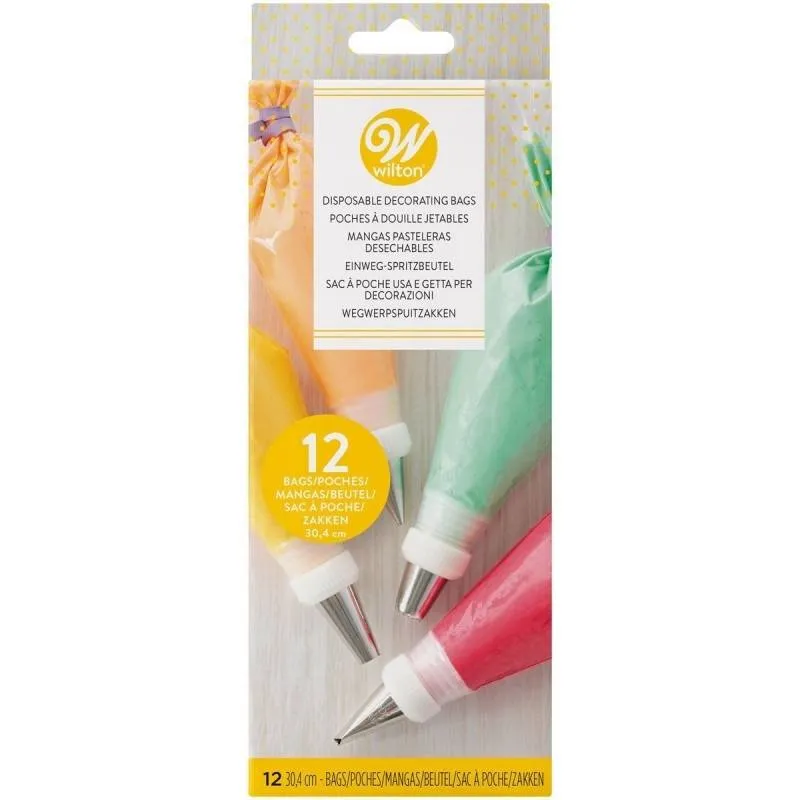
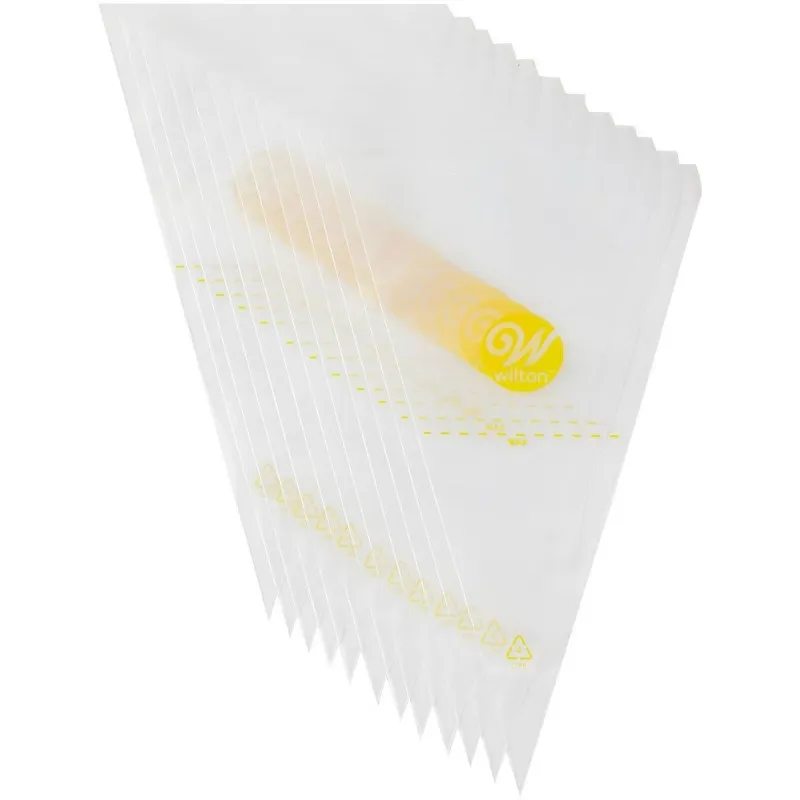
The disposable piping bag is versatile and ideal for filling various fillings and masses. The piping bags are mainly used for making chocolates, cakes or patisserie products. The piping bags are designed for single use and are made of very sturdy, food-safe plastic. The piping bags are also available in different sizes.
| Size | Length: 30 cm |
|---|---|
| Quantity | 12 piece |
| Material | Food safe plastic |
The disposable piping bags are truly multi-talented! You can use them for almost all your creations, desserts and savory snacks.
Instead of laboriously filling the muffin tins with a spoon, the batter can also be piped in with a piping bag without air pockets or dripping batter. While a reusable piping bag is also suitable for this type of batter or creations such as cream puffs and éclairs, disposable piping bags are required for other batters. The very sturdy food-safe plastic prevents the bag from tearing and changes the smell of your creations. The disposable piping bag is a consumable item that is essential. Those who opt for good quality will be rewarded during production. The piping bag is versatile and is ideal for filling various fillings and masses. The piping bags are mainly used for making chocolates, cakes or patisserie products. The piping bags are intended for single use.
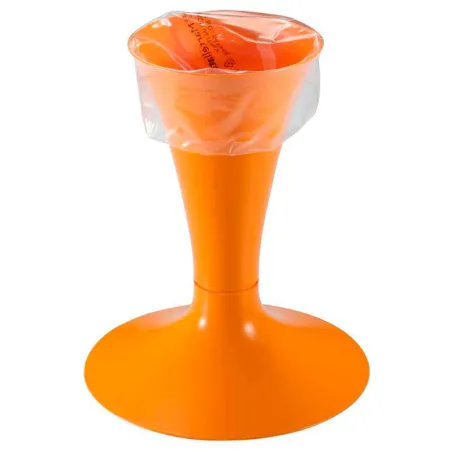
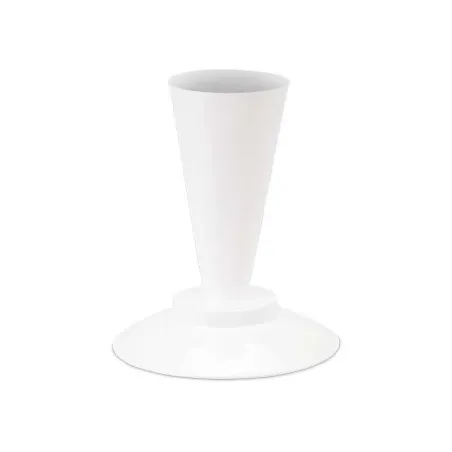
You have made your muffin batter in seconds. Cut a tip off the bottom of this piping bag and insert a perforated nozzle into the piping bag. The smaller opening should look out through the hole. If the hole is too small, cut off a little more of the piping bag. Now use the piping bag holder and place the practical piping bag with nozzle over it. It is best to bend the tip with the nozzle at the bottom so that the dough cannot flow out straight away. Now pour the batter into this disposable piping bag. Use a rubber scraper to scrape out every last drop of the remaining dough from the bowl. Carefully remove the pastry bag from the holder. Make sure that the opening at the bottom is still bent. If you are working with a professional piping bag for the first time, you should find someone who can help you to keep the opening bent.
If you fill the piping bag too full, it can happen that the dough swells up or out. Conversely, you can also fill the disposable piping bag too little. If this is the case, you will no longer be able to apply pressure to the mixture and the mixture will come out of the piping bag either with difficulty or unevenly. A good guideline is to fill about 2/3 of the piping bag.
Bring the piping bag into its original shape at the top opening. Now press the whole mixture down into the piping bag. Use your thumb and index finger to make smoothing movements downwards. Now twist the top opening of the piping bag as if you were wringing out a cloth. Secure the whole thing with a clip.
The piping bag is filled and well sealed. Take the disposable piping bag in your stronger hand. Clamp the top opening with the clip between your index finger and thumb. The bag should automatically lie in the palm of your hand. Now place the remaining fingers around the dressing bag. Now press the index finger and thumb, then the middle finger and finally the ring and little finger towards the ball of the hand in this order. The ball of the hand provides optimum support for the pressure build-up. Use your weak hand to stabilize the piping bag from above. Use the pressure to press the dough out of the piping bag with the nozzle. This allows you to fill the cupcake cases with the cupcake batter very precisely.
Pouring a mixture into a small mold is just the tip of the iceberg. It takes some practice at the beginning to get the hang of it. So don't despair if it doesn't work out as perfectly as you'd hoped at first. Over time, however, you will realize that piping bags are better than all spoons, especially when filling. Of course, piping bags can do much more than just filling. In confectionery, piping bags are used to decorate cakes, cupcakes and patisserie. A distinction is also made between waterproof fabric, plastic and plastic piping bags. You can equip the piping bags with the most creative nozzles and make beautiful buttercups. Or you can also pipe mousse or creams onto the plate to create beautiful bonnets. Of course, this not only applies to sweet masses, but also to savory cream toppings for cream soups, duchess potatoes or croquettes.
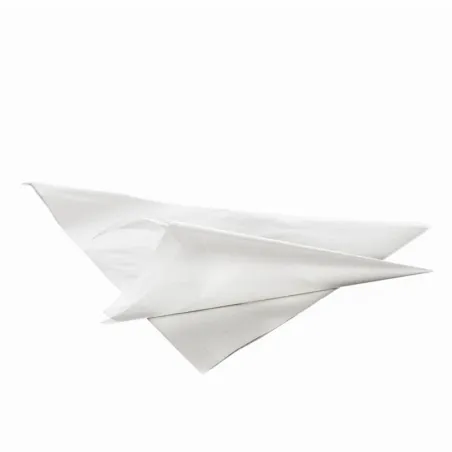
the piping bag is often used to fill chocolates or truffles with ganache. There is a small but subtle difference here: often no nozzle is used. This makes it easier to fill the piping bag because you only cut open the bottom of the piping bag after filling. A modified form of piping bag is used to decorate the chocolates or truffles: the cornet. This is actually a mini piping bag made from glassine paper and has exactly the same function. It is used to make up chocolate molds before the chocolate mold is completely filled with chocolate coating.