
Fougasse – the flatbread from Provence
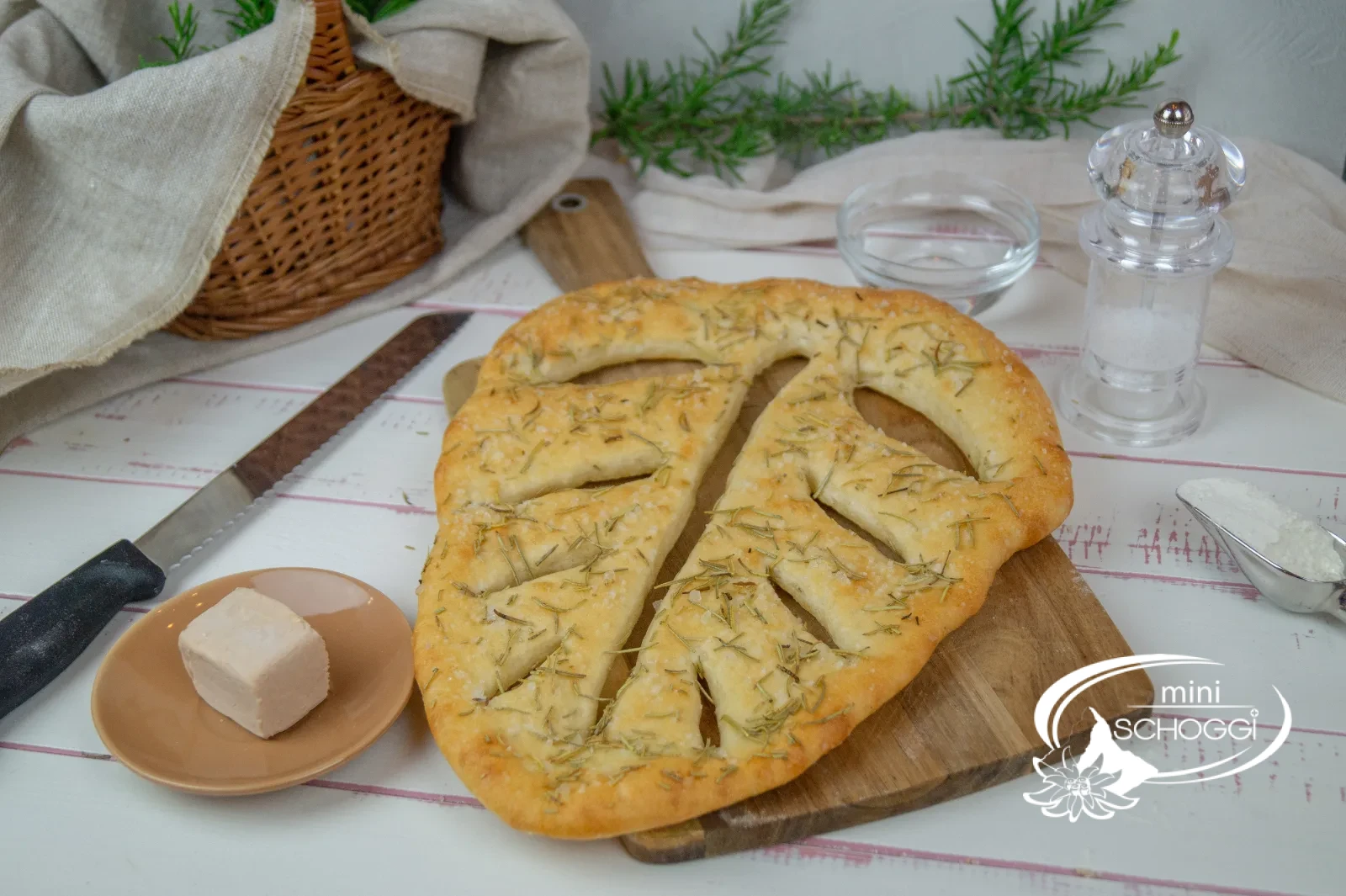
A simple wheat dough, cut like a leaf
Quantity3 pieces of 350 g
Active timeApprox. 45 min.
Total timeApprox. 2 hrs. 20 min.
contains gluten
The fougasse is a French bread from the Provence region, which is shaped flat and cut so that several «branches» form. Originally it was a «baking test» used by bakers to check the correct temperature of their ovens before baking the actual bread. This is how the fougasse also became the morning meal of the bakery staff.
There are many different variations of fougasse, lightly sweetened or with onions, olives, anchovies or bacon. The dough, however, always consists of wheat flour and baking yeast and is brushed with olive oil.
For the French, the fougasse is what the focaccia is for the Italians – where it comes from, what distinguishes it from focaccia and which variations exist in Provence, you can read in our article Fougasse: origin, variations and the difference from focaccia. I wish you lots of fun baking it!
Ingredients
Quantity:
DECORATION OF YOUR CHOICE
as neededFlour for dusting
as neededOlive oil for brushing
as neededSeeds (sesame, poppy, sunflower, pumpkin seeds, linseed)
Step by step
If you're in a hurry: the compact recipe card further down sums everything up.
Bread dough
1
Mix the ingredients – salt goes in last
Put all the ingredients except the salt into the Dough mixer. Mix the dough on speed 1 for about 4 minutes – this is the mixing phase. Add the salt during the last minute.
This is what you'll need


White flour, 1 kg
Wheat sourdough powder 500 g
Häussler Dough mixer NOVA Anthracite
2
Knead out until the windowpane test passes
Switch to speed 2 and knead the dough out for about 5 to 6 minutes – the kneading phase. Then do the windowpane test: gently stretch a piece of dough apart. If it tears, knead it a little longer.
3
Bulk proof: 30 minutes with three folds
Ideally, place the fully kneaded dough into a lightly oiled Proofing box or Bowl – sunflower oil works well – and cover it with a dough sheet. Now the dough rests for about 30 minutes at room temperature, and you fold it once every 10 minutes: press the dough from the outside into the centre and let it rest again. Repeat the whole thing three times.
This is what you'll need


Proofing box, 39 x 29 x 6 cm
Plastic dough sheets
Shaping
1
Dough portions: roll out three pieces of 350 g each into a triangle
After the 30 minutes, weigh out the dough into three equal pieces of 350 g each. Roll each piece out into a fougasse – the easiest way is to roll it out as a large triangle.
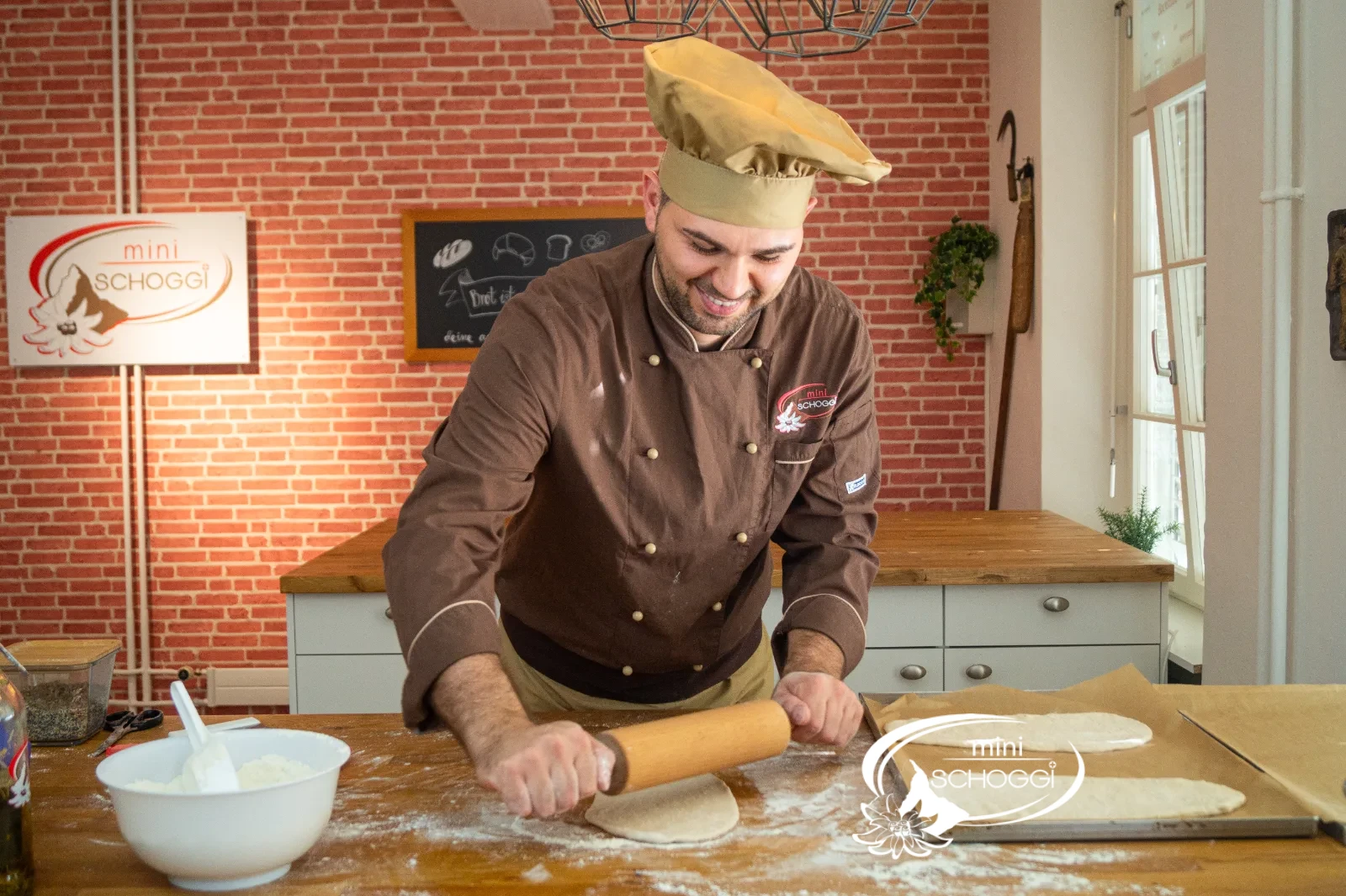
What you need for this


Metal horn
Rolling pin 28 cm
2
Final proof: 30 minutes – and preheat the oven
Place the finished shaped fougasses on a baking tray lined with baking paper and let them rest covered with a dough plastic for 30 minutes at room temperature. In the meantime, preheat the oven to 210 °C fan. Tip: With a bread baking stone and the steaming set, the fougasse becomes even crispier.
What you need for this


Plastic dough cloths
Adjustable perforated metal baking tray 40x35cm
Bread baking stone with pizza peel 40 x 30 x 2.5 cm
Steaming set
Scoring and baking
1
Scoring like a leaf
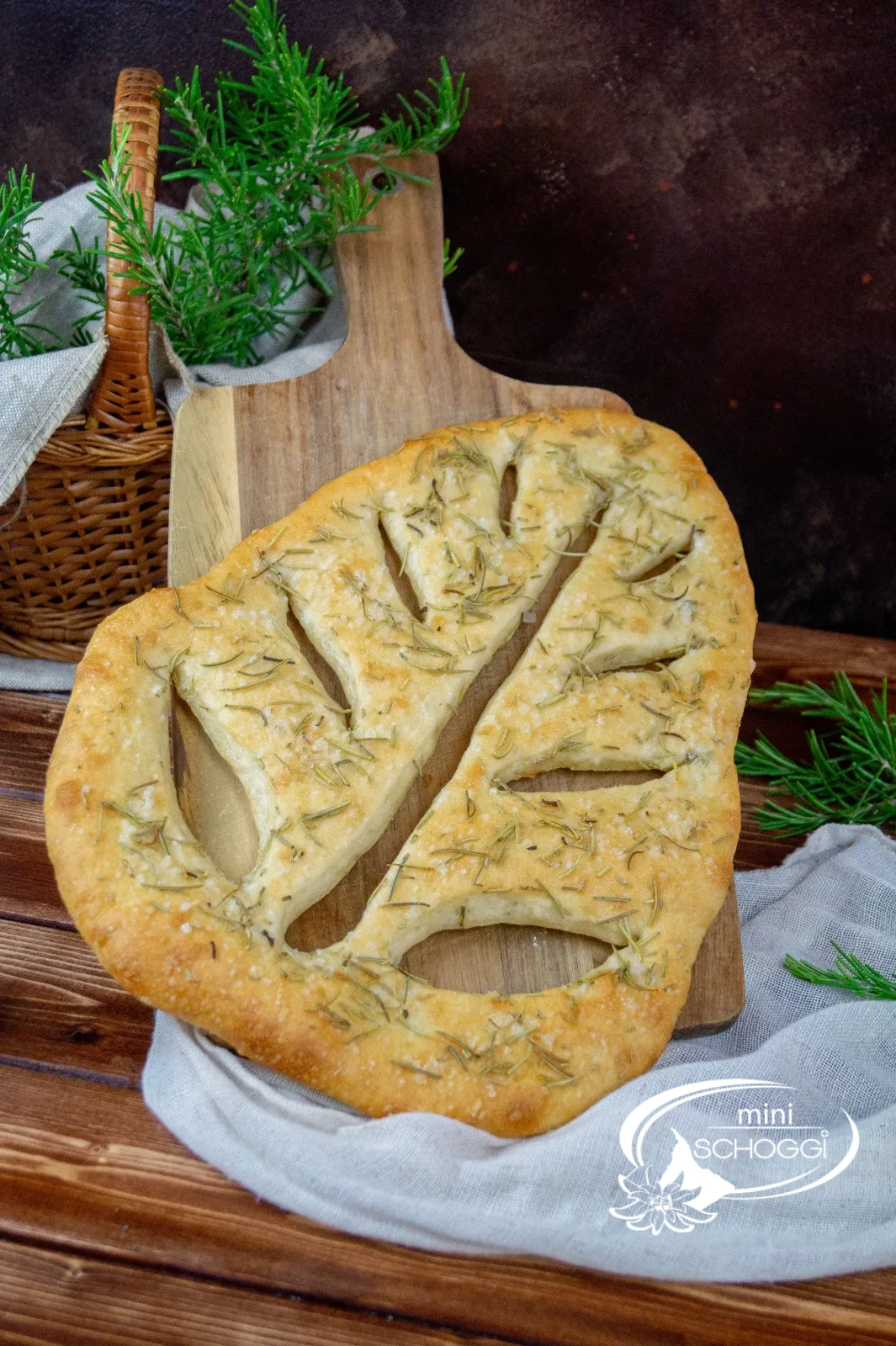
After the final proof, score the fougasse with a Baker's knife or a Pastry wheel – so that the pattern resembles a leaf with a central rib and side branches. Then gently pull the cuts apart with your fingers so they stay open during baking.
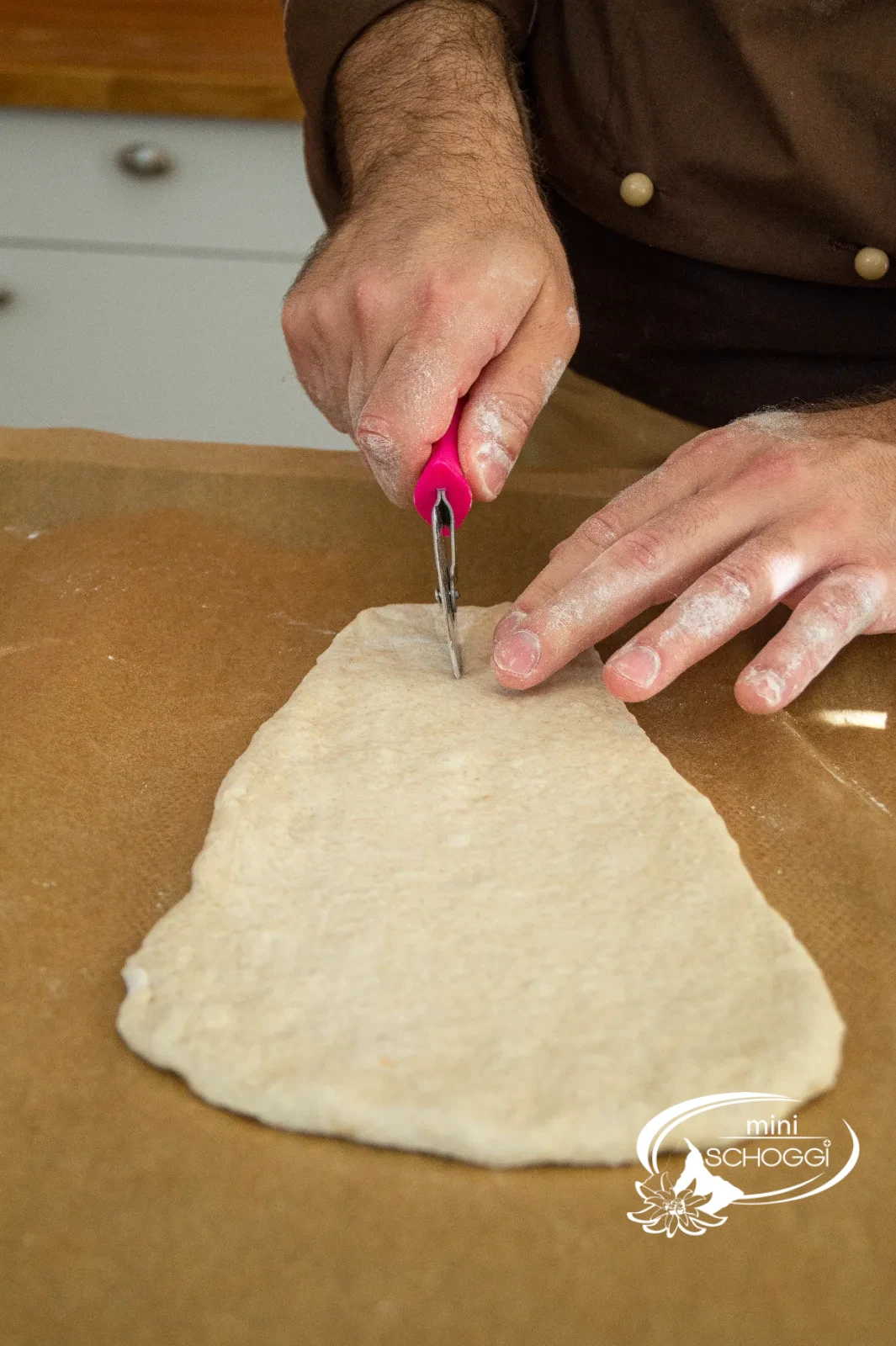
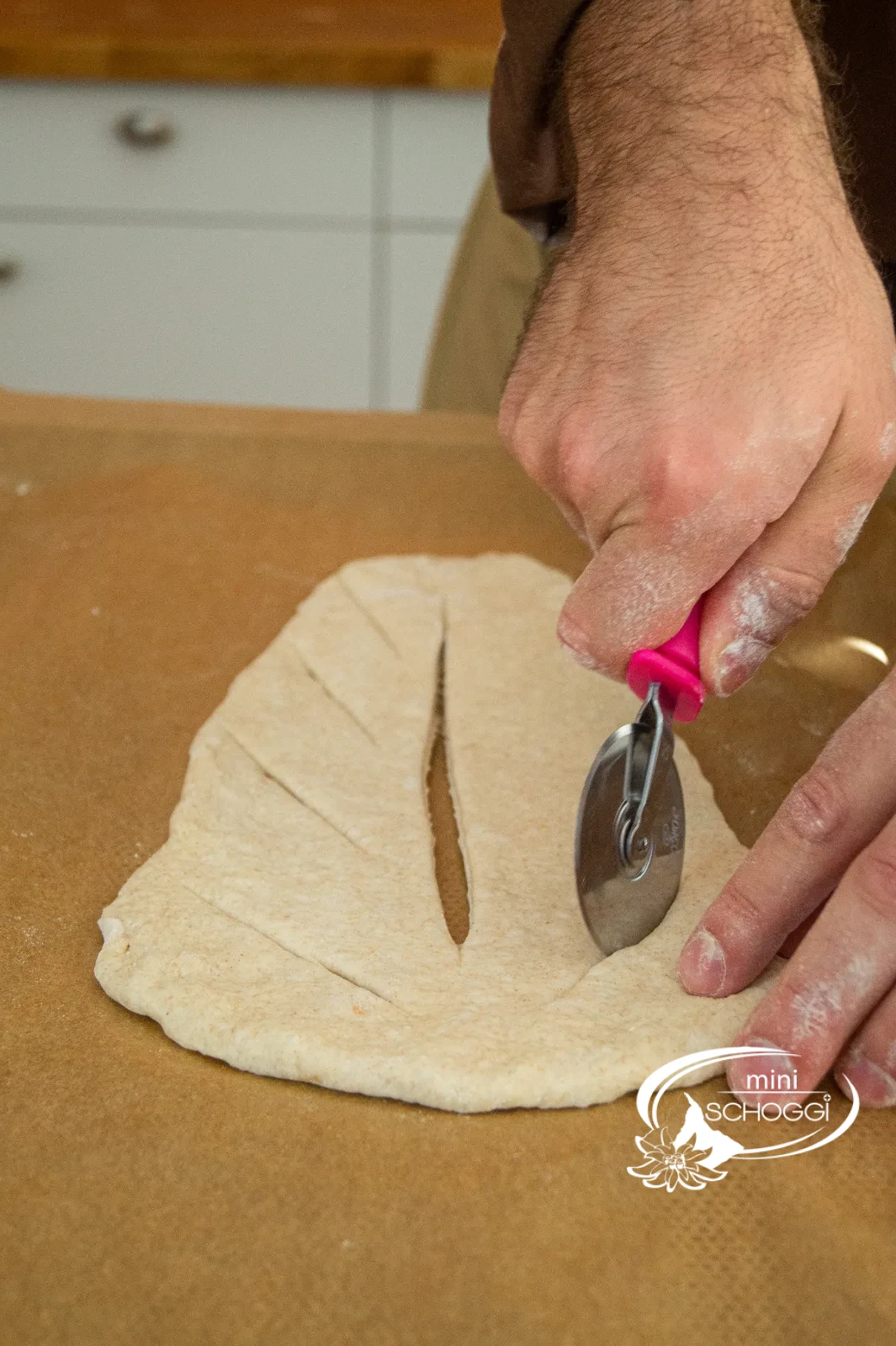
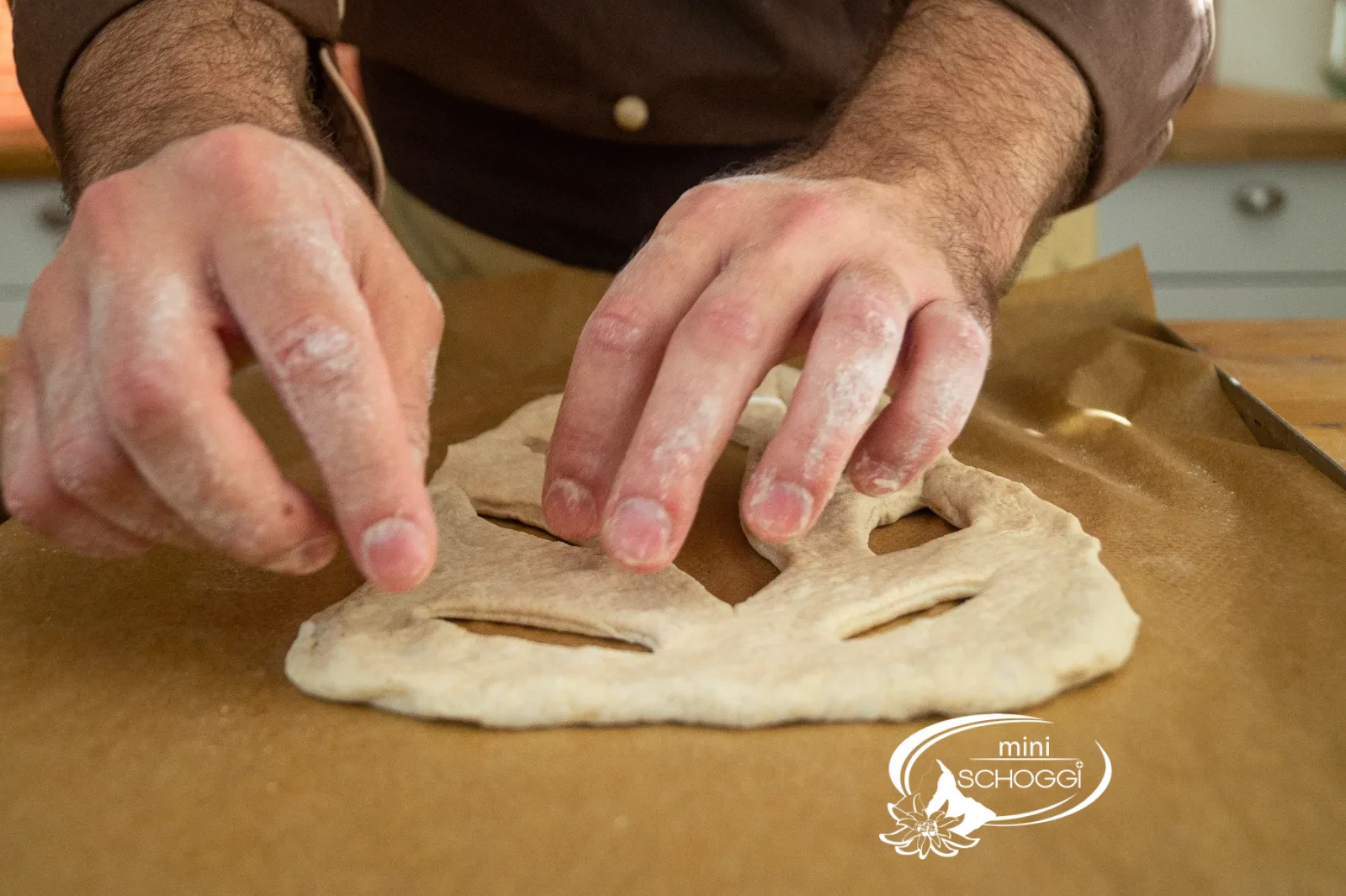
What you need for this

Baker's knife
2
Decorating and baking with steam
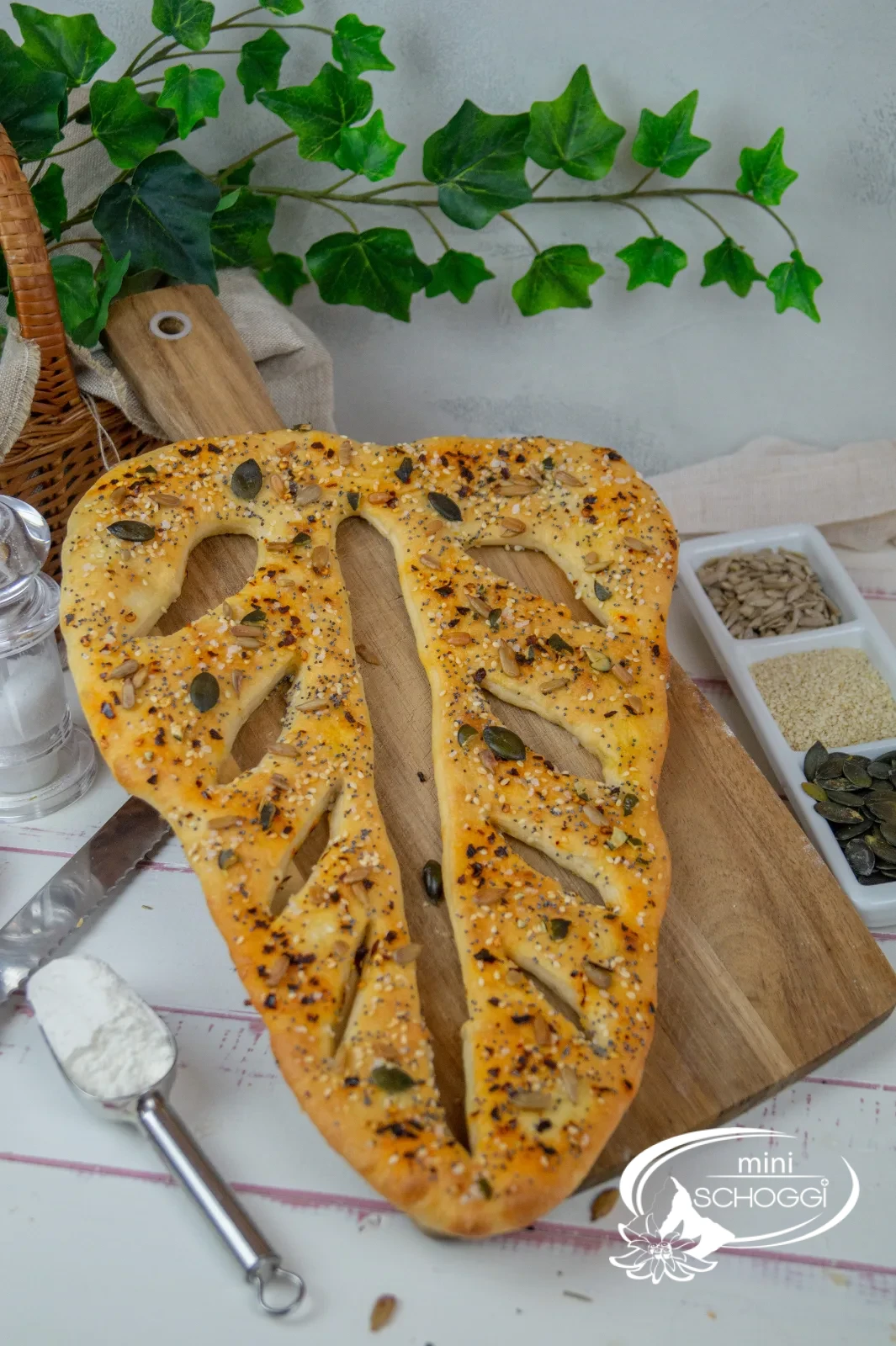
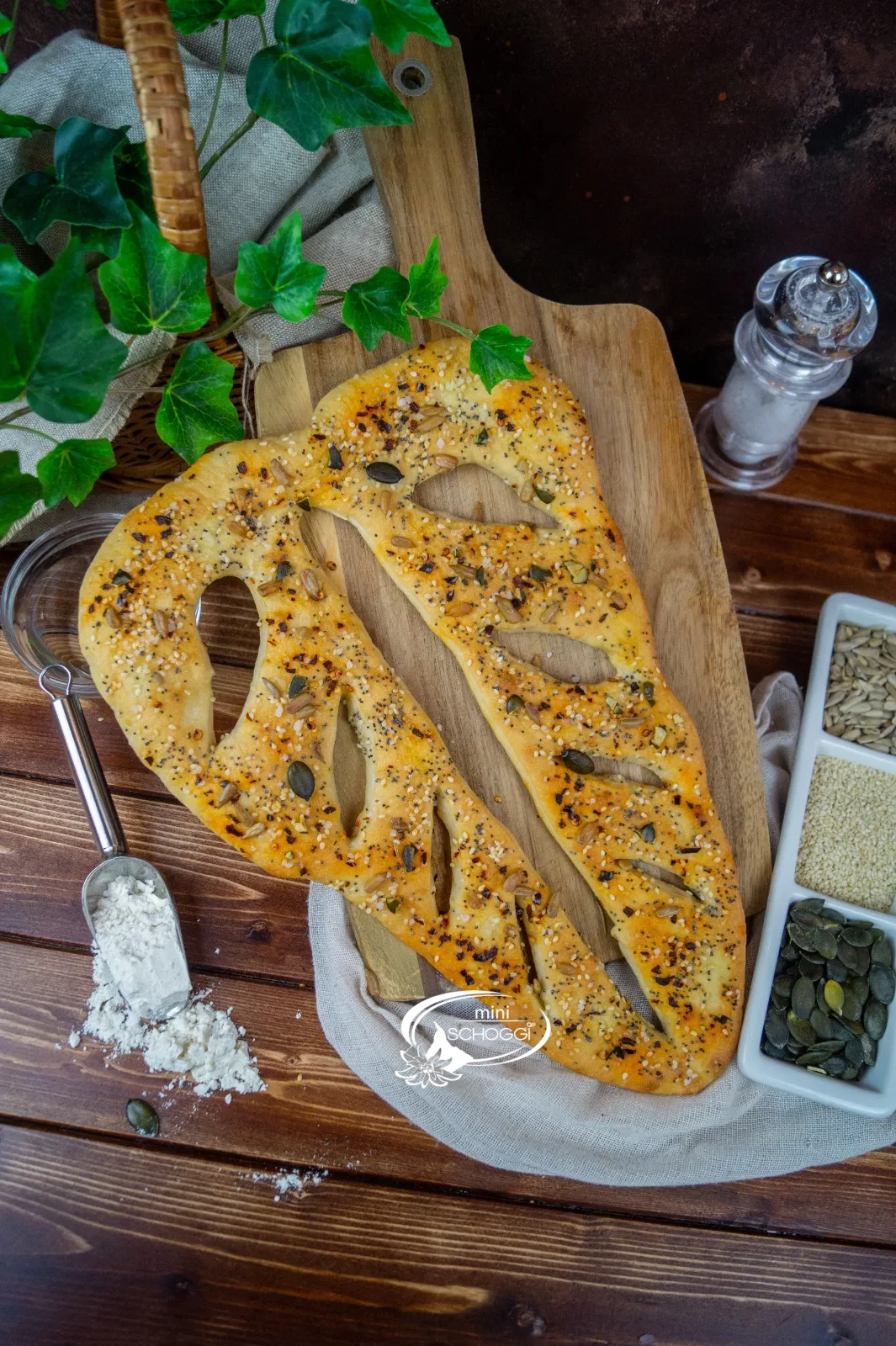
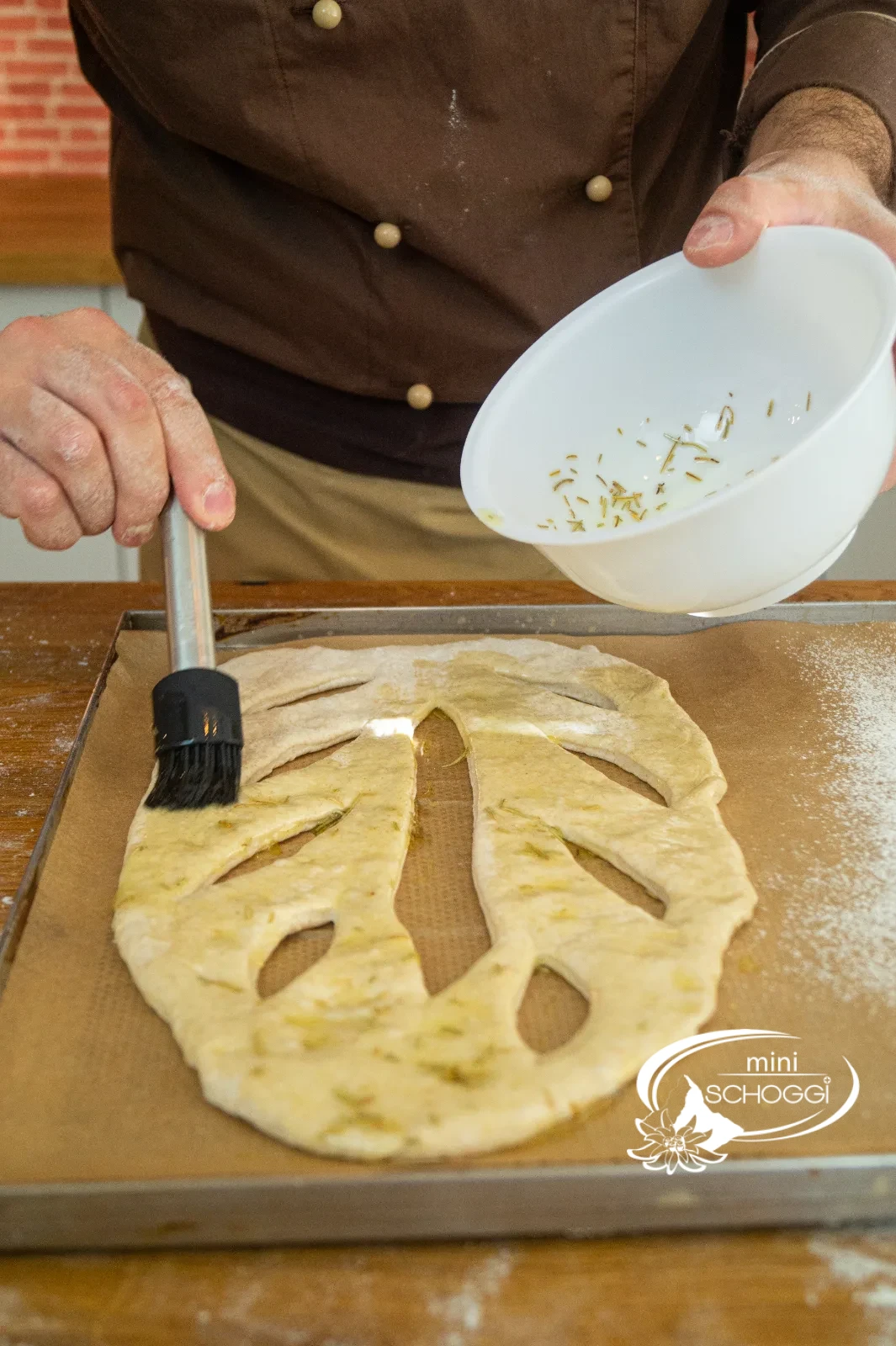
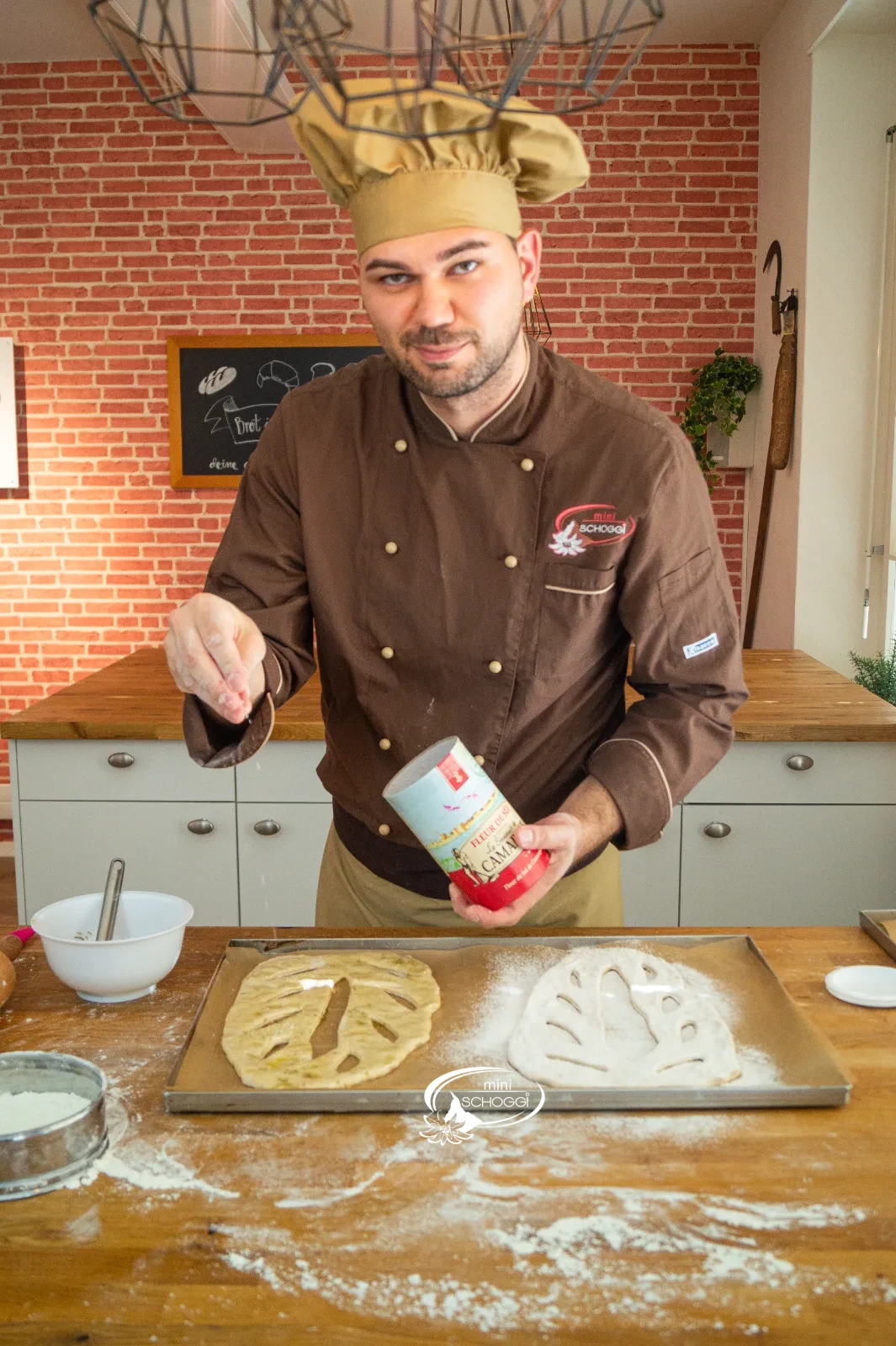
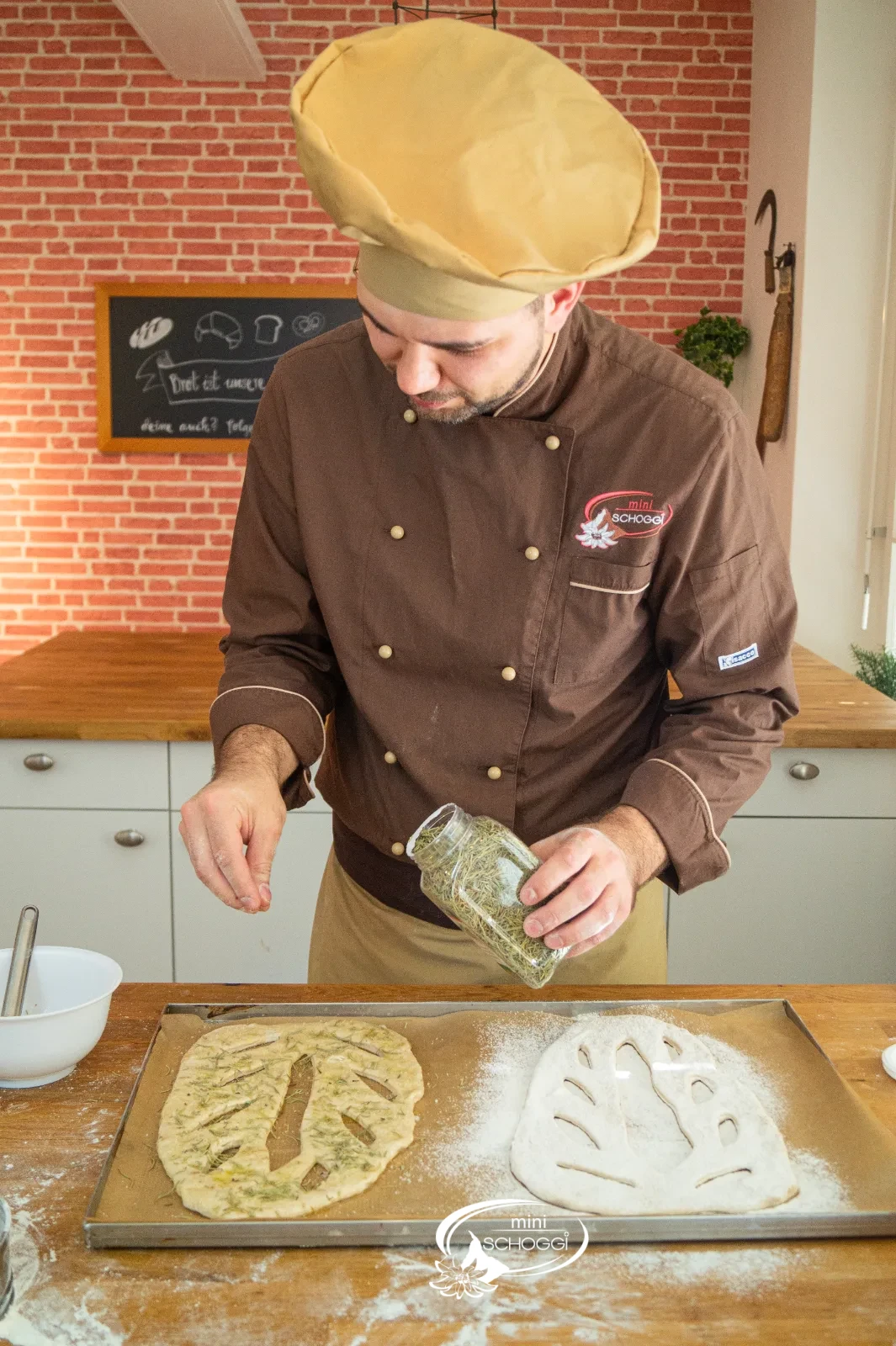
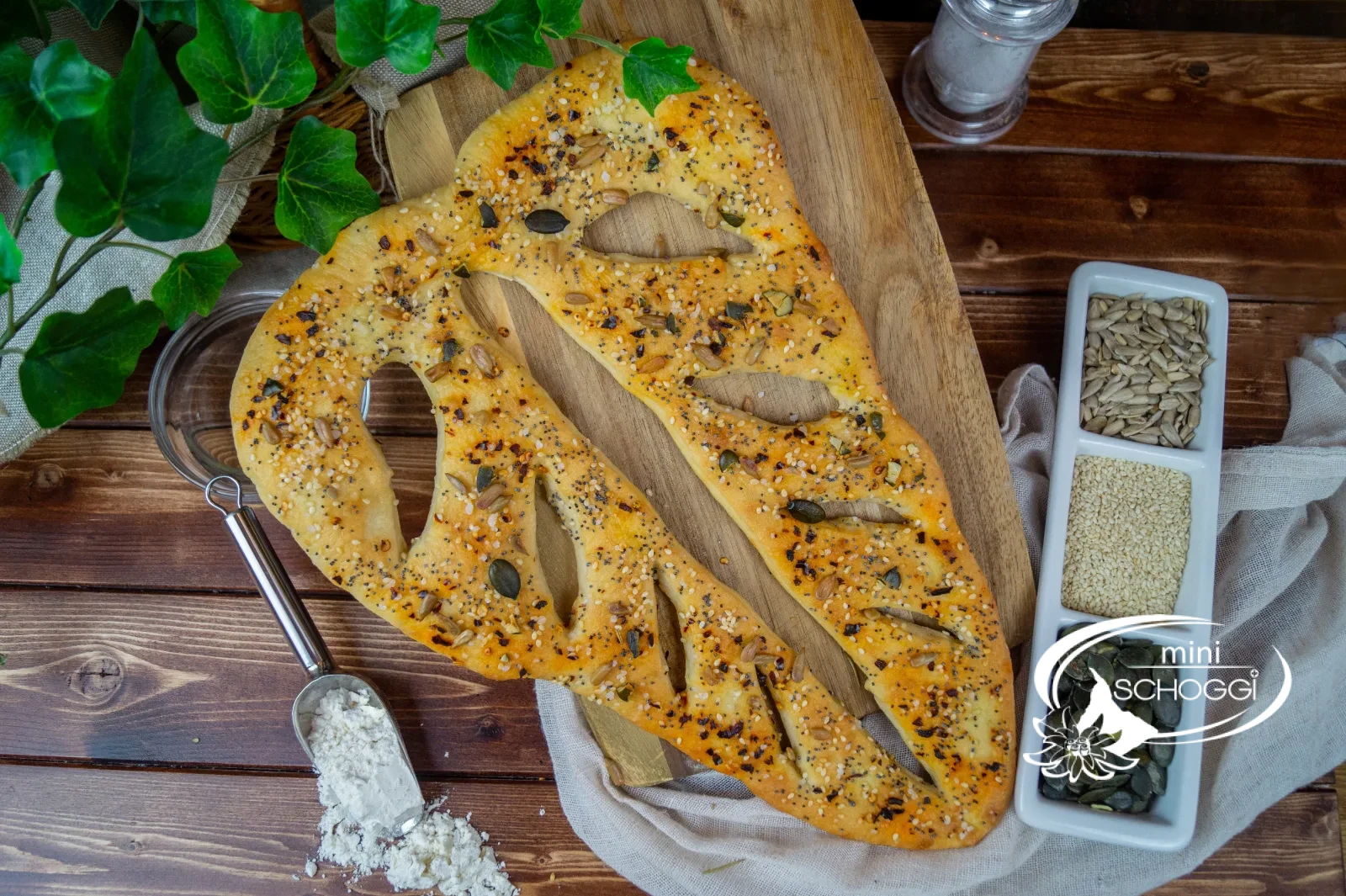
Now dust the fougasse either with flour or brush it with a little olive oil and sprinkle it with herbs – rosemary, for example – or with seeds and spices such as sesame, poppy seeds, sunflower seeds, pumpkin seeds, linseed, chilli flakes and salt.
Slide the finished, decorated dough straight into the oven and create steam. Bake the fougasse for 10 minutes at 210 °C with steam, then turn the tray and finish baking it golden brown in a further 5 to 10 minutes. Fresh from the oven, it goes perfectly with a dinner of cold cuts and cheese – or as an apéro with a glass of wine.
What you need for this
Compact · printable
Fougasse
Ingredients
Quantity:
Bread dough recipe
DECORATION OF YOUR CHOICE
Preparation
- Mix: Mix all ingredients except salt for 4 min. on speed 1, adding the salt in the last minute.
- Knead: Knead for 5–6 min. on speed 2 until the windowpane test holds.
- Bulk proof: 30 min. in the oiled proofing box, folding once every 10 min.
- Shape: Weigh out 3 pieces of 350 g each and roll each into a large triangle.
- Final proof: 30 min. covered on the tray, preheat the oven to 210 °C fan.
- Score: Cut in a leaf pattern and pull the cuts apart.
- Bake: 10 min. with steam, then turn the tray and finish baking for 5–10 min. until golden brown.
Nutritional values per 100 g
357kcal
1.3 gFat
73.8 gCarbohydrates
10.1 gProtein
Storage & shelf life
Freshly baked fougasse tastes best straight from the oven, of course. But it keeps easily for 2 to 3 days, though it does get a little drier each day. It's best to store it in a bread bag or paper bag – in plastic the crust goes soft.
Fougasse freezes well: pack it once cooled, and to thaw put it in the oven for a few minutes at 180 °C. Then the crust is crispy again.
Everything for this recipe
Recommended from our bakery — exactly the sizes the recipe was tested with.
Ingredients
White flour, 1 kg
Wheat sourdough powder 500 g
Bread spice 100 g
Accessories
Proofing box, 39 x 29 x 6 cm
Plastic dough cloths
Metal horn
Rolling pin 28 cm
Adjustable perforated metal baking tray 40x35cm
Steaming set
Baker's knife
Silicone brush, 20 cm
Delivery in 1–2 working days · Free shipping from CHF 100
A nice touch
Not needed for the recipe — but it fits.
Häussler Dough mixer NOVA Anthracite
Bread baking stone with Pizza peel 40 x 30 x 2.5 cm
So it turns out perfectly every time
Steam makes the crust
The crispy crust comes not from the heat alone, but from the steam in the first few minutes. With the steaming set you get it reliably; without one, place a heatproof dish of hot water on the oven floor. Important: the steam has to be there when you load the loaf, not just five minutes later.
The windowpane test decides, not the clock
5 to 6 minutes is a guideline – every machine kneads differently. So gently pull a piece of dough apart: if it stretches into a thin, almost translucent film, the gluten structure is ready. If it tears before that, keep kneading.
Open the cuts properly
A cut alone isn't enough: if you don't pull the incisions apart with your fingers, they'll close up again in the oven and the leaf pattern turns into a flatbread. Go ahead and open the slits generously – the dough will pull together again during baking anyway.
Frequently asked questions
Both descend from the Roman hearth bread: the focaccia from Italy is thicker and softer, the fougasse from Provence flatter and cut like a leaf. The full story – origins, regional variants and how the fougasse is served – is in our article Fougasse: origins, variants and the difference from focaccia.
It isn't necessary – the dough rises with the yeast alone. But the sourdough powder brings flavour and a finer crumb, and it keeps the bread fresh a little longer. If you leave it out, simply replace the 18 g with the same amount of flour.
While preheating, place a heatproof tray or a cast-iron pan on the oven floor and pour a cup of hot water into it as you load the loaf. Then close the oven door quickly. Alternatively, spray the fougasse and the oven walls with a plant mister – the effect is smaller, but much better than no steam at all.
Print recipe
Choose what should appear on the printout.
Related products
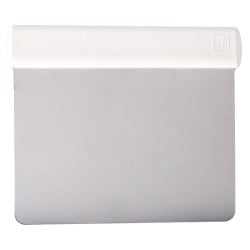
Metal horn
Price: CHF14.90
Rated out of 5 stars based on
review(s)
bitte einloggen
A metal horn is essential for creating your own hollow praline molds, for...
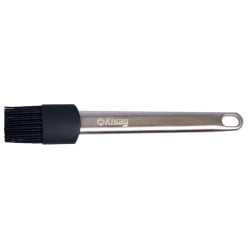
Silicone brush, 20 cm
Price: CHF16.90
Rated out of 5 stars based on
review(s)
bitte einloggen
This silicone brush should not be missing in any kitchen. It is heat...
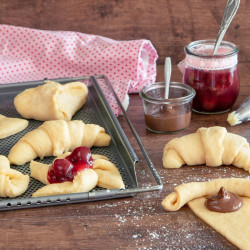
Adjustable baking tray with perforation metal 40x35cm
Price: CHF44.90
Rated out of 5 stars based on
review(s)
bitte einloggen
Mhmm... how that smells. Freshly baked bread with a delicious crispy crust....
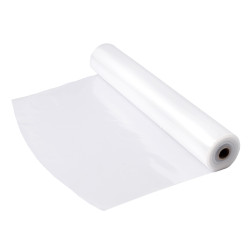
Plastic dough towels
Price: CHF19.90
Rated out of 5 stars based on
review(s)
bitte einloggen
Are you tired of constantly having to scrape your dough pieces off the...
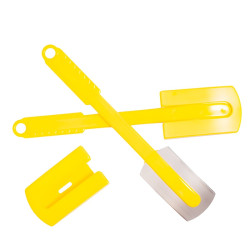
Baker's knife
Price: CHF10.50
Rated out of 5 stars based on
review(s)
bitte einloggen
Caution sharp! Keep out of reach of children.
Cut your dough...
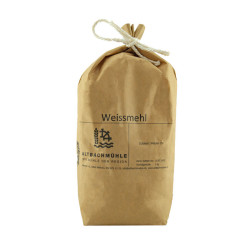
White flour, 1 kg
Price: CHF4.50
Rated out of 5 stars based on
review(s)
bitte einloggen
White flour is suitable for pastries of all kinds, from bread to cakes to...
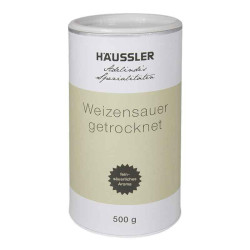
Wheat sourdough powder 500 g
Price: CHF19.90
Rated out of 5 stars based on
review(s)
bitte einloggen
With this dried wheat sourdough you give your bread the typical taste of a...
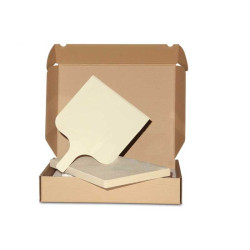
Bread baking stone with pizza shovel 40 x 30 x 2.5 cm
Price: CHF89.50
Rated out of 5 stars based on
review(s)
bitte einloggen
Perfect pizza, crusty breads and pastries like from the baker himself are...
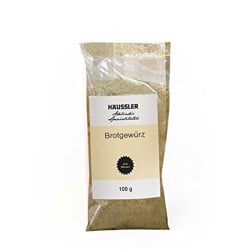
Bread spice 100 g
Price: CHF6.90
Rated out of 5 stars based on
review(s)
bitte einloggen
With bread seasoning you create wonderfully flavorful breads. With just a...
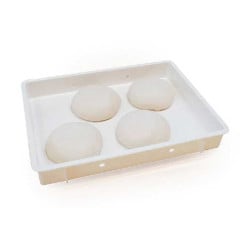
Fermentation box, 39 x 29 x 6 cm
Price: CHF29.90
Rated out of 5 stars based on
review(s)
bitte einloggen
This proofing box made of high-quality food-safe plastic is perfect for...
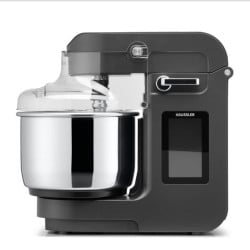
Häussler dough kneading machine NOVA Anthracite
Price: CHF1,990.00
Rated out of 5 stars based on
review(s)
bitte einloggen
A professional kneading machine in compact format: The new Nova dough...
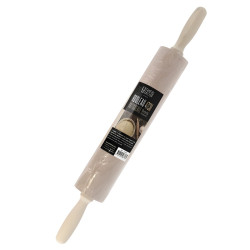
Rolling pin 28 cm
Price: CHF11.90
Rated out of 5 stars based on
review(s)
bitte einloggen
The rolling pin must not be missing in any kitchen. Because rolling out a...

Vaporization set
Price: CHF35.00
Rated out of 5 stars based on
review(s)
bitte einloggen
Airy, crispy and super delicious. The lava stone steaming set is the secret...
Bewertungen
Leave a comment
Related posts
 Pumpkin bruschetta
A delicious recipe for making an autumnal pumpkin bruschetta. A few steps to a real treat for the palate.
Read more
Lace stars
Have you always wanted to make pretzel pastries at home? We'll show you how to bake delicious pretzel star-shaped...
Read more
The three best burger recipes
Learn how to make delicious brioche burger buns and our three different flavour recommendations in this blog post. As...
Read more
Wild Garlic and Asparagus Bruschetta
This delicious bruschetta is anything but classic. We took a look around in nature and found wild garlic! This...
Read more
Dinnete with a wild garlic and cheese topping
Wild garlic not only looks good in soups or bruschetta, the plant also comes into its own on dinnetes. The pizza-like...
Read more