
Making cherry stengeli yourself — cherry stengeli Zurich
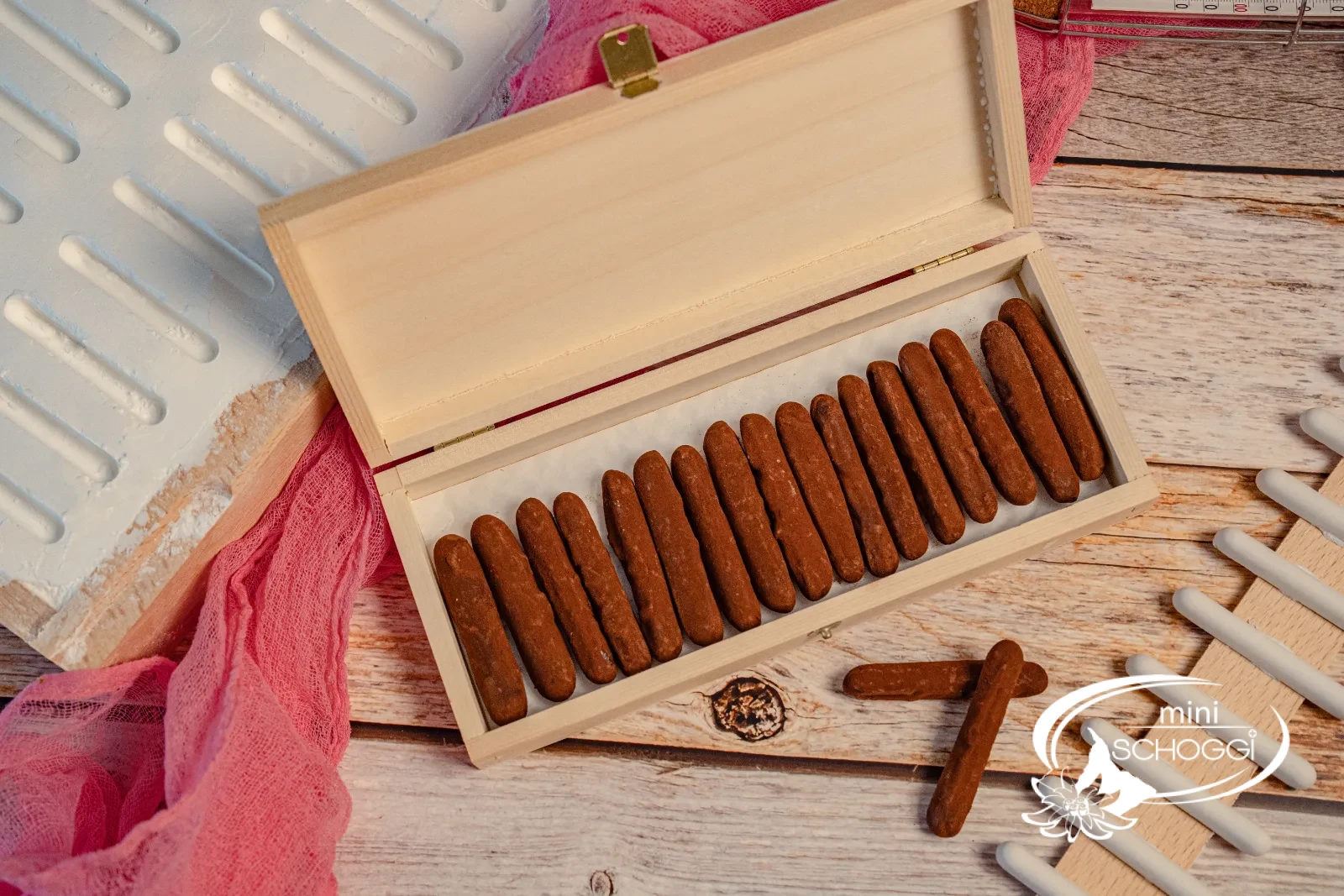
The supreme discipline of praline making
QuantityApprox. 2 powder boxes (88 pieces)
Active time2 hrs
Total time2 days
MilkSoyAlcohol
Cherry stengeli Zurich are an absolute Swiss classic and delight every generation. Whether as a little treat in between, with afternoon tea or in the evening on the couch — the fine Chocolate sticks always go down well.
But how are they actually made, and what do you need to keep in mind? Well, here's the thing: there's a good reason cherry stengeli belong to the supreme discipline of praline making. You need the right equipment, plenty of patience and you have to work very precisely.
To help you succeed with this fine Praline, we've recorded a detailed explanatory video and described this post in as much detail as possible. You'll find the equipment in our online shop — pick out your favourite stamps and start pouring.
There's one thing you should be able to do beforehand: temper couverture correctly. Without that, the coating turns grey instead of glossy.
It's worth it. So, what are you waiting for?
The recipe on video
8:40 min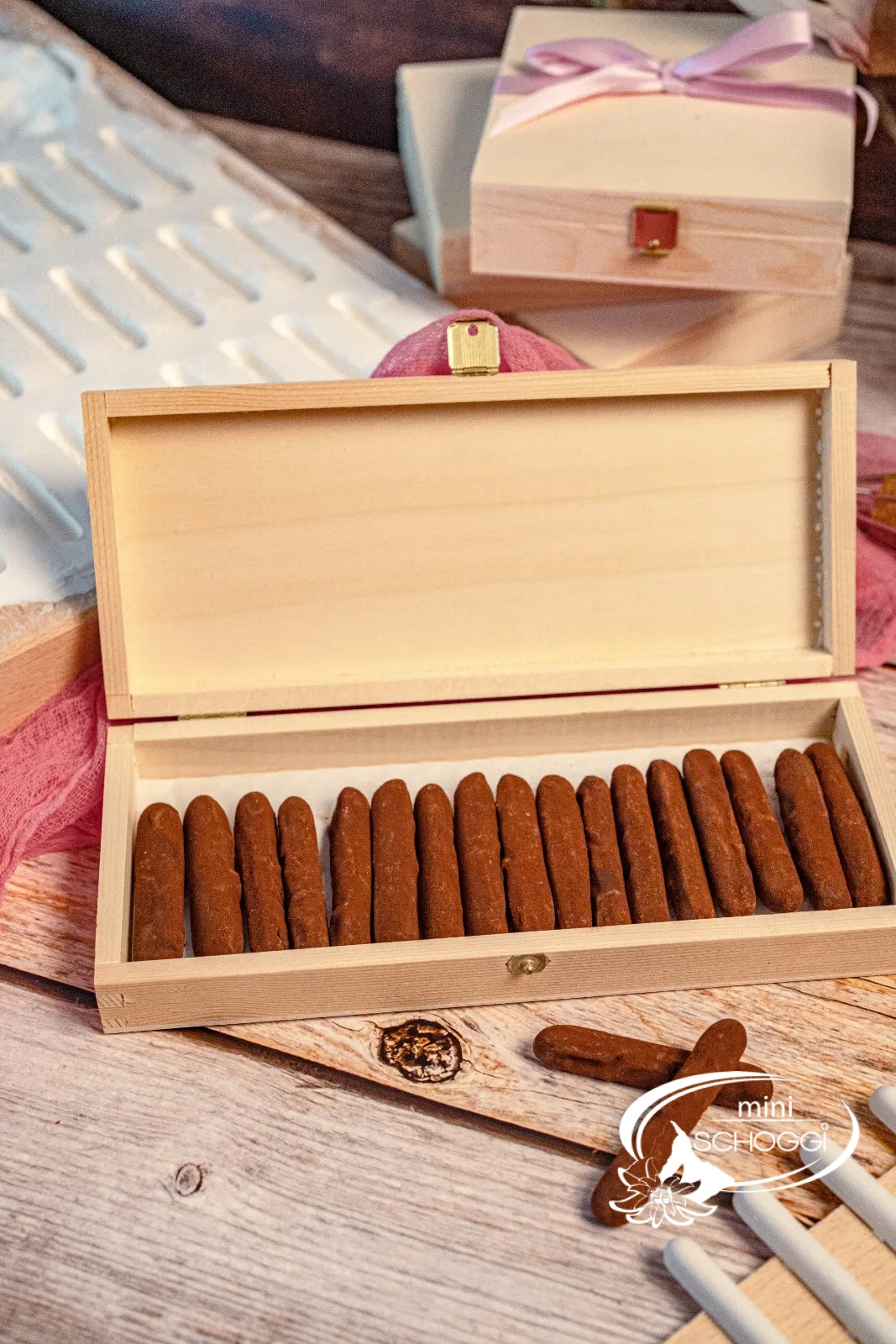
Ingredients
Quantity:
Powder mixture
2 kgWheat starch
1 kgCorn starch
Cherry syrup
500 gGranulated sugar
200 gWater
100 gKirsch, at least 40 % vol.
Step by Step
If you're in a hurry: the compact recipe card further down sums everything up.
Preparing the powder boxes
1
Mix and sift the starch
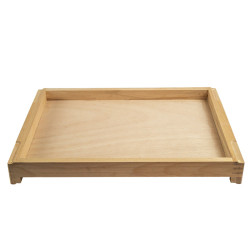
Mix the wheat starch with the corn starch and pass it through a sieve — or sift both directly into the powder box. The only thing that matters is the ratio: two thirds wheat starch, one third corn starch. And the box needs to be well filled.
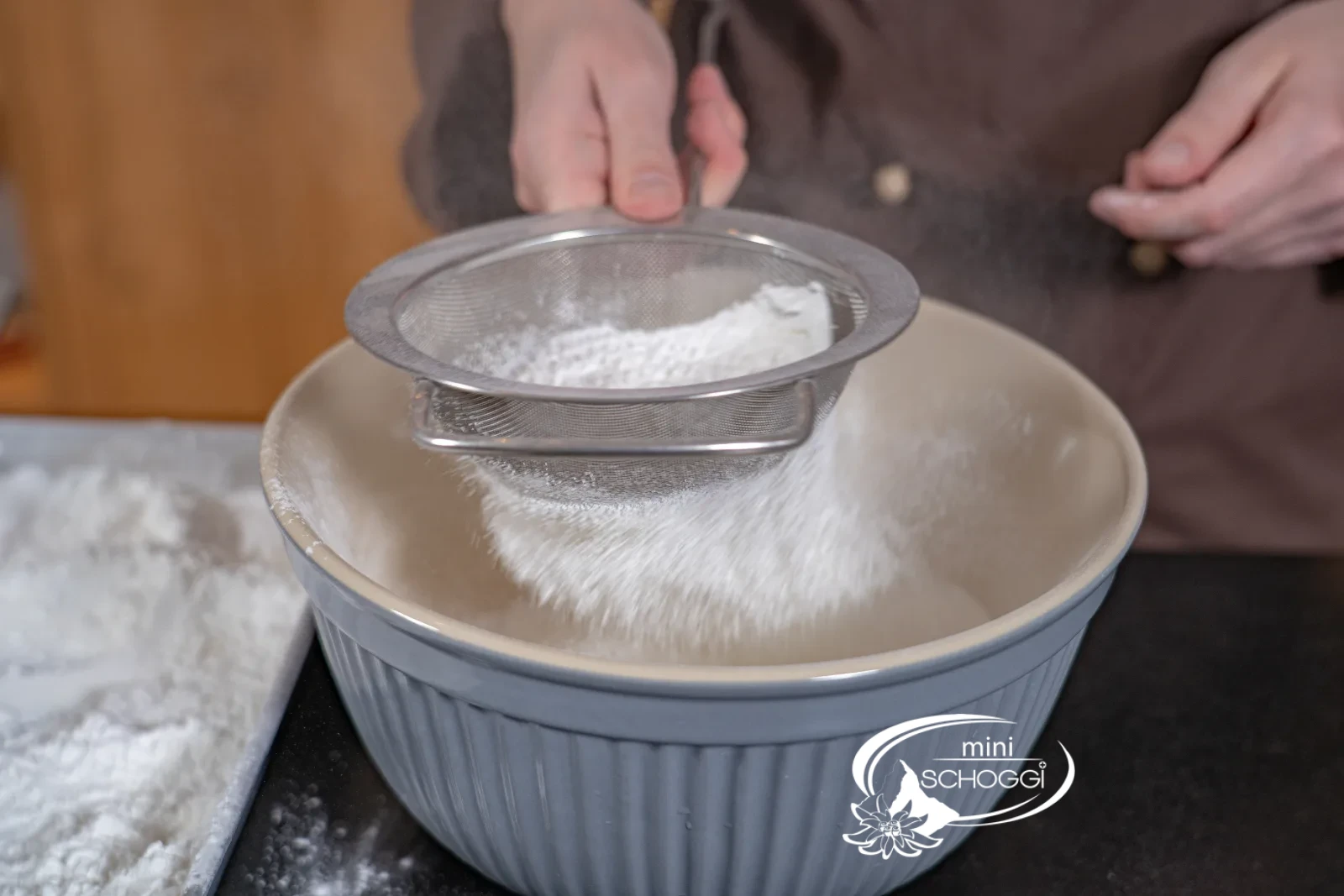
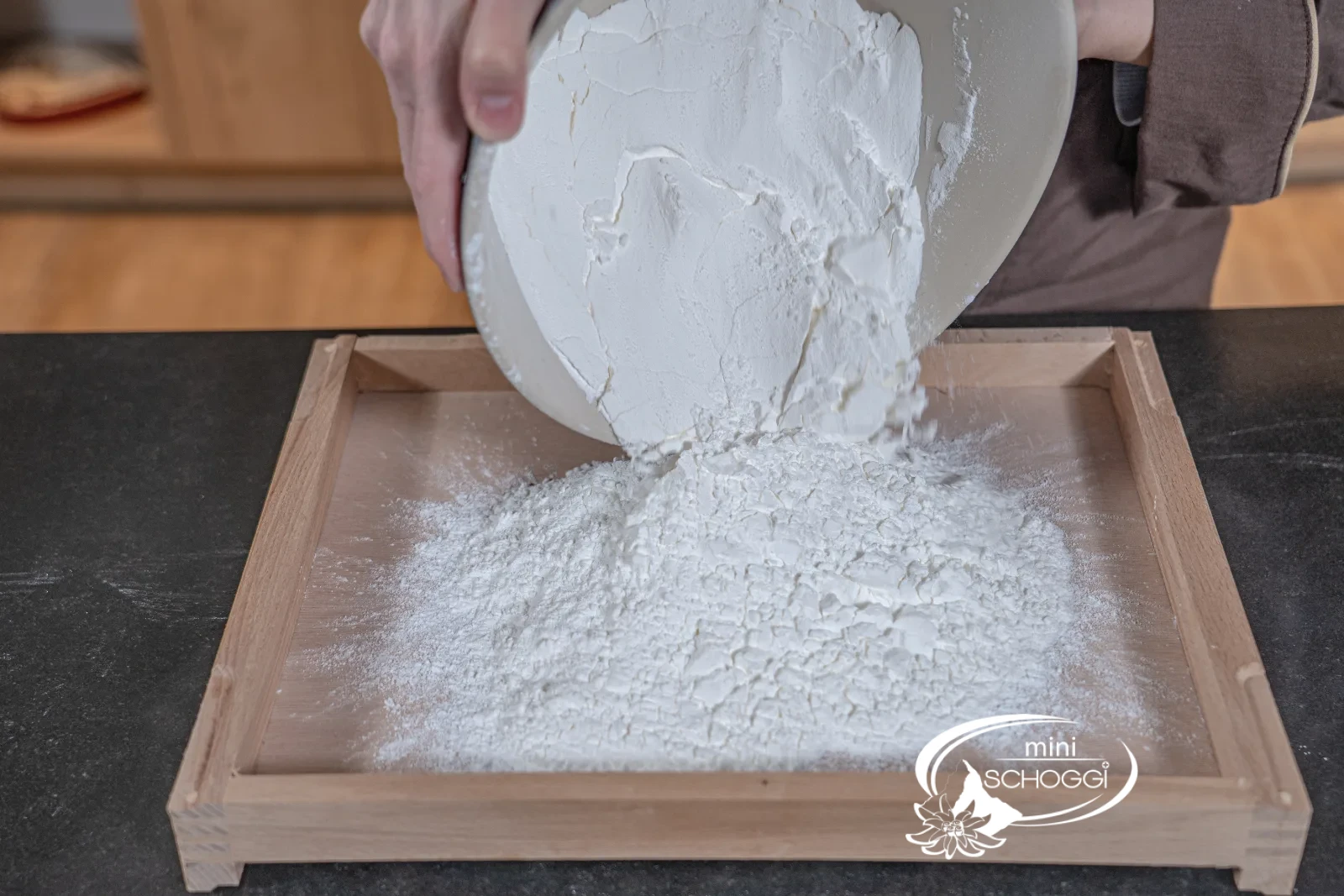
What you'll need for this


Powder box for cherry stengeli
Wooden bar for powder box
Flour sieve with frame Ø 16 cm
2
Dry for eight hours
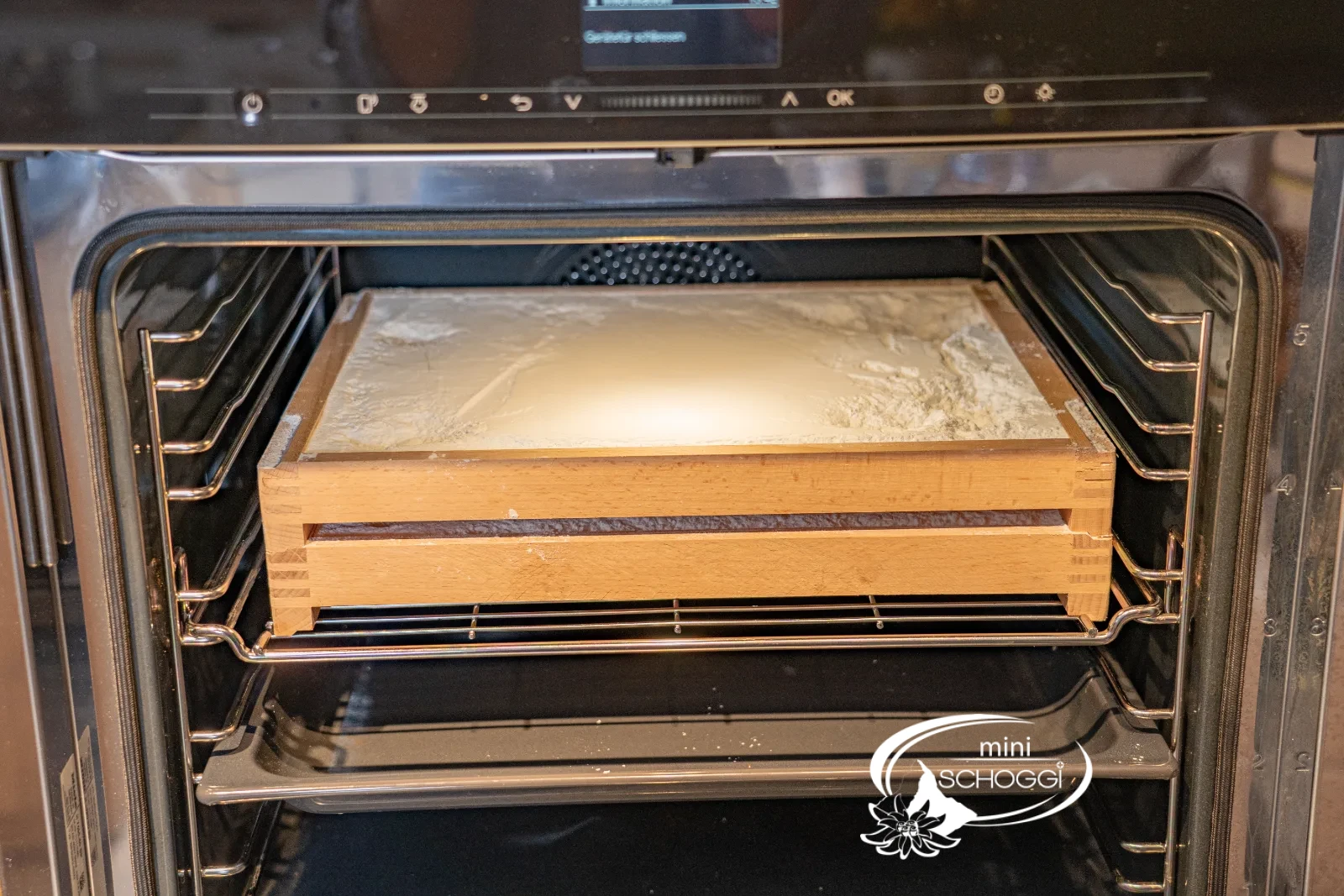
It's best to prepare two or three boxes at once, so you only have the effort once. Stack them on top of each other and place them in the oven for at least eight hours at 50 °C fan. That way the powder gets properly dry.
3
Loosen and smooth
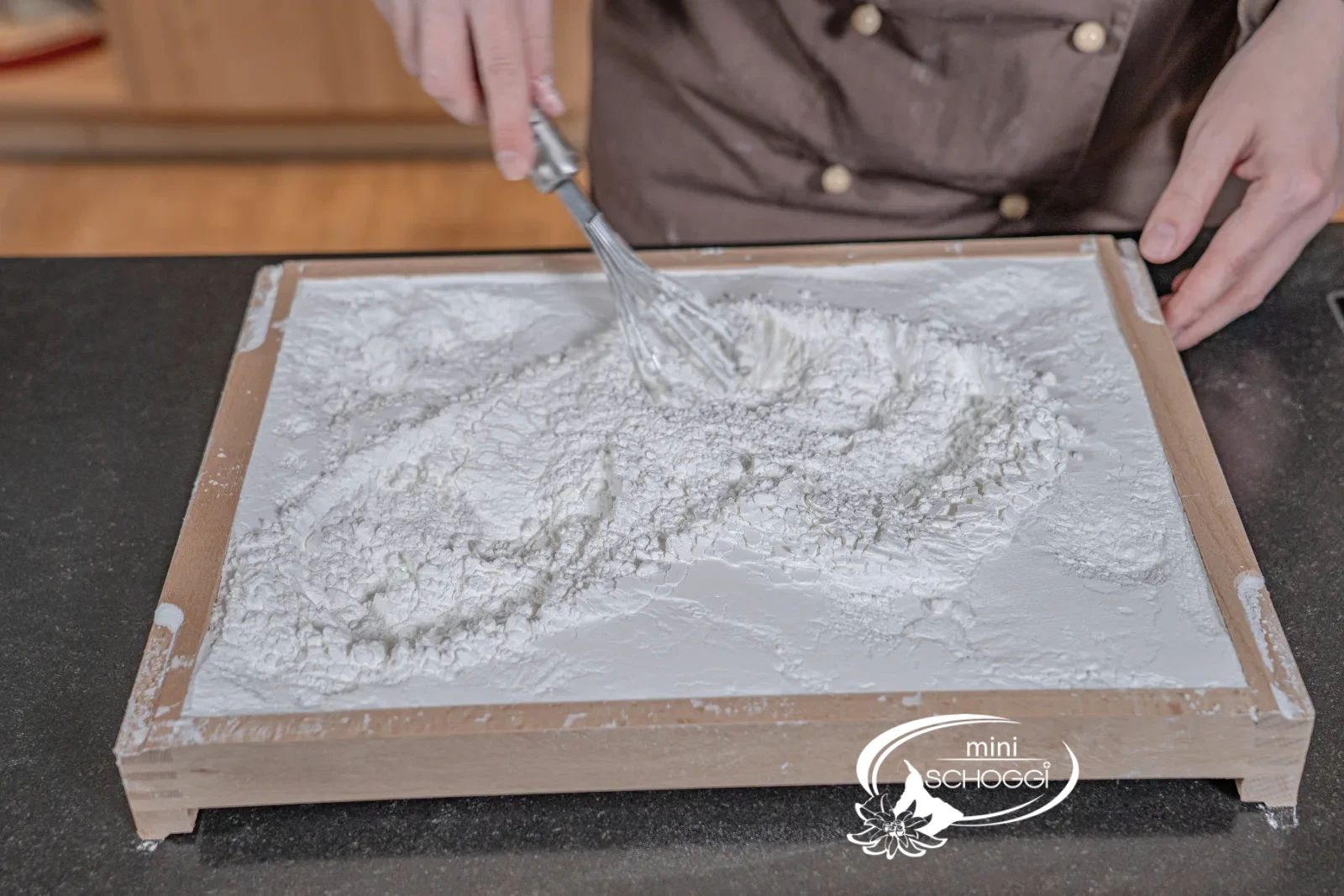
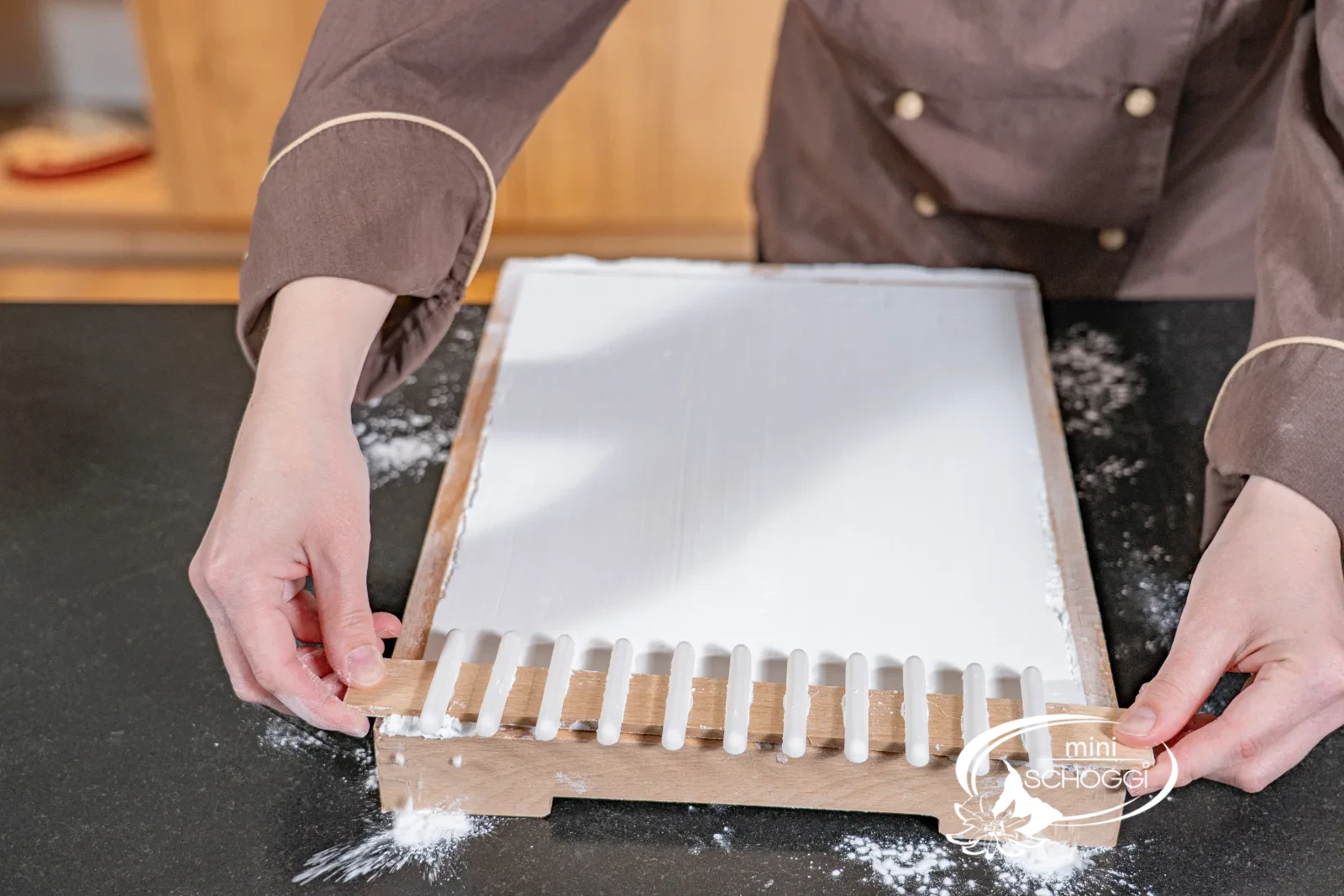
Take the boxes out of the oven and loosen up the starch mixture with a whisk — just run it through. Then smooth it out again: ideally with the back of the wooden stick to which the plaster stamps are attached. Run over it several times until the surface is really even.
4
Stamp the moulds
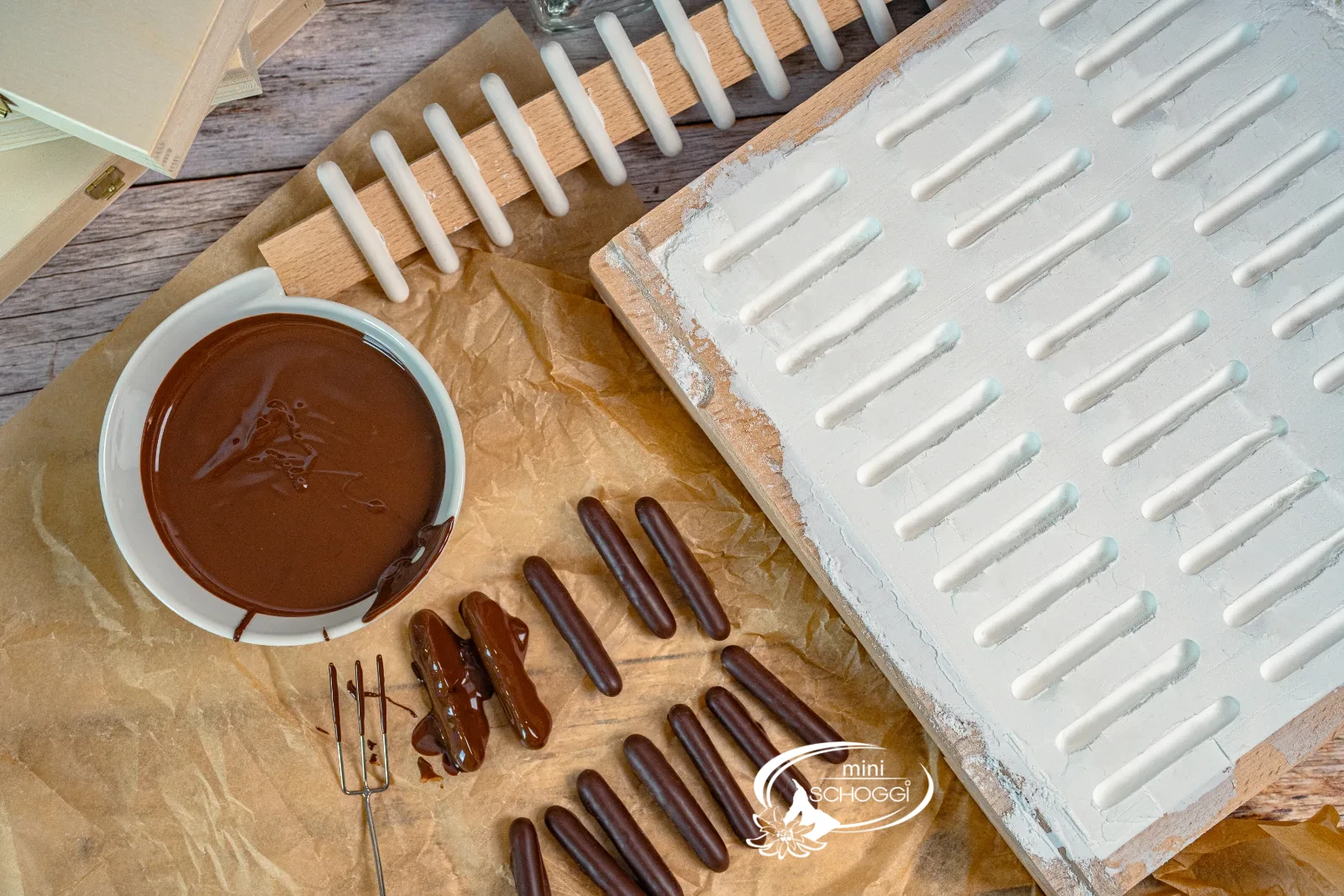
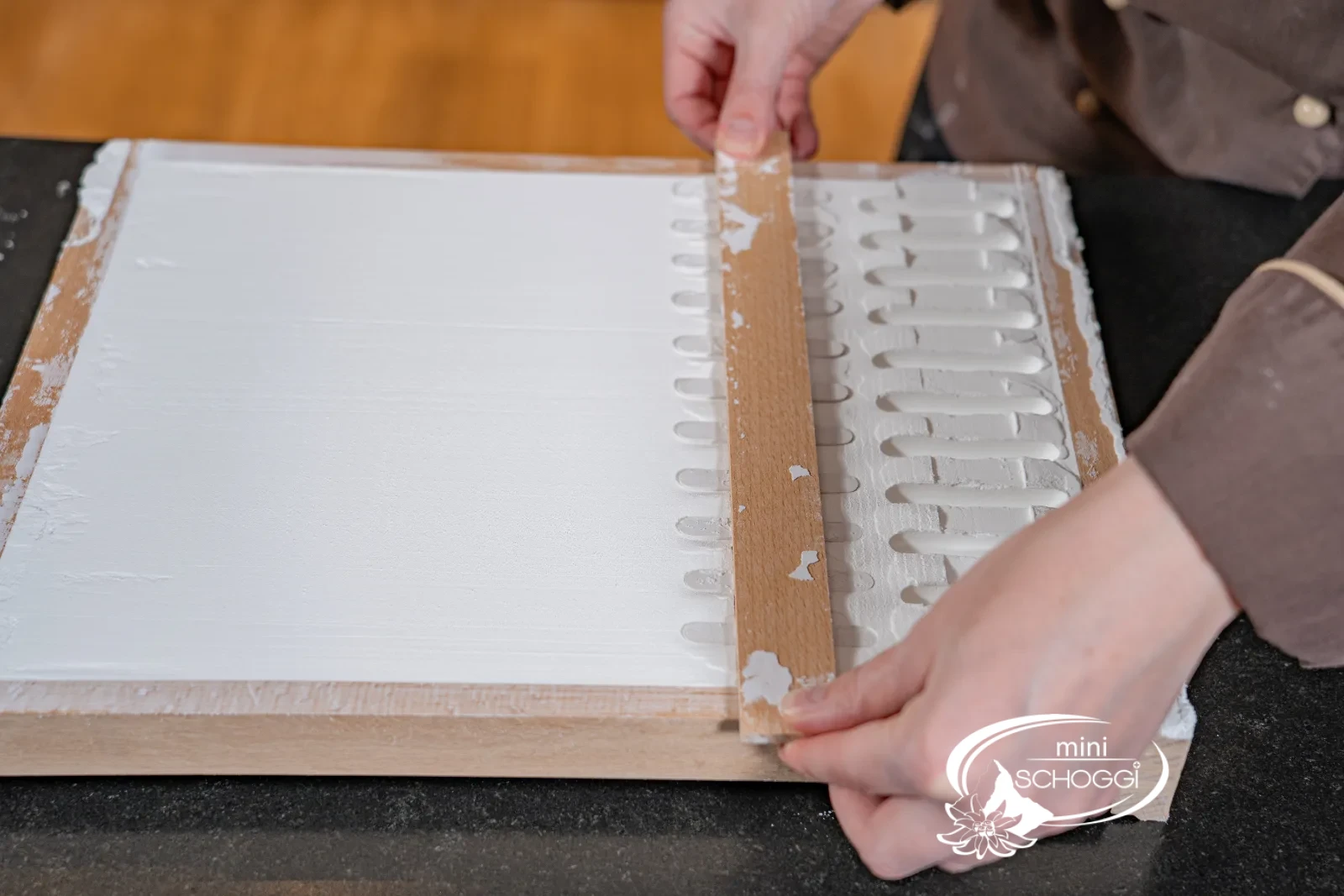
Press the plaster stamps into the smooth starch. Make sure there's always 1 to 2 cm of space between the moulds — if you leave less, they'll collapse.
We used the classic plaster mould in the long version: 6.3 cm long, 0.9 cm wide. Eleven moulds on a wooden board, stamped four times in the box — that gives 88 cherry stengeli for two boxes. It's worth buying several moulds, as it goes much faster.
Cherry syrup
1
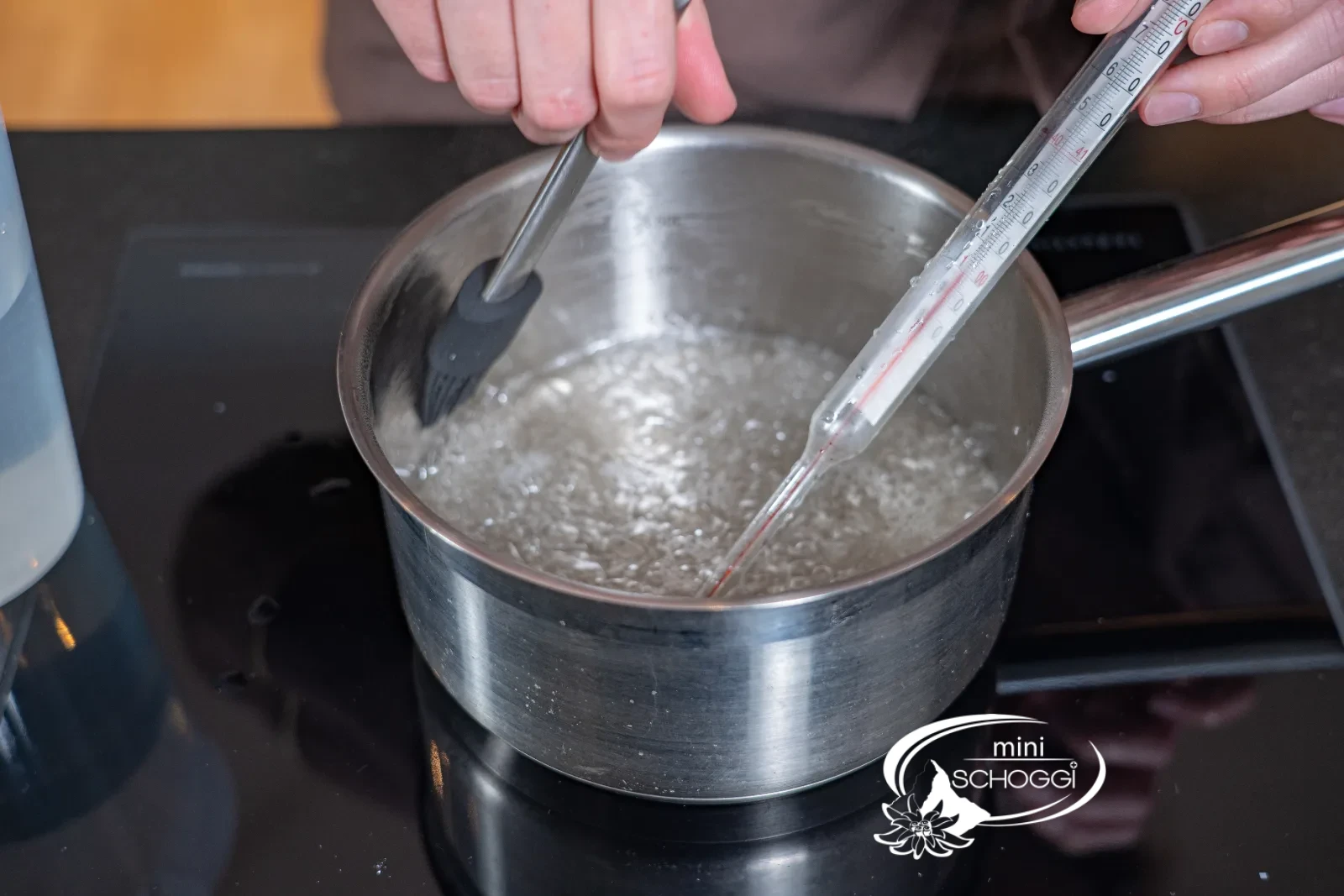
Boil the sugar solution to 108 °C
Put the granulated sugar and water into a pan and boil the mixture to exactly 108 °C. Brush the sides of the pan generously with water — this way the sugar crystals flow back down and dissolve completely. Use a silicone brush for this.
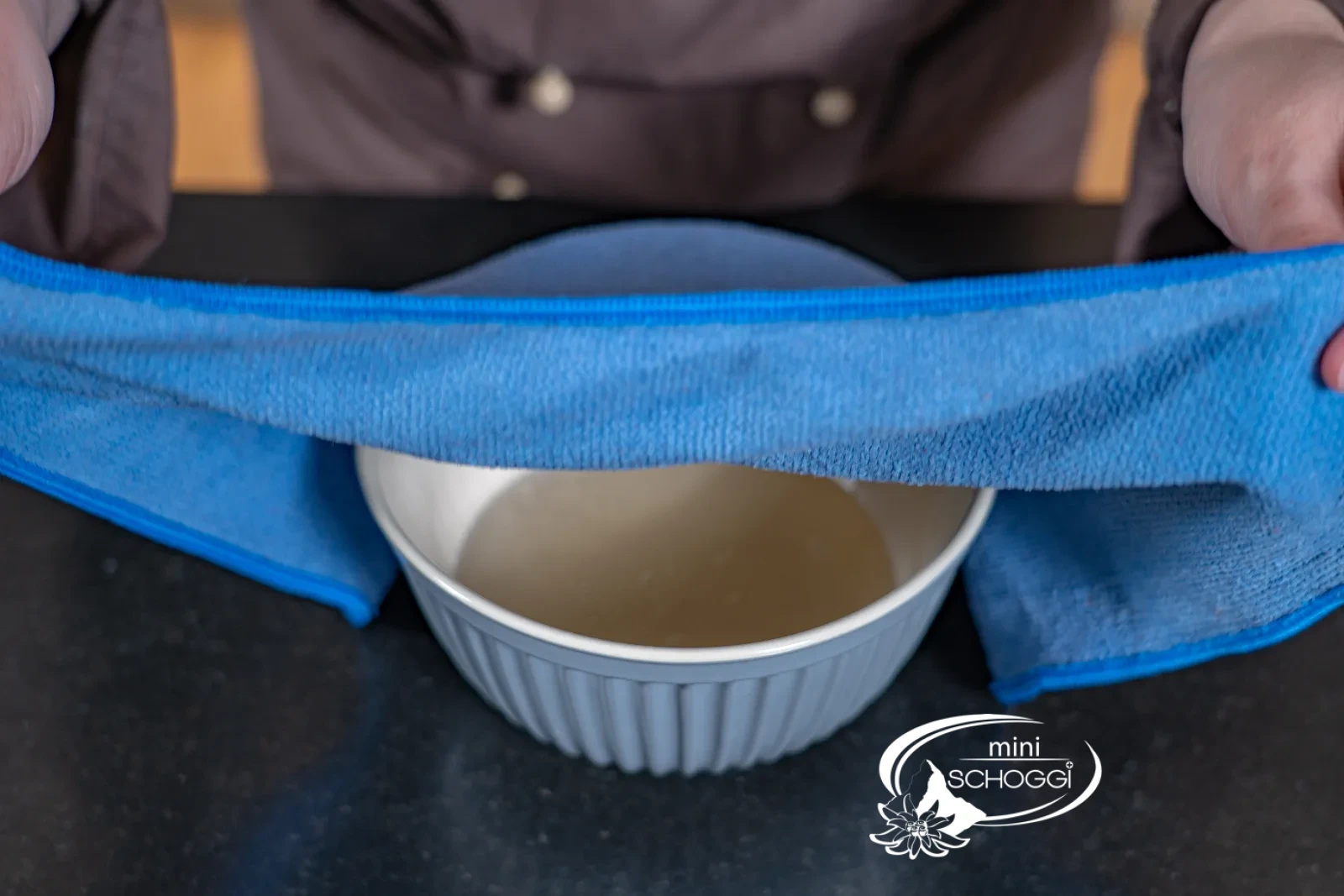
Once the syrup has reached 108 °C, remove it from the heat immediately, cover it with a cloth or a metal plate and let it cool for about two minutes.
What you need for this


Sugar thermometer
Silicone brush, 20 cm
2
Gently incorporate the kirsch
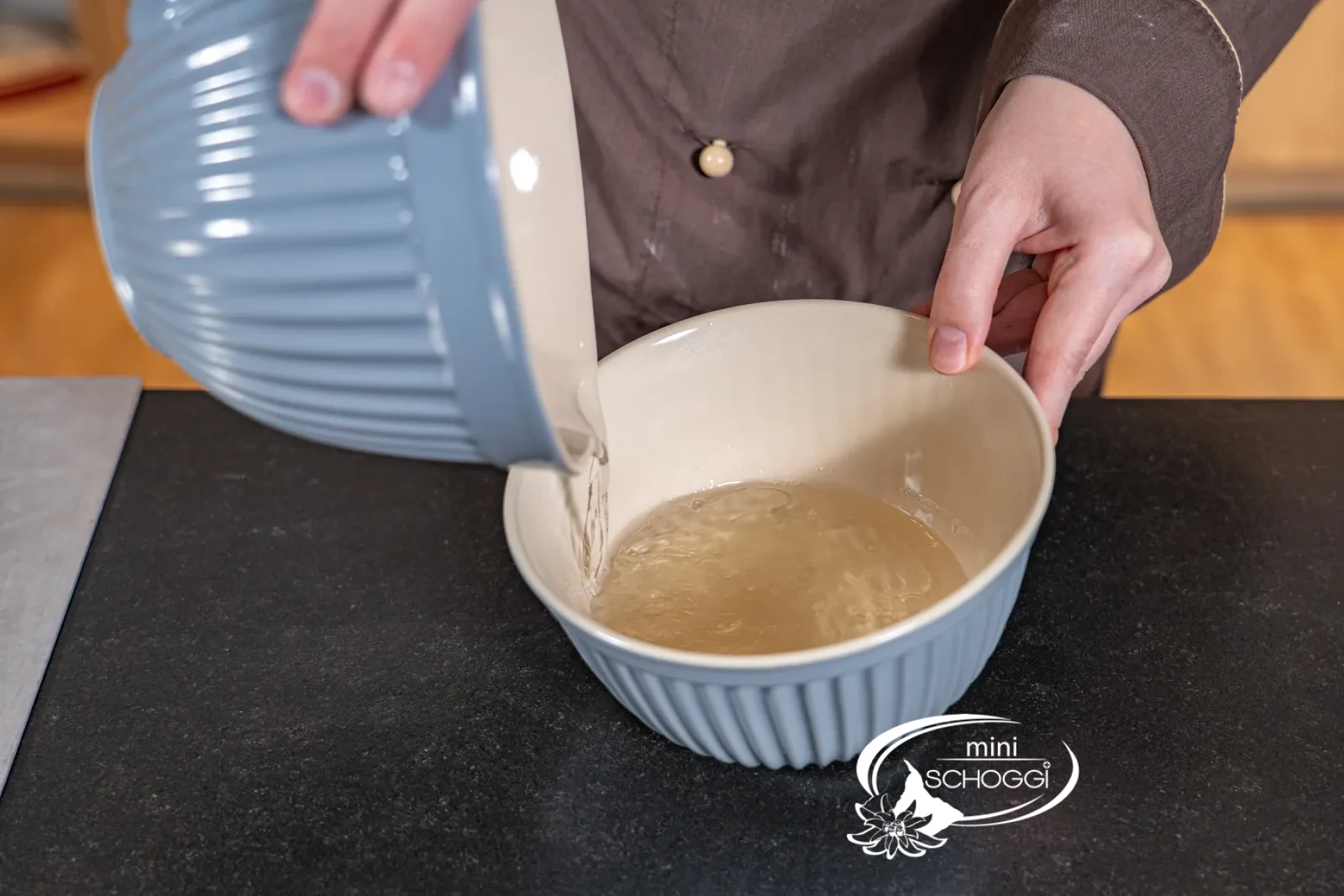
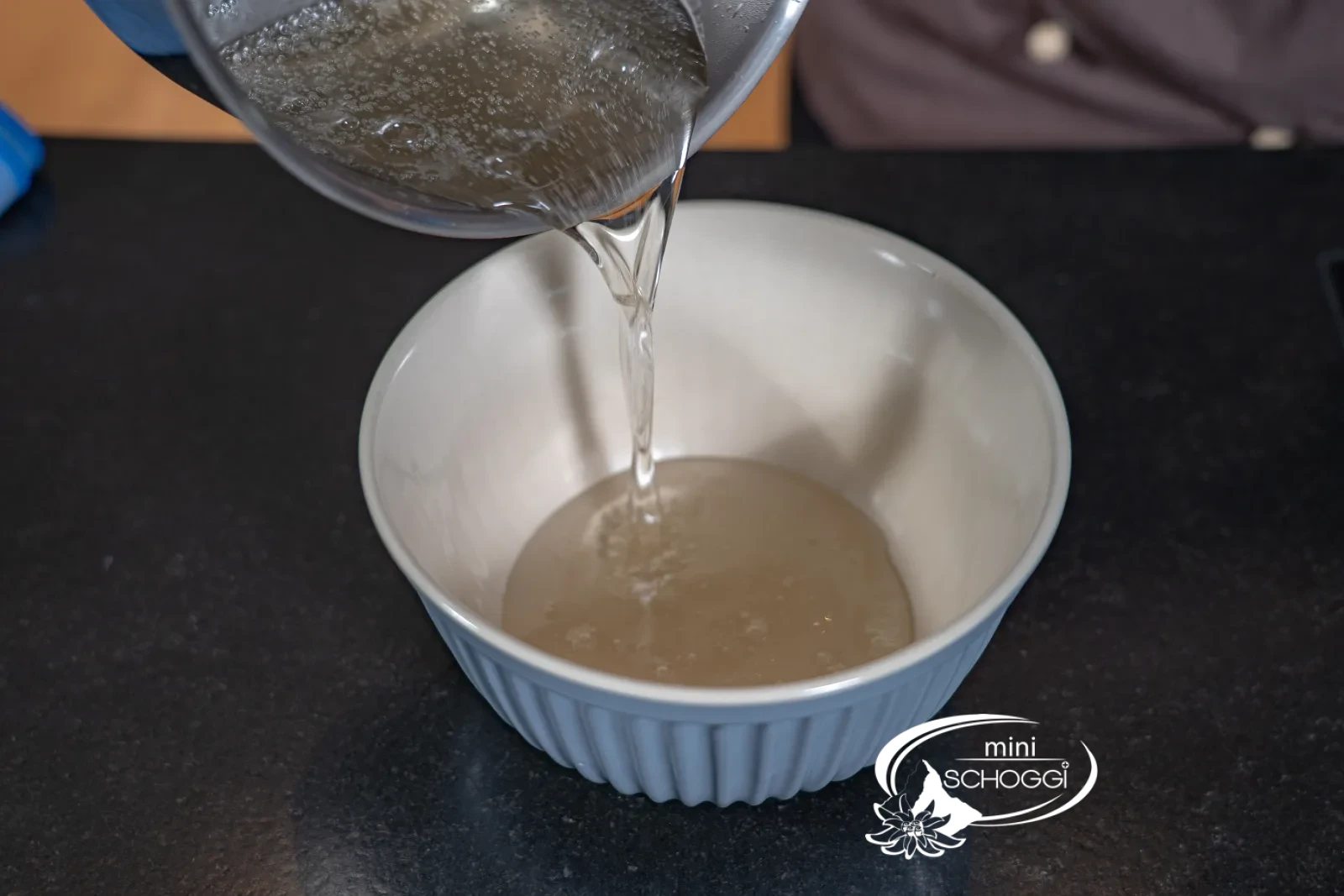
Now add the kirsch — at least 40 % vol. Simply pour it into the syrup and let the mixture stand for half a minute. Then pour it into a new bowl, cover it again, wait another half a minute and pour again. Repeat this about four times.
Carefully pouring back and forth lets the syrup and alcohol combine very gently. If you were to stir the alcohol in with a ladle or whisk, sugar crystals could form — and that is the last thing we want.
3
Measure the density: 31 °Bé
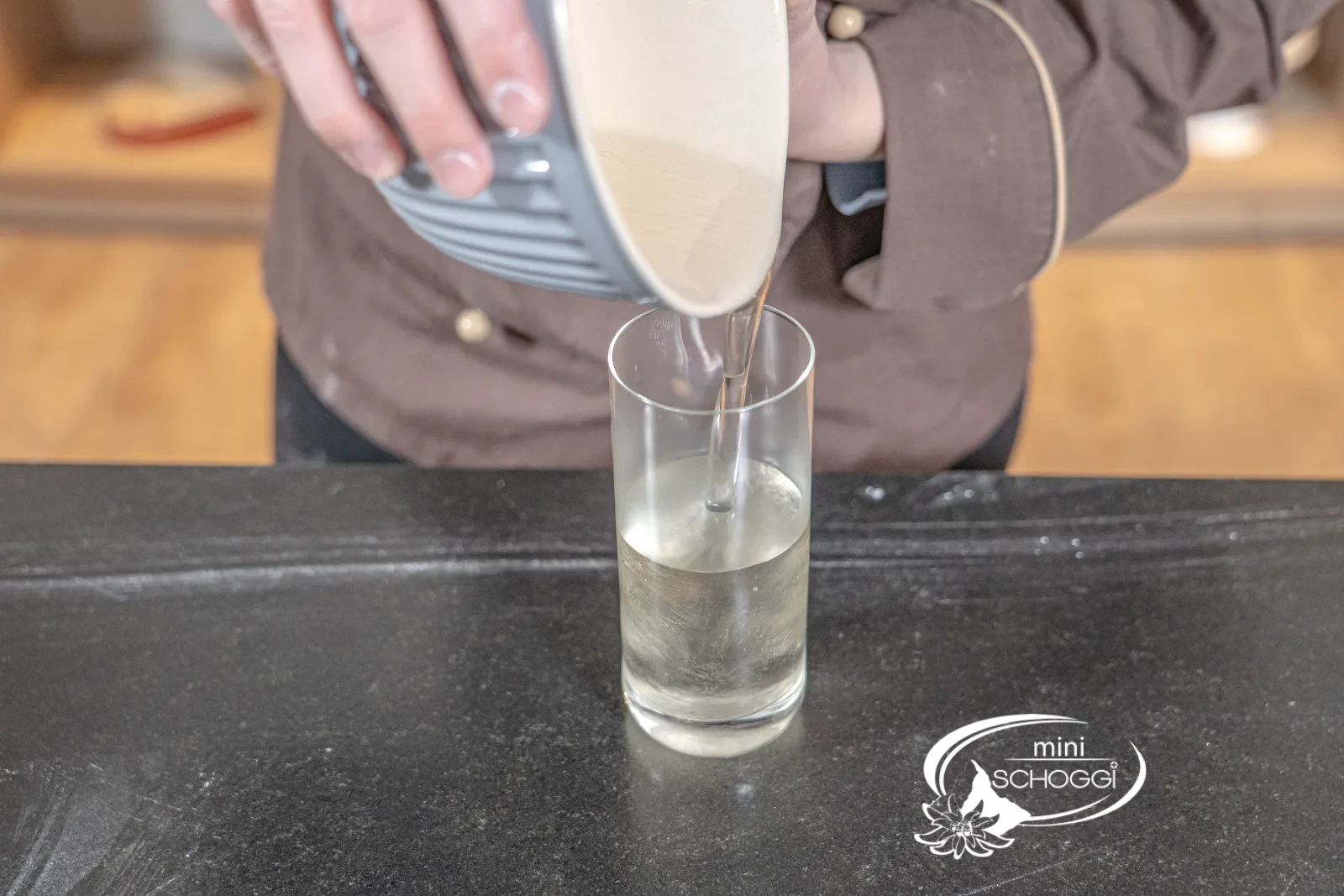
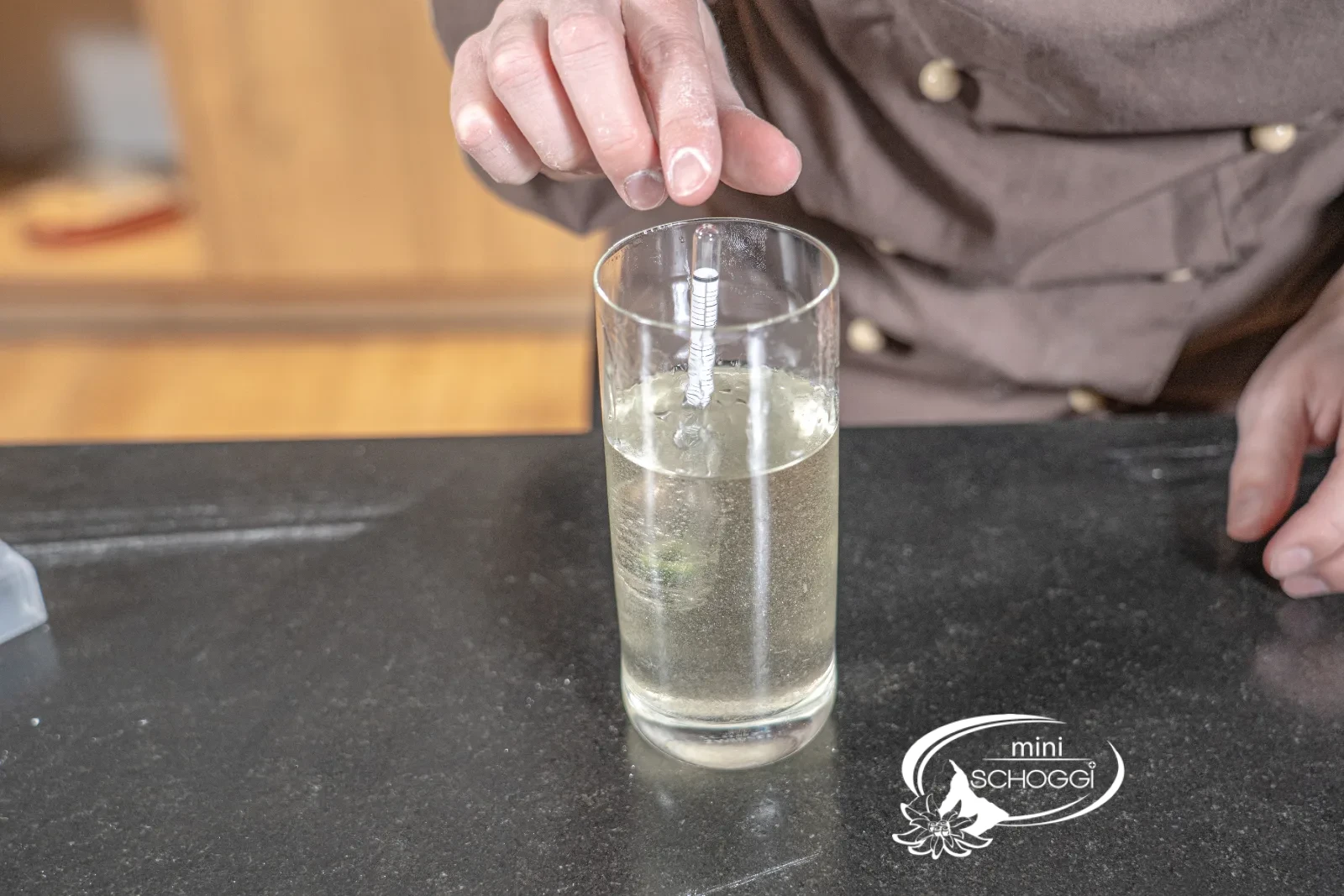
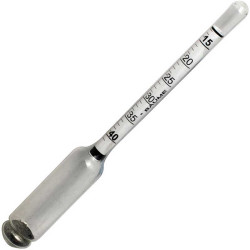
Pour the combined syrup into a tall container or a syrup vessel and measure the sugar density with the Hydrometer for sugar syrup. Hold the device in the liquid and briefly push it down once — it will rise back up. Where the line sits once it comes to rest is the Baumé degree.
In our case that is 31 °Bé, and that is exactly where it should be.
What you need for this

Hydrometer for sugar syrup
Pour out and rest
1
Fill the moulds
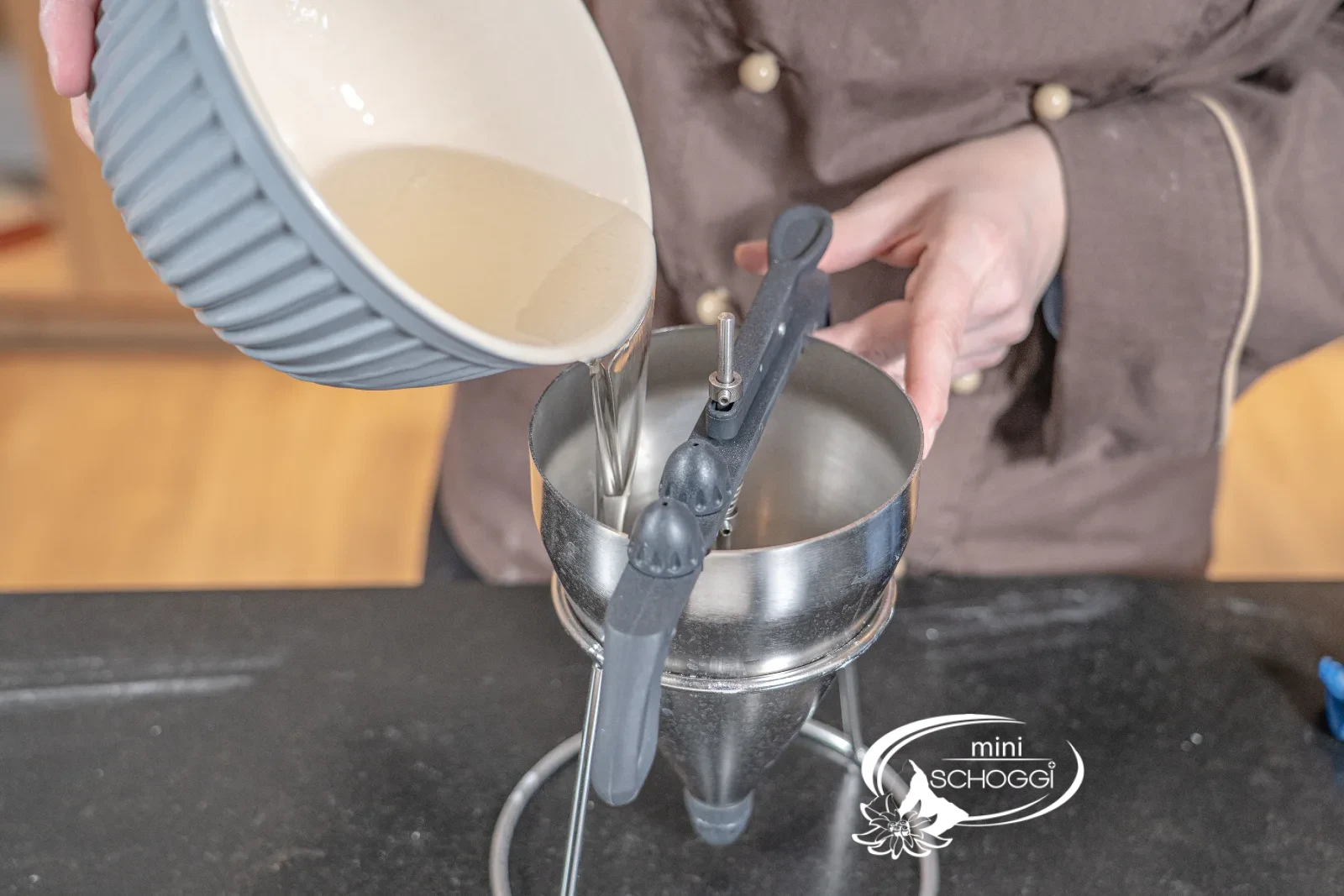
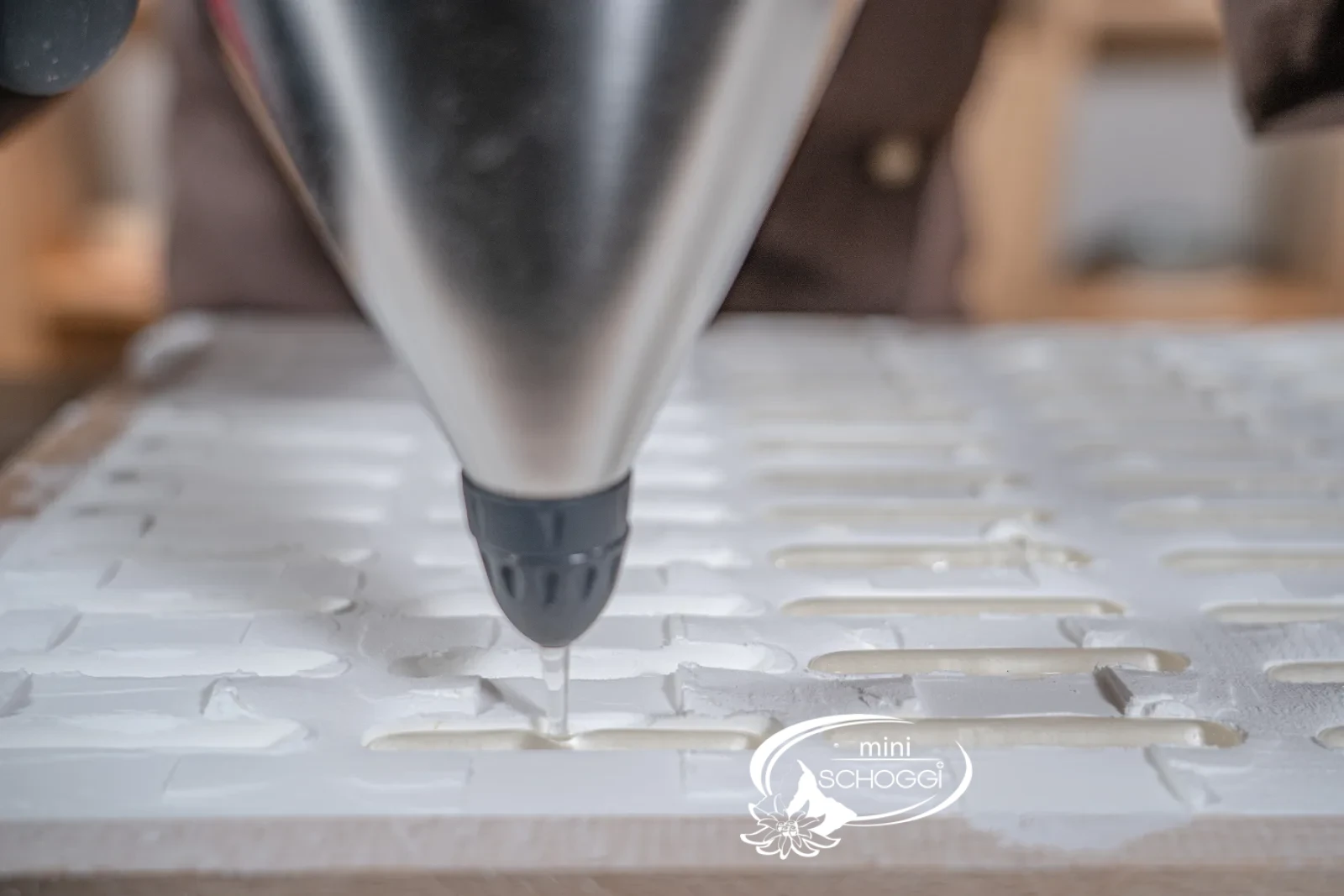
Once the Bé degree is right, fill the syrup into the professional funnel and fill the prepared moulds. Bring the funnel down as far as possible so the stream does not destroy the mould. Fill to just below the edge.
What you need for this

Professional funnel with 3 piping nozzles & holder
2
Dust and rest for 24 hours
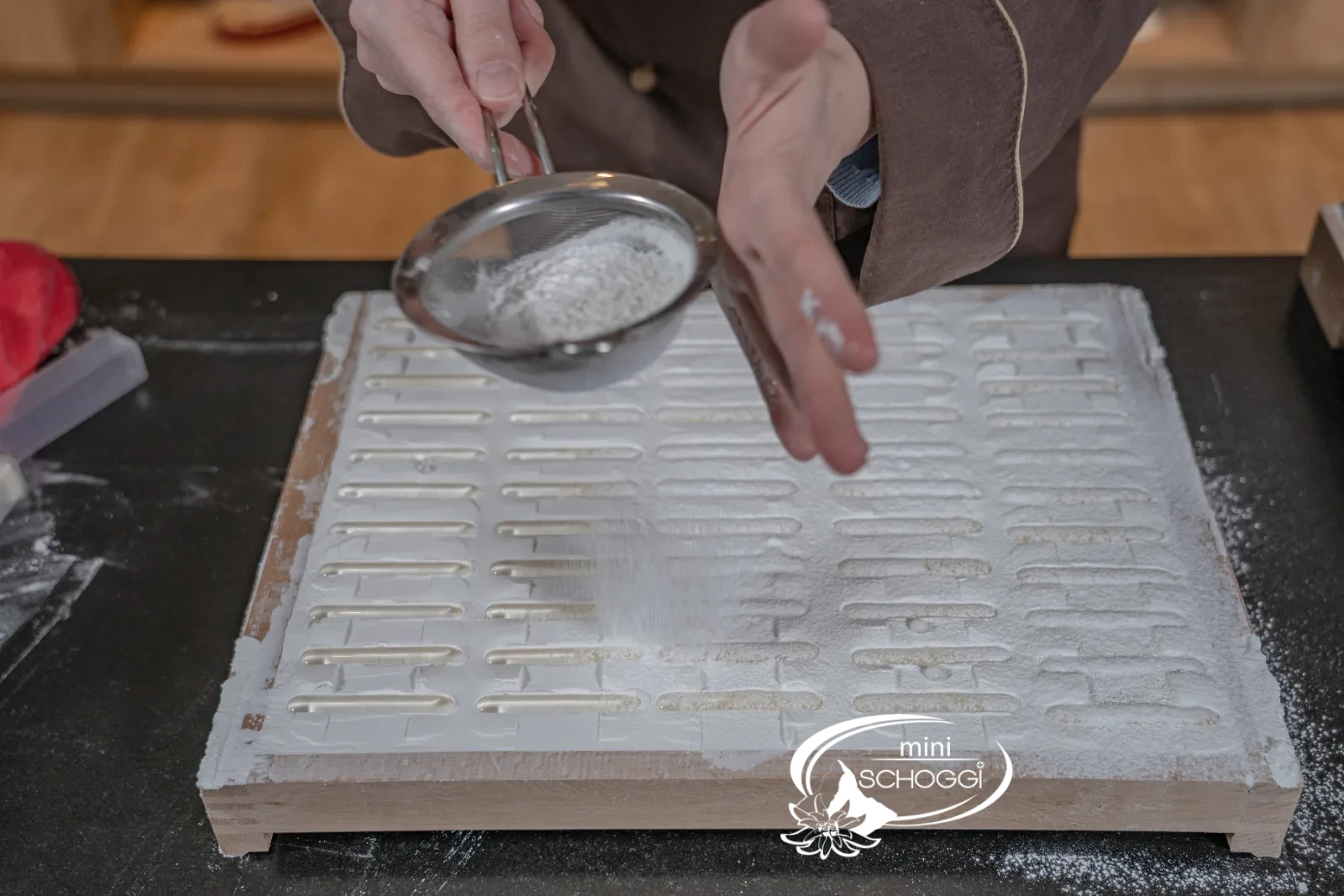
Let the filled moulds stand for about 40 minutes at room temperature. Only then do you very lightly dust the surface with the lukewarm starch mixture — really just a wafer-thin layer. Let stand for another 30 minutes.
Then sift a second layer over the top until the stengeli are completely covered. Now let the boxes rest at room temperature for at least 12, ideally 24 hours.
Finishing
1
Lift out of the powder
Brush the powder off the surface with a fine brush until you can clearly see the stengeli. Lift them carefully out of the mould, hold them over a separate bowl and free them from the excess starch mixture.
This really must be done over a separate bowl, not over the Powder box: the sugar layer is wafer-thin, and with too much pressure it breaks — then the syrup pours into the box. Better to clean up more afterwards.
2
Dip in couverture
Place the dusted stengeli on a Cake rack — if one breaks, the liquid drains away downwards and does not attack the others.
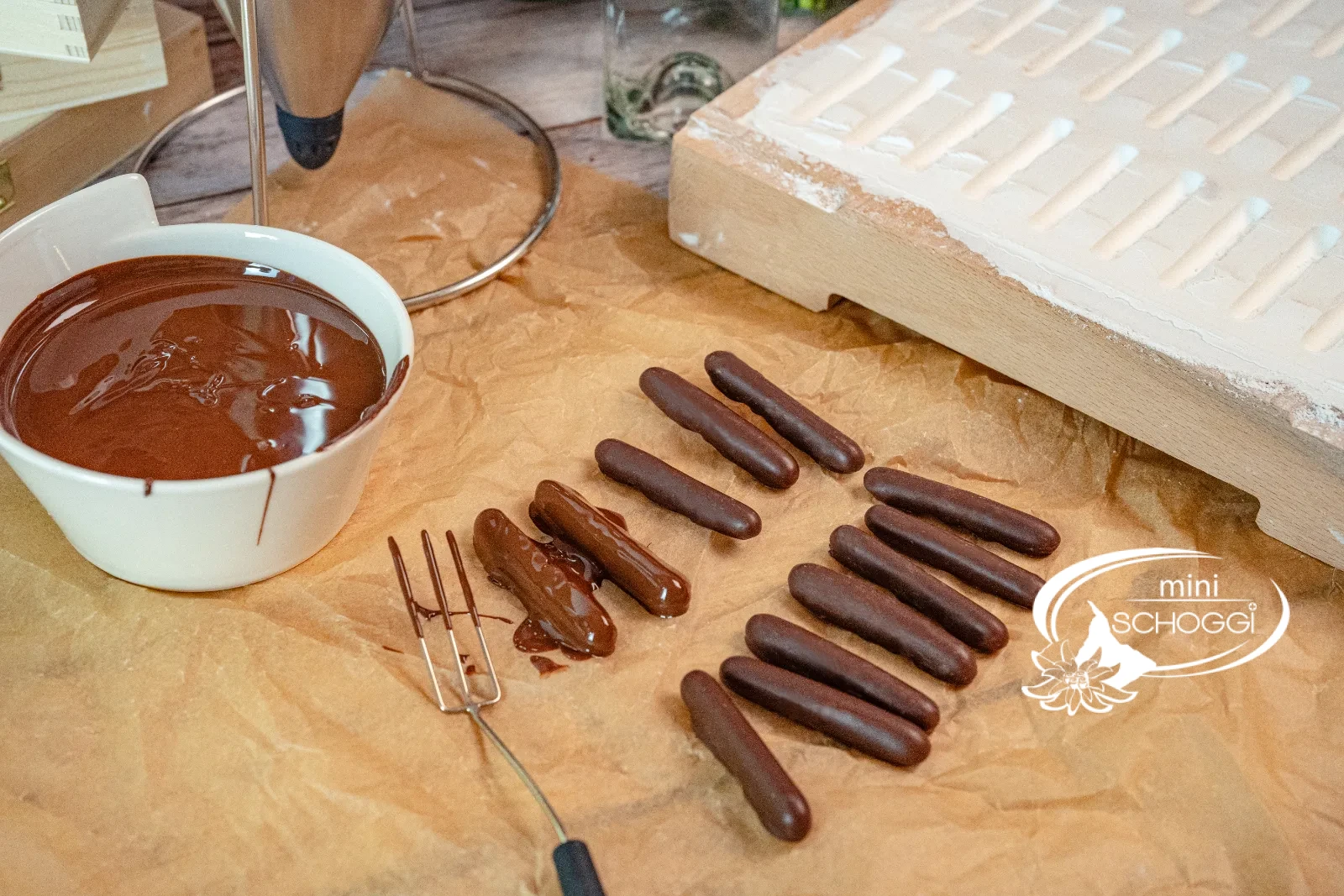
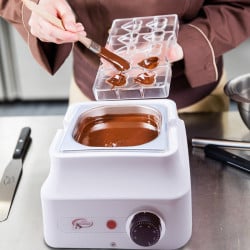
Carefully lower the stengeli into the tempered Dark couverture, push it under and lift it out with the dipping fork. Tap it gently against the edge of the tempering device so excess chocolate drains off, and set the stengeli down on baking paper. Let it set there.
3
Second layer, cocoa powder, wrapping
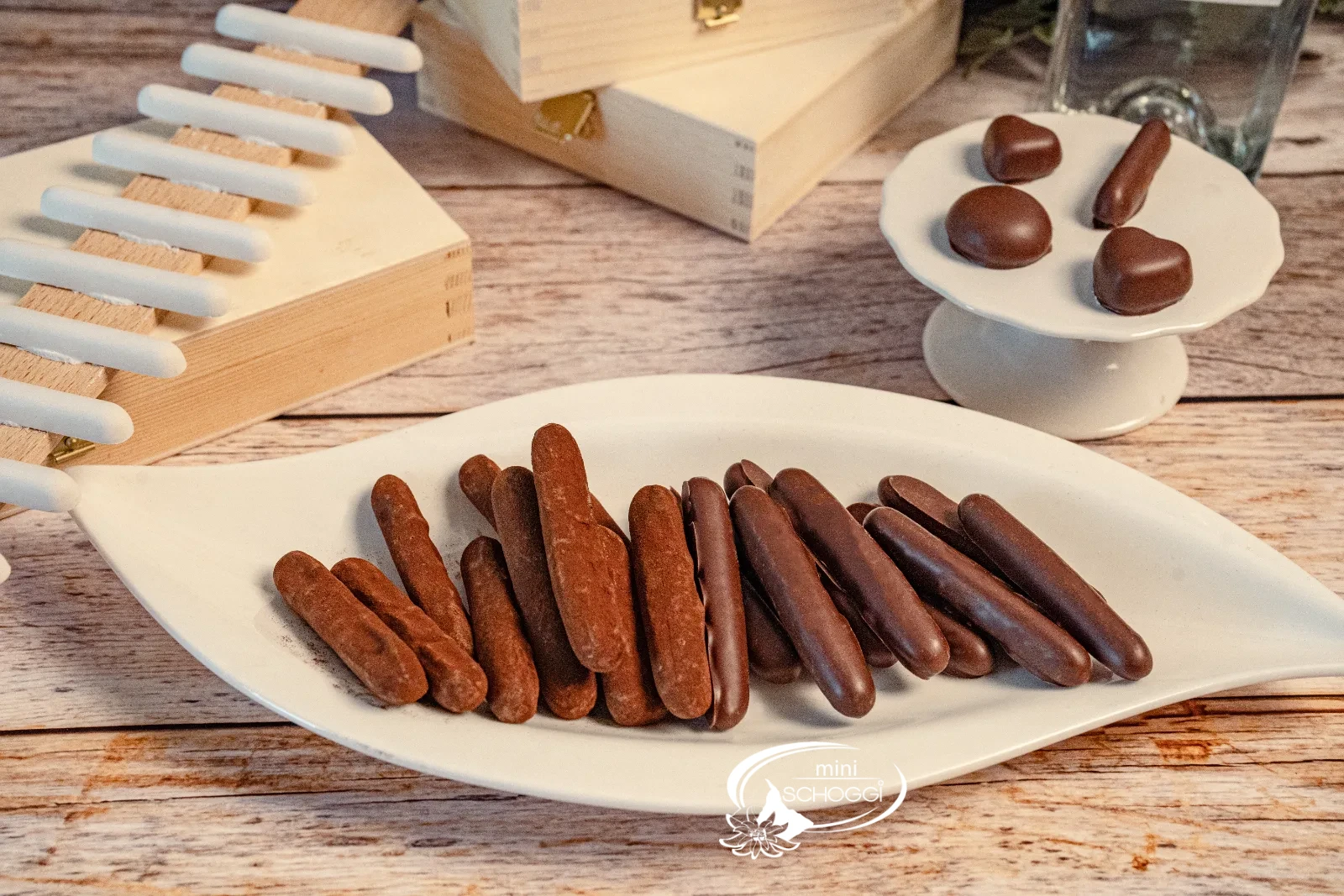
Coat the stengeli with a second layer of couverture. Optionally you can then set them onto Cocoa powder and dust them with it.
The second layer is optional too — but highly recommended. Especially for gifting or longer storage, the stengeli are better protected with it. In return the delicate alcohol flavour recedes a little, because the chocolate becomes thicker. Everything has its pros and cons.
Individually wrapped in our wrapping paper for caramels, they make gifts that everyone is guaranteed to enjoy.
Compact · printable
Cherry Stengeli Zurich
Ingredients
Quantity:
Powder mixture
Cherry Syrup
Finishing
Preparation
- Powder: Mix wheat and corn starch 2:1, sift, fill into the Powder box.
- Drying: Dry the boxes for 8 hrs. at 50 °C fan, then loosen and smooth.
- Stamping: Press in the plaster Stamp, 1–2 cm gap between the moulds.
- Syrup: Boil sugar and water to exactly 108 °C, brush the pan rim.
- Kirsch: Let cool covered for 2 min., add the Kirsch, pour over four times instead of stirring.
- Density: Check with the syrup density meter to 31 °Bé.
- Pouring: Using the Funnel, fill the moulds to just below the edge.
- Powdering: Let stand 40 min., powder wafer-thin, cover completely after 30 min.
- Resting: Rest for 12 to 24 hrs. at room temperature.
- Releasing: Brush off the powder, lift out of the mould over a separate Bowl.
- Dipping: Dip into tempered Dark couverture, tap off, let set.
- Finishing: Second layer of couverture, optionally Cocoa powder, wrap individually.
Nutritional values per 100 g
470kcal
15.5 gFat
79 gCarbohydrates
3 gProtein
Storage & shelf life
Packed airtight at room temperature, you can keep these fine Pralines for up to six months.
Everything for this recipe
Recommended from our bakery — exactly the sizes the recipe was tested with.
Ingredients
Lindt Dark Couverture 2.5 kg
Black Cocoa powder, 1 kg
Accessories
Powder box for cherry stengeli
Wooden bars for Powder box
Cherry stalk stamp, classic long
Sugar thermometer
Hydrometer for sugar syrup
Professional Funnel with 3 Piping nozzles & holder
Flour sieve with frame Ø 16 cm
Silicone brush, 20 cm
Extra-fine baker's brush, 30 mm
miniSchoggi tempering device for couverture and chocolate
Dipping fork 3-pronged
Stainless steel Cake rack
Delivery in 1–2 working days · Free shipping from CHF 100
A lovely touch
Not needed for the recipe — but it fits.
Cherry stalk stamp, classic
Sweet wrapping, 10x10 cm, 50 pieces
Small transparent bag with hearts, 10 pieces
Cherry stalk stamp, tall round
Cherry stalk stamp, extra tall
Stamp for powder box, half-round
Cherry stalk stamp, tall square
Stamp for powder box, cube
So they turn out perfectly, guaranteed
Never stir, always pour over
The alcohol must not be stirred in. A ladle or whisk sets the syrup in motion, and sugar crystals form straight away — then the batch is ruined. Carefully pour it over four times and cover it in between, that's all it takes.
31 °Bé is not a recommendation, it's the requirement
Syrup that is too thin forms no sugar crust, syrup that is too thick crystallises. With this recipe, the hydrometer for sugar syrup is no luxury — it's the difference between cherry stengeli and a mess in the powder box.
Always over a separate bowl
The sugar layer around the stengeli is wafer-thin. If it breaks over the powder box, the syrup runs into the powder and you can redo the whole box. That little bit of extra cleaning is the cheaper option.
Frequently asked questions
Because any movement in the hot syrup can trigger sugar crystals. That's why it's carefully poured over four times and covered in between — so the syrup and kirsch combine without the sugar crystallising.
The Baumé degree measures the density of a sugar solution. At 31 °Bé the syrup is concentrated exactly enough for a thin sugar crust to form in the powder box while the inside stays liquid. It's measured with a hydrometer for sugar syrup.
Yes. With less alcohol, the ratio of sugar, water and alcohol is no longer right — the crust forms less well and the pralines don't keep as long.
Print recipe
Choose what should appear on the printout.
Related products
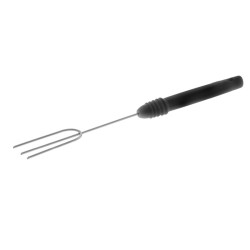
Trempier fork 3 prongs
Price: CHF9.90
Rated out of 5 stars based on
review(s)
bitte einloggen
With the truffle fork you have the possibility to truffle chocolates. So you...
Lindt Couverture Dark 2.5 kg
Price: CHF64.50
Rated out of 5 stars based on
review(s)
bitte einloggen
The finest ingredients, transparency and sustainability. This is what the...
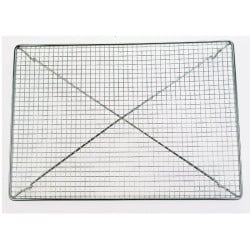
Stainless steel grille
Price: CHF34.90
Rated out of 5 stars based on
review(s)
bitte einloggen
With the help of the fine lattice pattern you create noble chocolates in...
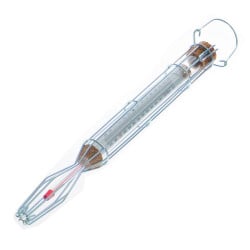
Sugar thermometer
Price: CHF28.90
Rated out of 5 stars based on
review(s)
bitte einloggen
For a perfect caramel or sugar syrup for macarons, buttercream or mousse, a...
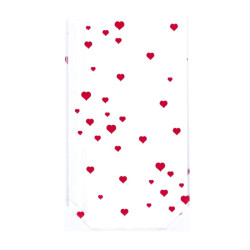
Clear bag small with hearts, 10 pieces
Price: CHF3.50
Rated out of 5 stars based on
review(s)
bitte einloggen
Only a few days left until Christmas! High time to prepare the last gifts....
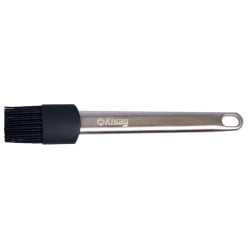
Silicone brush, 20 cm
Price: CHF16.90
Rated out of 5 stars based on
review(s)
bitte einloggen
This silicone brush should not be missing in any kitchen. It is heat...
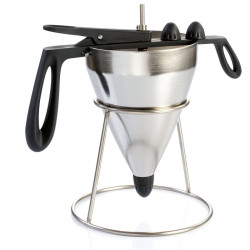
Professional funnel with 3 spouts & holder
Price: CHF165.00
Rated out of 5 stars based on
review(s)
bitte einloggen
Fill pralines and small tartlets or create sauce levels like the pros -...
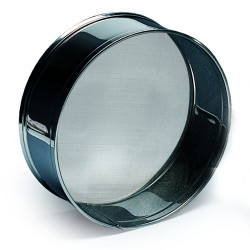
Flour sieve with frame Ø 16 cm
Price: CHF24.90
Rated out of 5 stars based on
review(s)
bitte einloggen
The flour sifter with frame has a diameter of 16 cm and is ideal for sifting...
Syrup density meter
Price: CHF24.50
Rated out of 5 stars based on
review(s)
bitte einloggen
You are a huge ice cream fan and now you want to tackle the production...
miniSchoggi tempering device for couverture and chocolate
Price: CHF99.00
Rated out of 5 stars based on
review(s)
bitte einloggen
With a tempering device, tempering couverture is very easy and nothing...
Baker brush extra fine, 30 mm
Price: CHF9.80
Rated out of 5 stars based on
review(s)
bitte einloggen
Are you a baker with a passion for baking? Then you know how important...
Powder box for cherry stalks
Price: CHF49.90
Rated out of 5 stars based on
review(s)
bitte einloggen
Kirschstängeli are probably the prime example of Swiss confectionery...
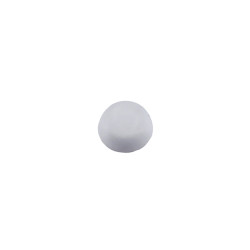
Stamp for powder box half round
Price: CHF5.90
Rated out of 5 stars based on
review(s)
bitte einloggen
Kirschstängeli are probably the prime example of Swiss confectionery...
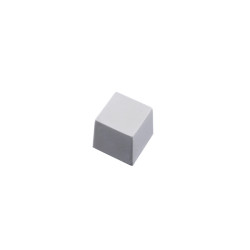
Stamp for powder box cube
Price: CHF5.90
Rated out of 5 stars based on
review(s)
bitte einloggen
Kirschstängeli are probably the prime example of Swiss confectionery...
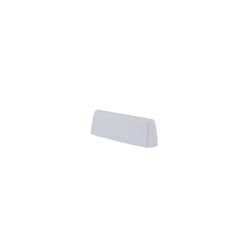
Stamp for cherry stalks, square high
Price: CHF5.90
Rated out of 5 stars based on
review(s)
bitte einloggen
Kirschstängeli are probably the prime example of Swiss confectionery...
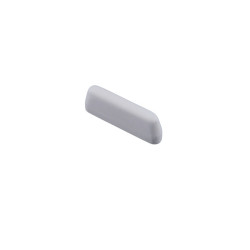
Stamp for cherry stalks, extra high
Price: CHF5.90
Rated out of 5 stars based on
review(s)
bitte einloggen
Kirschstängeli are probably the prime example of Swiss confectionery...

Stamp for cherry stalks, classic long
Price: CHF5.90
Rated out of 5 stars based on
review(s)
bitte einloggen
Kirschstängeli are probably the prime example of Swiss confectionery...
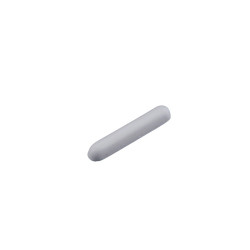
Stamp for cherry stalks, classic
Price: CHF5.90
Rated out of 5 stars based on
review(s)
bitte einloggen
Kirschstängeli are probably the prime example of Swiss confectionery...
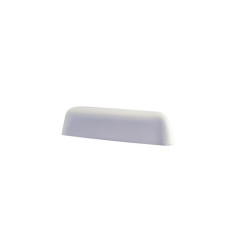
Stamp for cherry stalks, round high
Price: CHF5.90
Rated out of 5 stars based on
review(s)
bitte einloggen
Kirschstängeli are probably the prime example of Swiss confectionery...
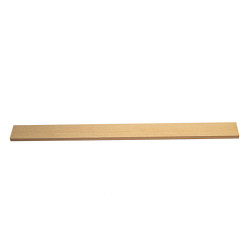
Wooden bar for powder box
Price: CHF6.30
Rated out of 5 stars based on
review(s)
bitte einloggen
Kirschstängeli are probably the prime example of Swiss confectionery...
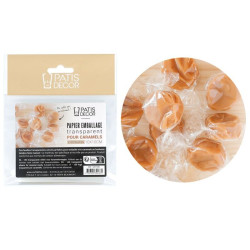
Candy wrapper, 10x10 cm, 50 pieces
Price: CHF5.50
Rated out of 5 stars based on
review(s)
bitte einloggen
50 transparent cellophane papers, ideal for gift wrapping of your homemade...
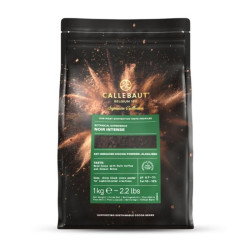
Black cocoa powder, 1 kg
Price: CHF36.60
Rated out of 5 stars based on
review(s)
bitte einloggen
No kitchen or bakery should be without cocoa powder, whether as an...
Bewertungen
Leave a comment
Related posts
 Make your own chocolate Easter bunnies
You can easily make your own Easter bunnies at home! You can find out how to do it and what you need here. A sweet...
Read more
Make your own decorative Swiss roll
Make your own decor roulade - we'll explain exactly how in this blog, with lots of tips and tricks from our...
Read more
Cinnamon Star Biscuits Recipe
Make your own cinnamon stars with the help of our professionals, with lots of tips & tricks to bake the best...
Read more
Tempering couverture and chocolate correctly
Melt, seed, reheat: the seeding method step by step, with the temperatures for every type of couverture and the test...
Read more
Make your own chocolate pumpkin pralines
Make your own 3D chocolate pumpkin pralines - here you get detailed instructions with lots of tips and tricks...
Read more