
Beef Roulade – Mango & Coconut Sponge Roll
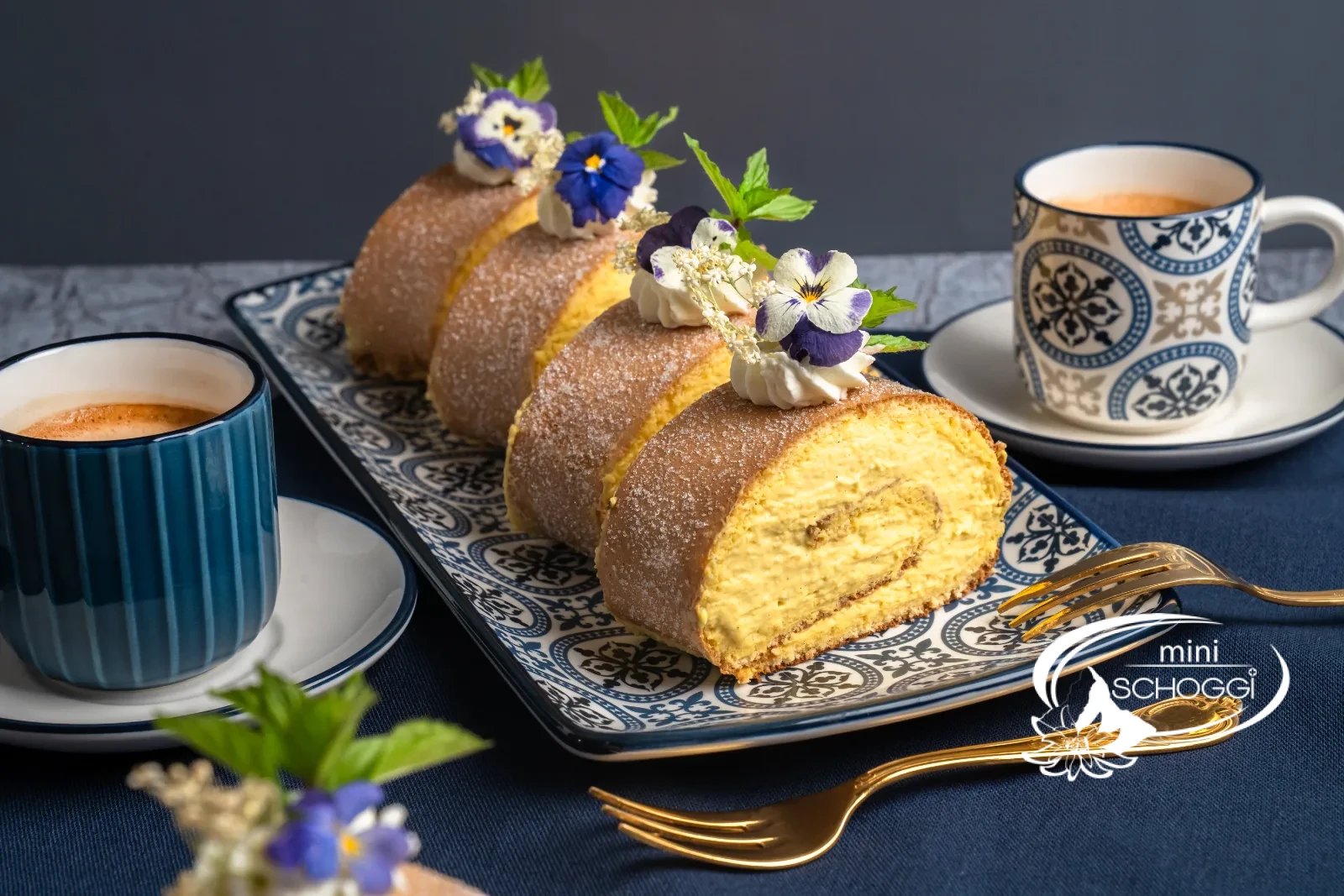
Tropical, creamy and airy – summer holidays on the dessert plate
Quantity1 roulade (10 slices)
Active timeApprox. 40 minutes
Total timeApprox. 1 hr 30 min. (incl. chilling)
contains glutencontains eggcontains lactose
There are desserts that simply taste of holidays – and this glorious mango-coconut beef roulade definitely belongs among them! The tender, airy sponge wraps around a temptingly creamy filling of whipped cream, fine mascarpone and fruity mango and passion fruit puree. Add aromatic coconut flakes, which bring back the feeling of sun, beach and sea with every bite.
The combination of exotic mango, sweet-and-sour passion fruit and delicate coconut gives this roulade not only a unique flavour, but also a wonderfully fresh lightness. Whether as a highlight at a summer brunch, as a festive finish to a special dinner, or simply as a sweet treat in between – this recipe is guaranteed to bring a smile to your guests' faces.
And the best part: the preparation is straightforward and succeeds even without much baking experience. In just a few steps you create a dessert that looks as if it came straight from your favourite patisserie. So grab the Mixing bowl, let yourself be enchanted by the scent of exotic mango and bring a piece of tropical happiness home!
Ingredients
Quantity:
Roulade sponge
125 gEgg yolk, liquid
40 gGranulated sugar (part 1)
75 gEgg white, liquid
40 gGranulated sugar (part 2)
40 gWhite flour
Mango-coconut filling
250 gFull cream, liquid
8 gVanilla sugar
100 gMascarpone
25 gGranulated sugar
150 gMango puree
40 gCoconut flakes
Step by step
If you're in a hurry: the compact recipe card further down sums everything up.
Roulade sponge
1
Preheat the oven and whip the egg yolk
Preheat your oven to 210 °C fan.
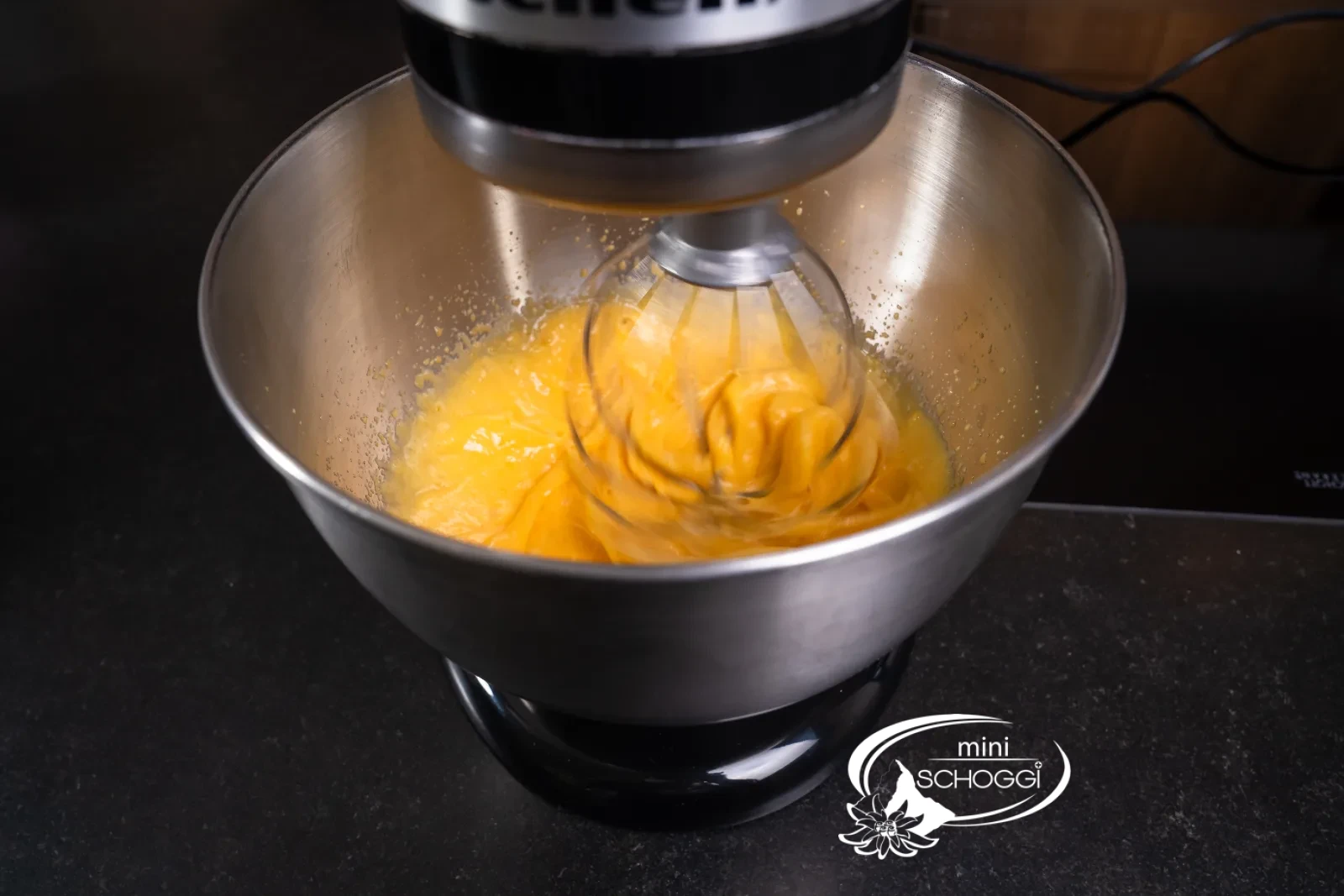
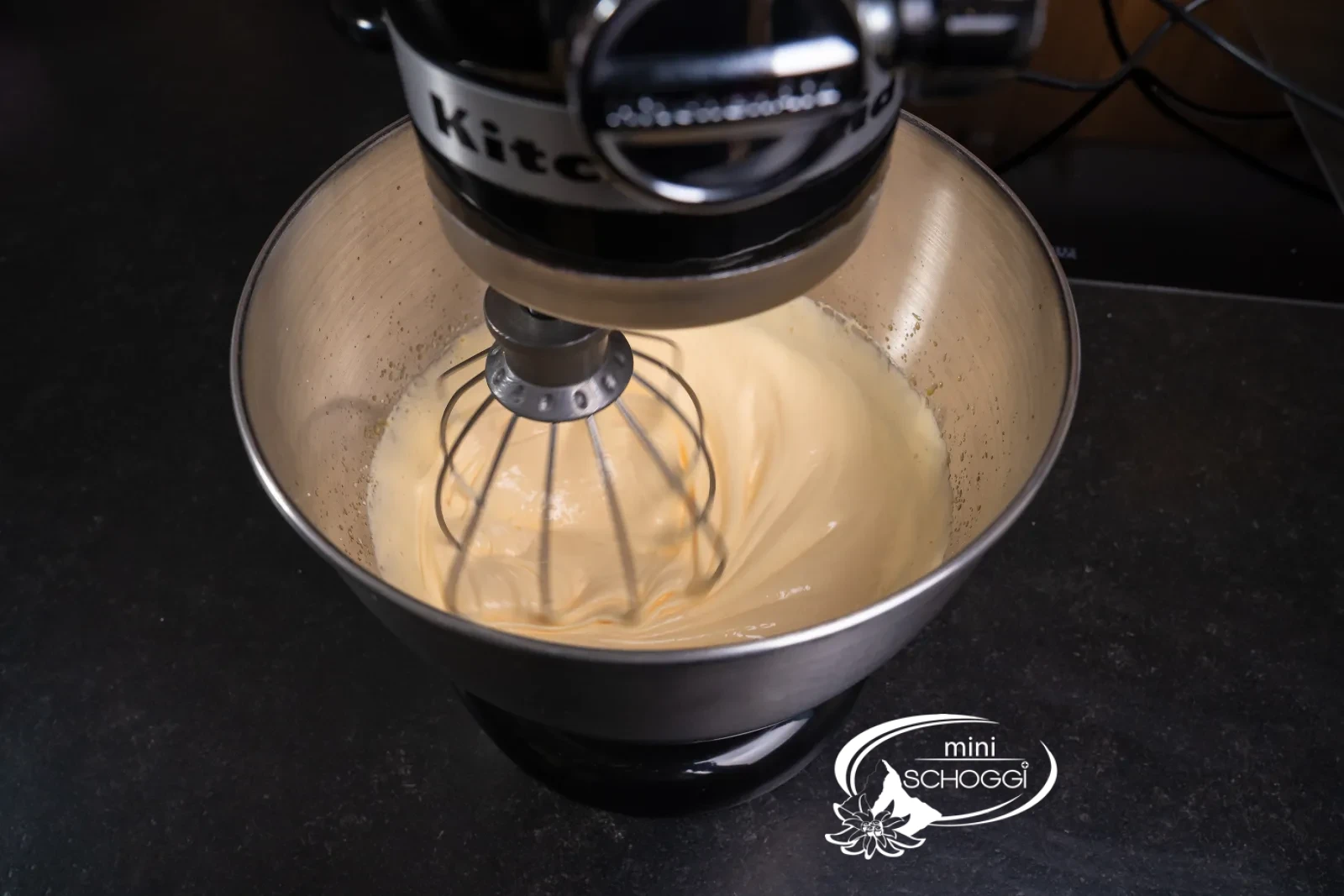
To make the roulade sponge you need a stand mixer with a whisk attachment. First put the egg yolk together with the granulated sugar (part 1) into a bowl and whip both on high speed.
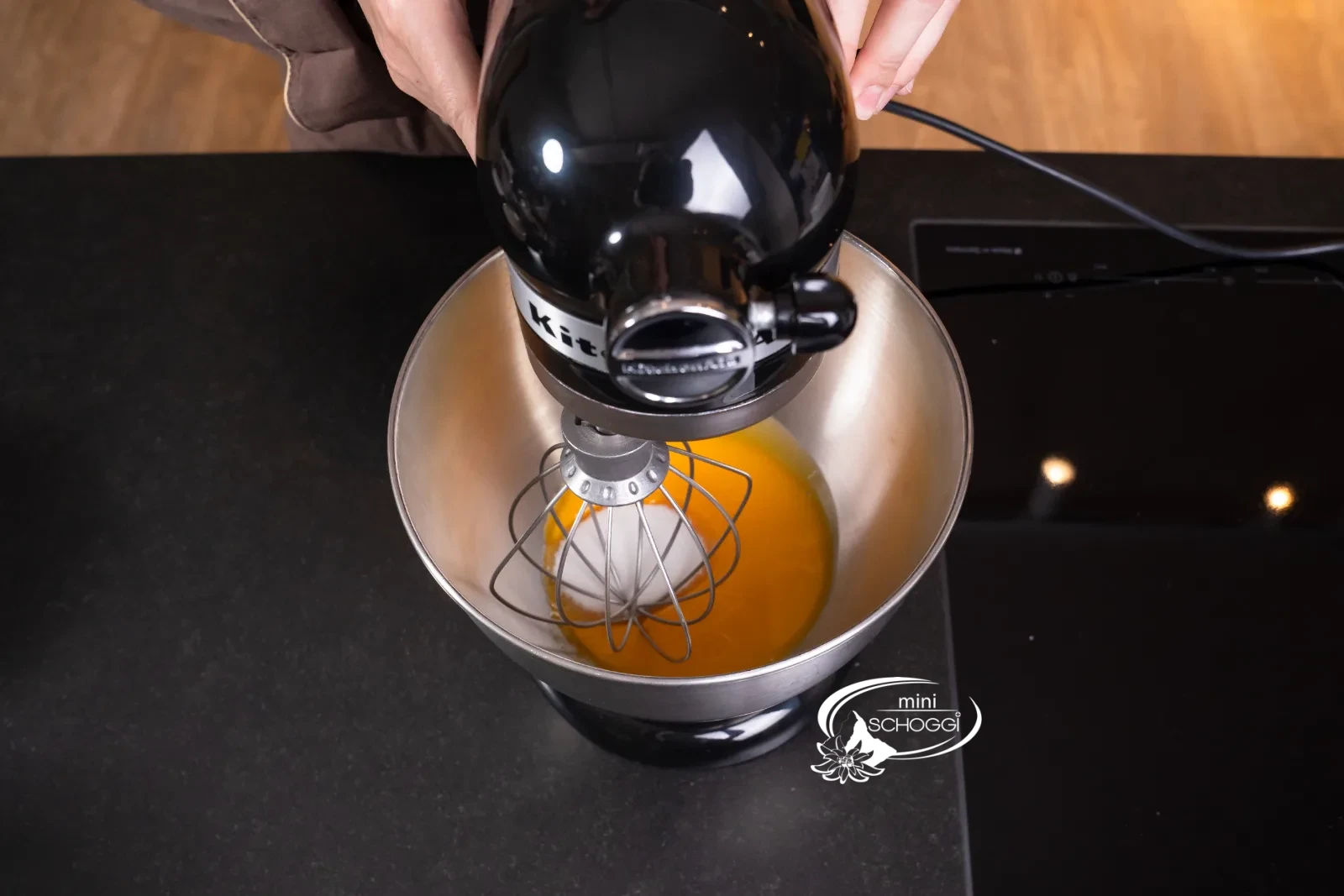
What you need for this

Hand mixer Clever Mix
2
Whip the egg white
In the meantime you can whip the egg white in a second, separate stand mixer. If you don't own a second stand mixer, you can also use a Hand mixer. If you don't have a Hand mixer available, you can first finish whipping the egg yolk. Then transfer the whipped egg yolk mass into a bowl and clean and dry the used empty bowl and the Whisk very well. Please note that the bowl and Whisk used to whip the egg white must be extremely clean and free of grease. Only then will you get a flawless and beautiful end result.
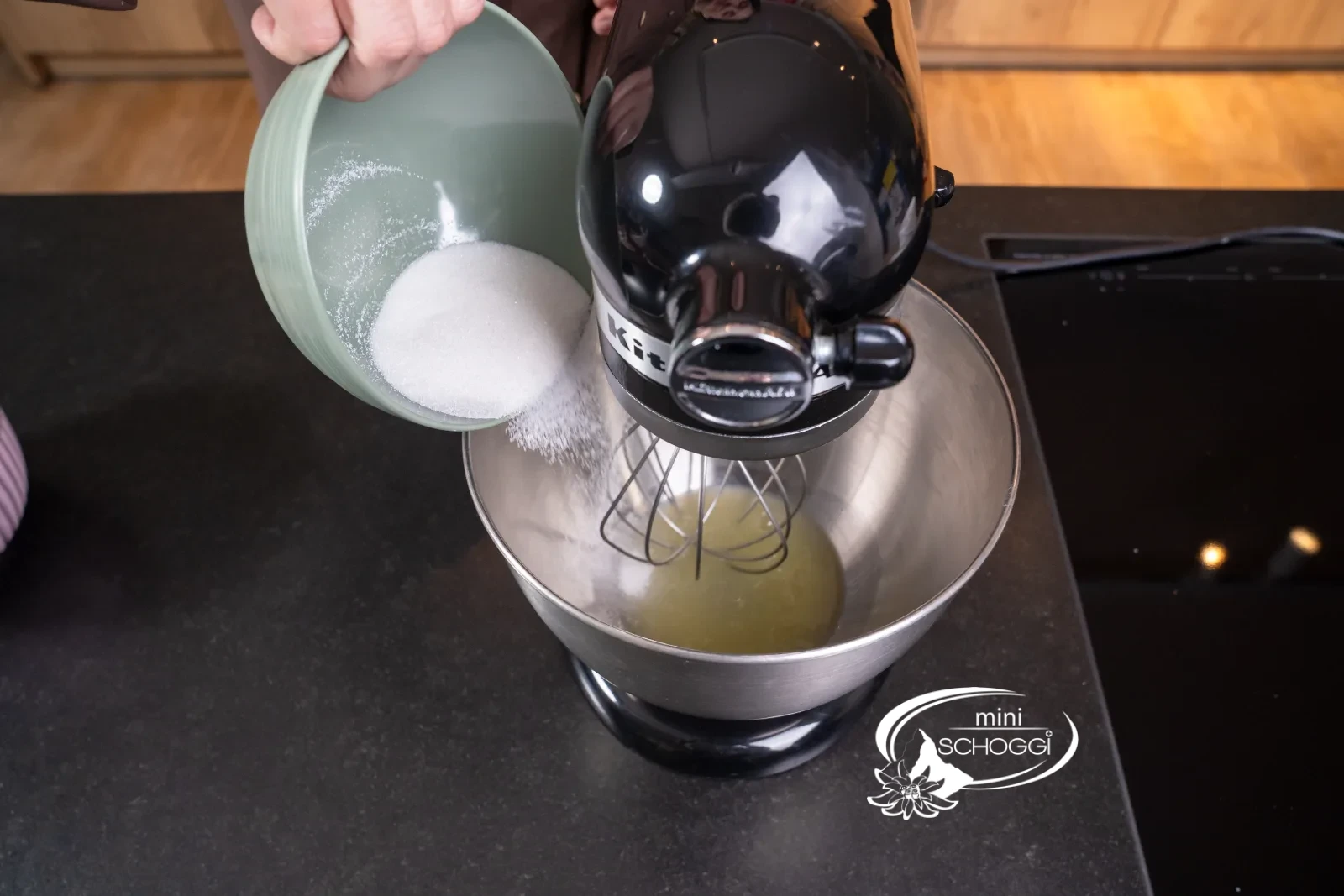
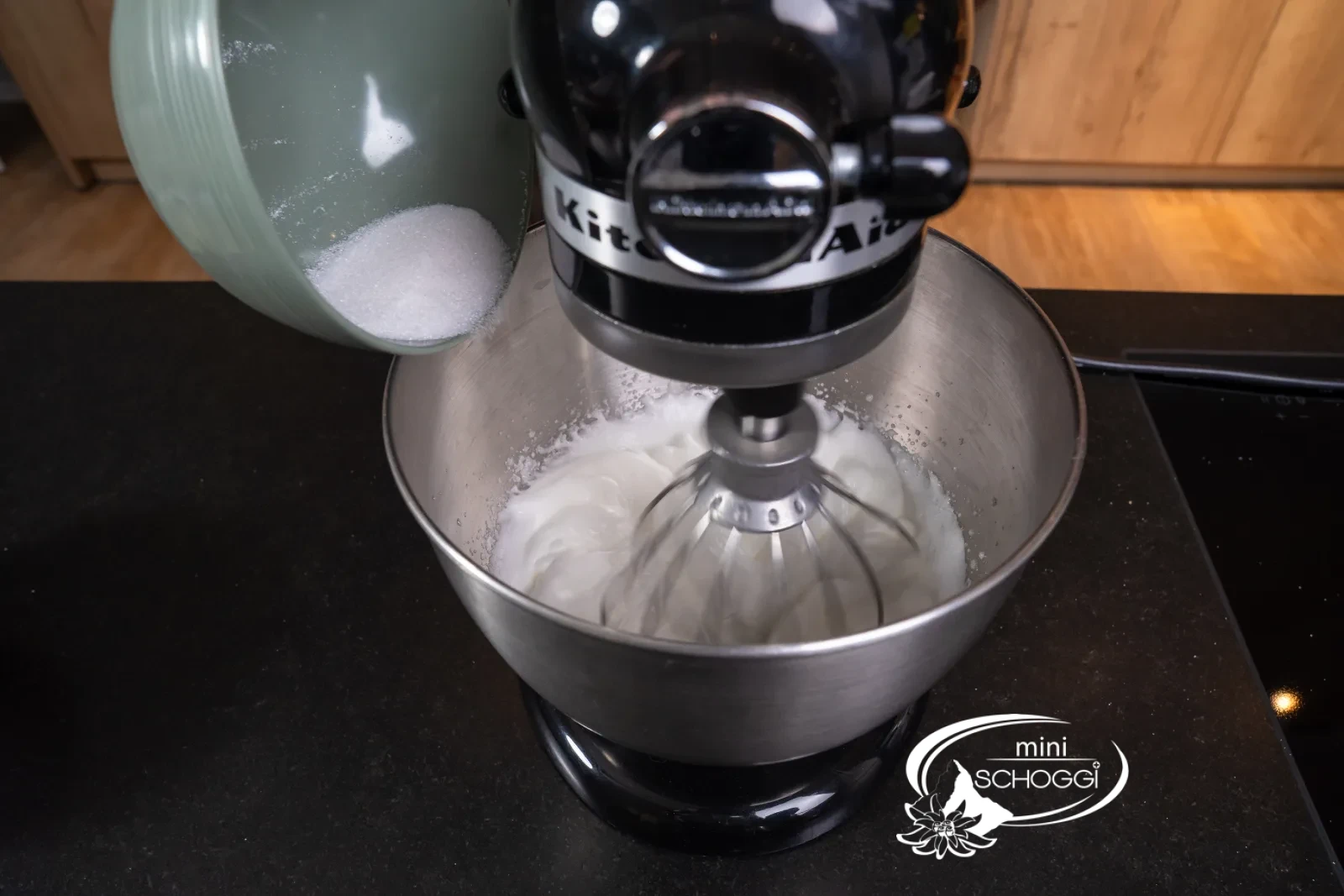
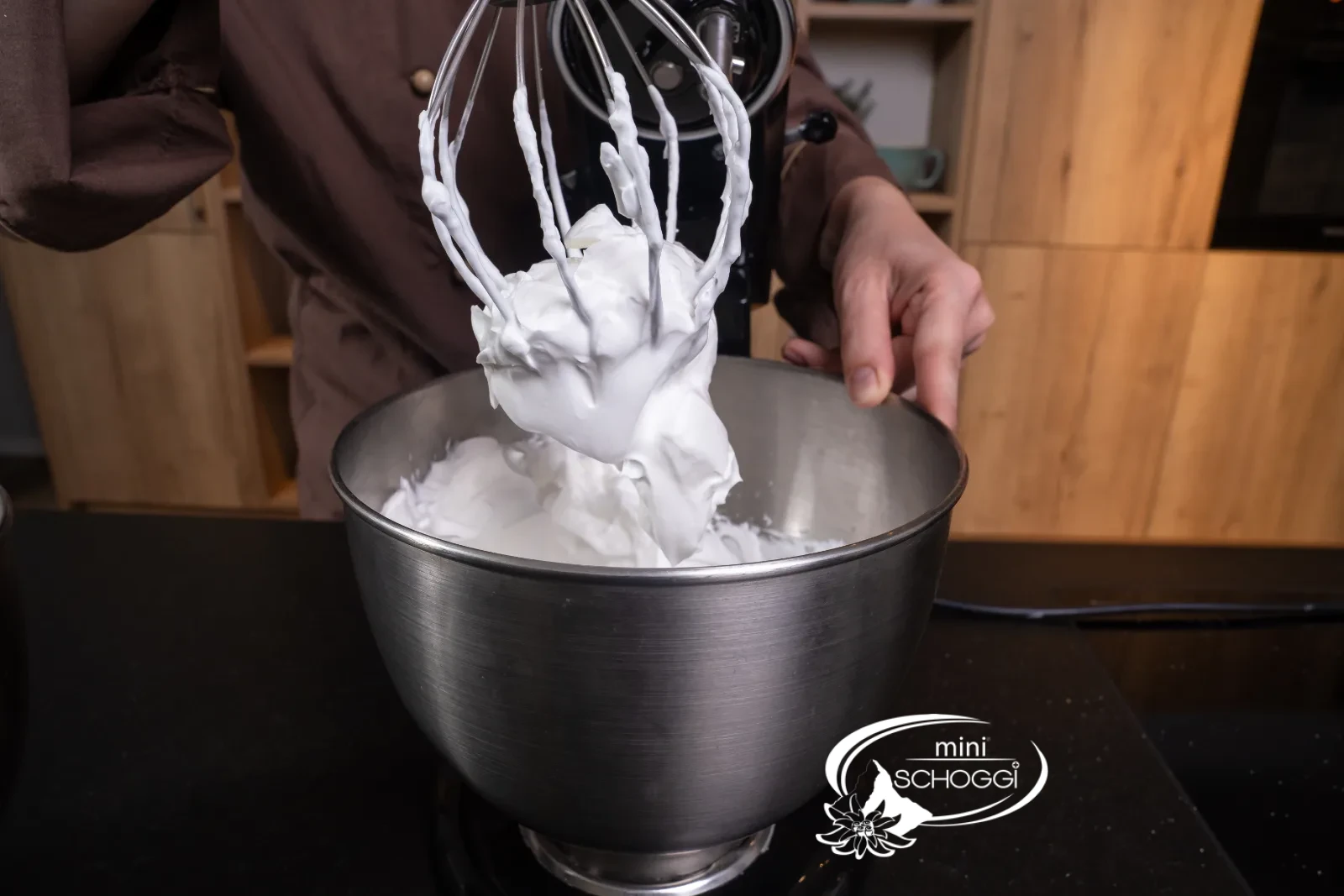
Now put the egg white into a grease-free bowl. It's best to weigh out the granulated sugar (part 2) into a separate bowl beforehand. Now add only very little granulated sugar to the egg white and leave the rest of the sugar in the bowl. Whip the egg white with a Whisk. As soon as the egg white has gained some volume, you can very slowly add the remaining part of the granulated sugar (part 2).
3
Check the egg yolk mass
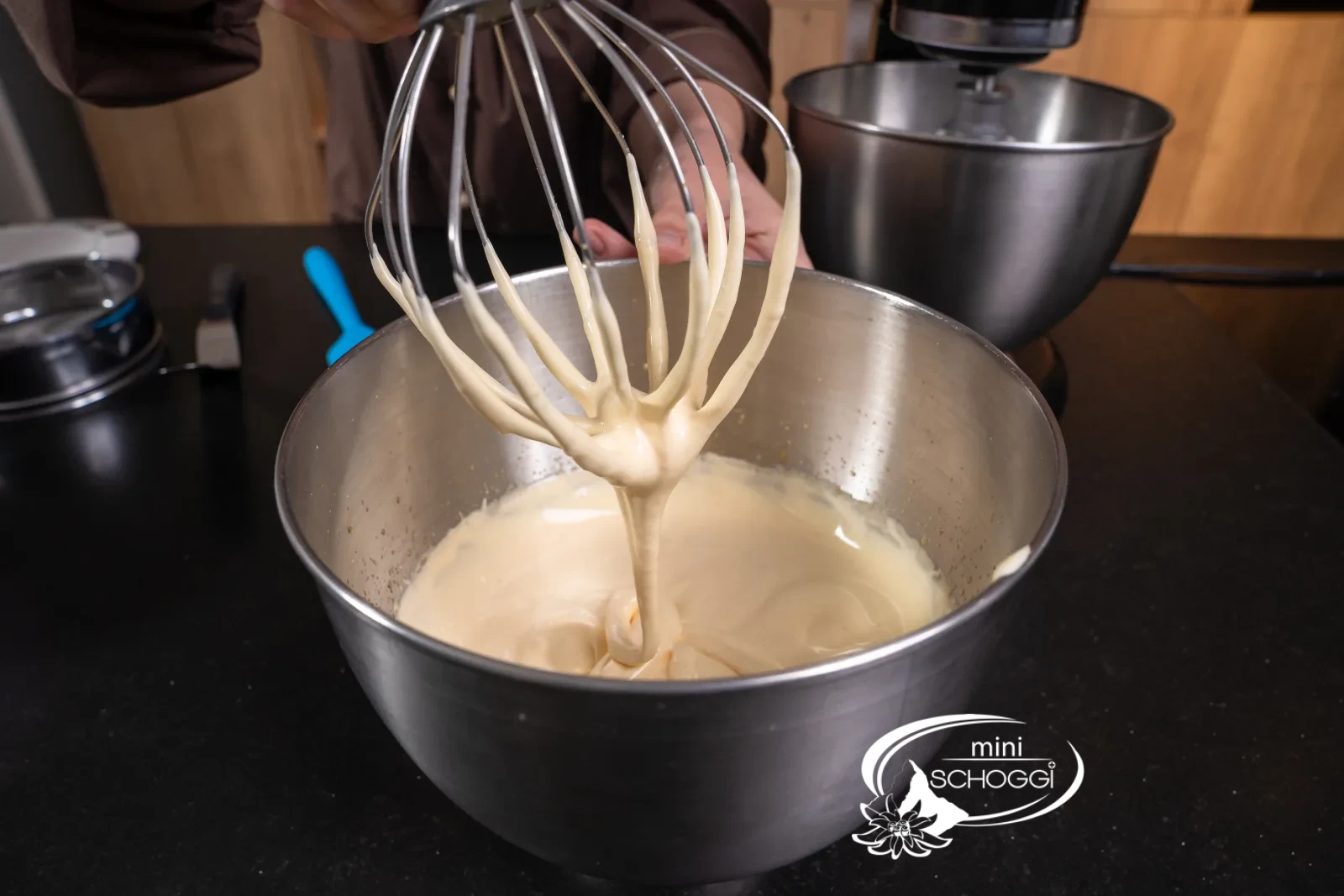
While you whip the egg white, always keep an eye on the egg yolk too. The longer you whip it, the paler and airier the mass becomes. The whole thing takes about 5–10 minutes. As a test, pull the Whisk out of the egg yolk mass: the slightly thick egg yolk mass running off the Whisk should not disappear into the mass, but should spread across the surface. Tip: if in doubt, just let it whip a little longer.
4
Fold in one third of the egg white
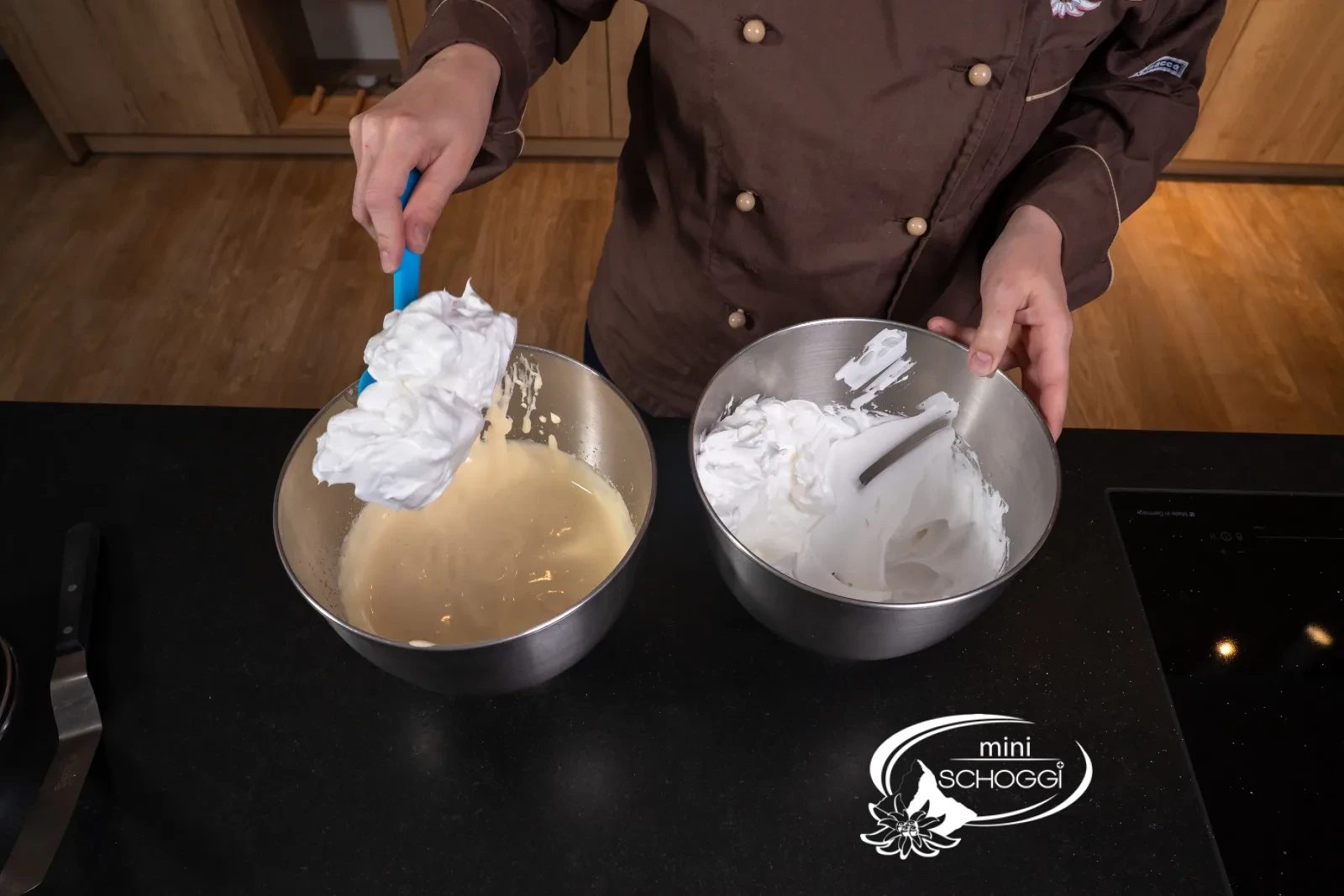
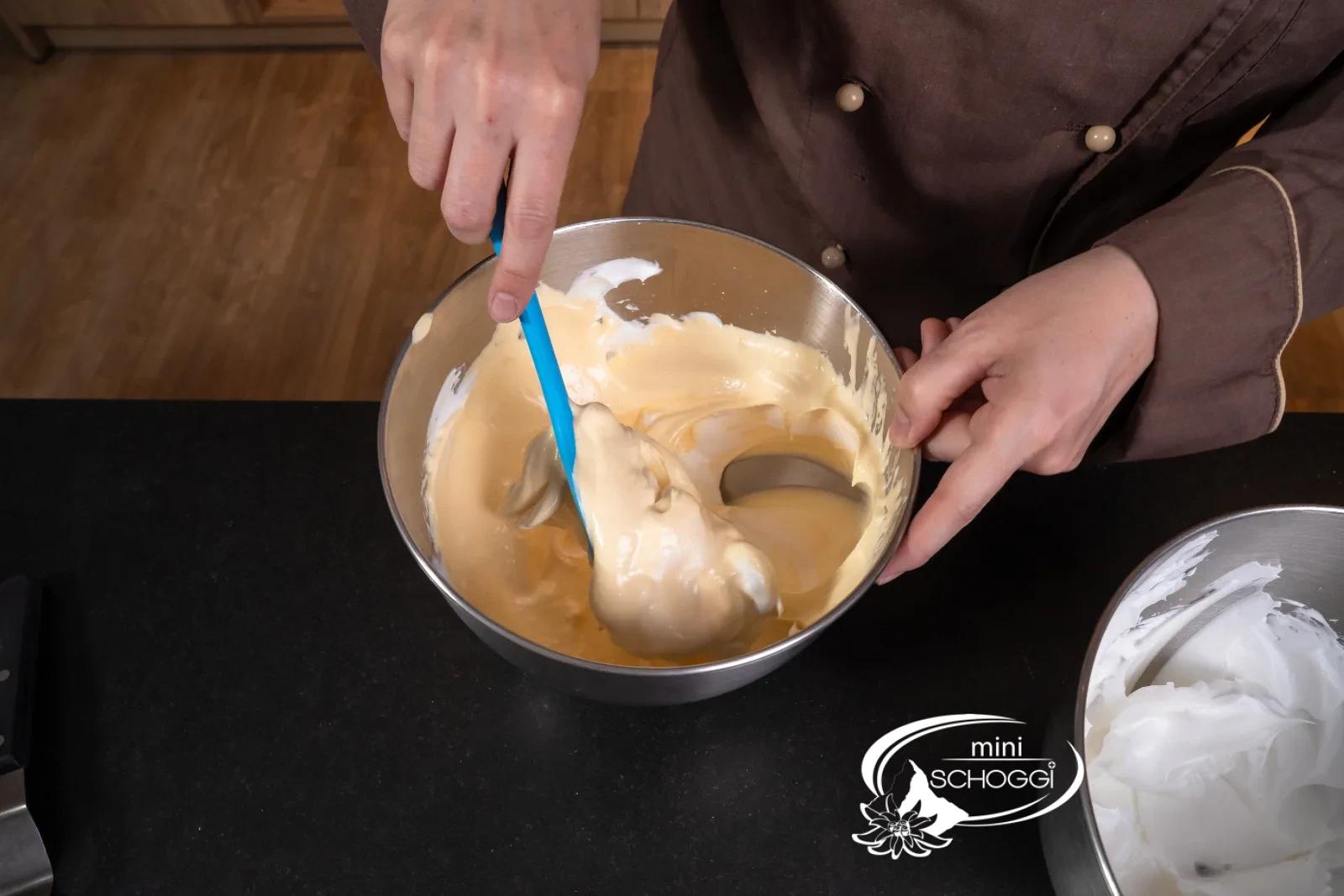
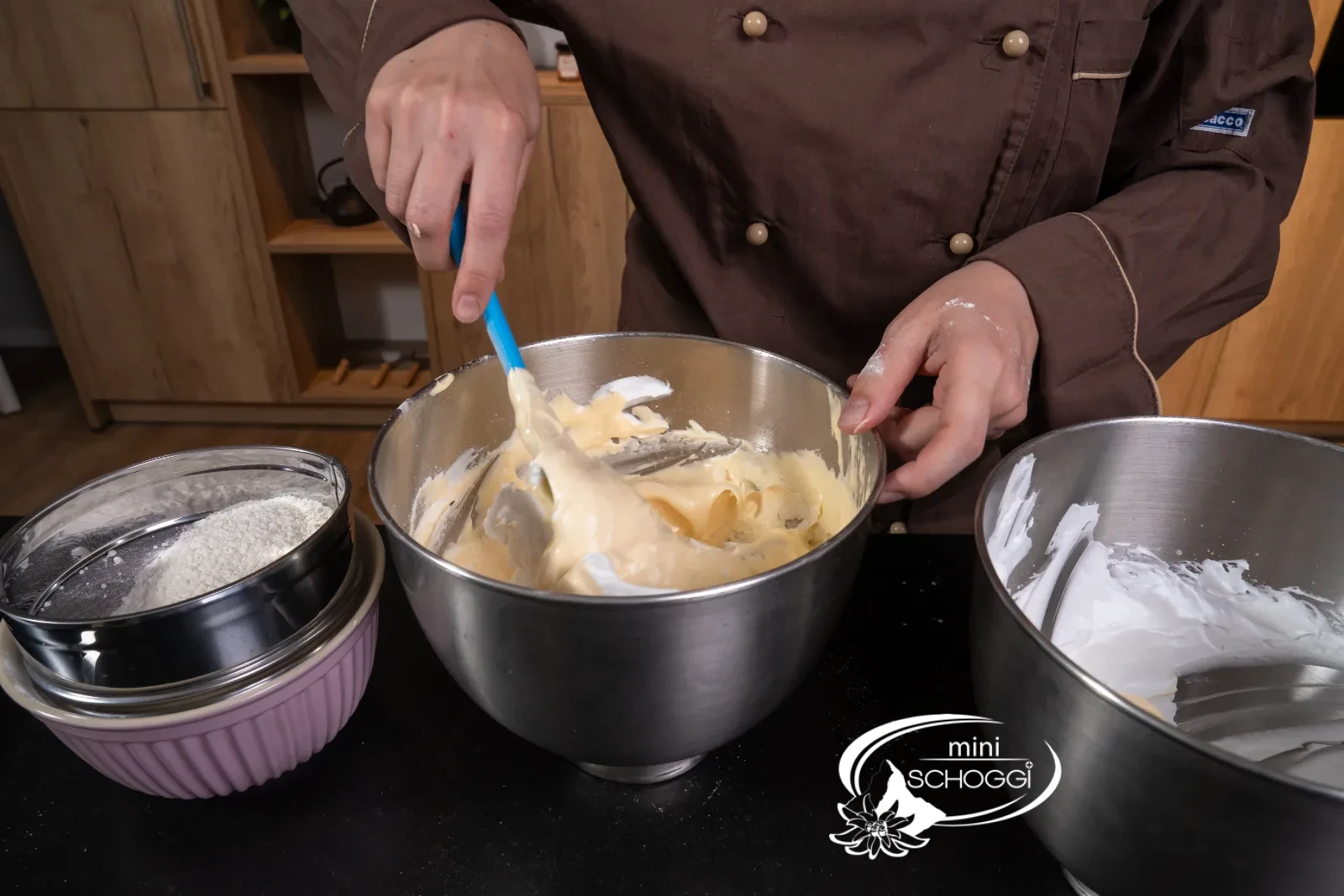
Always keep an eye on the egg white too. It must not be whipped too long, otherwise the mass will be overbeaten. As soon as the egg white is nicely stiff, switch off the machine and remove the Whisk. Now add 1/3 of the stiffly beaten egg white to the egg yolk mass and carefully fold it in by hand with a Rubber scraper.
What you need for this

Rubber scraper black, large
5
Sift in one third of the flour
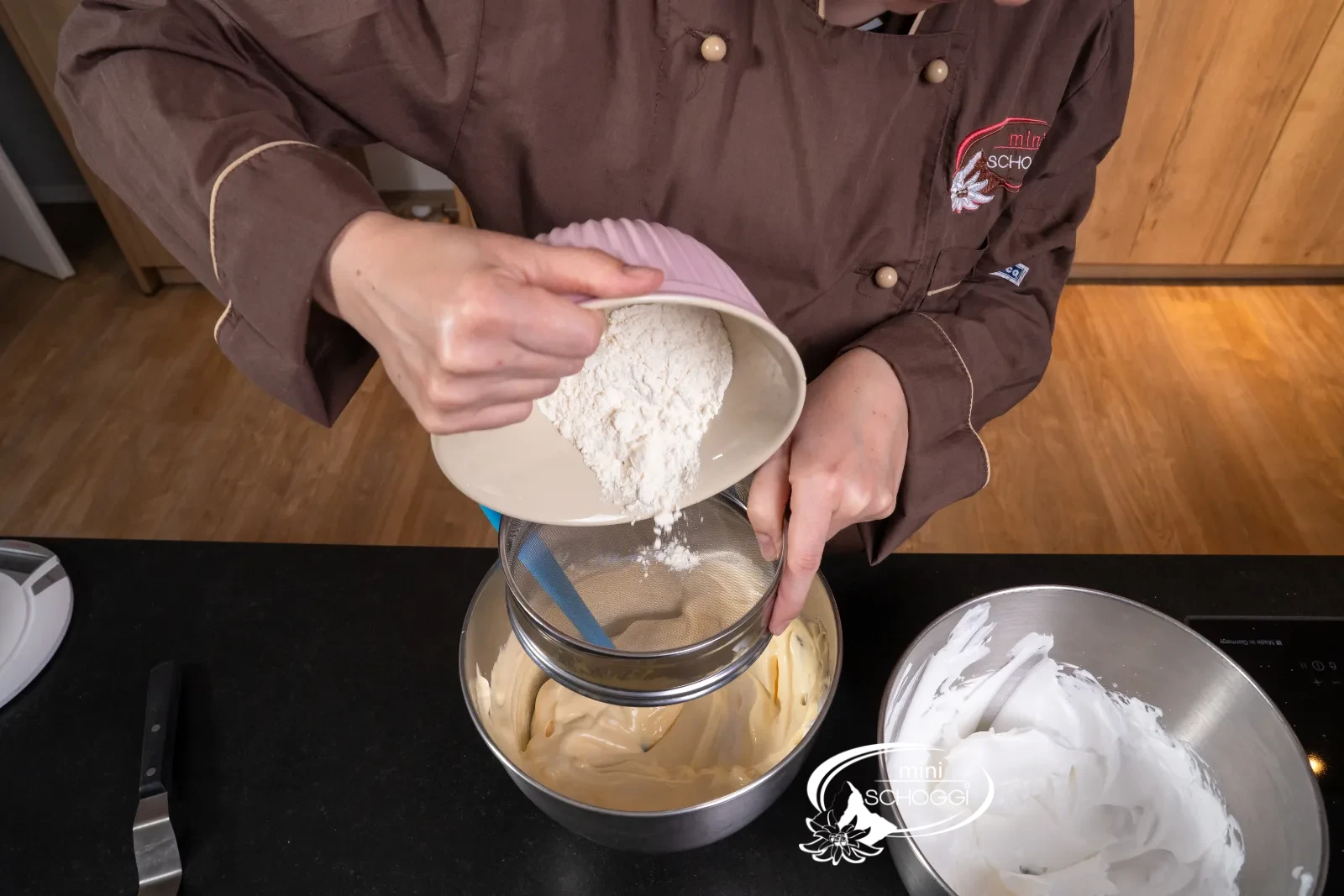
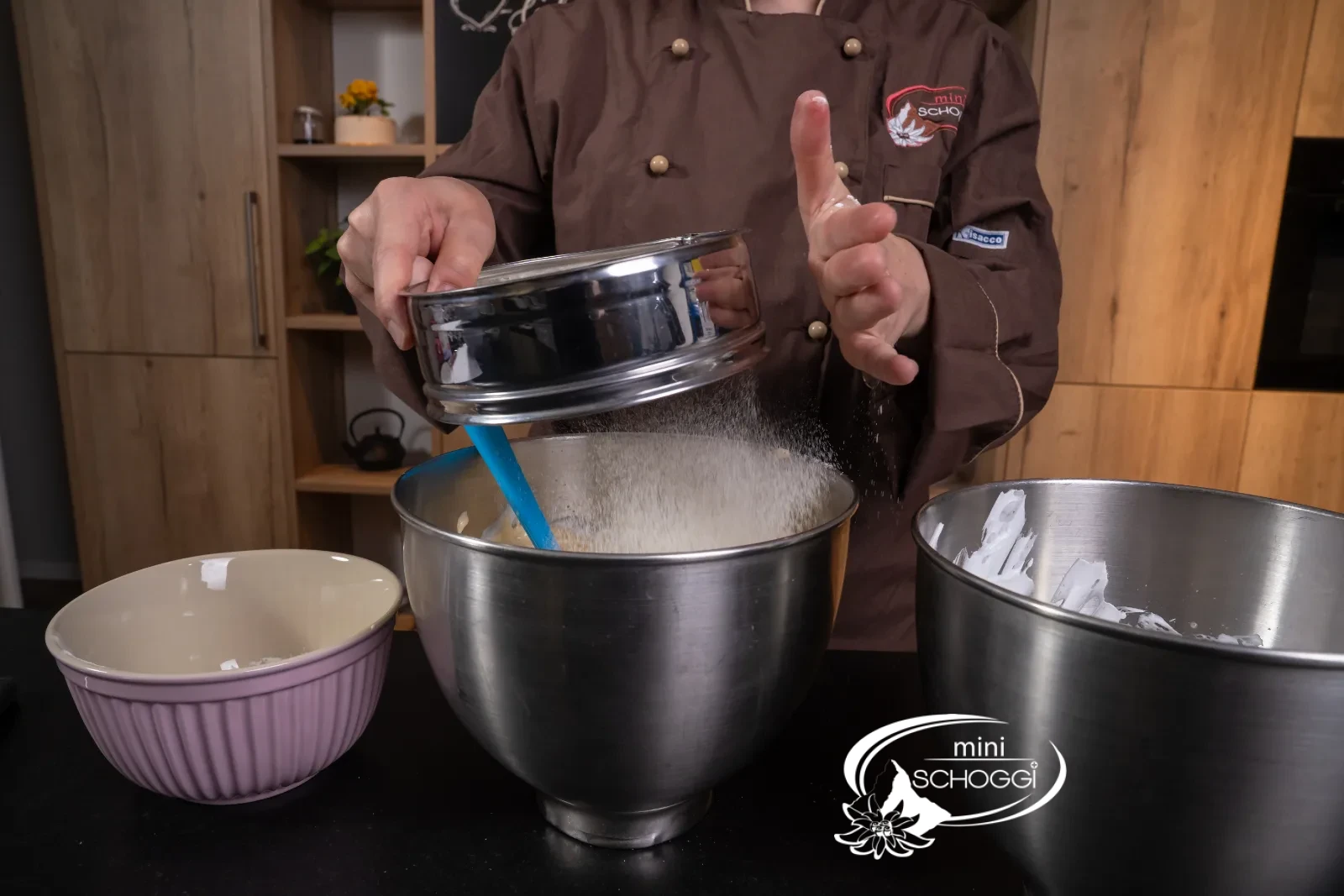
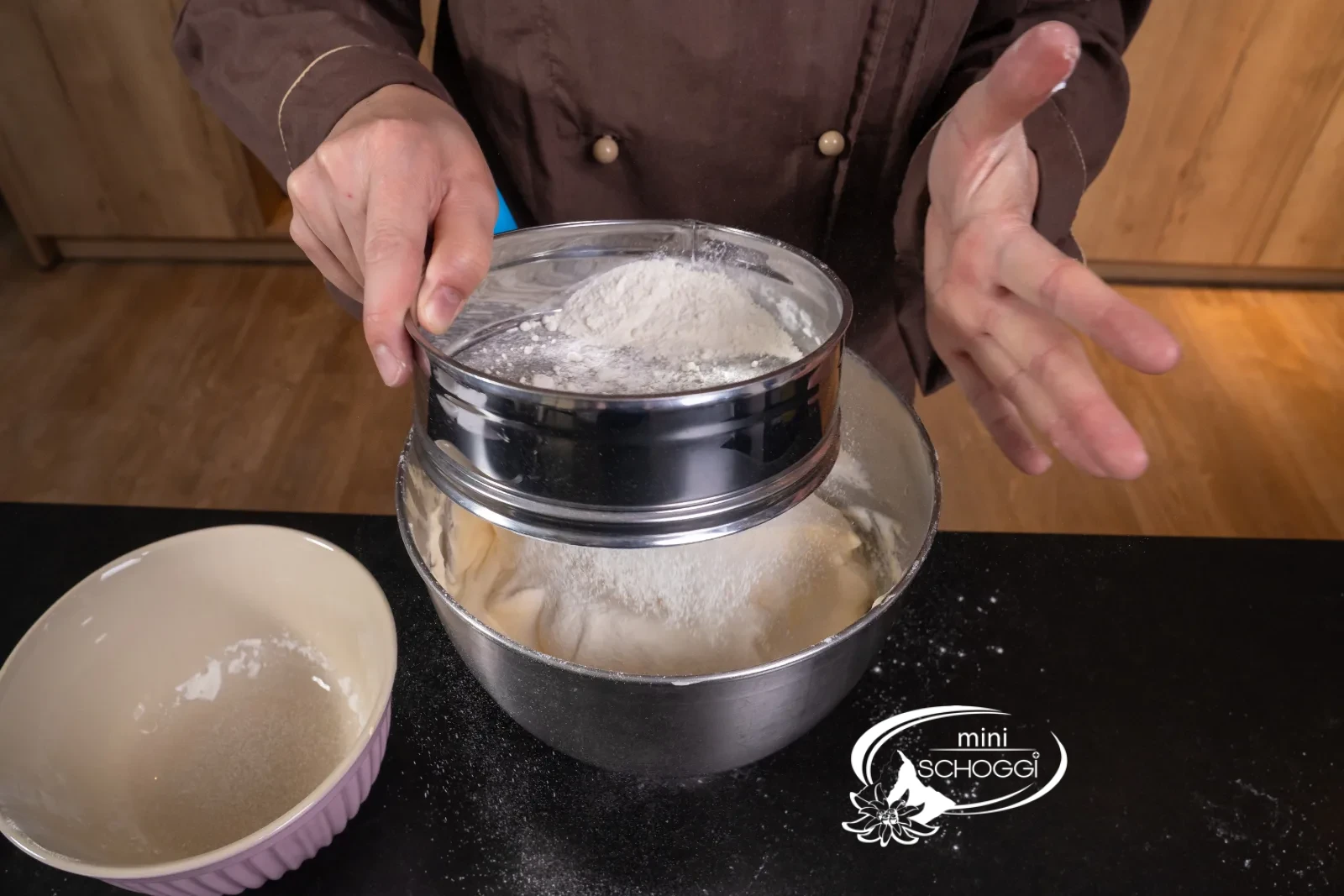
As soon as the egg white is well mixed into the egg yolk mass, you can sift in 1/3 of the White flour. Careful: not all the flour, really just 1/3!
What you need for this


White flour, 1 kg
Flour sieve with frame Ø 16 cm
Rubber scraper black, large
6
Fold in egg white and flour alternately
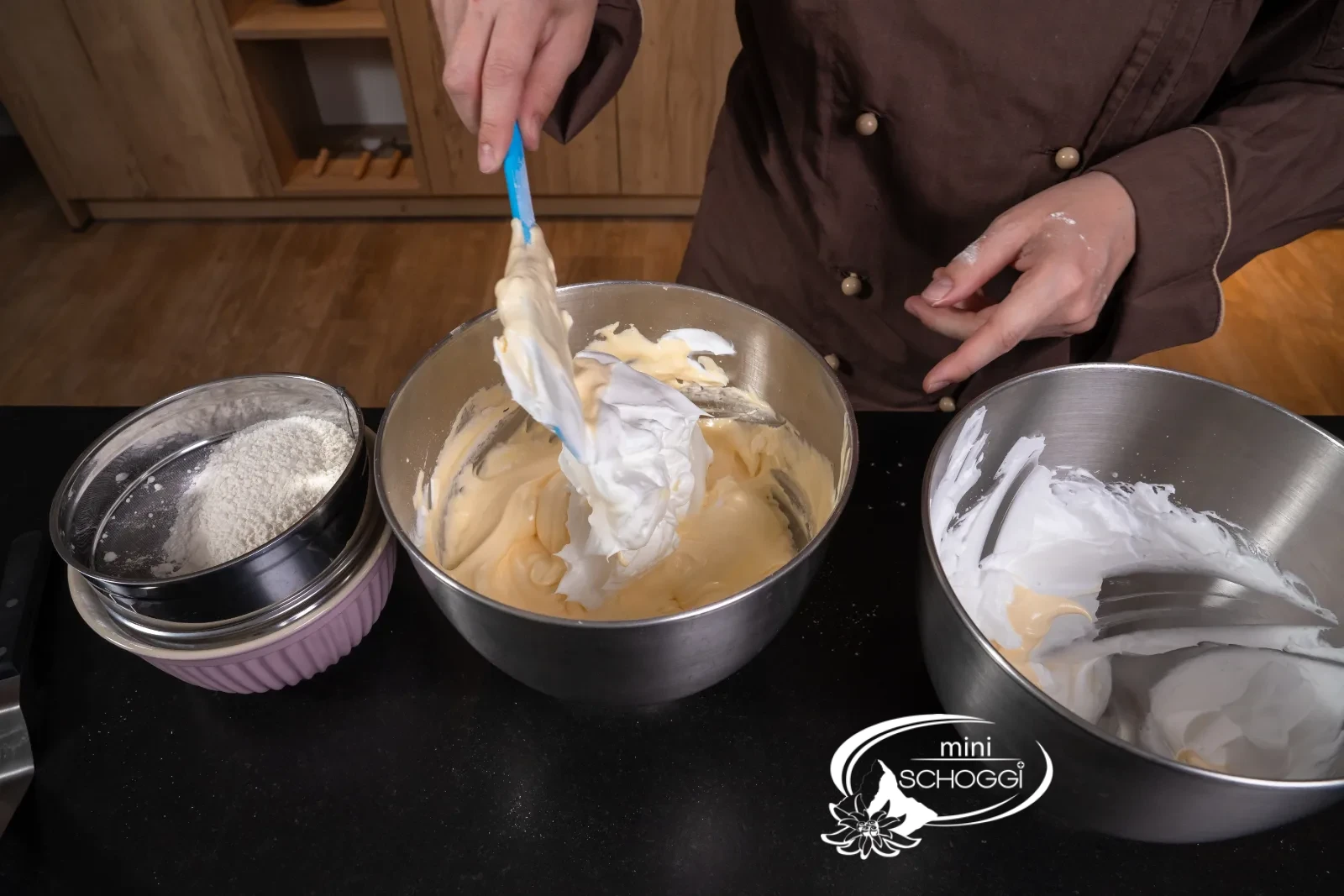
Then carefully fold the sifted flour into the mass with the Rubber scraper too. Now add another third of the stiffly beaten egg white and repeat the next steps until you have used up the egg white and the flour. In the end you should have an airy sponge mixture.
7
Spread the mass onto the Roulade mat
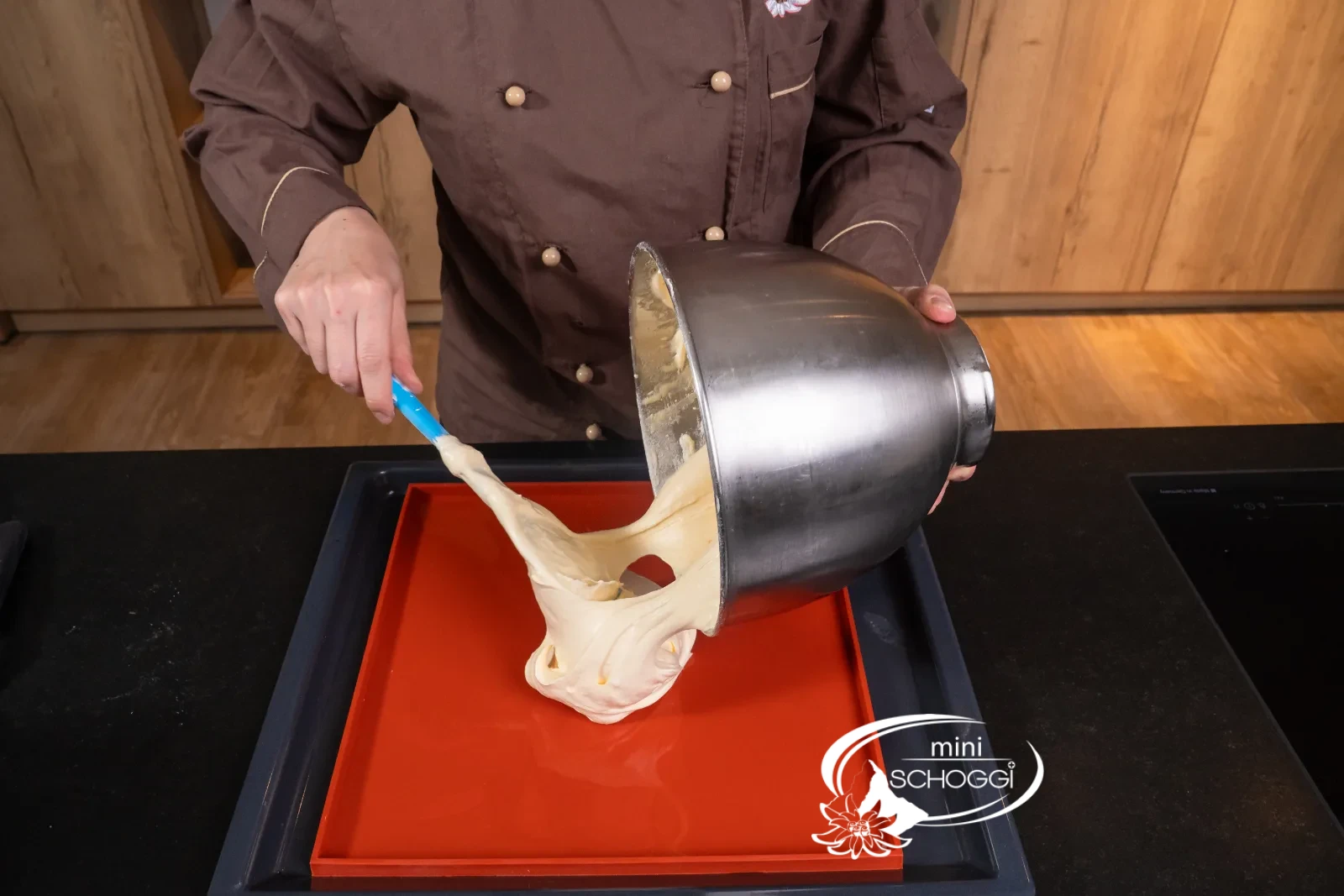
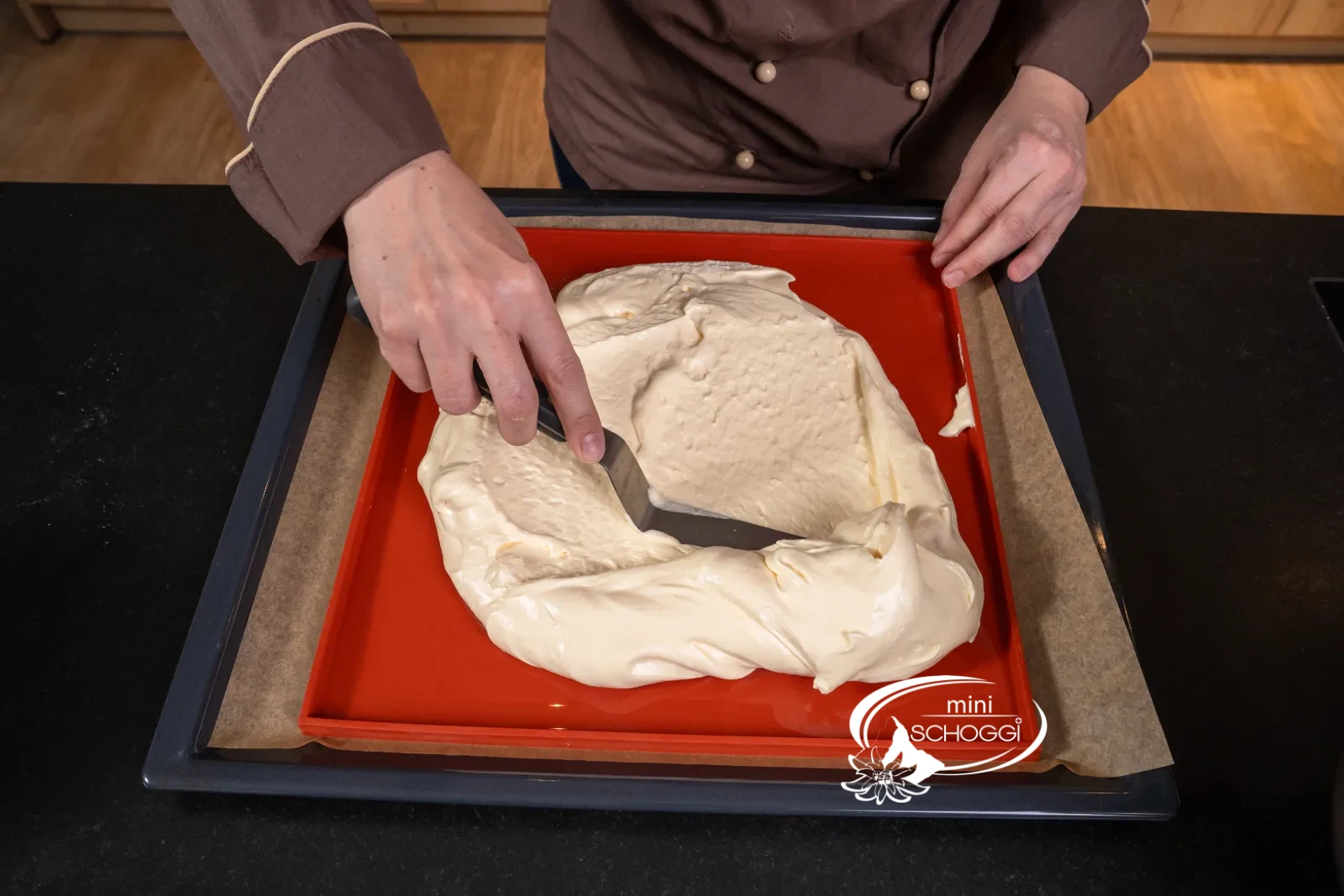
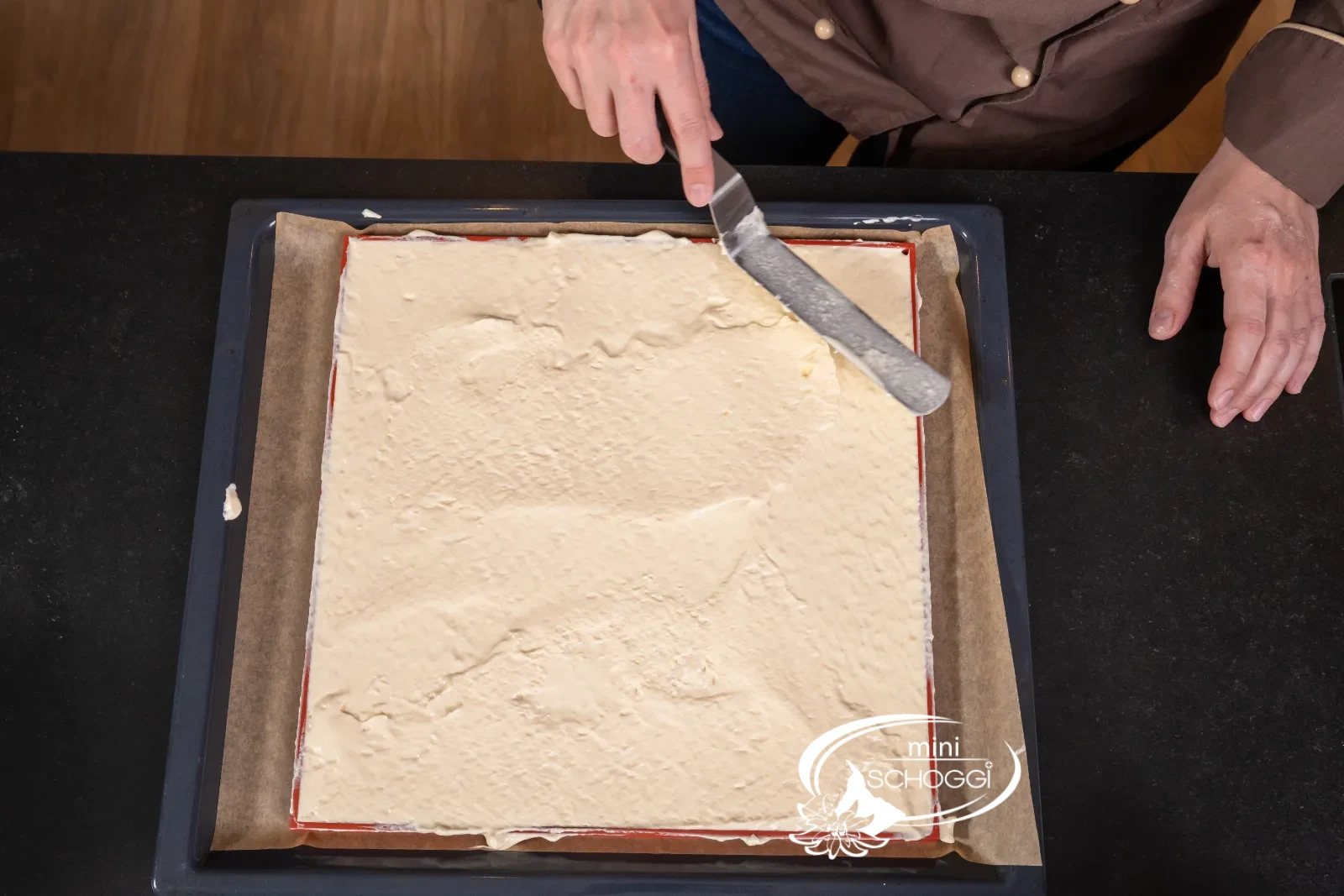
Next you need a Baking tray with baking paper and place a Roulade mat (32.5 × 32.5 × 1 cm) on top. This Silicone mat, specially designed for roulades, is the perfect size for use in a domestic oven. Now fill all of the finished sponge mixture into the Roulade mat and spread it out with an Angled spatula.
What you need for this


Silicone Roulade mat with rim, square 32.5 x 32.5 x 1 cm
Rubber scraper black, large
Angled spatula medium with plastic handle
8
Bake and sugar immediately. Turn out and let cool
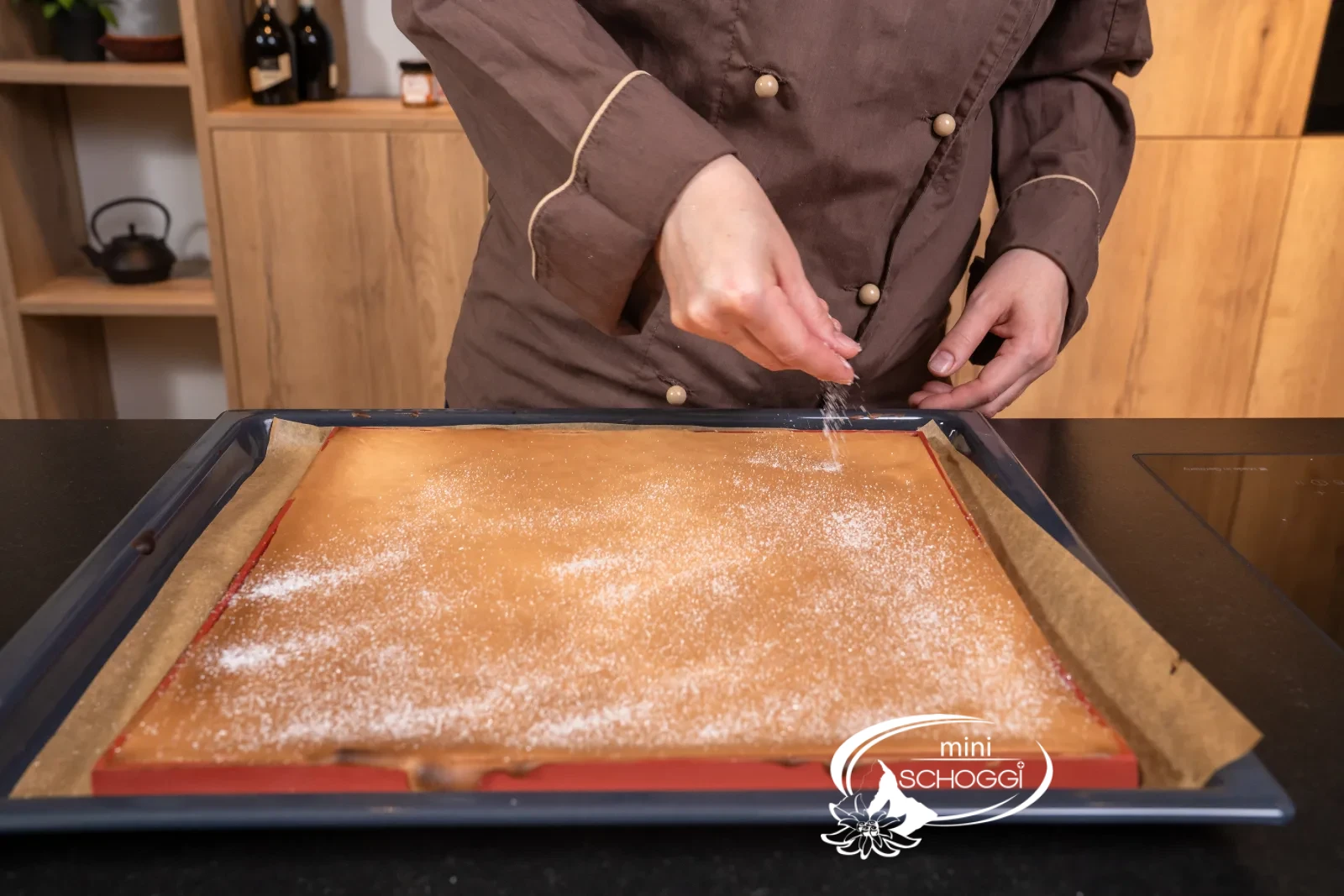
In the end the sponge mixture should be nicely evenly spread across the Roulade mat. Then place the Baking tray directly into the preheated oven at 210 °C. After just 10–12 minutes your roulade is nicely and evenly baked to a light brown. Take the finished roulade out of the oven. Now you have to be quick: sprinkle the roulade surface directly and generously with granulated sugar, this prevents it from sticking to the baking paper later.
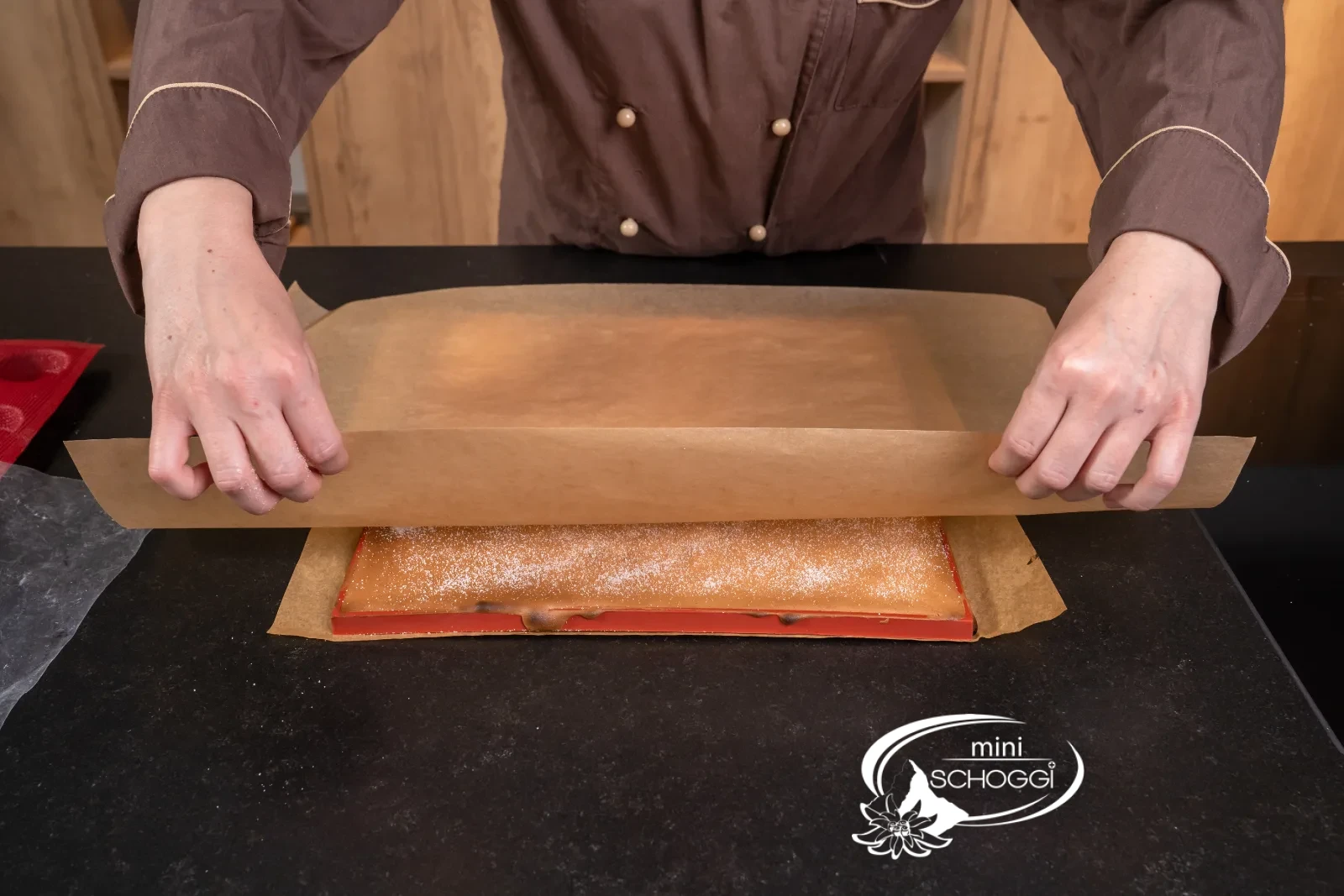
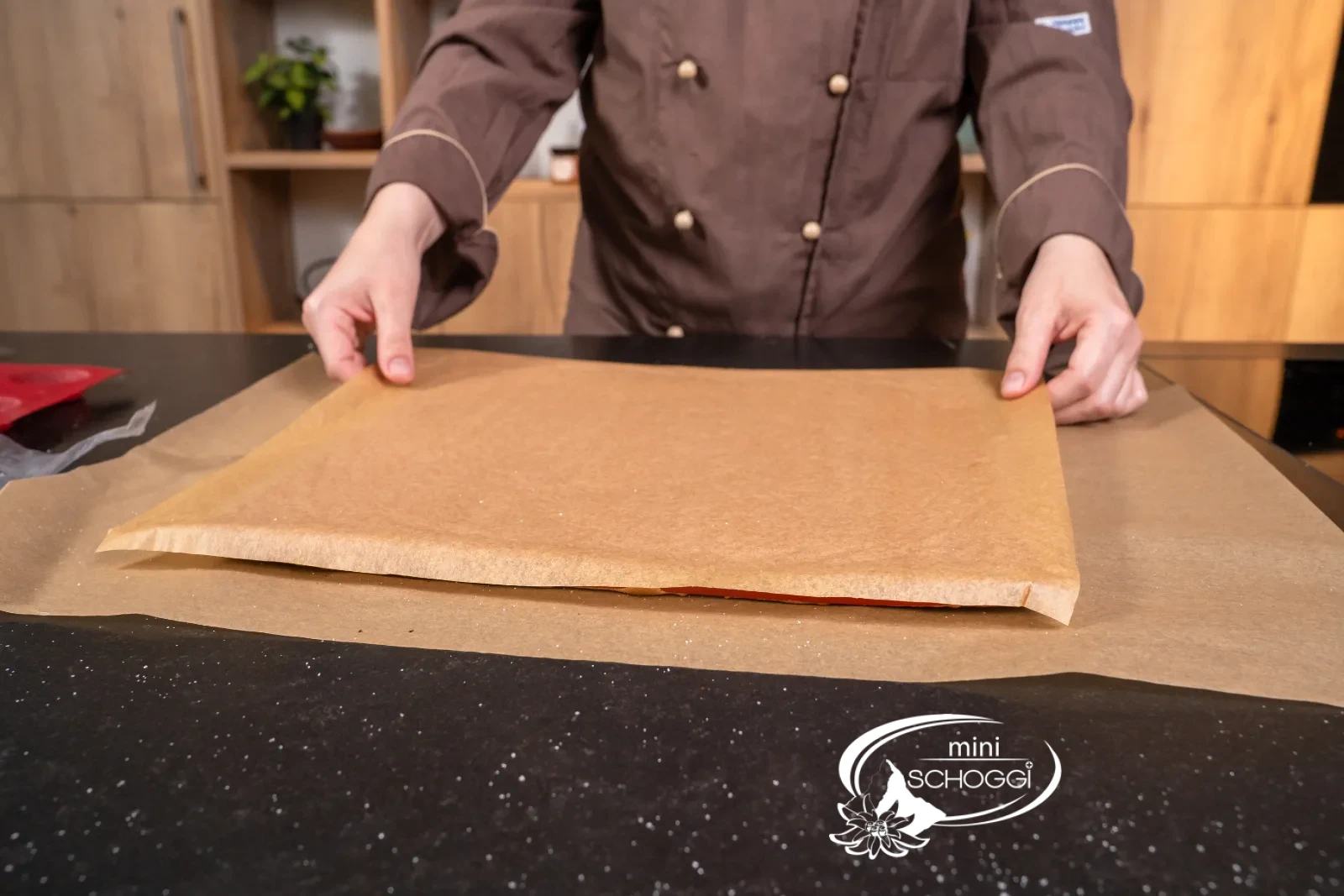
Next, slide the baking paper with the Roulade mat off the hot tray, ideally onto your kitchen surface. Then place another sheet of baking paper directly over the finished baked roulade and turn out the whole Roulade mat using oven gloves (heat-resistant up to 180 degrees). Careful, the Roulade mat is still very hot!
Some sugar crystals will spread onto the floor or the work surface during turning, this unfortunately can't be avoided.
Now let the finished turned-out roulade cool for at least 10–15 minutes. In the meantime, prepare the mango-coconut filling.
What you need for this

Baking paper 42 x 33 cm, 25 pieces
Mango-coconut cream
1
Whip the cream
While the roulade is cooling, you can already make the cream. Take a one-litre container and add the liquid full cream, Cream stiffener and vanilla sugar. Whip everything together with a Hand mixer until the cream is nicely stiff, and set the finished cream aside.
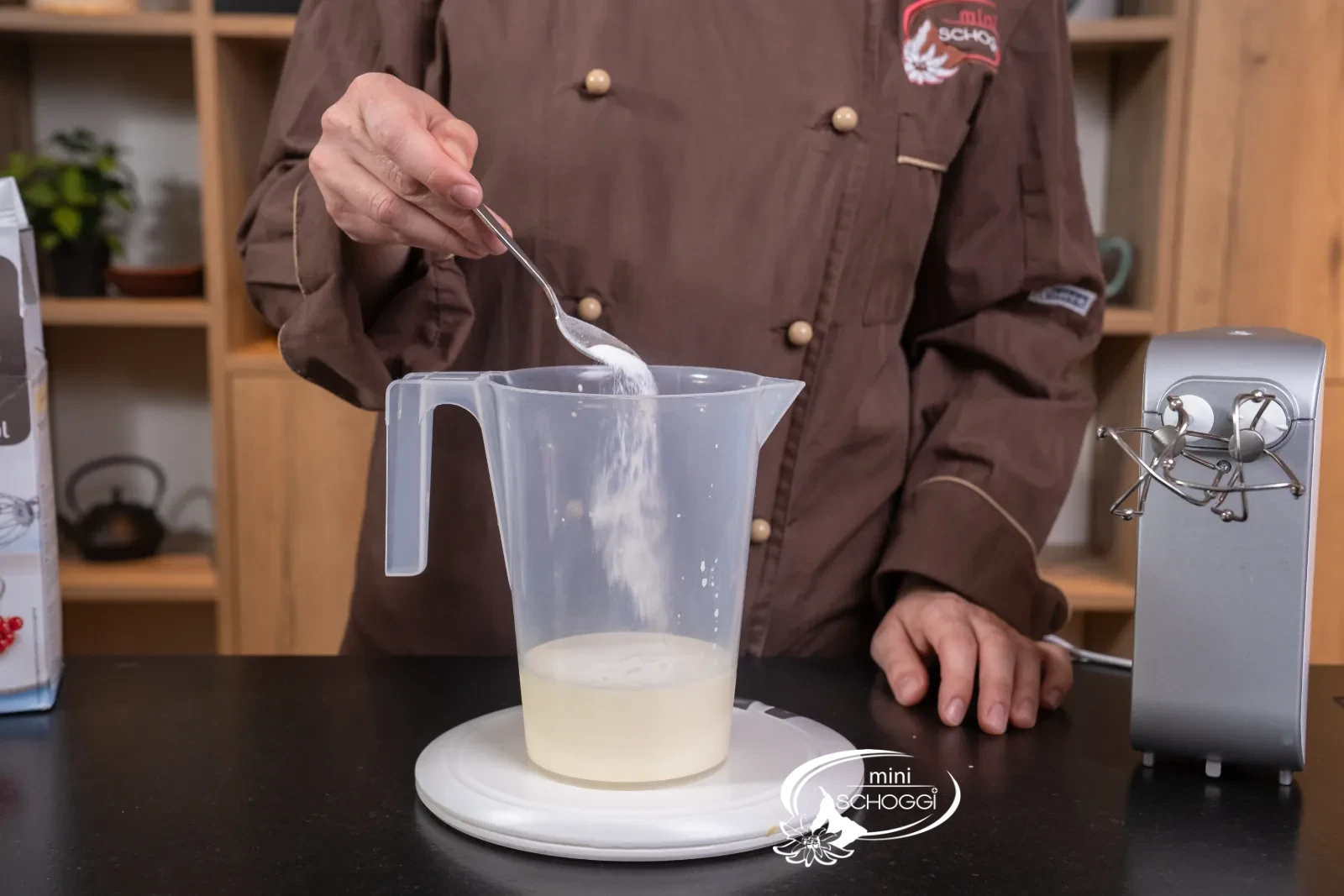
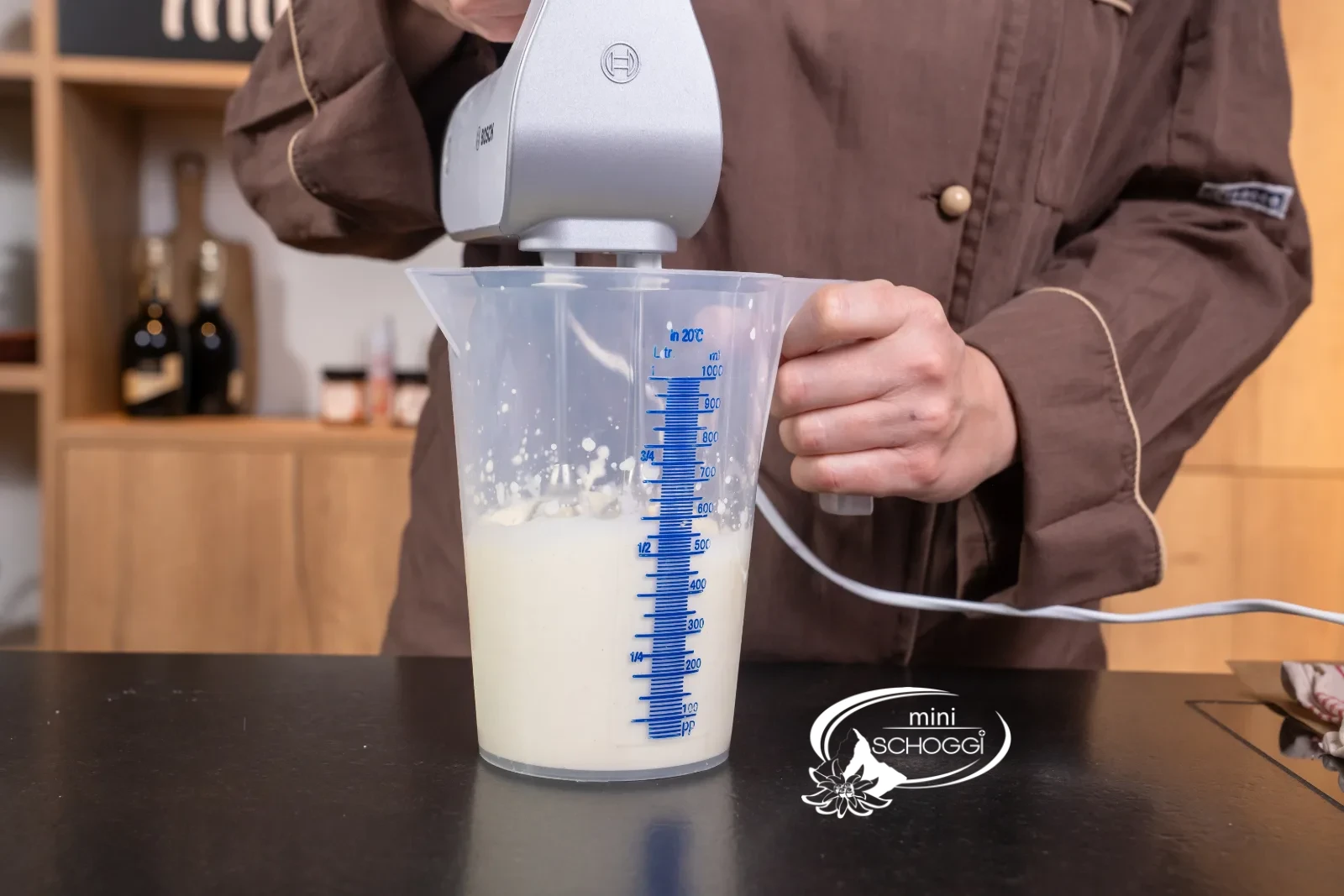
What you need for this

Measuring cup 1 litre
Hand mixer Clever Mix
2
Mix the mascarpone with the fruit purees
Next you need a slightly larger Bowl. Add the required amount of mascarpone and granulated sugar. Briefly mix both ingredients with the Hand mixer until the mascarpone softens a little. Then add the mango and the Passion fruit puree and mix everything together with a hand Whisk.
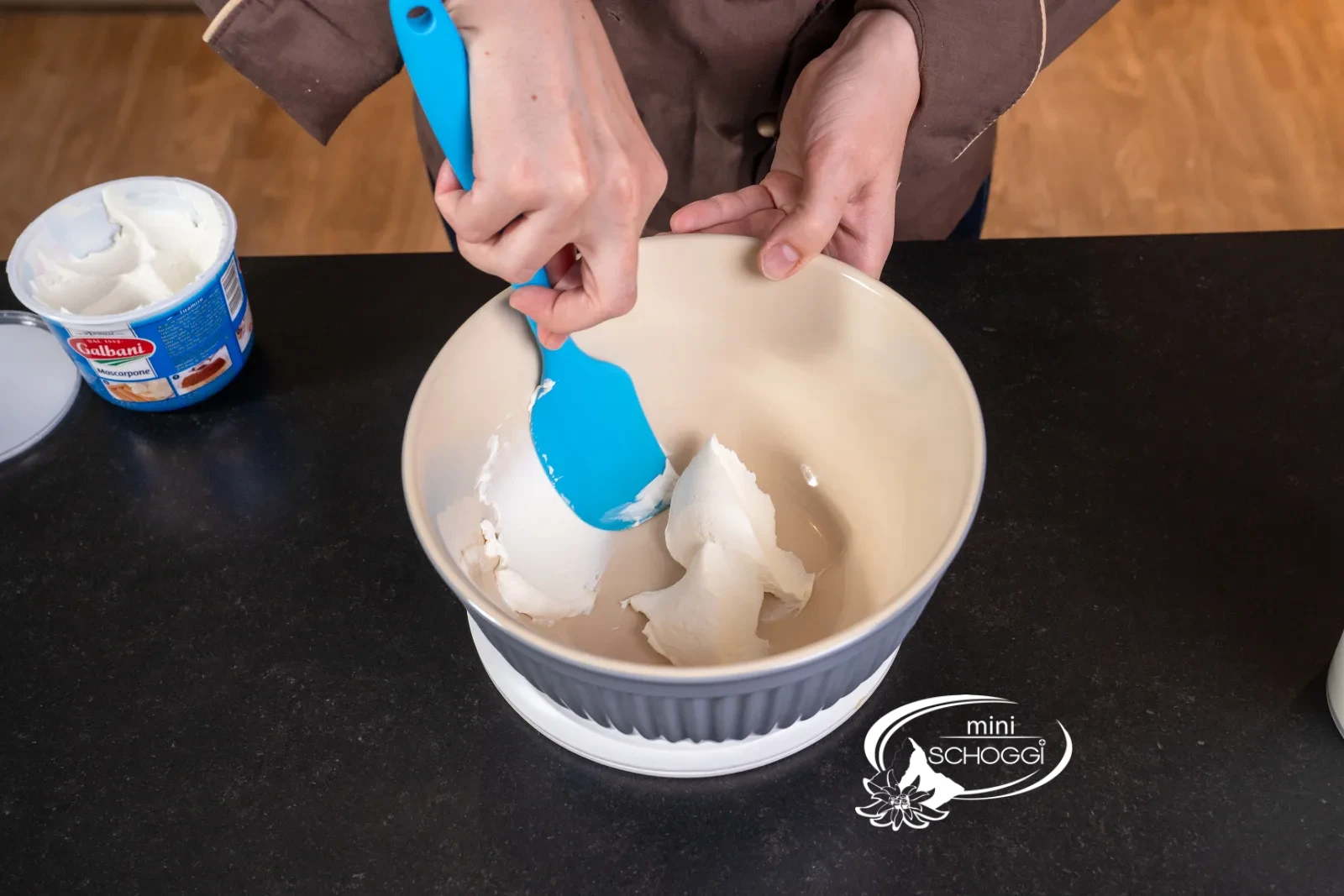
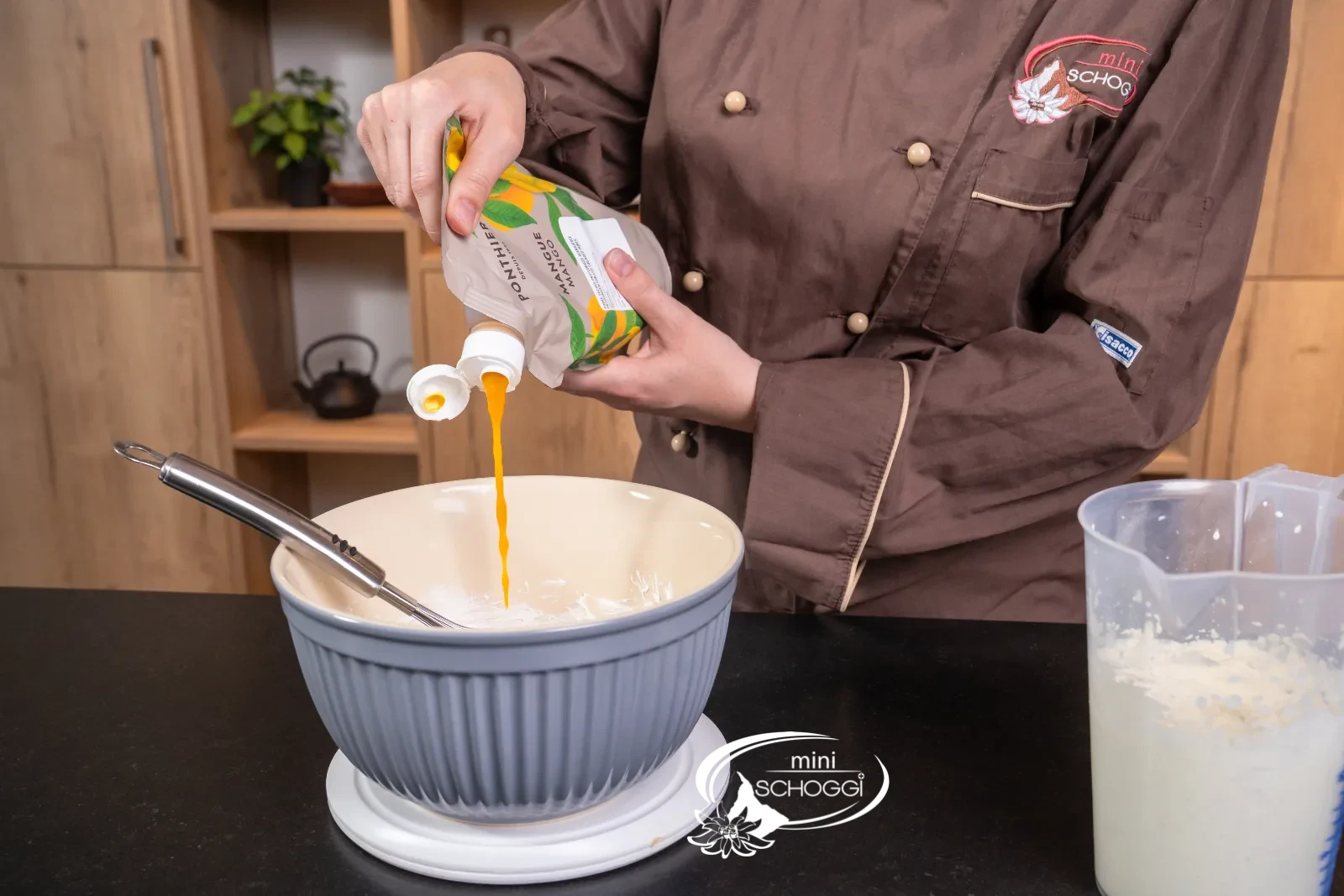
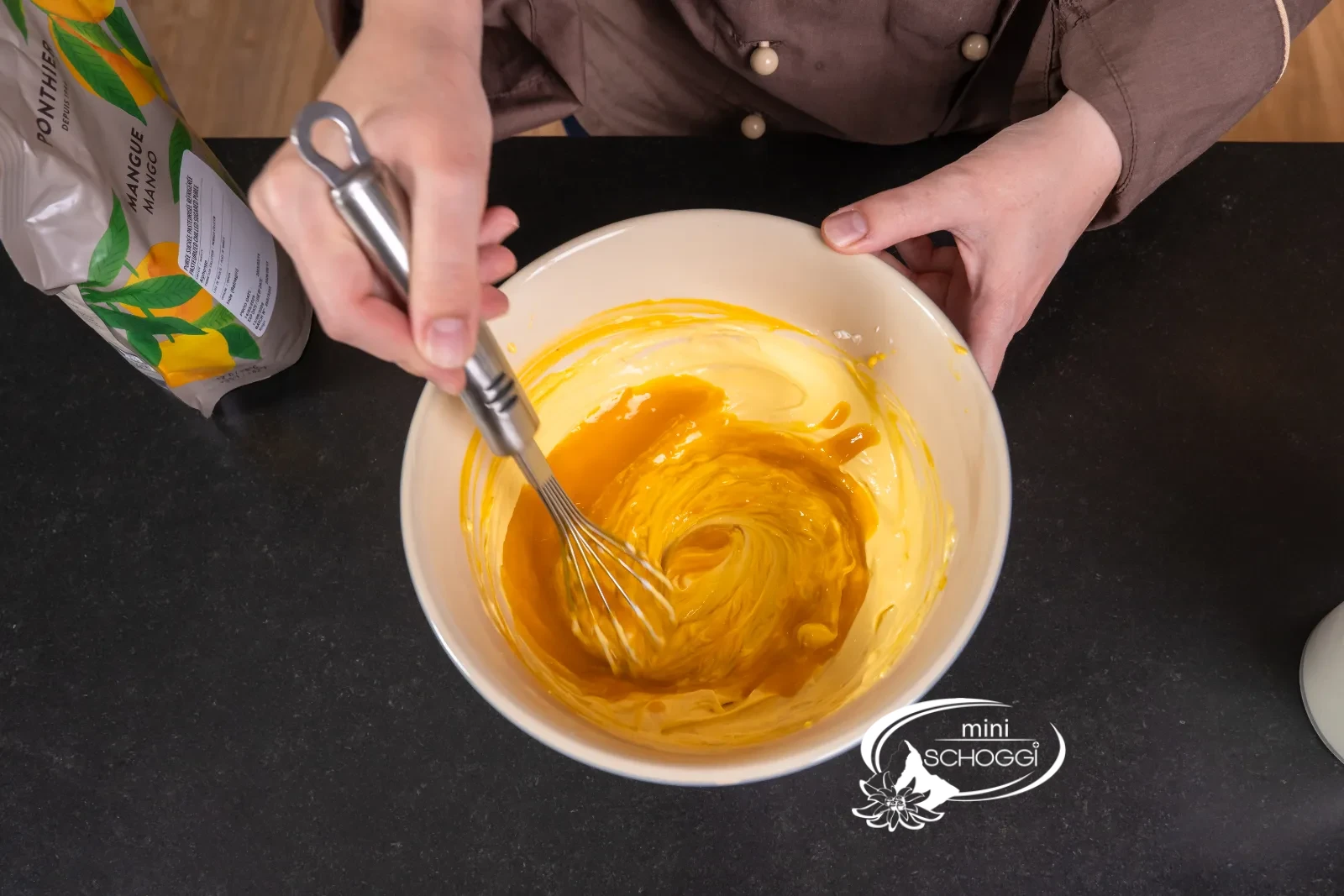
What you need for this


Passion fruit puree 1 kg
Mango fruit puree 1 kg
Whisk large 30.5 cm
3
Fold in the whipped cream in two parts
Then add the whipped cream in two parts and carefully fold everything into the mass with a Whisk.
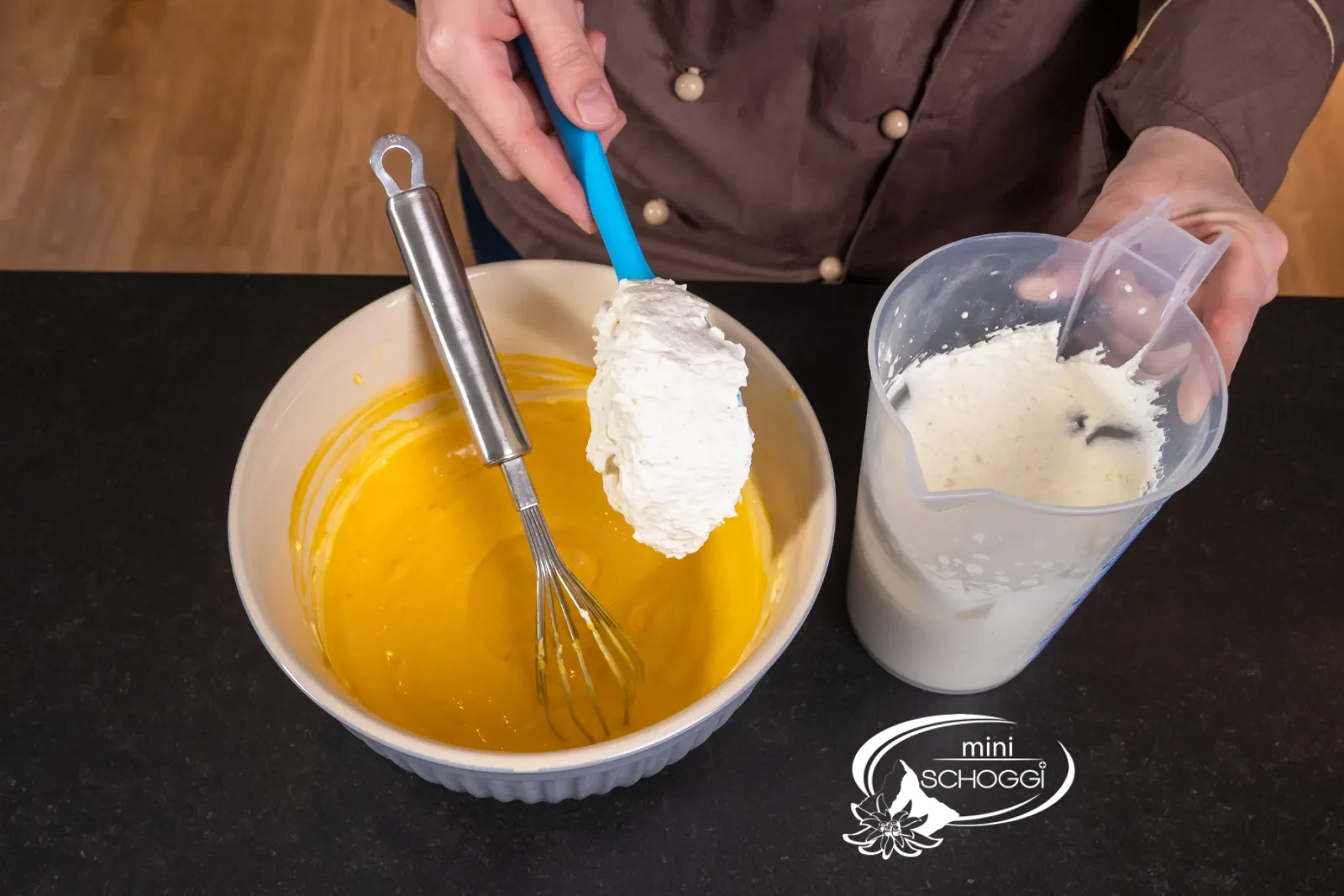
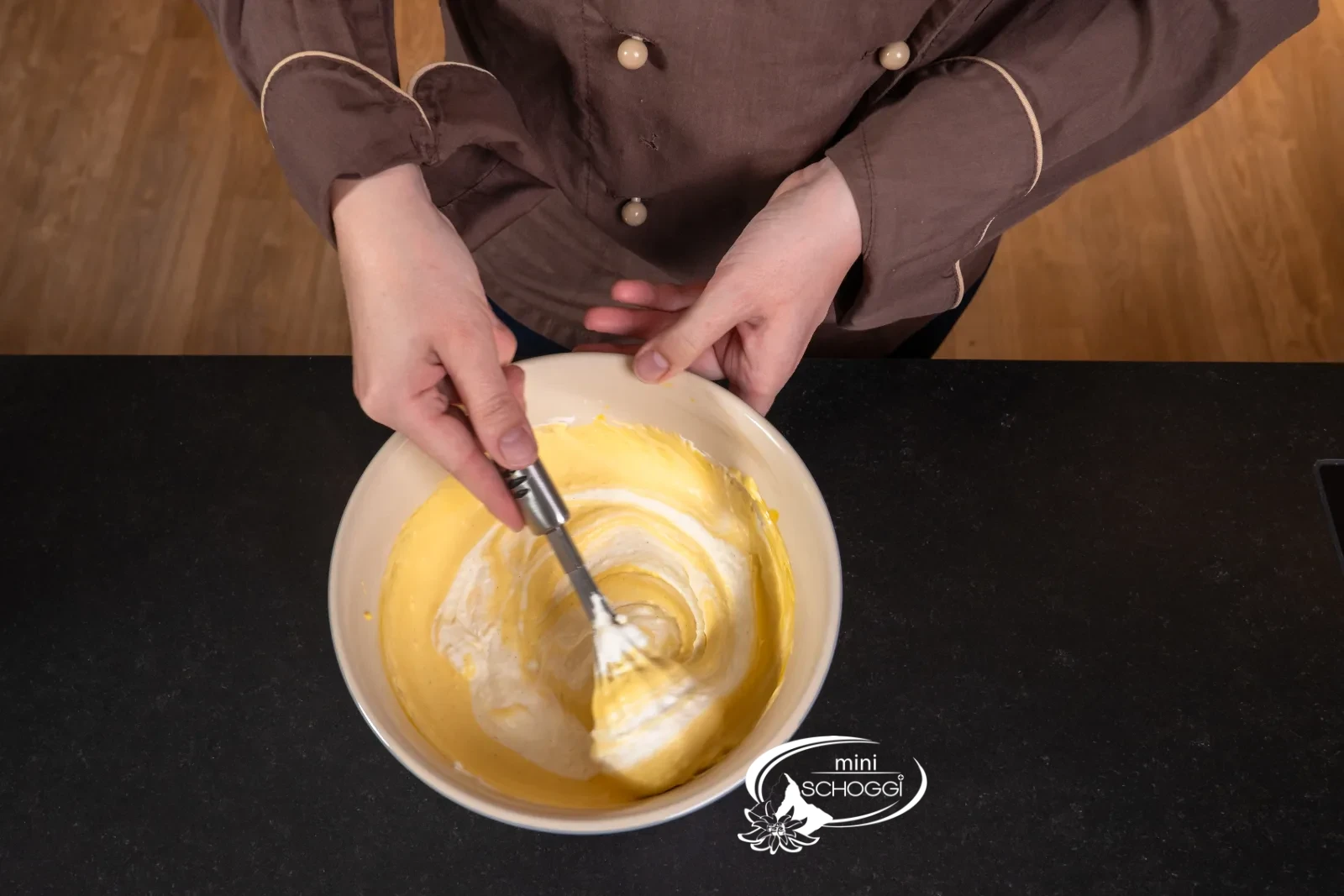
4
Fold in the coconut flakes
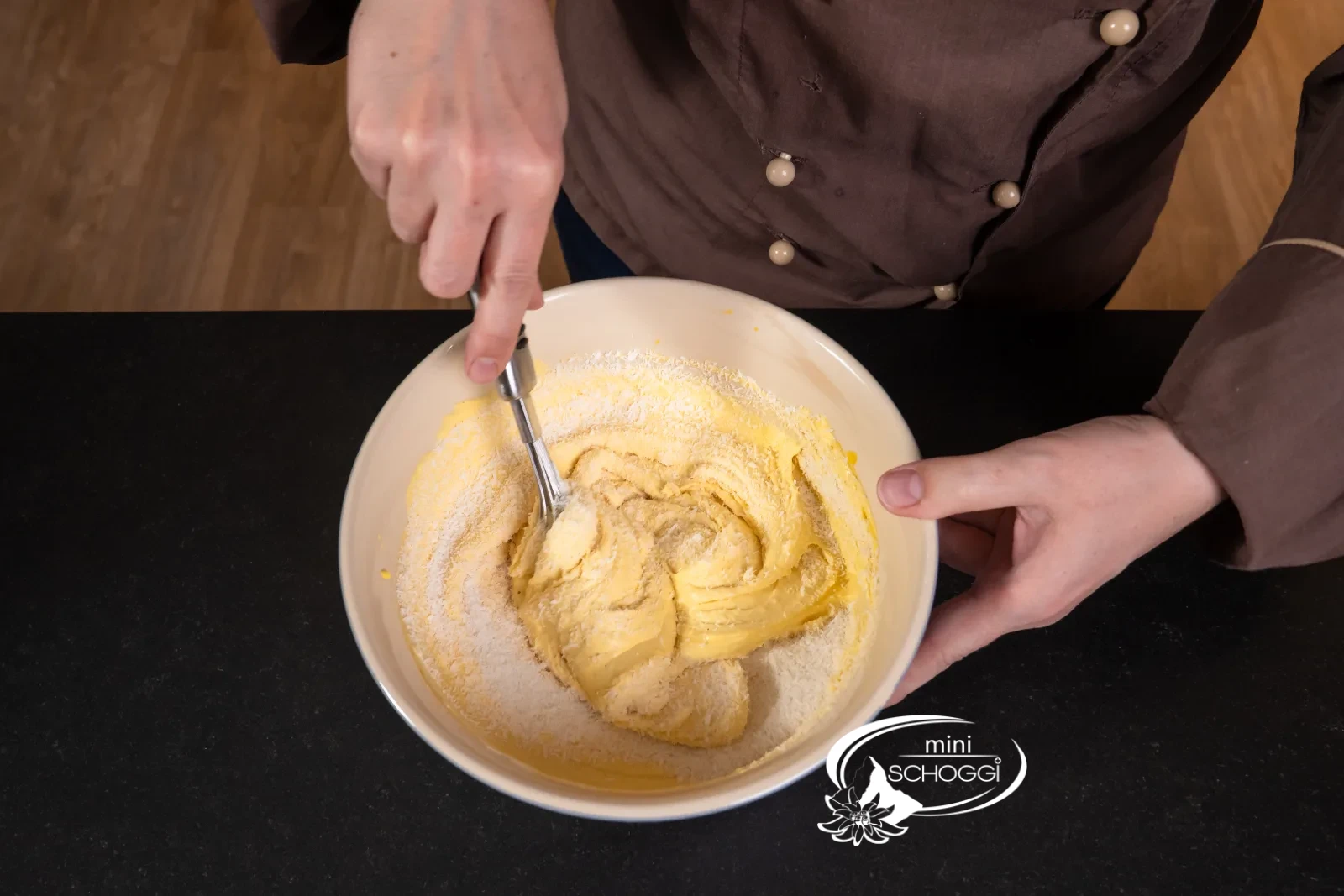
At the end, add the coconut flakes. Fold these into the mass with a Whisk as well. With the addition of the coconut flakes, the mass now visually gives the impression of having lots of little lumps. Don't let that unsettle you, that's completely normal. Set your finished mango-passion fruit-coconut cream aside briefly and now release your cooled roulade from the Roulade mat.
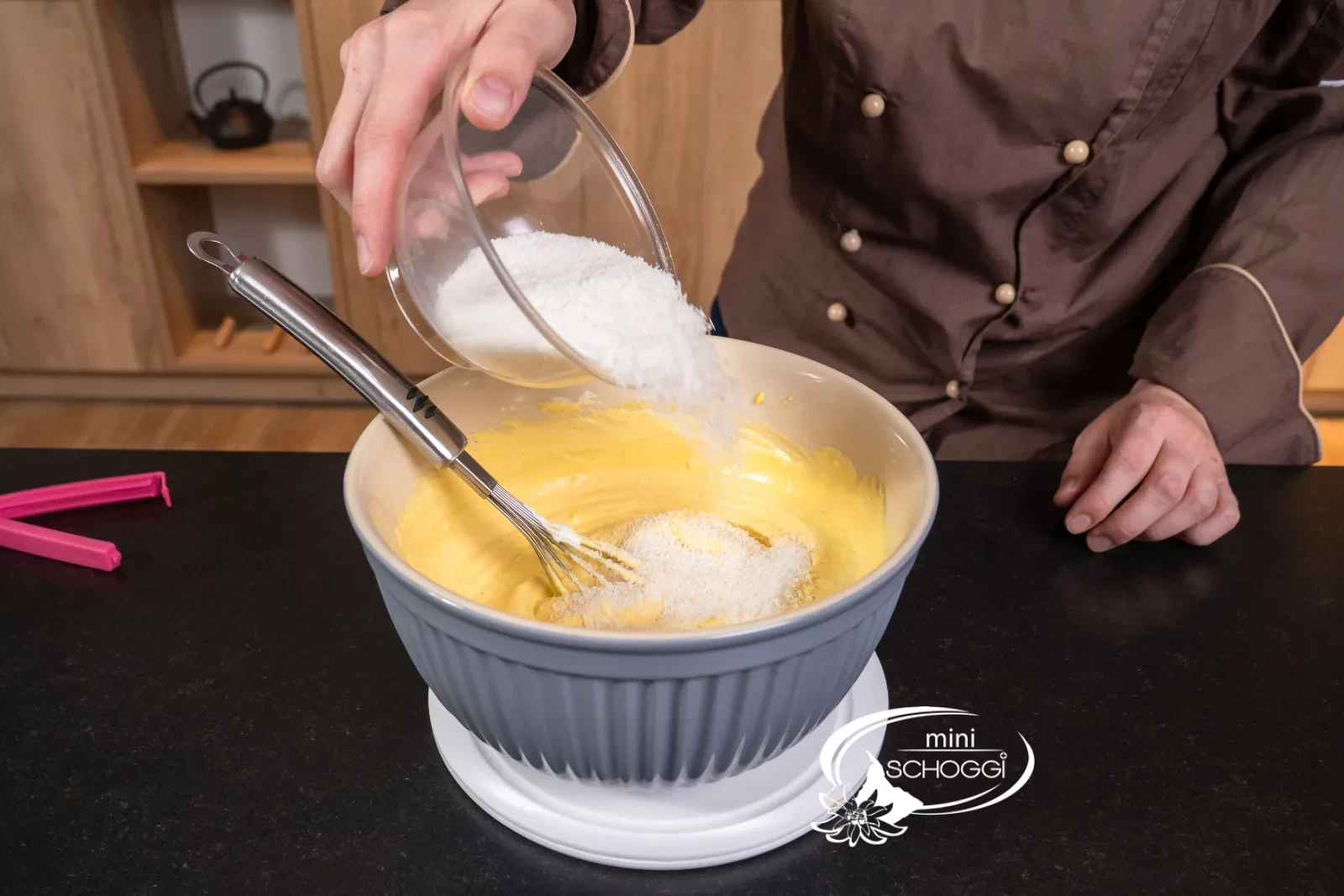
Fill, roll up and slice
1
Release the sponge from the Roulade mat
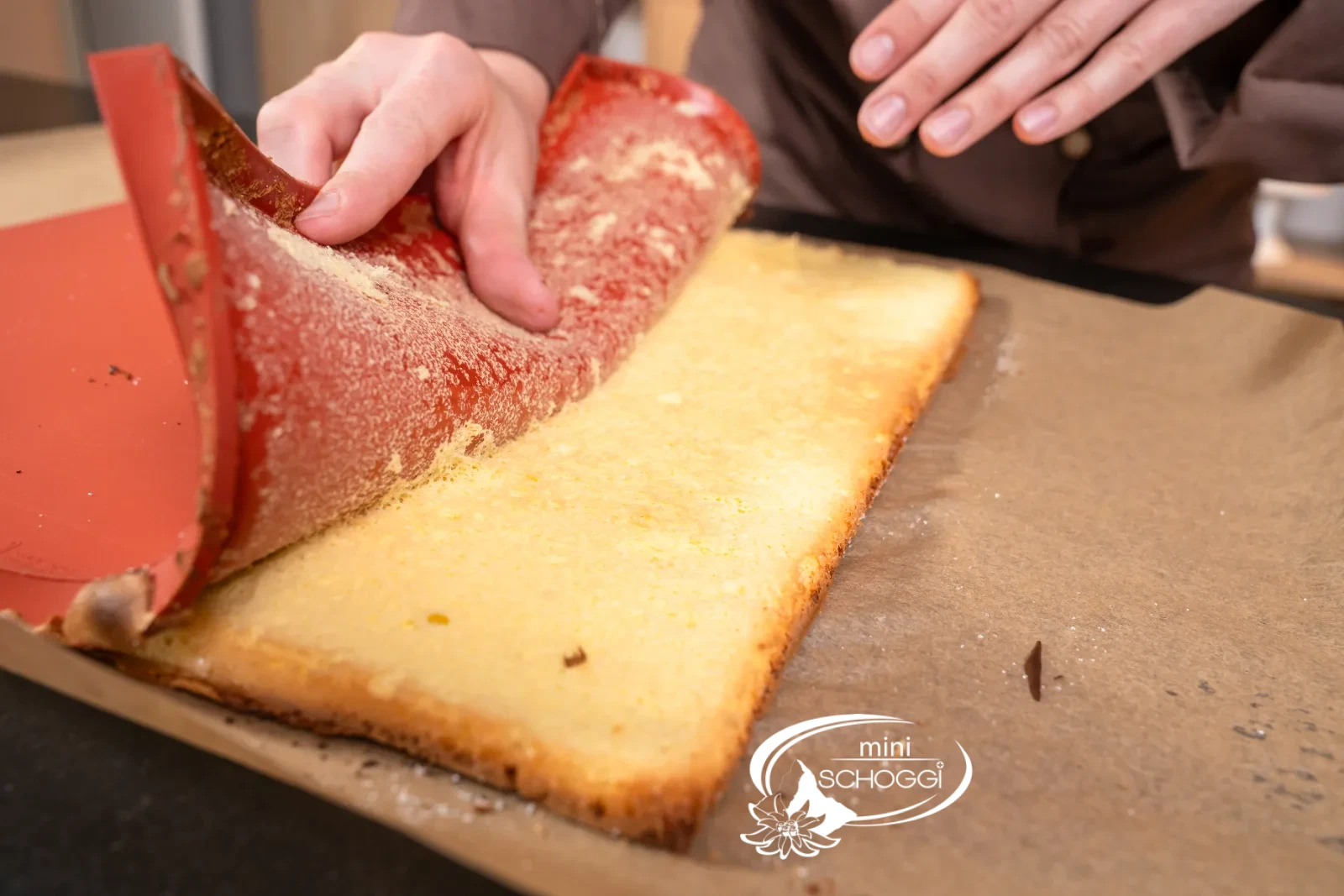
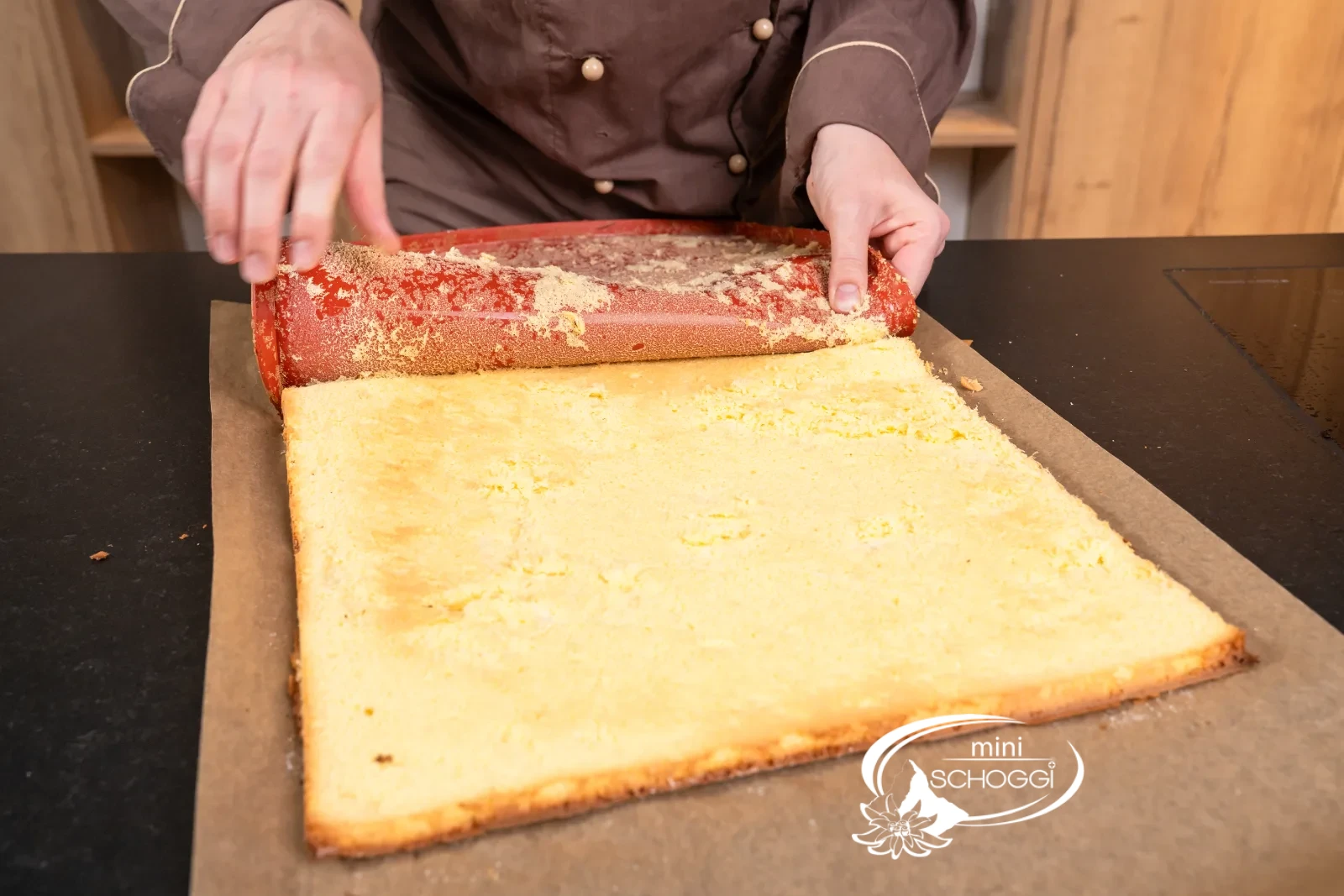
Start at one side and carefully release the cooled Roulade mat from the sponge. A very thin layer always stays stuck to the mat, but that is completely normal and shouldn't unsettle you.
2
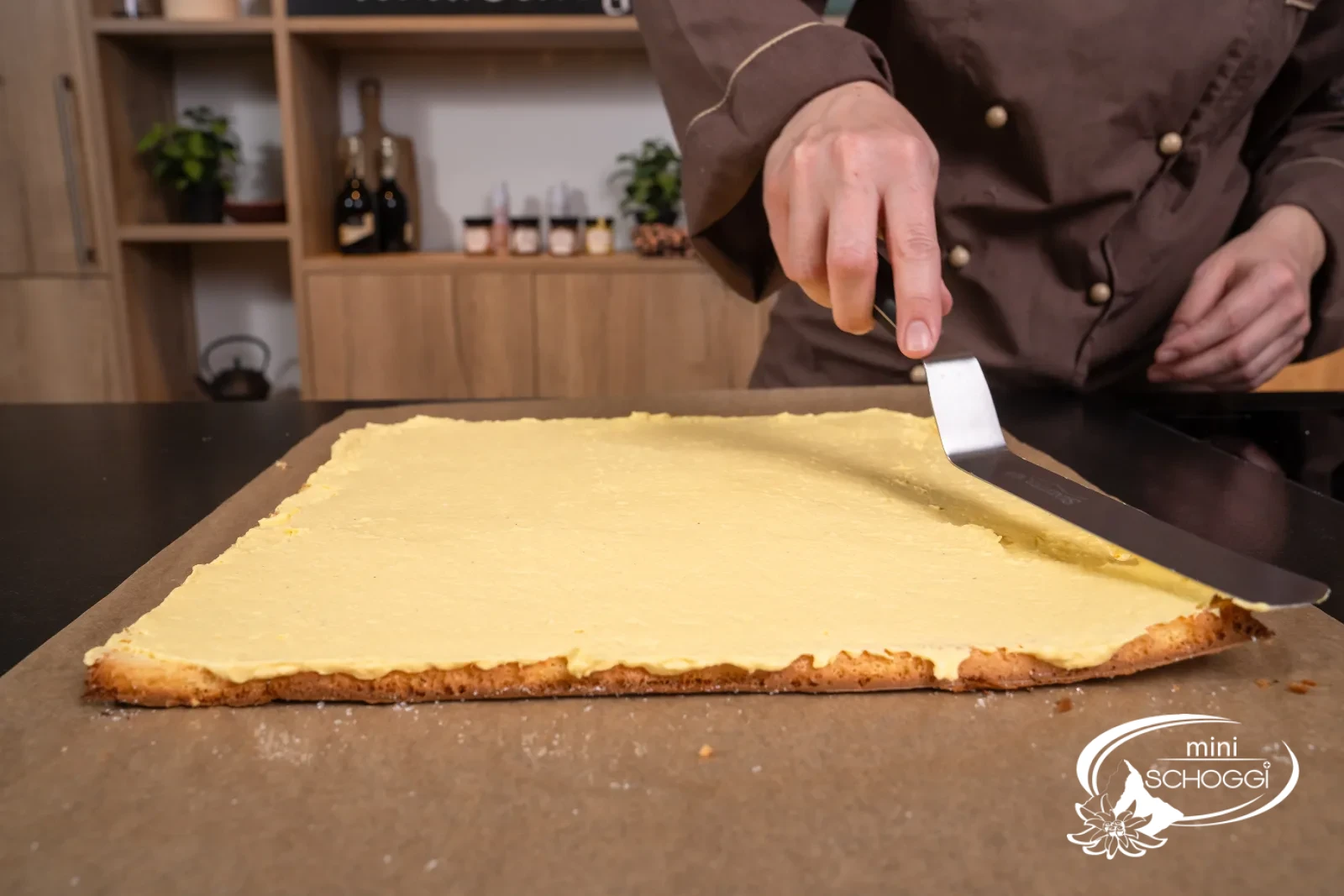
Spread the cream on the sponge
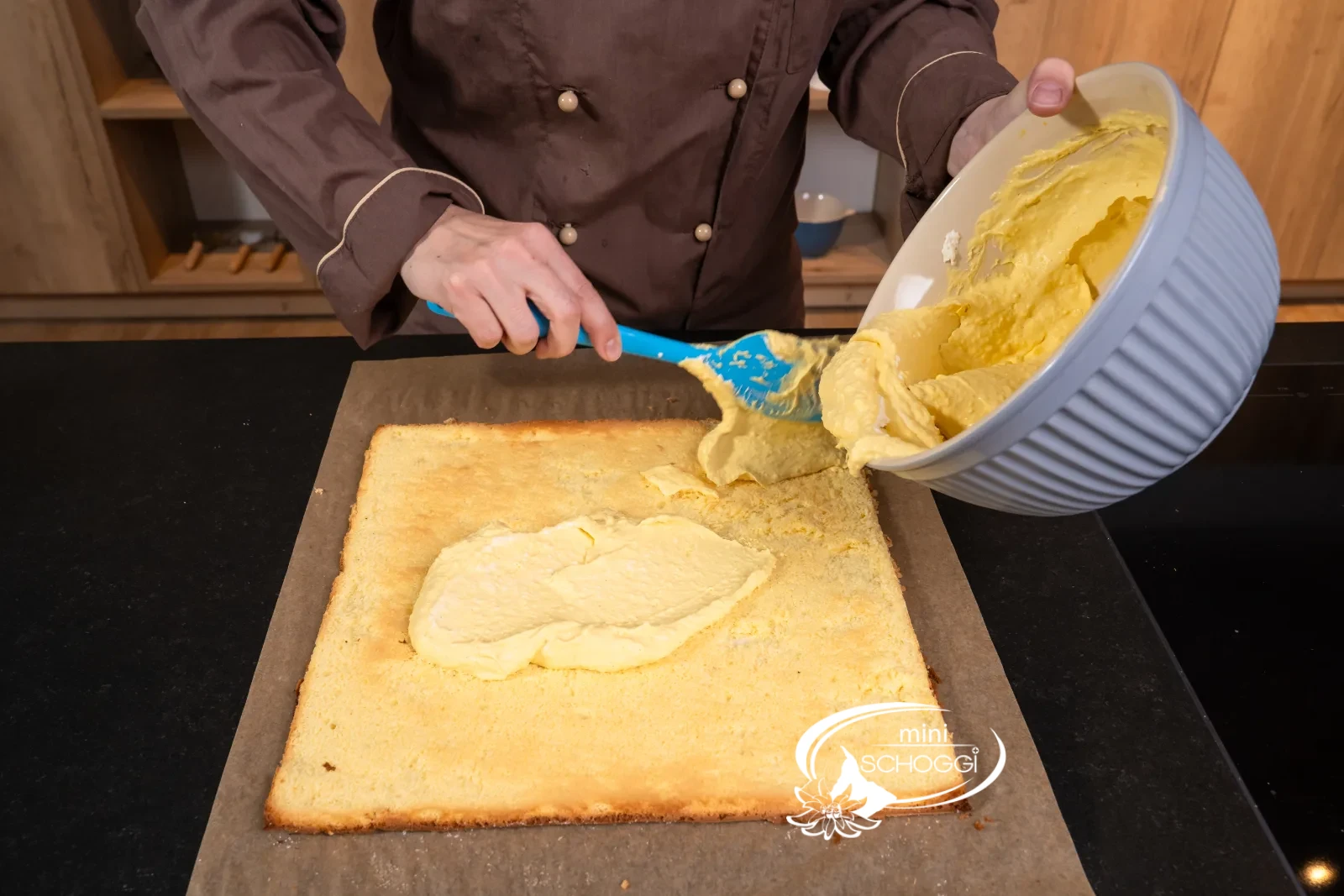
Next spread the finished mango-coconut cream on your roulade.
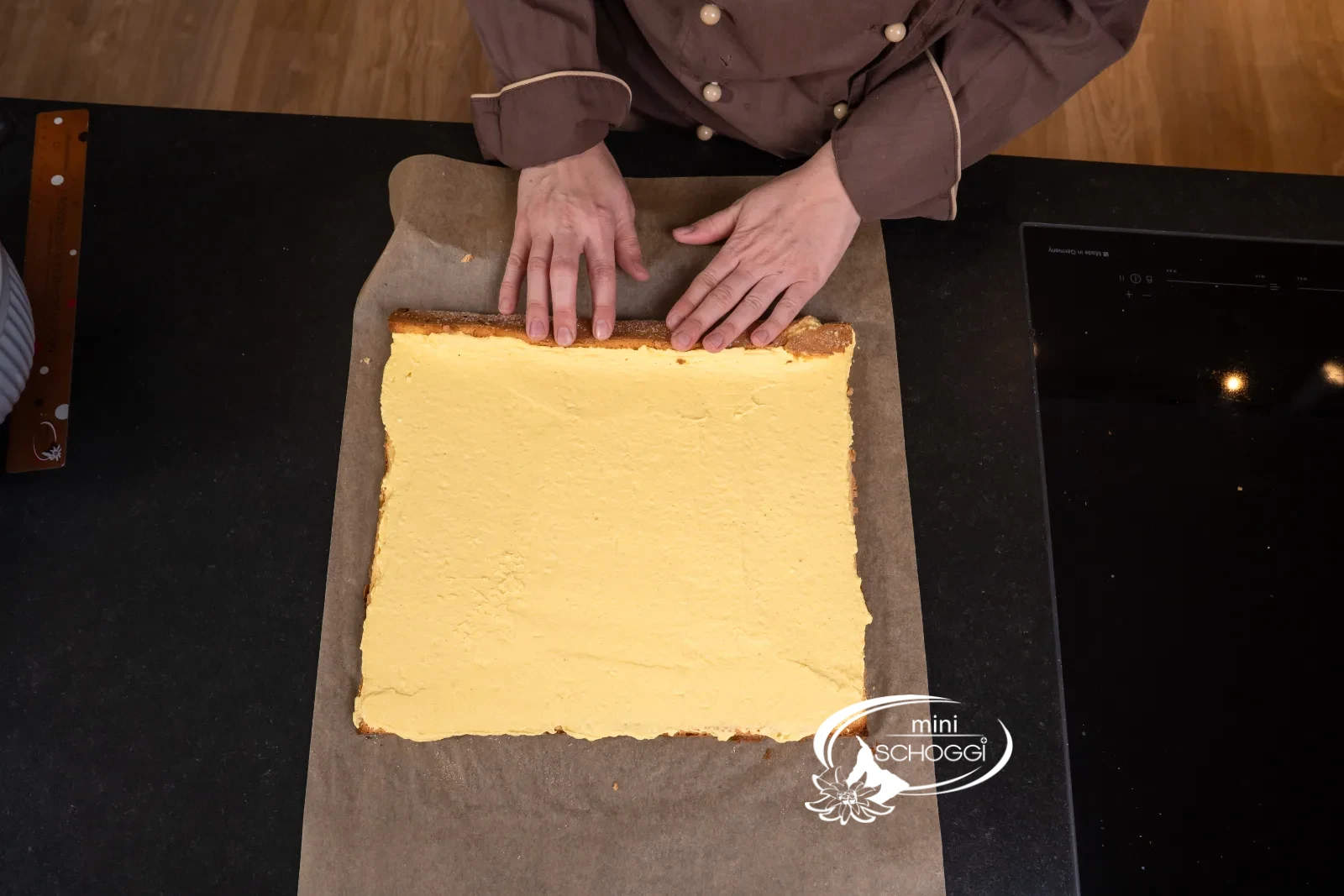
Use an Angled spatula so you can spread the whole mass as evenly and thickly as possible on the roulade. Then start rolling up the roulade from one side.
3
Roll up with the baking paper and chill
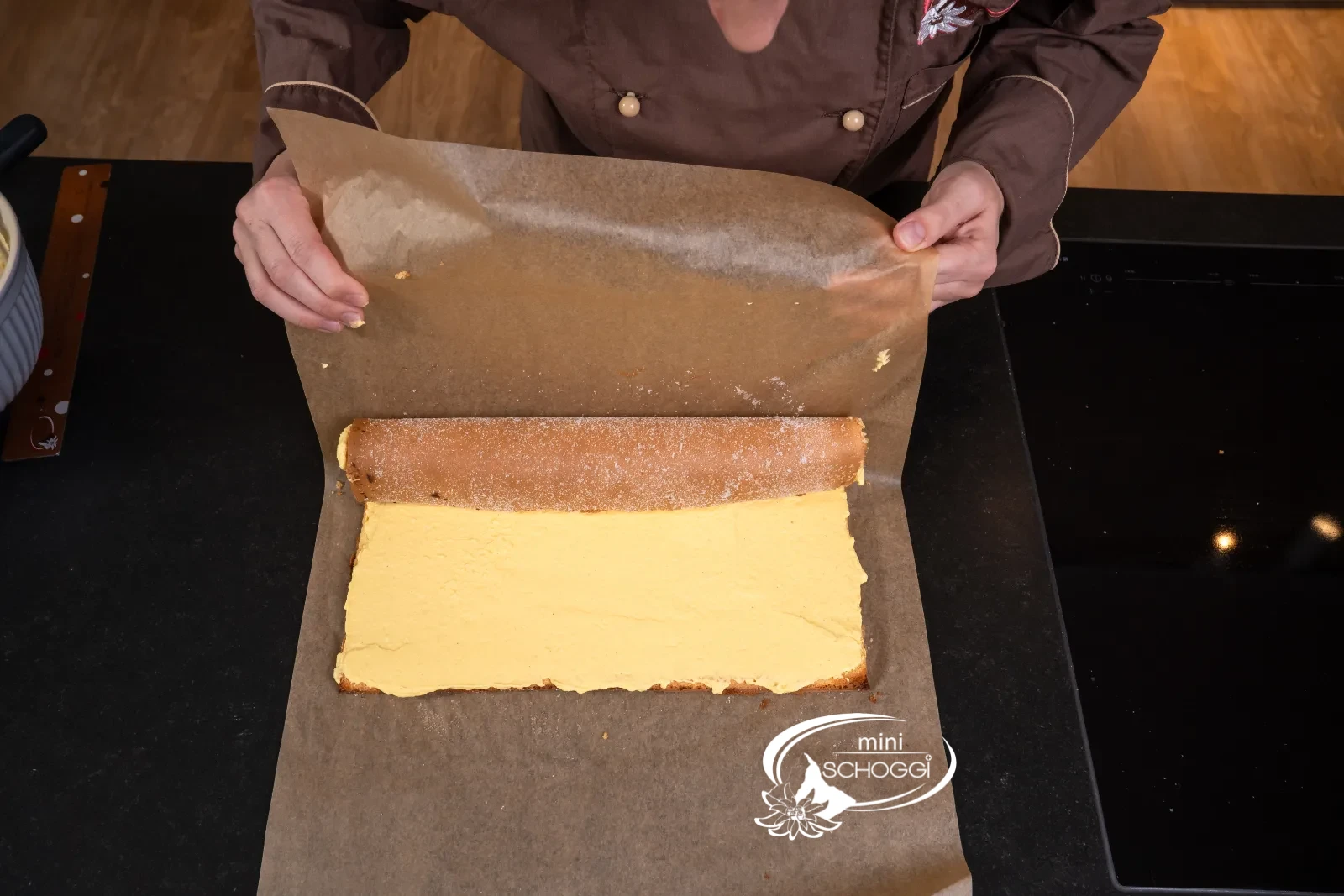
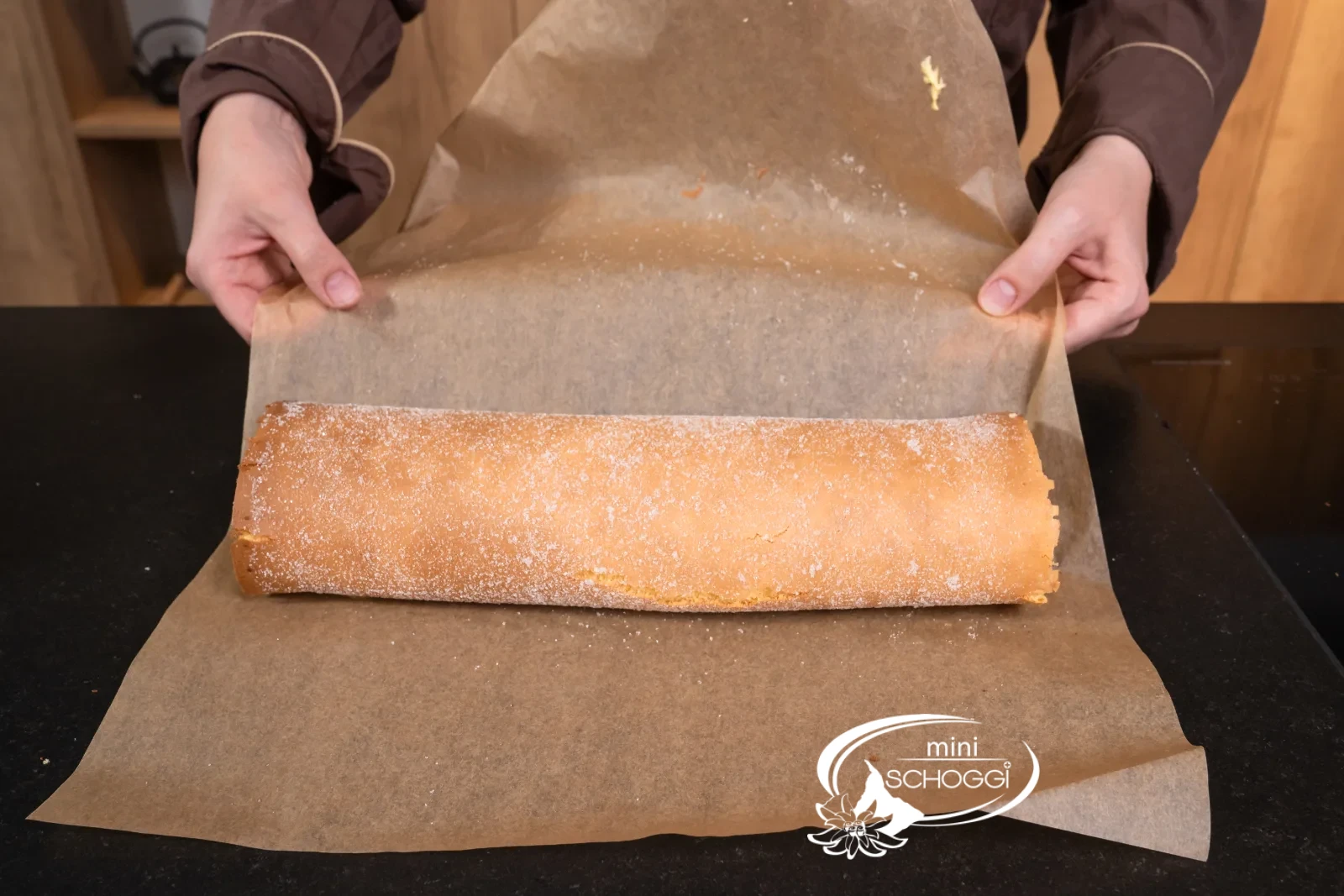
Once the start of the roll is made, you can use the baking paper to help you roll it up. In the end you should get an evenly thick roulade. Try as far as possible to have the seam (closure) underneath the roulade. Now put the finished roulade in the fridge for at least 30 minutes.
4
Slice and decorate
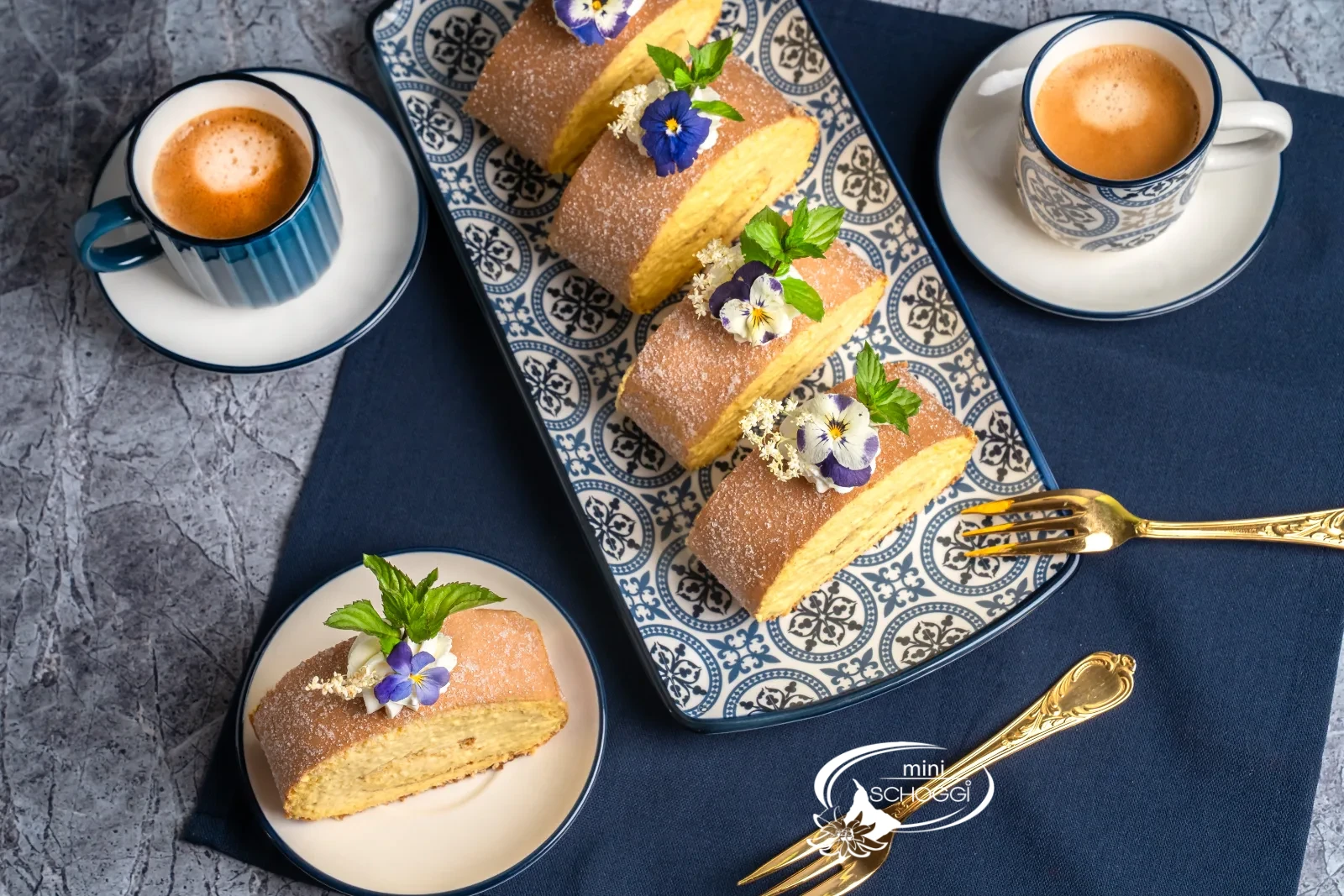
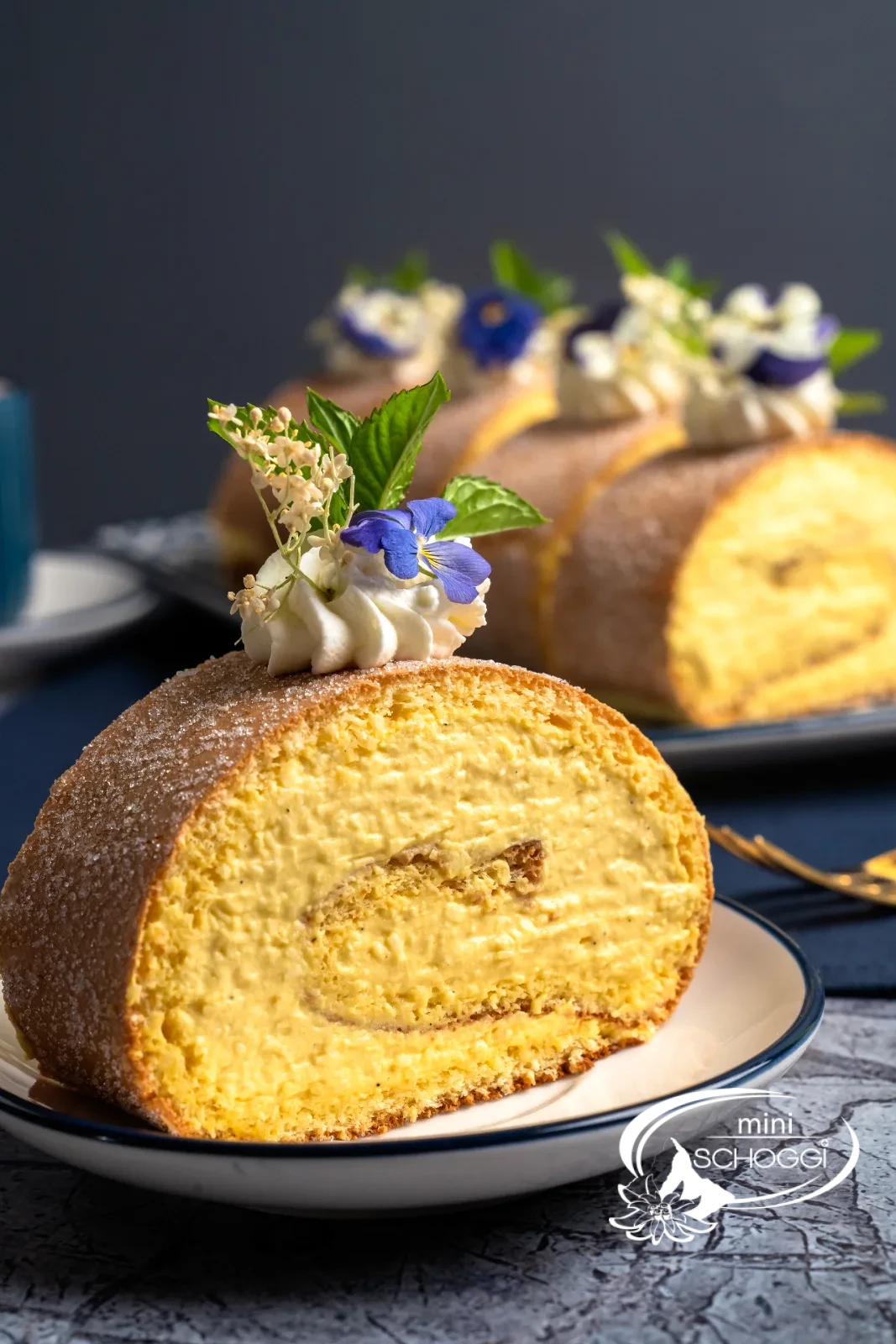
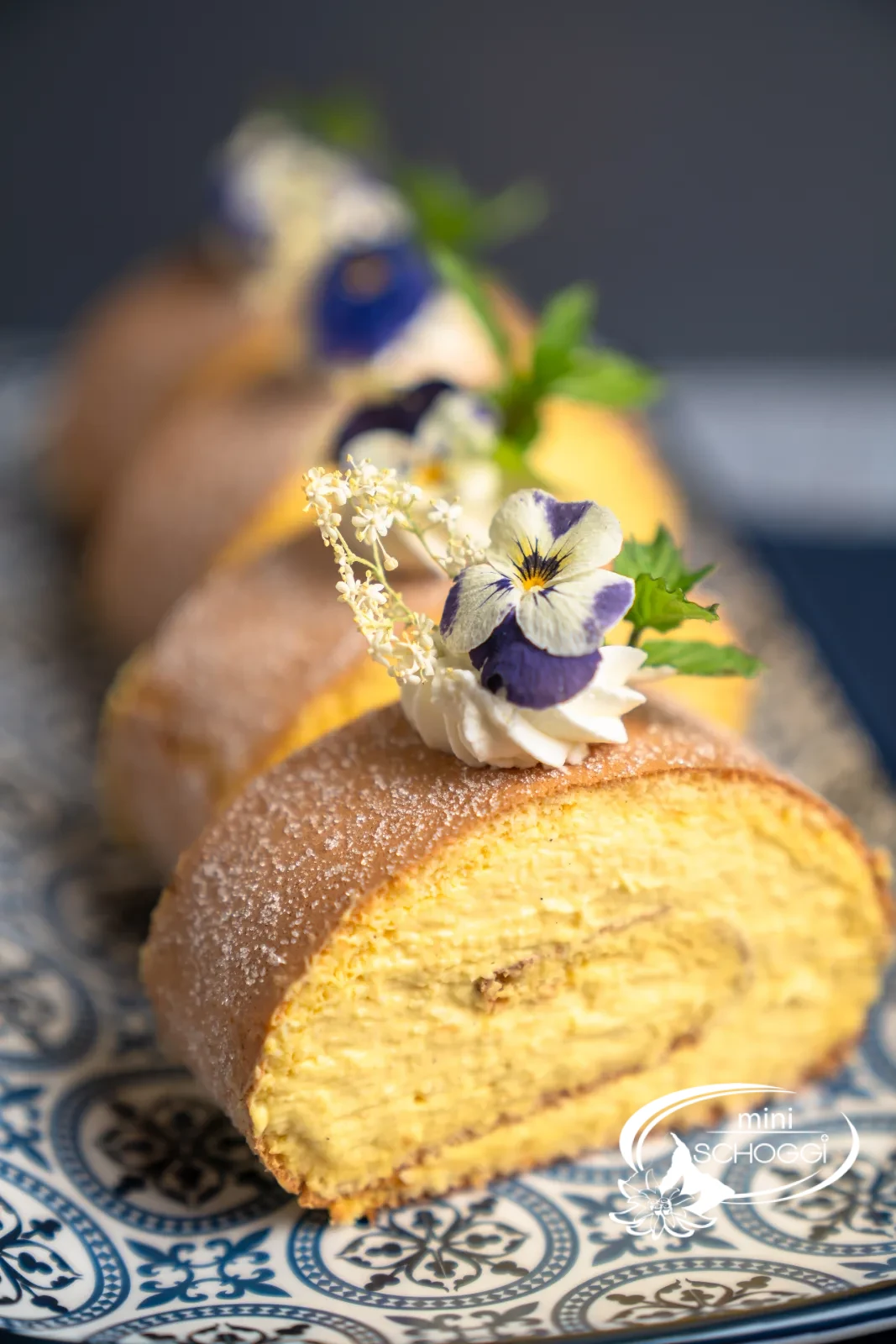
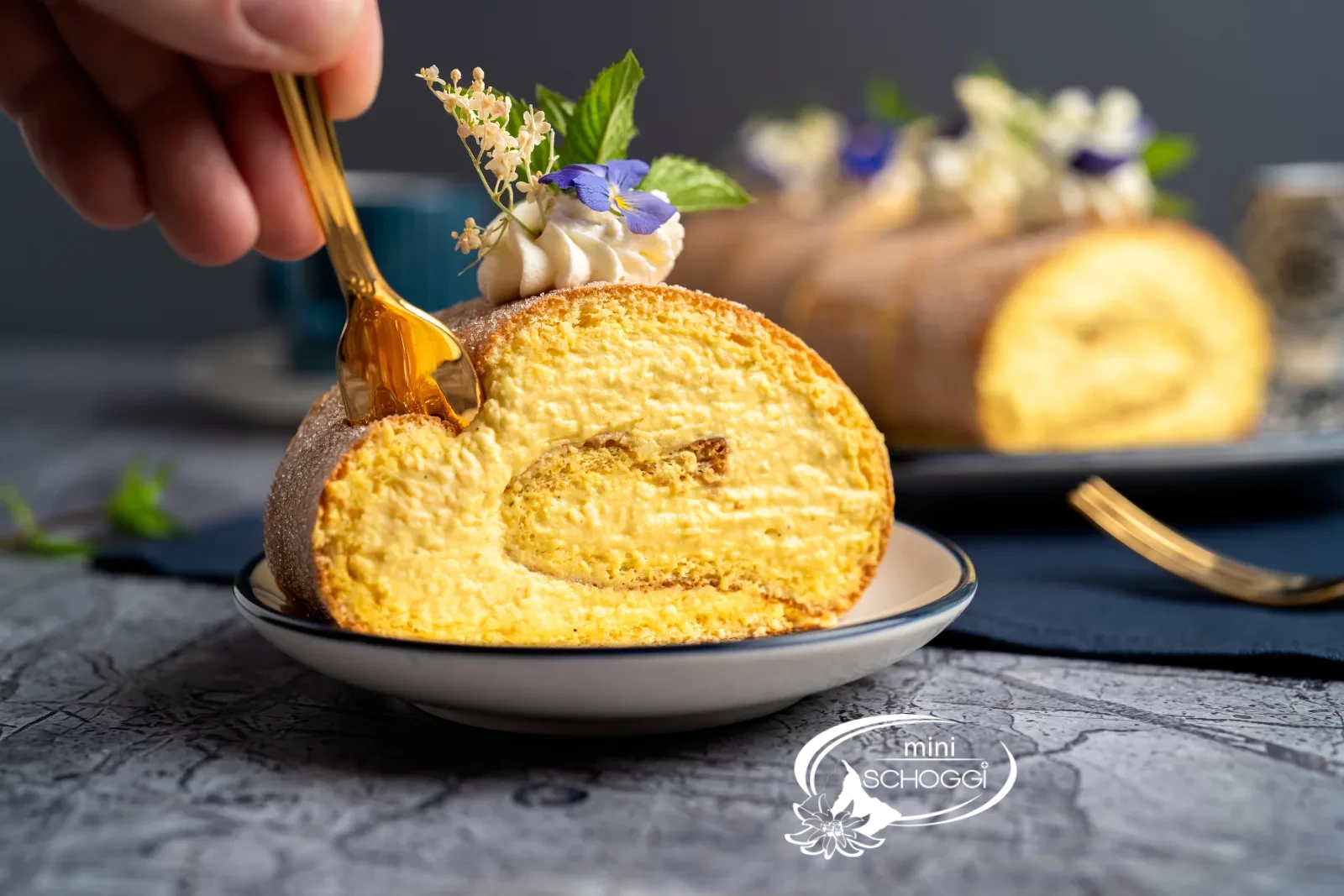
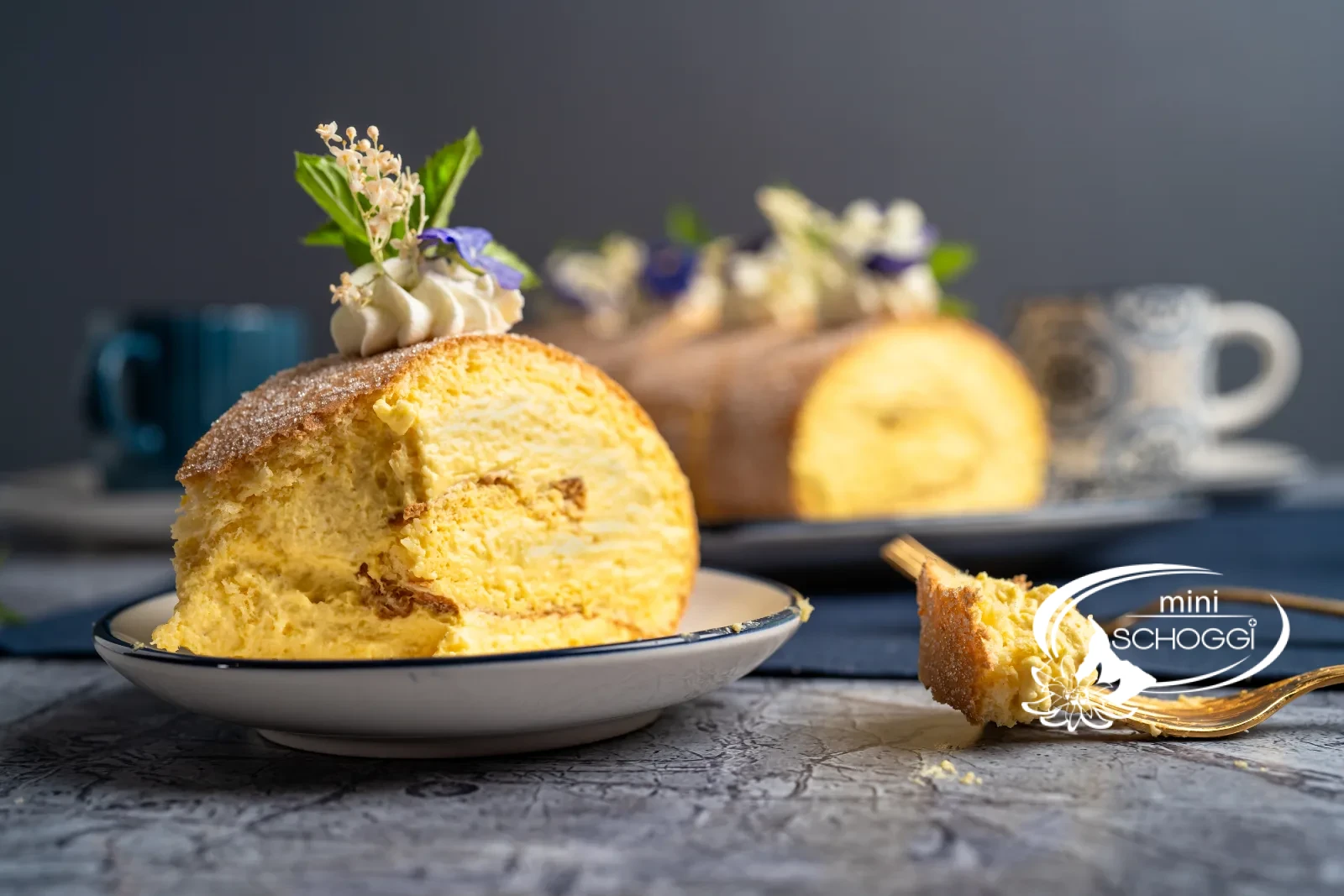
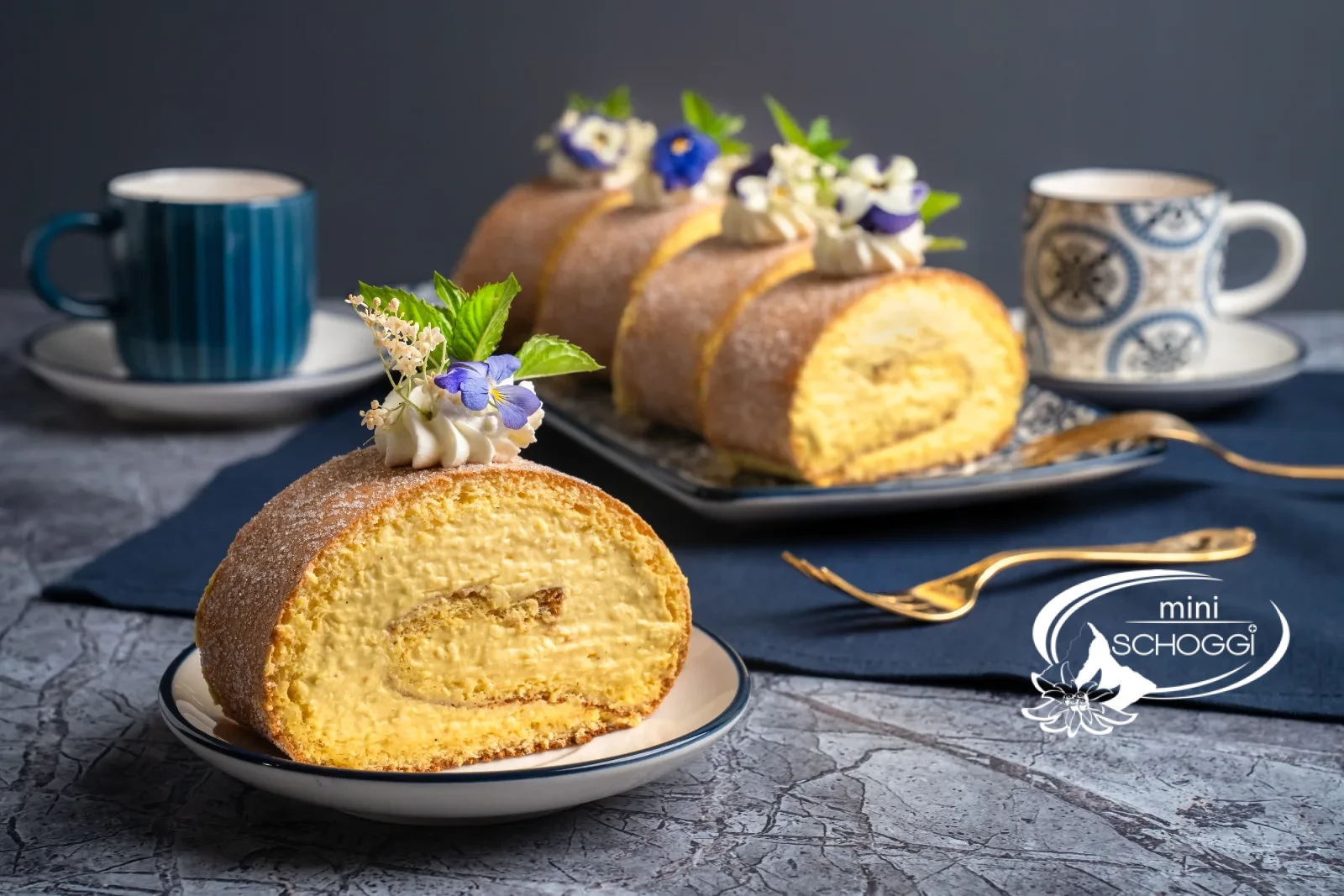
You can now cut the cooled roulade into slices about 3 cm thick with a bread knife. You should get about 10 finished roulade slices. You can decorate the individual slices with a cream rosette, edible flowers and fresh mint.
A heavenly combination of mango, passion fruit and coconut – simply to fall in love with and to bake yourself! See for yourself and bring summer cheer to your dessert plate.
Compact · printable
Mango-Coconut Beef Roulade
Ingredients
Quantity:
Roulade sponge
Mango-coconut filling
DECORATION
Preparation
- Egg yolk: Whip 125 g egg yolk with 40 g sugar for 5–10 minutes until pale and airy.
- Egg white: Beat 75 g egg white stiff in a grease-free bowl with 40 g sugar – do not overbeat.
- Sponge mixture: Fold in the beaten egg white and sifted flour alternately, in three portions each.
- Bake: Spread the mass in the Roulade mat, bake 10–12 minutes at 210 °C fan.
- Turn out: Sprinkle immediately with sugar, turn out with baking paper, let cool 10–15 minutes.
- Cream: Whip cream stiff with Cream stiffener and vanilla sugar. Mix mascarpone with sugar and the purees, fold in the cream in two parts, add coconut flakes.
- Fill: Release the mat from the sponge, spread the cream evenly, roll up with the baking paper, seam facing down.
- Chill: Chill for at least 30 minutes, then cut into slices about 3 cm thick and decorate.
Nutrition per 100 g
290kcal
20.5 gFat
22.3 gCarbohydrates
5 gProtein
Storage & shelf life
The finished roulade keeps in the fridge for three days. Store it well covered so the sponge doesn't dry out, and only cut it into slices just before serving.
Everything for this recipe
Recommended from our bakery — exactly the sizes the recipe was tested with.
Ingredients
Passion fruit puree 1 kg
Mango fruit puree 1 kg
Cream stiffener 1 kg
Cream holder, 50 g
White flour, 1 kg
Pasteurised Egg white powder 100 g
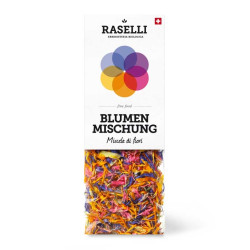
Edible organic flower mix from Switzerland
Equipment
Silicone Roulade mat with rim, square 32.5 x 32.5 x 1 cm
Flour sieve with frame Ø 16 cm
Rubber scraper black, large
Angled spatula medium with plastic handle
Baking paper 42 x 33 cm, 25 pieces
Measuring cup 1 litre
Whisk large 30.5 cm
Delivery in 1–2 working days · Free shipping from CHF 100
Lovely alongside
Not needed for the recipe — but it fits.
Silicone Roulade mat with rim 42 x 35 x 0.8 cm
Silicone Roulade mat with rim 54.5 x 35 x 0.8 cm
Silicone Roulade mat with rim 56 x 36 x 2 cm
Hand mixer Clever Mix
So it succeeds every time
Bowl and Whisk must be grease-free
For the egg white, the Bowl and Whisk must be extremely clean and grease-free. Even a trace of egg yolk or fat prevents the egg white from becoming properly stiff – and without a stable beaten egg white the sponge won't be airy.
The test for the egg yolk mass
Pull the Whisk out of the egg yolk mass: what runs off must not disappear immediately into the mass, but should spread across the surface. If in doubt, simply whip a little longer.
Don't overbeat the egg white
Stiffly beaten egg white is good – beaten too long, it becomes grainy and can no longer be folded in. As soon as it's stiff, switch off the machine and take out the Whisk.
Sugar immediately, or it sticks
Sprinkle the roulade surface generously with granulated sugar right after baking. Only then will the sponge not stick to the baking paper later. A few sugar crystals falling aside during turning out can't be avoided.
Frequently asked questions
Usually it's baked too long or has gone too cold. 10–12 minutes at 210 °C fan is enough: the sponge should be light brown and still elastic. Then sugar immediately, turn out and let cool only 10–15 minutes – no longer, or it becomes brittle. Keep this beef roulade cooking time in mind.
Yes, then you need very ripe mango that you puree finely. Fruit puree gives a more reliable result: it always has the same sweetness and water content. Fresh mango can make the cream softer – in that case add a little more Cream stiffener.
The cream has to withstand two things: the rolling up and a day in the fridge. Cream stiffener stabilises the whipped cream so the filling doesn't collapse and doesn't run out when slicing.
Print recipe
Choose what should appear on the printout.
Related products
Edible organic flower mix from Switzerland
Price: CHF7.90
Rated out of 5 stars based on
review(s)
bitte einloggen
Our organic flower mix consists of marigolds, sunflowers, cornflowers, pink /...
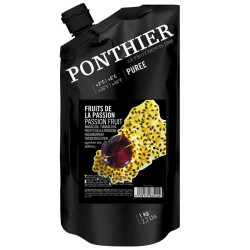
Passion fruit fruit puree 1 Kg
Price: CHF24.90
Rated out of 5 stars based on
review(s)
bitte einloggen
Fruit purees are perfect for naturally flavoring various masses. With our...
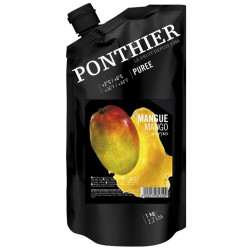
Mango fruit puree 1 Kg
Price: CHF24.50
Rated out of 5 stars based on
review(s)
bitte einloggen
Fruit purees are perfect for naturally flavoring various masses. With our...
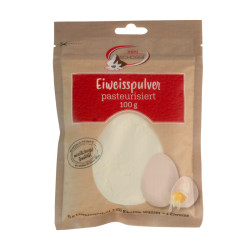
Pasteurized protein powder 100 g
Price: CHF8.50
Rated out of 5 stars based on
review(s)
bitte einloggen
We all know the feeling – a recipe only calls for the egg white and the yolk...
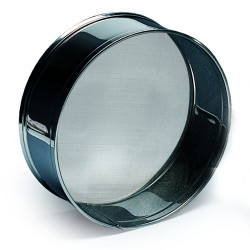
Flour sieve with frame Ø 16 cm
Price: CHF24.90
Rated out of 5 stars based on
review(s)
bitte einloggen
The flour sifter with frame has a diameter of 16 cm and is ideal for sifting...
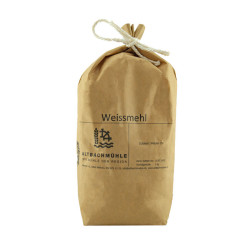
White flour, 1 kg
Price: CHF4.50
Rated out of 5 stars based on
review(s)
bitte einloggen
White flour is suitable for pastries of all kinds, from bread to cakes to...
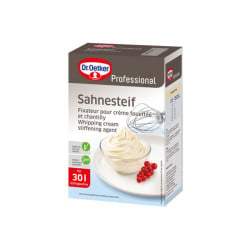
Cream stiffener 1 kg
Price: CHF24.50
Rated out of 5 stars based on
review(s)
bitte einloggen
Good stability is extremely helpful for airy cake fillings, light...
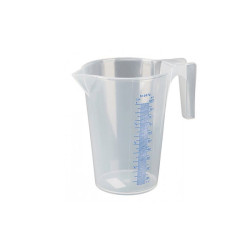
Measuring jug 1 liter
Price: CHF11.90
Rated out of 5 stars based on
review(s)
bitte einloggen
The measuring cup is a practical helper for every kitchen. The measured...
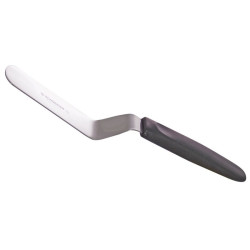
Angle spatula medium with plastic handle
Price: CHF19.90
Rated out of 5 stars based on
review(s)
bitte einloggen
In our courses, a very special tool is indispensable! Angle palette,...

Baking paper 42 x 33 cm, 25 pieces
Price: CHF4.95
Rated out of 5 stars based on
review(s)
bitte einloggen
With these baking paper sheets your pastries rise evenly and are baked...
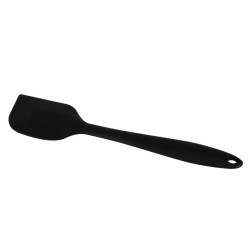
Rubber scraper Black, large
Price: CHF9.90
Rated out of 5 stars based on
review(s)
bitte einloggen
The rubber scraper black is made of silicone, which protects pots and bowls...
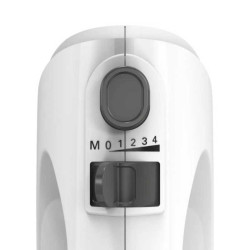
Hand mixer Clever Mix
Price: CHF94.90
Rated out of 5 stars based on
review(s)
bitte einloggen
Constant stirring with a whisk is a real pain in the arms. An egg white foam,...
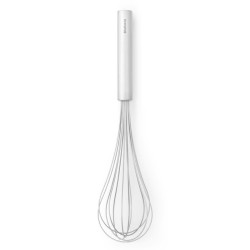
Whisk Large 30.5 cm
Price: CHF18.90
Rated out of 5 stars based on
review(s)
bitte einloggen
Every kitchen needs some basic equipment, and this includes a sturdy whisk....
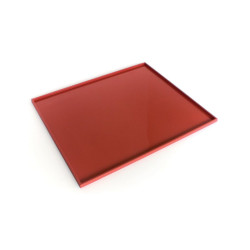
Silicone roulade mat with edge 42 x 35 x 0.8 cm
Price: CHF24.90
Rated out of 5 stars based on
review(s)
bitte einloggen
The silicone roulade mat with rim is an indispensable kitchen utensil for all...
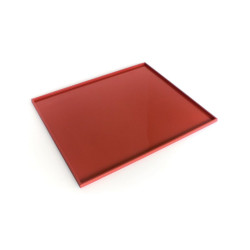
Silicone roulade mat with edge 54.5 x 35 x 0.8 cm
Price: CHF29.90
Rated out of 5 stars based on
review(s)
bitte einloggen
The silicone roulade mat with rim is an indispensable kitchen utensil for all...
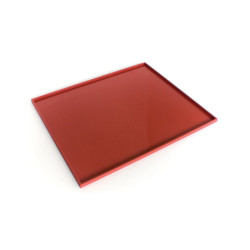
Silicone roulade mat with edge square 32.5 x 32.5 x 1 cm
Price: CHF19.90
Rated out of 5 stars based on
review(s)
bitte einloggen
The silicone roulade mat with rim is an indispensable kitchen utensil for all...
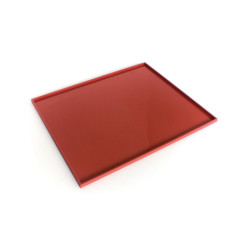
Silicone roulade mat with edge 56 x 36 x 2 cm
Price: CHF32.90
Rated out of 5 stars based on
review(s)
bitte einloggen
The silicone roulade mat with rim is an indispensable kitchen utensil for all...
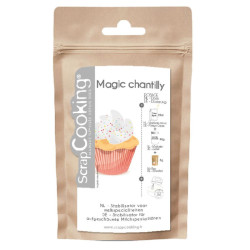
Cream holder, 50 g
Price: CHF6.30
Rated out of 5 stars based on
review(s)
bitte einloggen
For airy cake fillings, light desserts and elegant cream decorations, good...
Bewertungen
Leave a comment
Related posts
 Make your own chocolate Easter bunnies
You can easily make your own Easter bunnies at home! You can find out how to do it and what you need here. A sweet...
Read more
Make your own decorative Swiss roll
Make your own decor roulade - we'll explain exactly how in this blog, with lots of tips and tricks from our...
Read more
Cinnamon Star Biscuits Recipe
Make your own cinnamon stars with the help of our professionals, with lots of tips & tricks to bake the best...
Read more
Make your own chocolate pumpkin pralines
Make your own 3D chocolate pumpkin pralines - here you get detailed instructions with lots of tips and tricks...
Read more
How can I convert a cake recipe?
Converting a cake recipe, whether a sponge or a cake filling, is easy with our conversion table.
Read more