
Piña Colada Pralinen: Pineapple jelly and coconut ganache, cut with the cutting harp
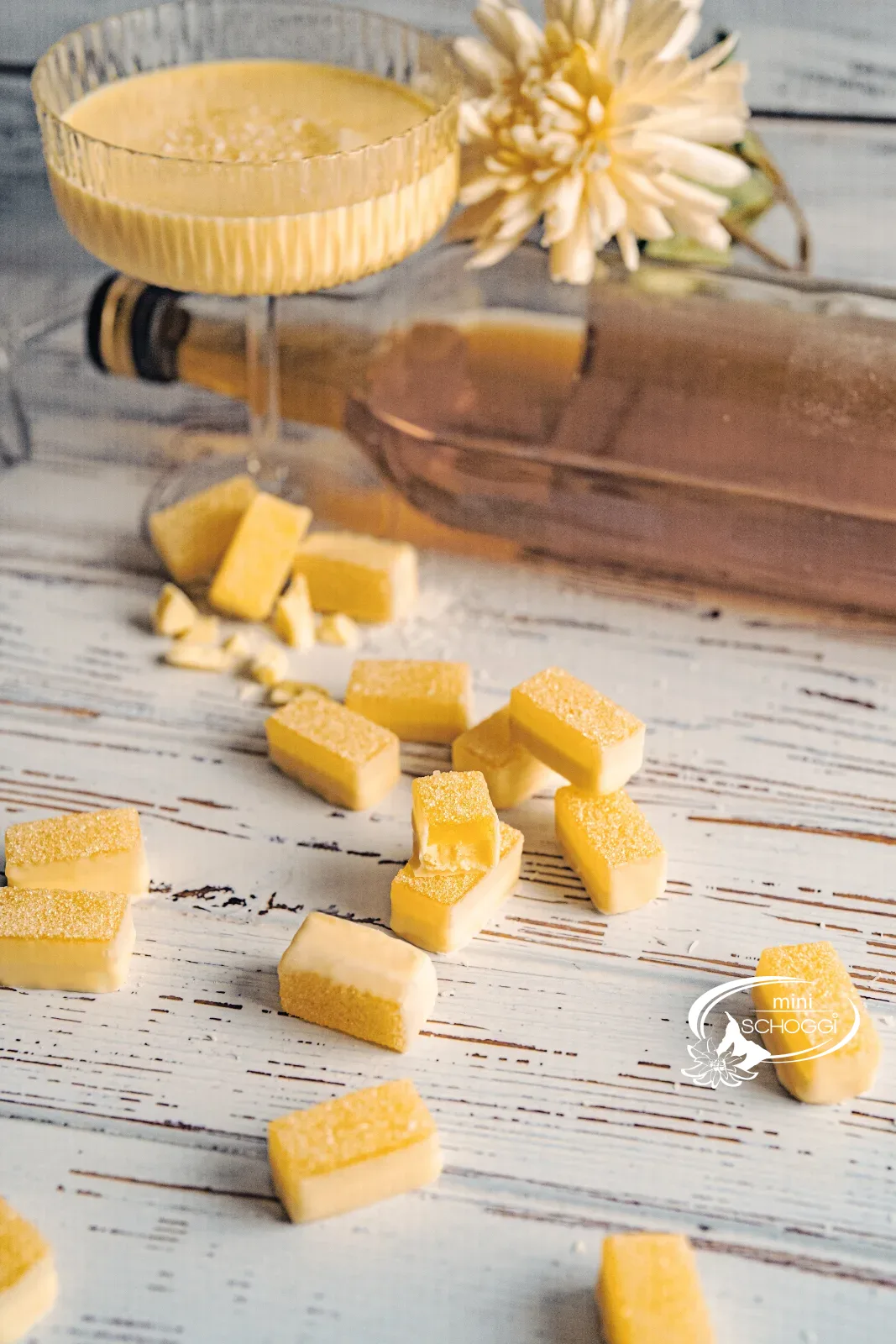
Cut chocolate with pineapple jelly and coconut ganache, tempered
Quantity95 Praline
Active timeapprox. 2 hrs
Total timeapprox. 6 hrs (including cooling and chilling times)
with egg (egg yolk)with milk (creambuttercouverture)contains alcoholmay contain traces of soya and nuts (couverture)
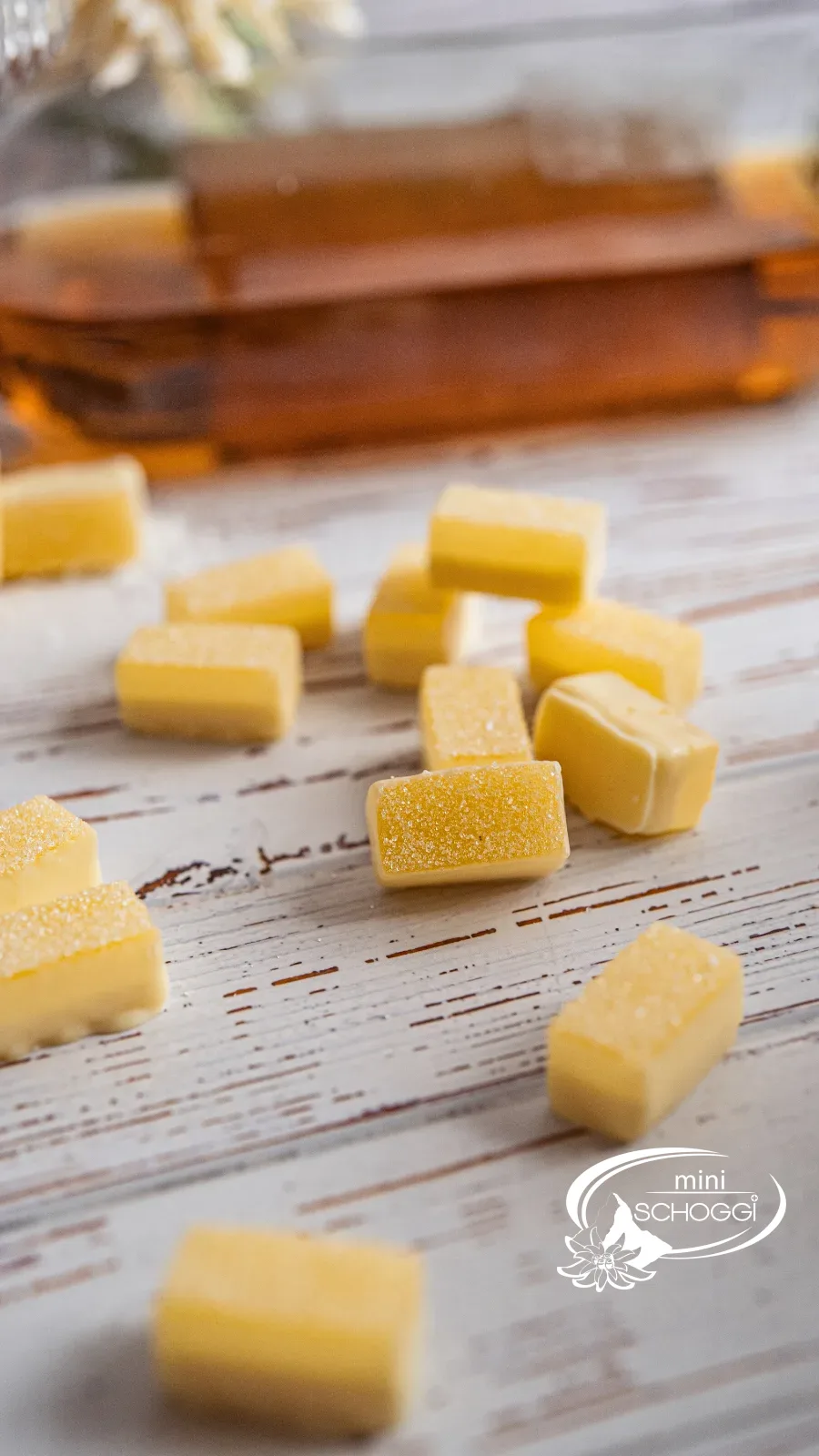
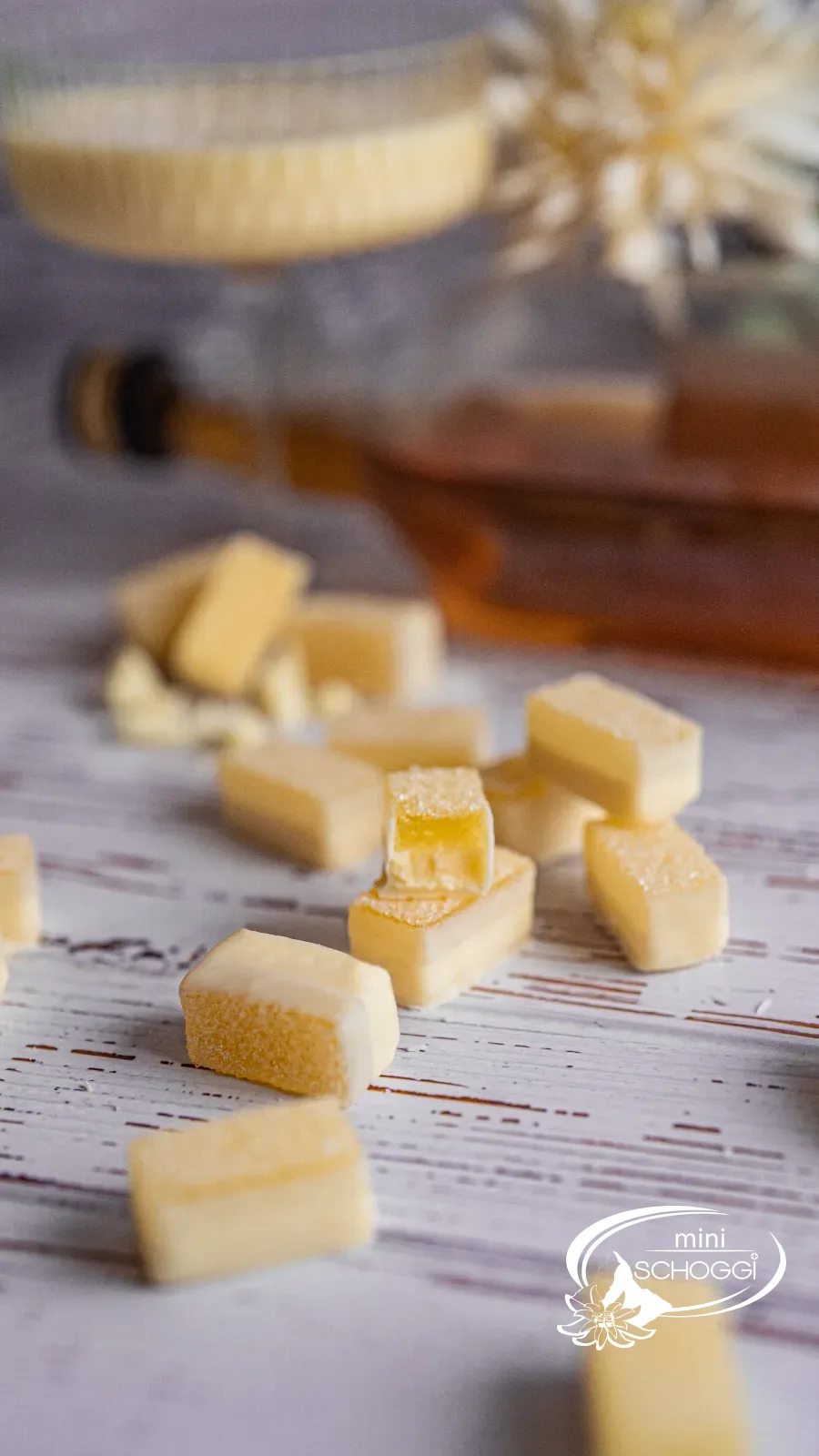
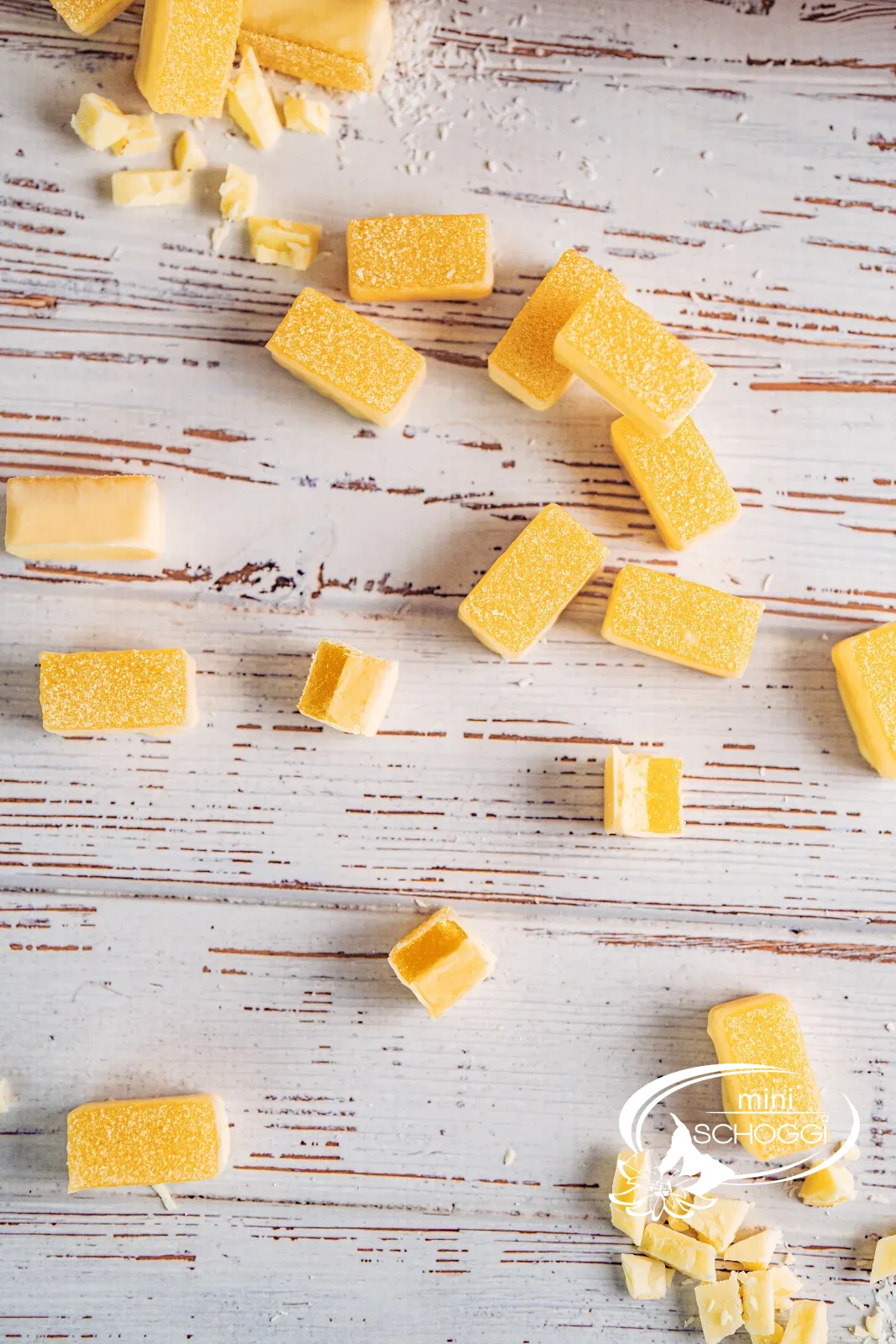
Pineapple, coconut and a splash of dark rum: these pina colada pralines translate the cocktail into two layers. At the bottom lies a creamy ganache made from white couverture with coconut syrup, desiccated coconut and rum, and on top a fruity pineapple jelly with a crisp sugar crust.
Technically, this is a classic cut chocolate: jelly and ganache are built up in frames on a ganache board, cut into pieces of exactly the same size with a cutting harp once chilled, and then dipped in white couverture. The sugar side remains uncoated.
Plan enough time: the ganache needs 2 to 3 hours to cool, and the slab then needs at least an hour in the fridge. The steps themselves are very doable if you work carefully with the thermometer.
Ingredients
Quantity:
Coconut ganache
50 gDouble cream
40 gEgg yolk
75 gCaster sugar
390 gWhite couverture
25 gBrown rum
25 gCoconut syrup
10 gDesiccated coconut
50 gButter, softened
Pineapple jelly
150 gAnanas-fruit puree
50 gWater (part 1)
25 gCaster sugar (part 1)
6 gpectin
225 gCaster sugar (part 2)
90 gGlucose syrup
4 gWater (part 2)
4 gCitric acid
Step by step
If you're in a hurry: the compact recipe card further down sums up everything.
Coconut ganache
1
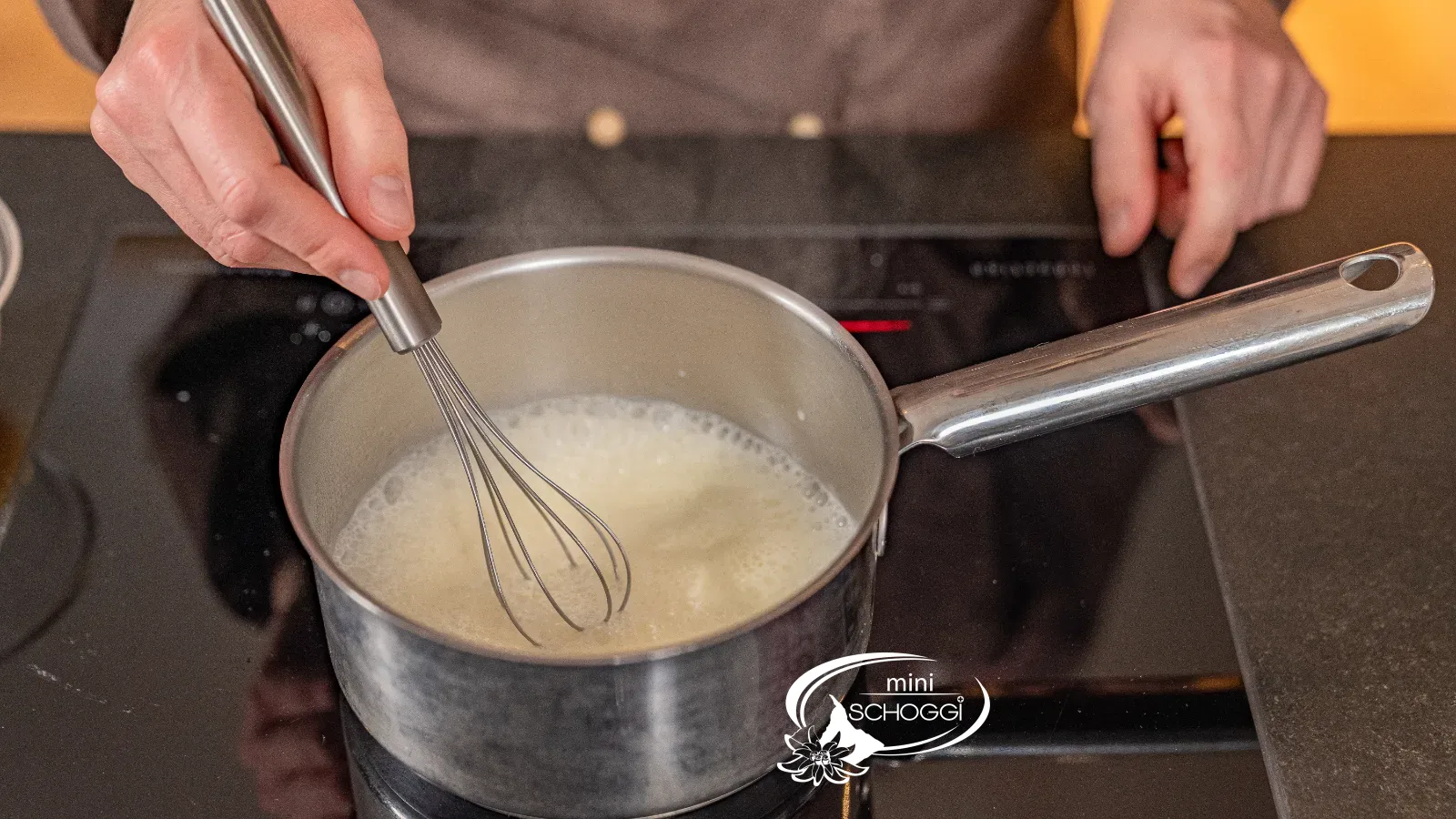
Bring the cream to the boil
Bring the full-fat cream to the boil in a saucepan and, in the meantime, chop the White couverture into small pieces.
2
Egg yolks and sugar
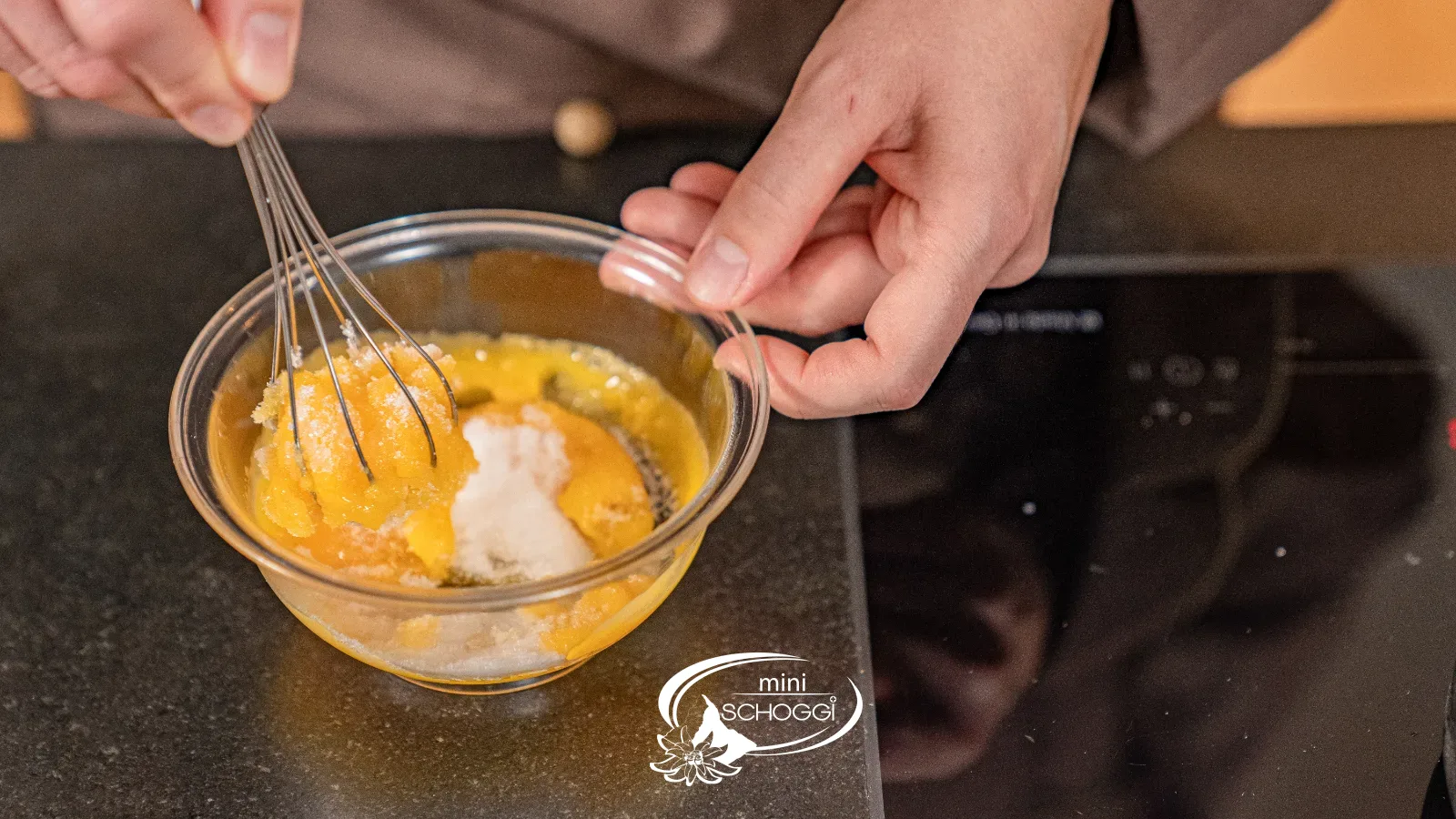
In a separate Bowl, whisk the egg yolks with the caster sugar.
You will need for this

Whisk 25 cm
3
Tempering the yolks
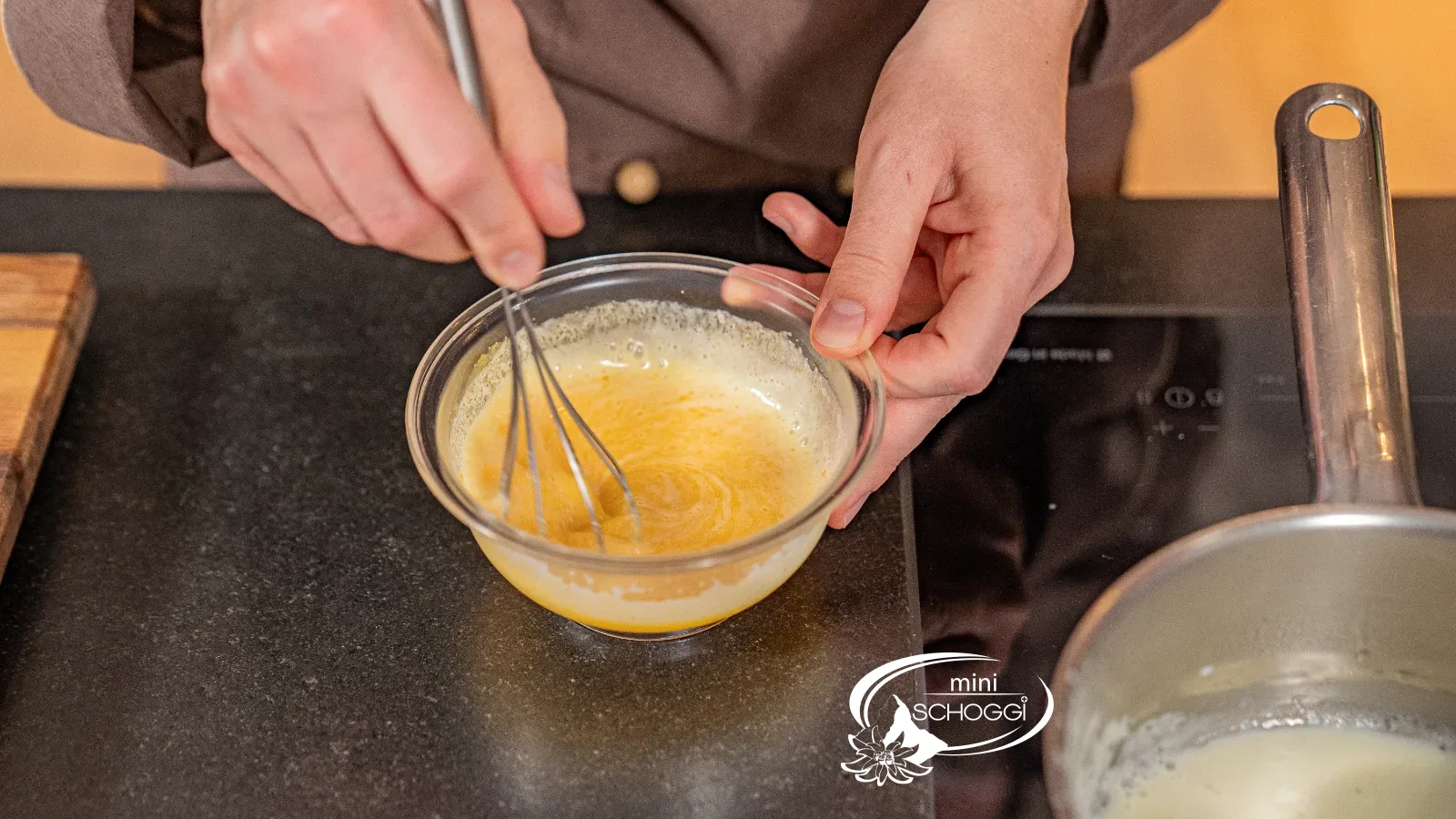
As soon as the cream boils, turn the hob down to low. Add a splash of the hot cream to the egg yolk mixture and stir well. This warms the yolks gently so they do not scramble.
4
Back into the saucepan
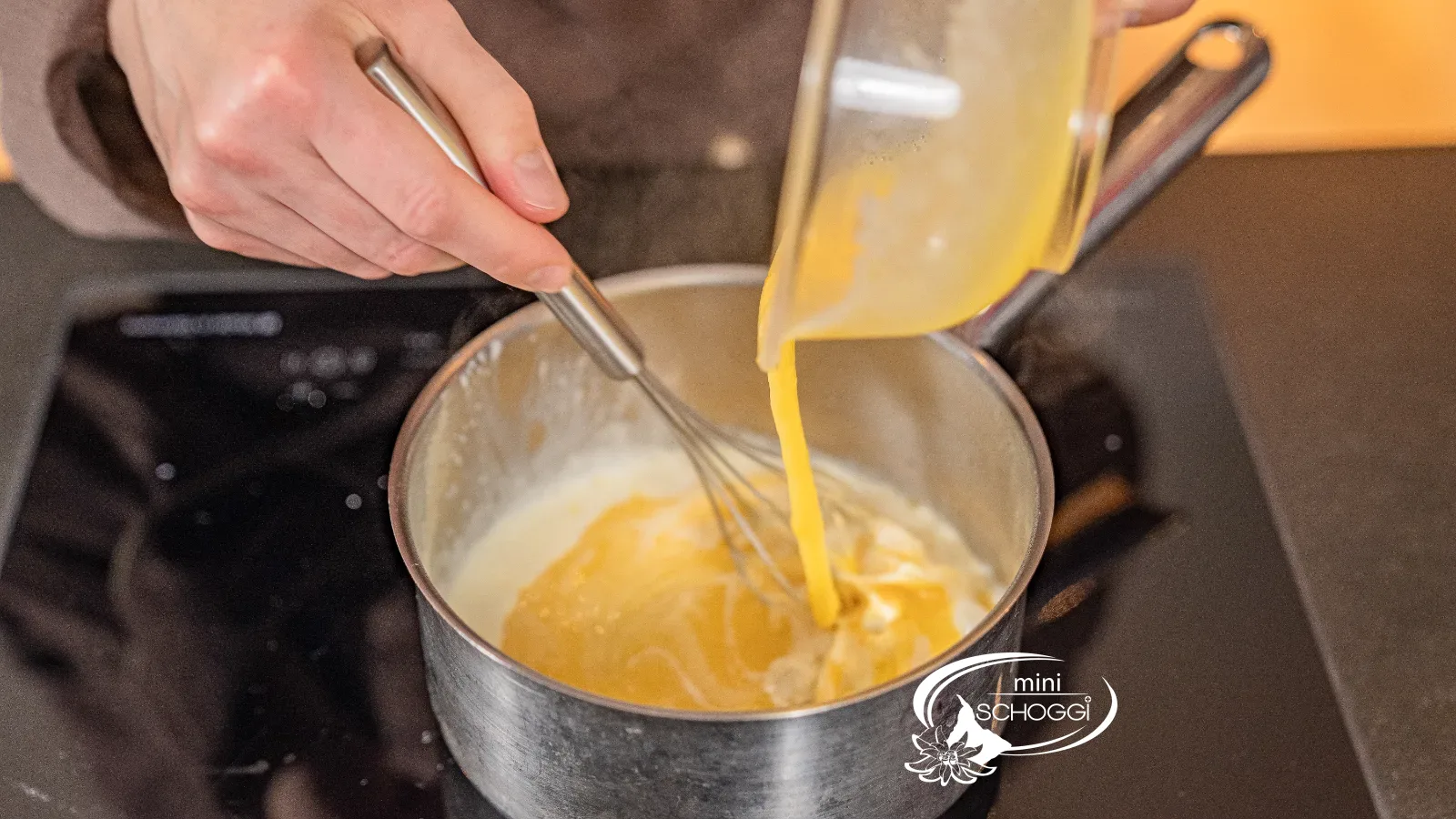
Pour the tempered egg yolk mixture back into the saucepan with the remaining cream, stirring constantly, and raise the heat slightly again.
5
Heat to 82 °C
Heat the mixture carefully to 82 °C, stirring constantly. A Thermometer is essential here: below this temperature the mixture is not safely pasteurised, above it the egg yolk will set.
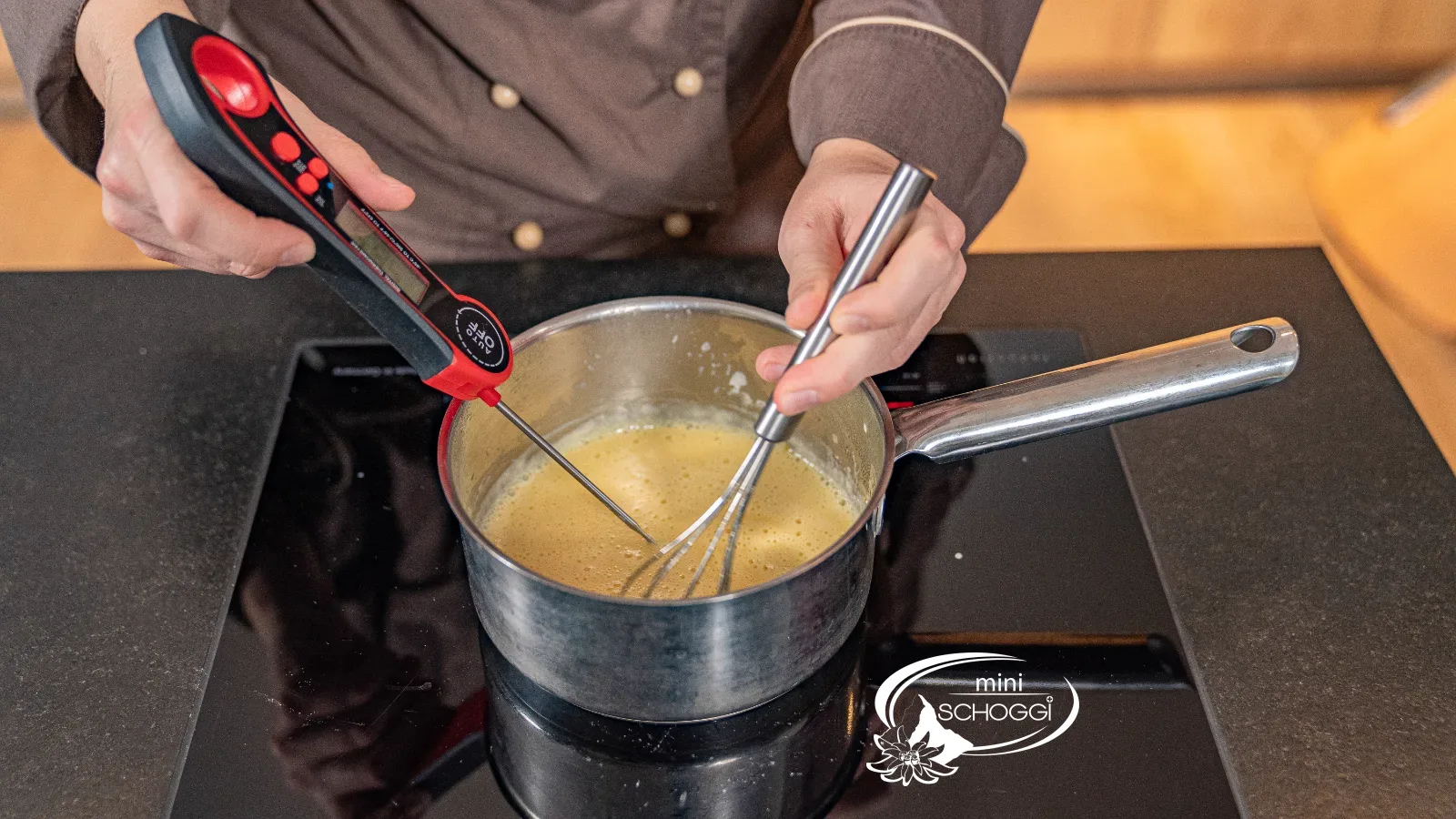
You will need for this

Digital Thermometer, waterproof and foldable
6
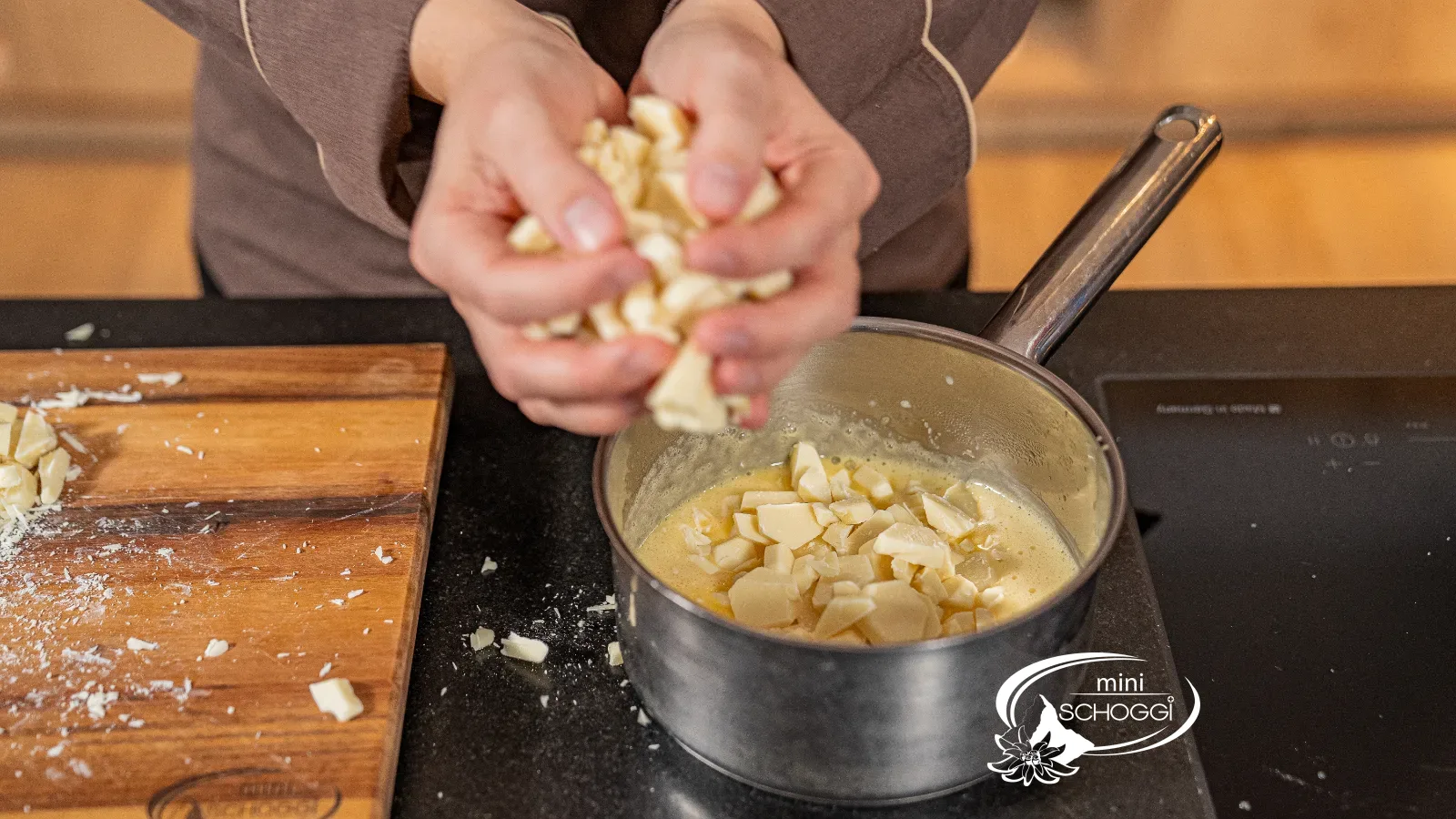
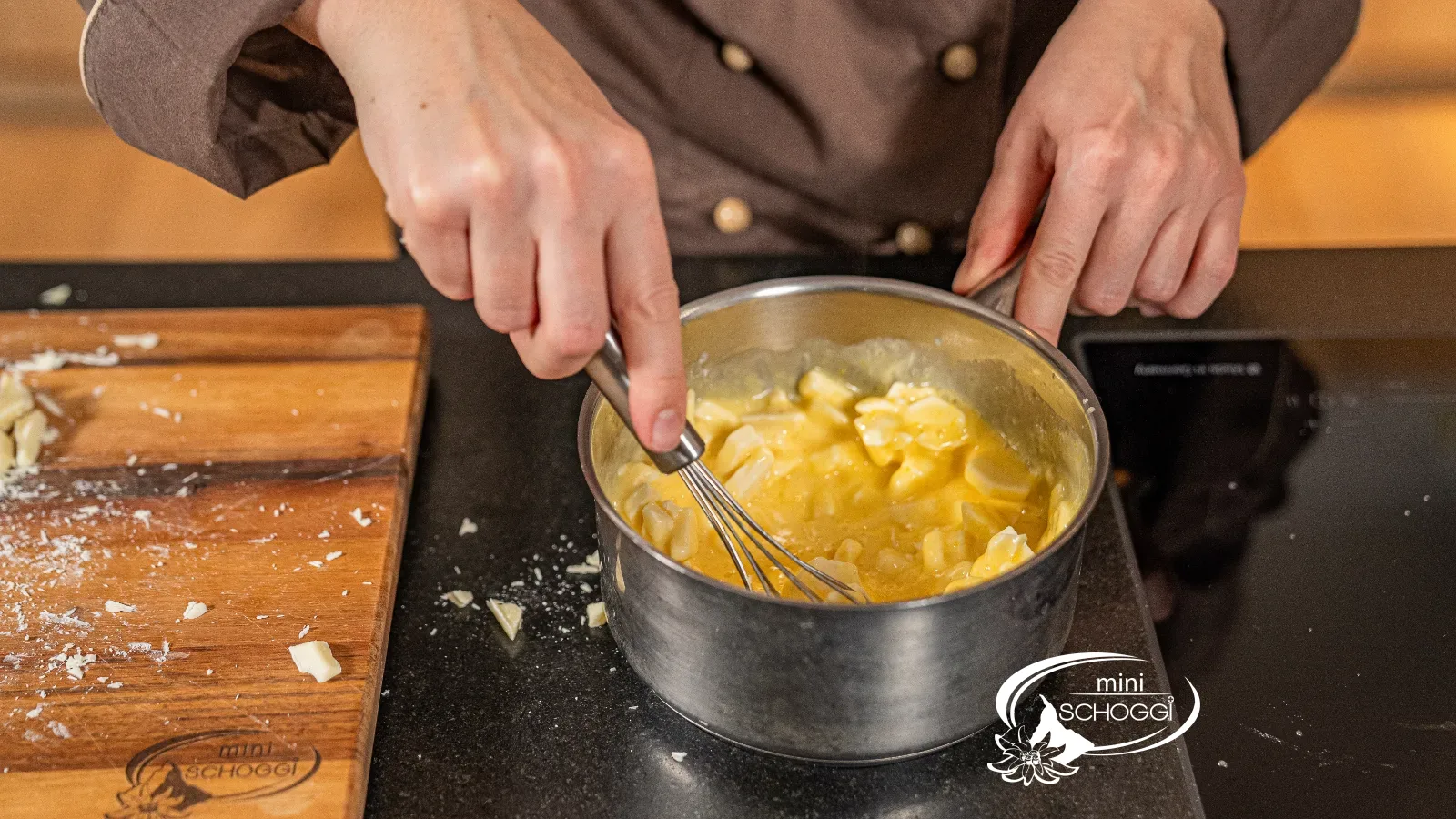
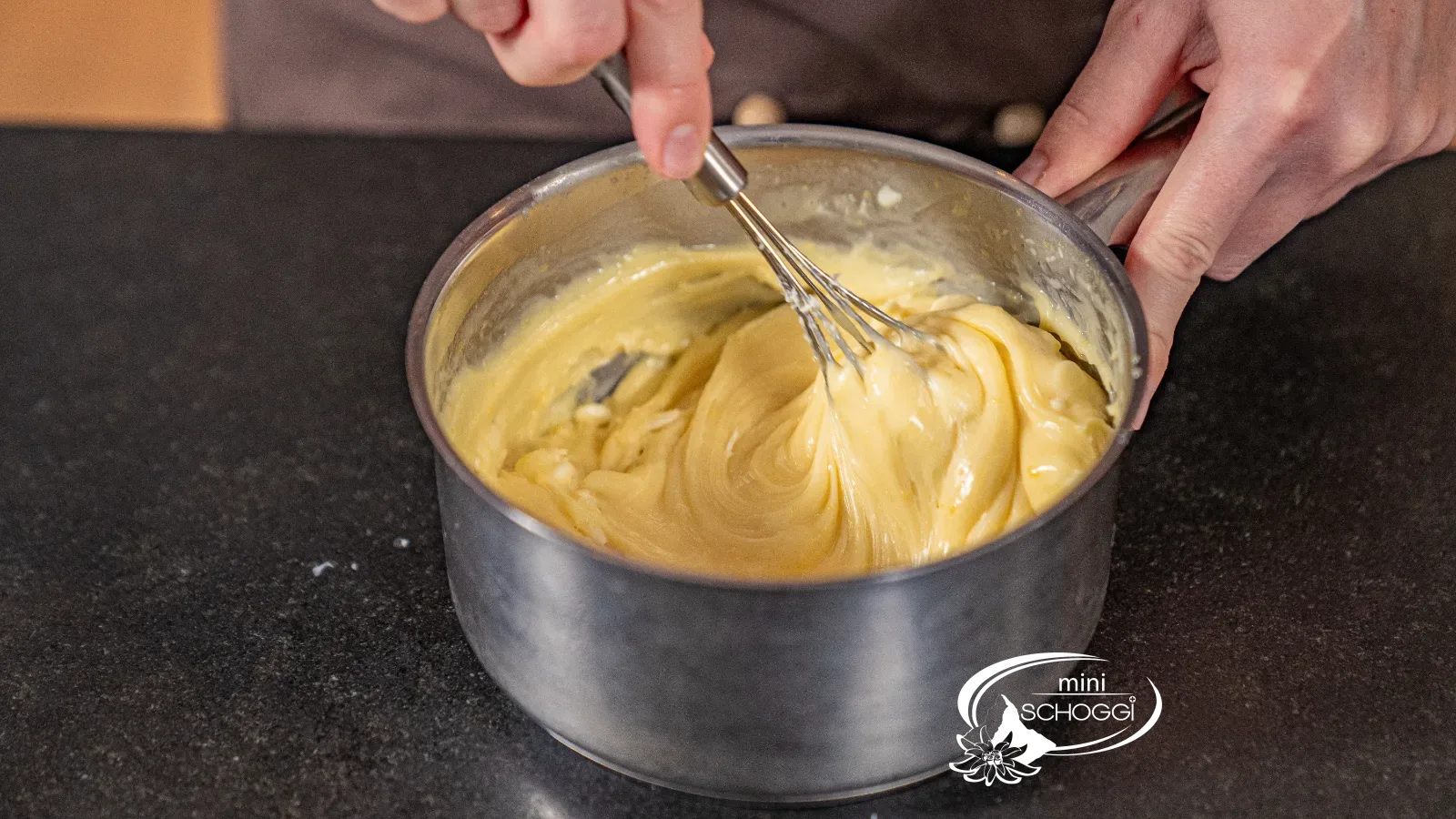
Stir in the couverture
Once 82 °C is reached, take the saucepan off the heat, add the chopped couverture and stir it in with the Whisk. The ganache will become very thick. If needed, warm it briefly and gently until all the couverture pieces have melted.
You will need for this

Lindt White Couverture 0.5 kg
7
Syrup and rum
Once the ganache is smooth and firm, stir in the coconut Syrup and the dark rum. The consistency changes noticeably: the ganache becomes softer and flows smoothly from the Whisk.
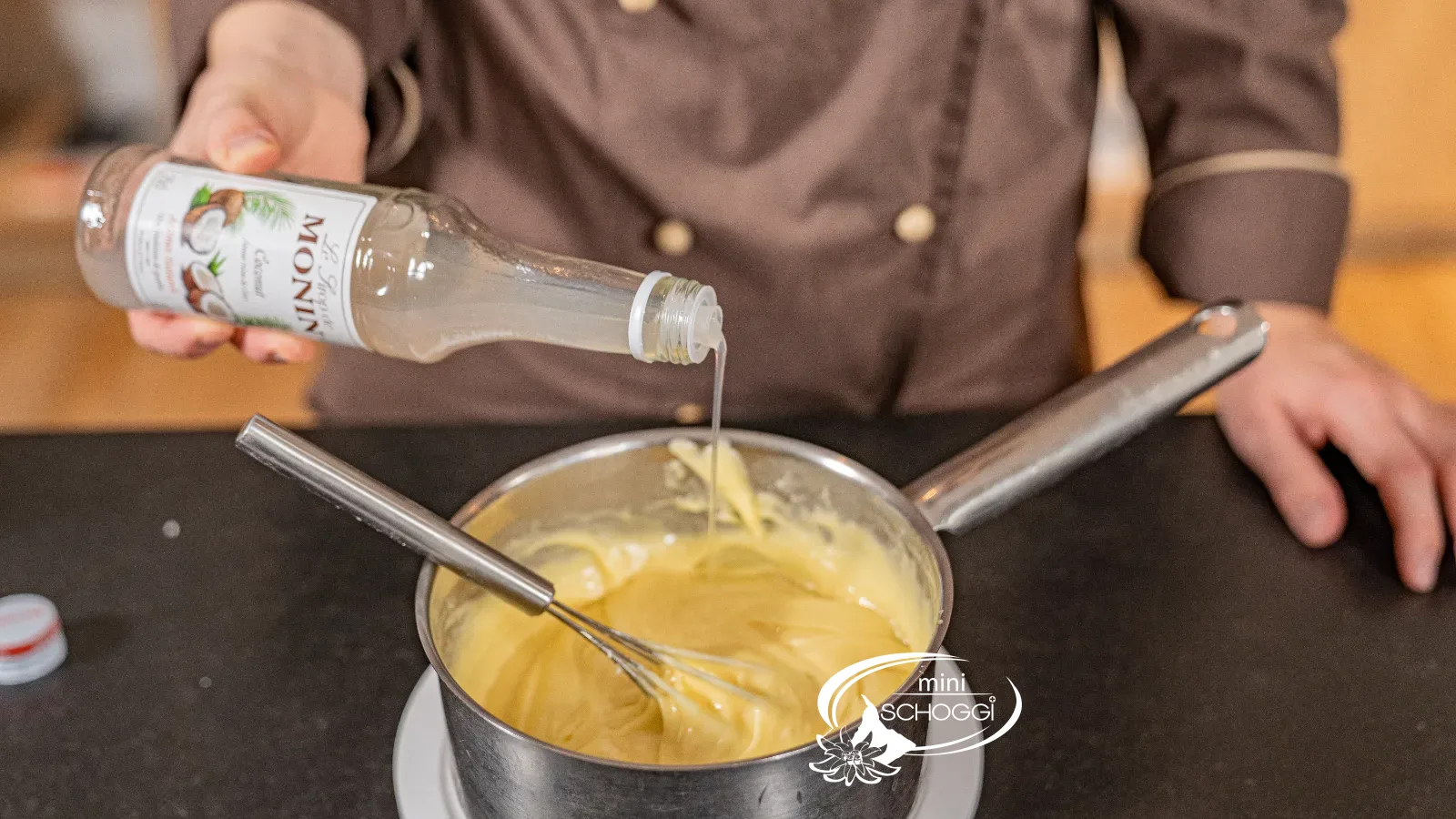
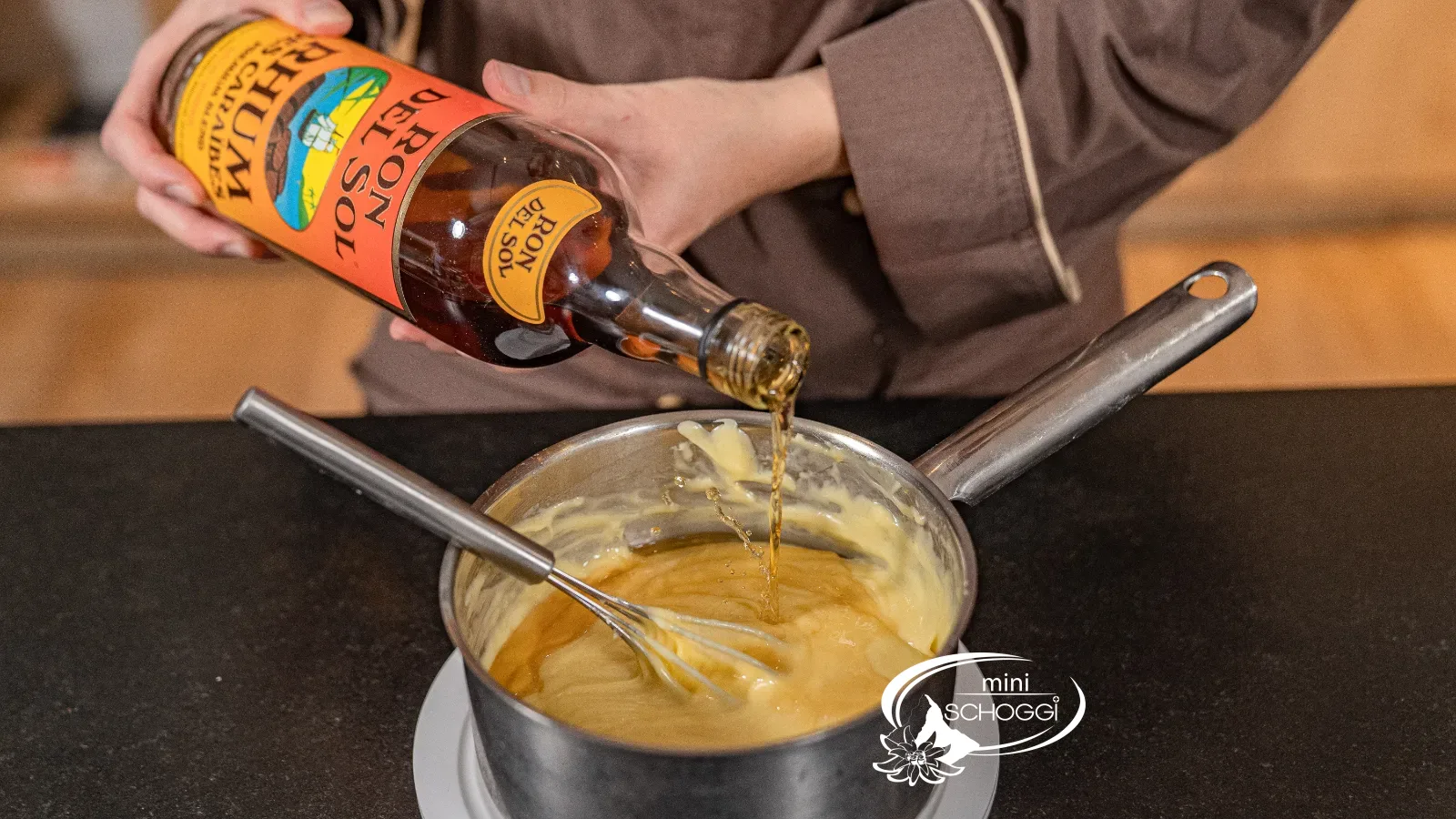
You will need for this

Monin Coconut Syrup, 250 ml
8
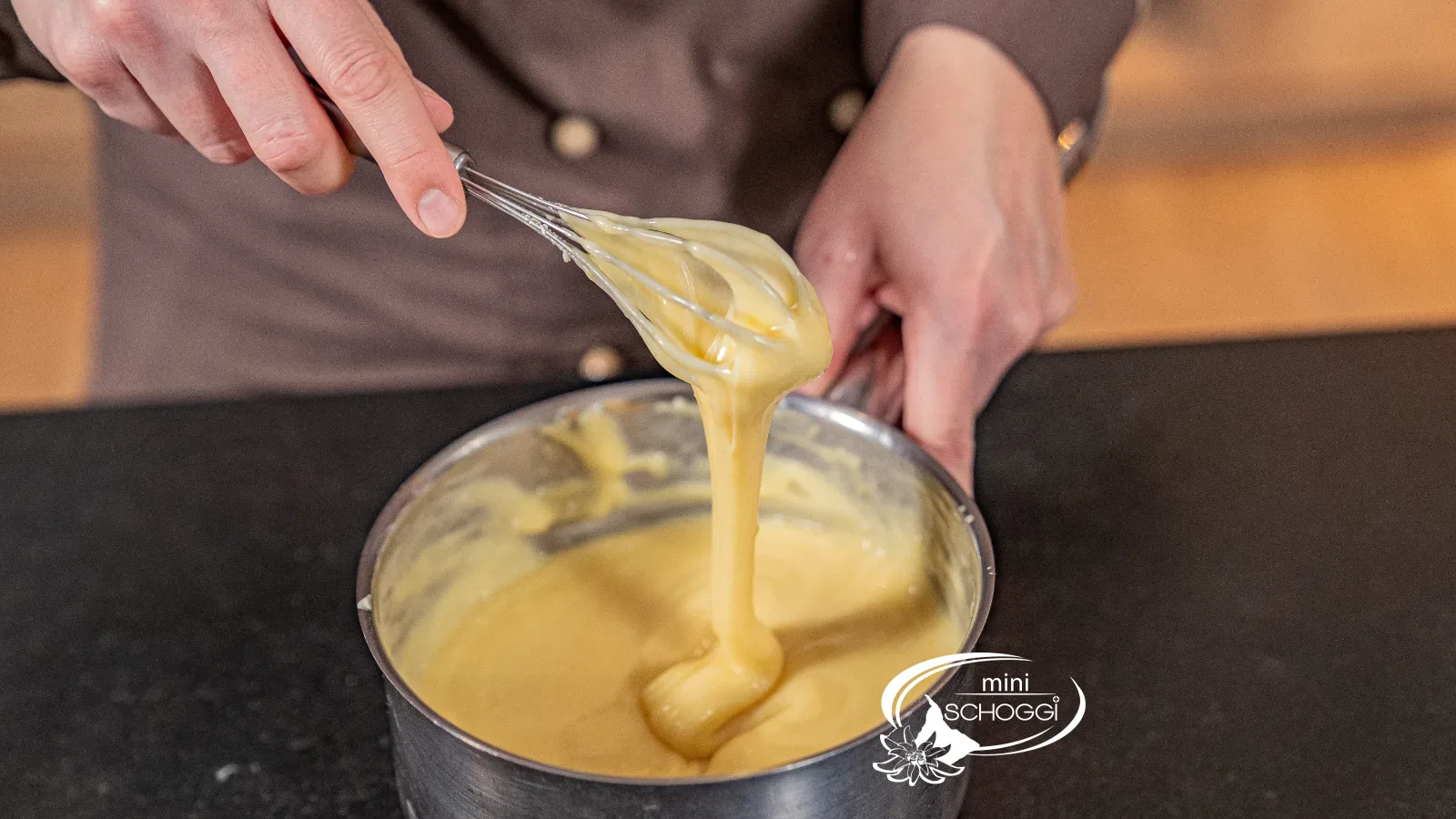
Stirring in the butter
Add the soft butter and stir it in well until the ganache is smooth again.
9
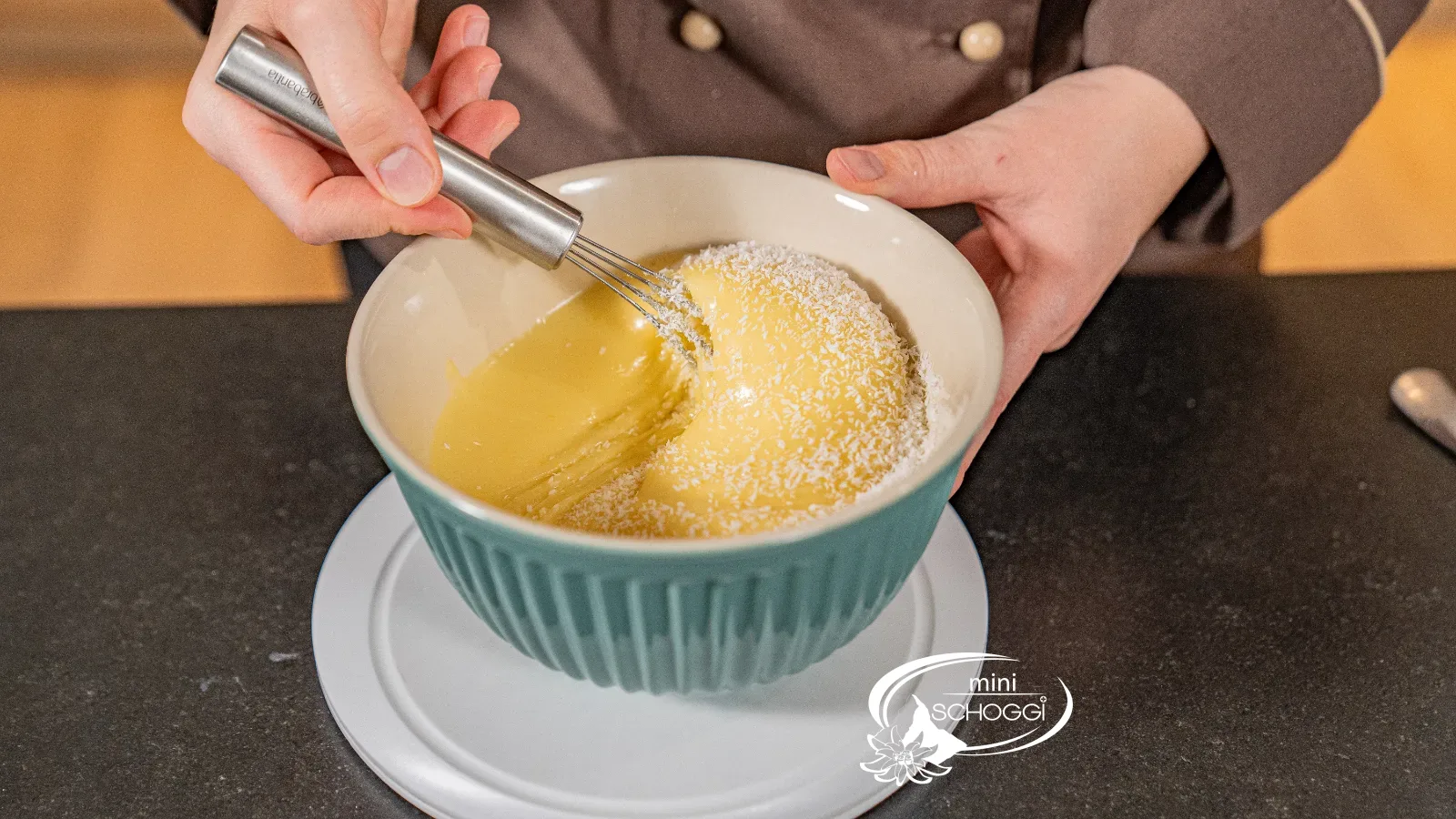
Desiccated coconut
Pour the ganache into a new Bowl and stir in the desiccated coconut.
10
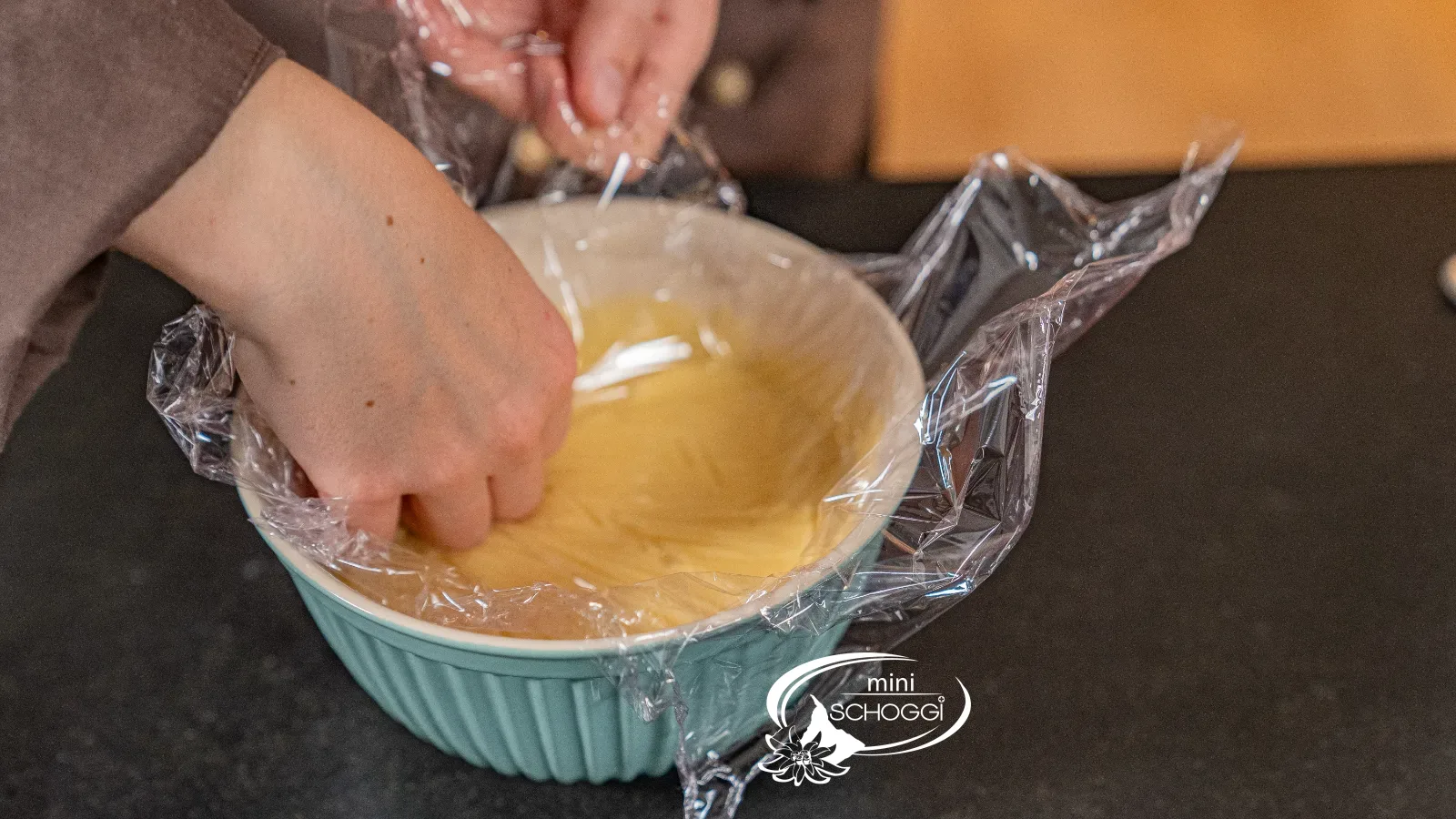
Cover and cool
Cover the ganache directly on the surface with cling film so that no skin forms, and leave it to cool at room temperature for 2 bis 3 hours. In the meantime, prepare the Jelly.
Pineapple jelly
1
Prepare and bring to the boil
Line a square cake ring measuring 22 x 22 cm with cling film. Mix the pectin with crystal sugar part 1, combine crystal sugar part 2 with the glucose syrup, and dissolve the citric acid in water part 2. Warm the pineapple fruit puree with water part 1, sprinkle in the sugar-pectin mixture while stirring, and after a gentle simmer add the sugar-glucose mixture.
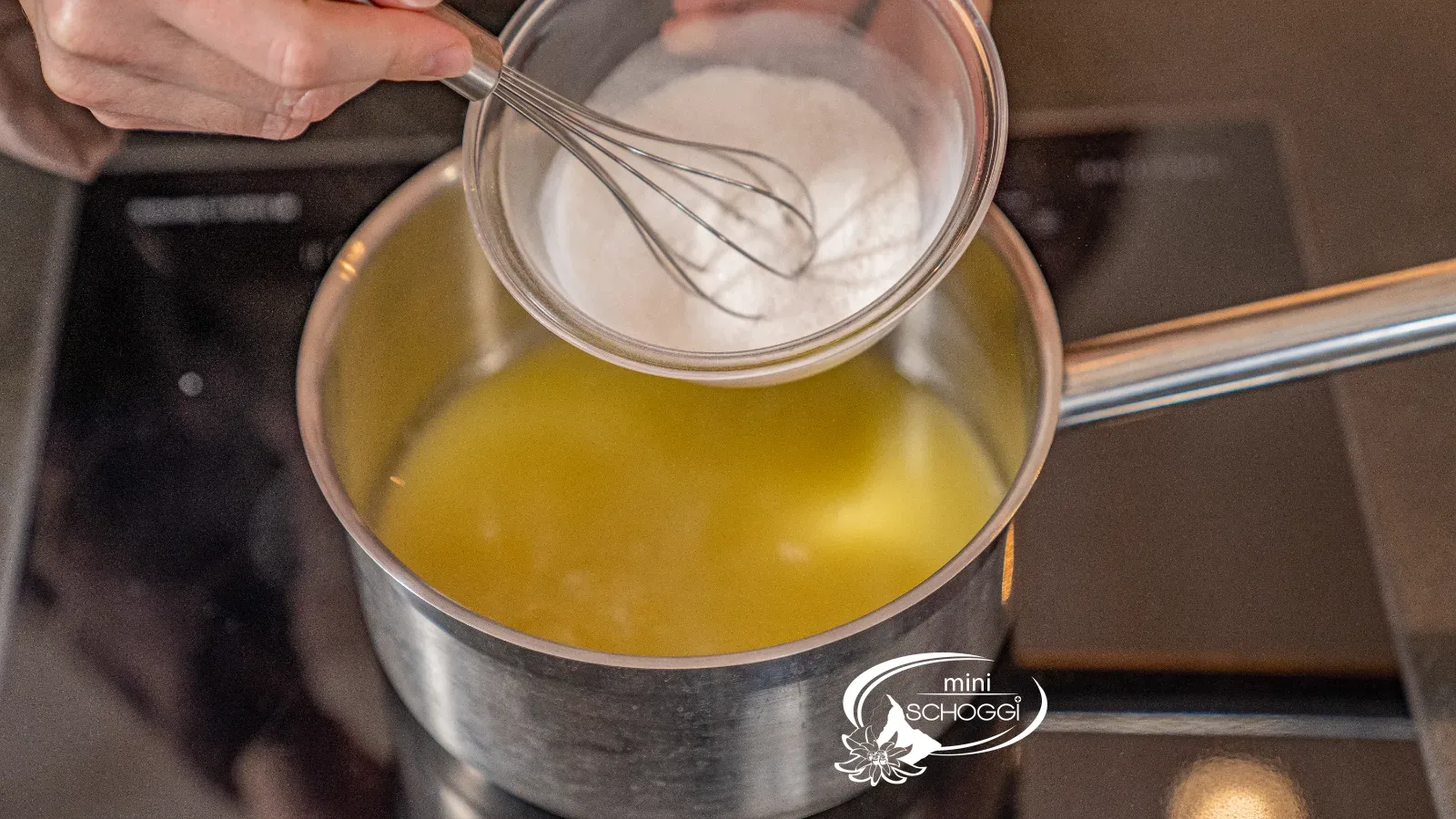
You will need


Pineapple fruit puree 1 kg
Pectin (yellow band), 30 g
Glucose syrup, 350 g
Whisk 25 cm
2
Cook to 106 °C
Cook the mixture to 106 °C while stirring, using the Sugar thermometer. Then remove the pan from the heat and stir in the dissolved citric acid. It makes the pectin set, which is why it goes in right at the very end.
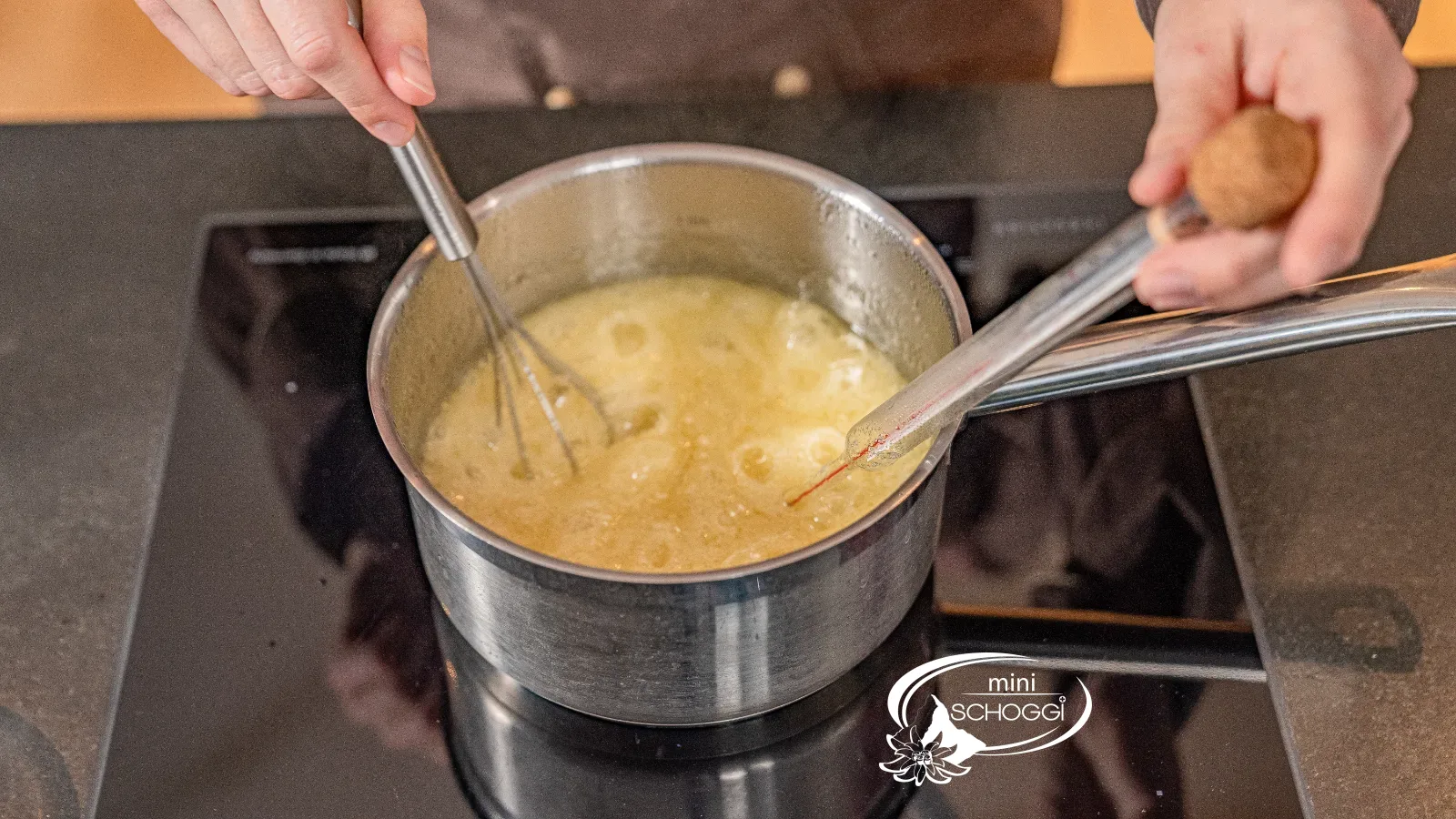
You will need


Sugar thermometer
Citric acid, 20 g
3
Pour into the frame
Pour the hot jelly immediately into the prepared cake ring and leave it to cool.
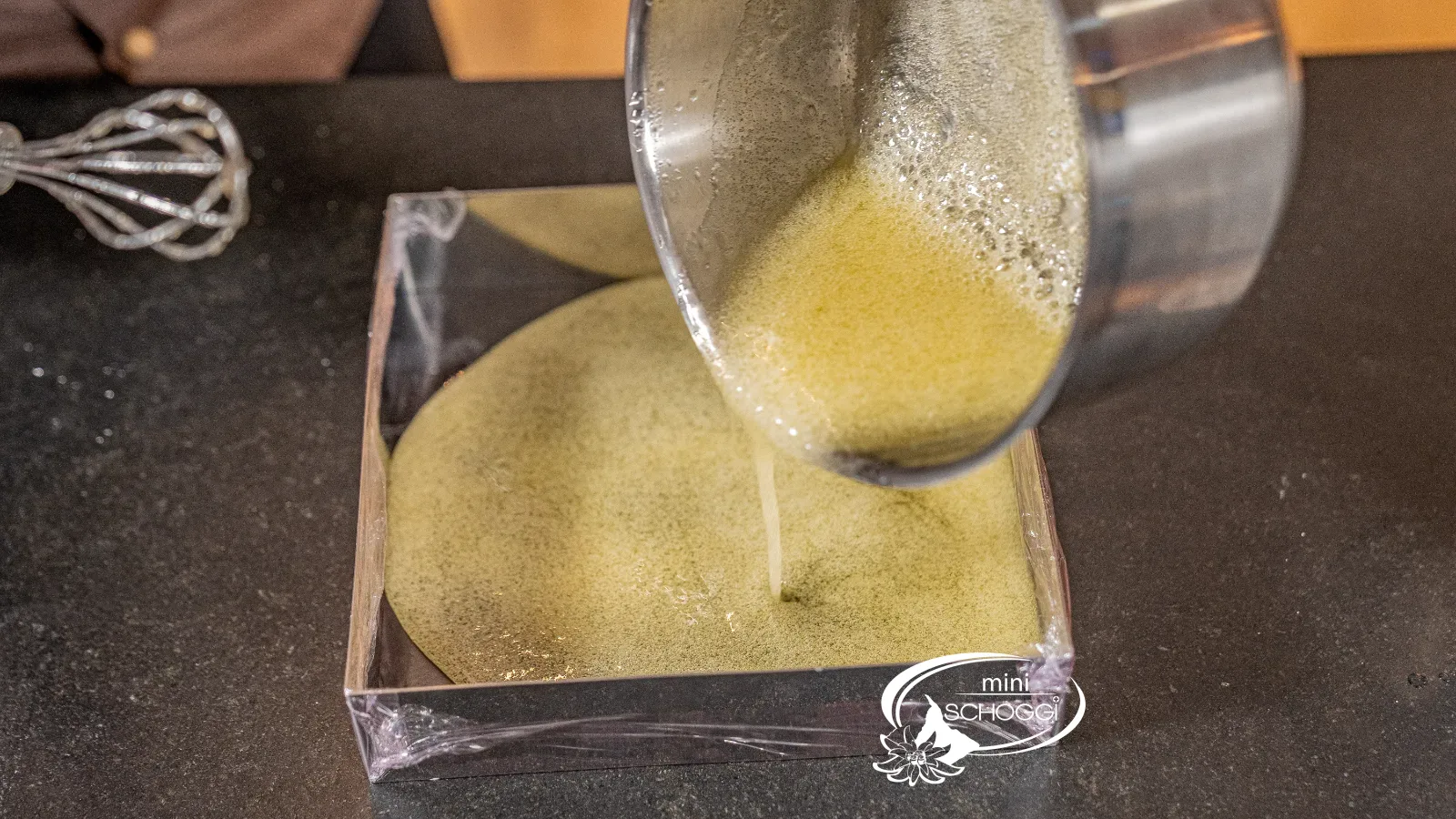
4
Sprinkle with sugar
Sprinkle the cooled jelly generously with crystal sugar. Let it rest for another 30 minutes, then loosen it from the ring with a small Spatula.
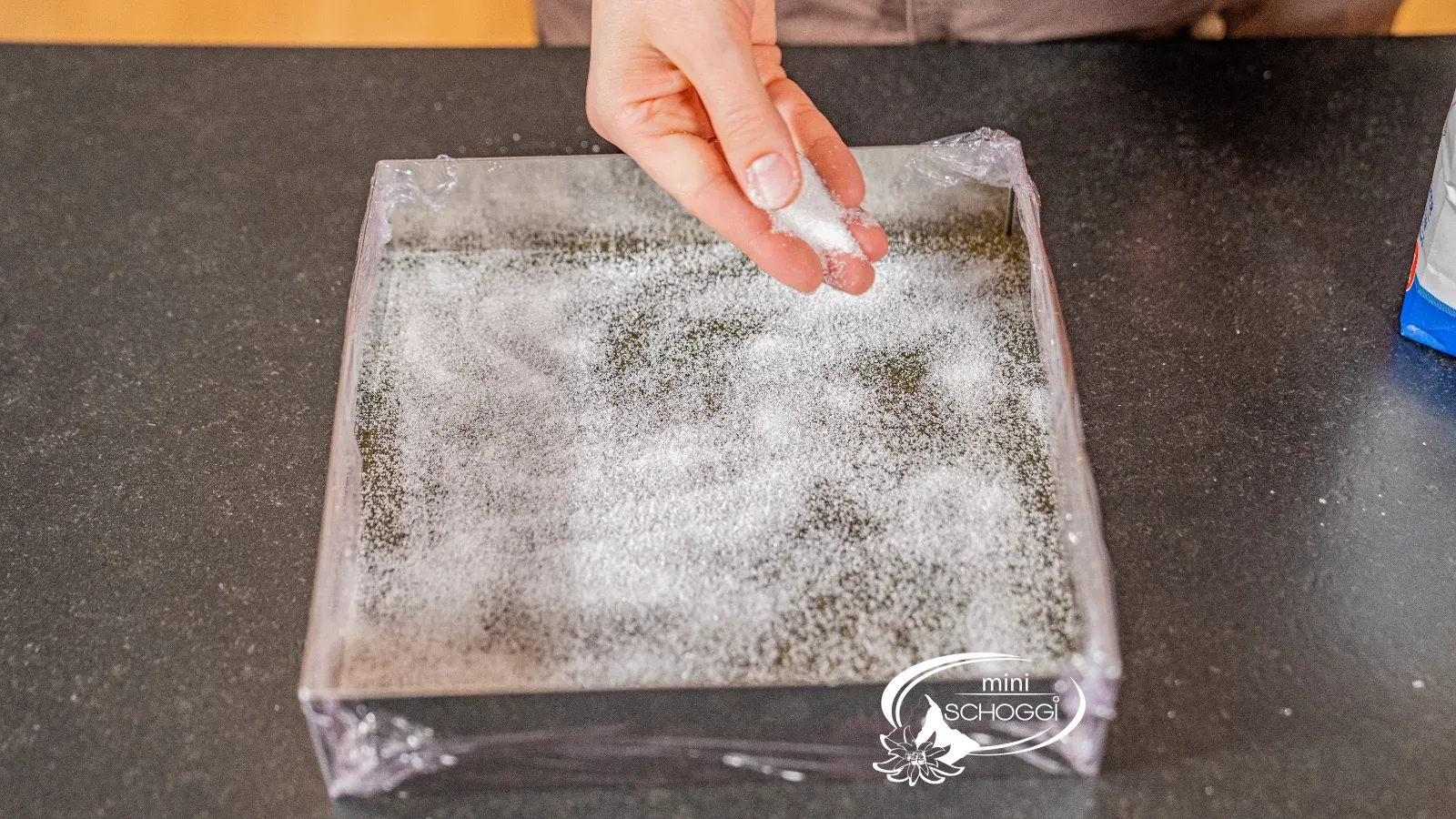
You will need

Mini thin angled spatula with plastic handle
Build and cut the slab
1
Place the jelly
Place a silicone mat on the ganache board and set a 3 mm frame for ganache on top of it. Put the jelly in the centre with the sugared side facing down and carefully peel off the cling film.
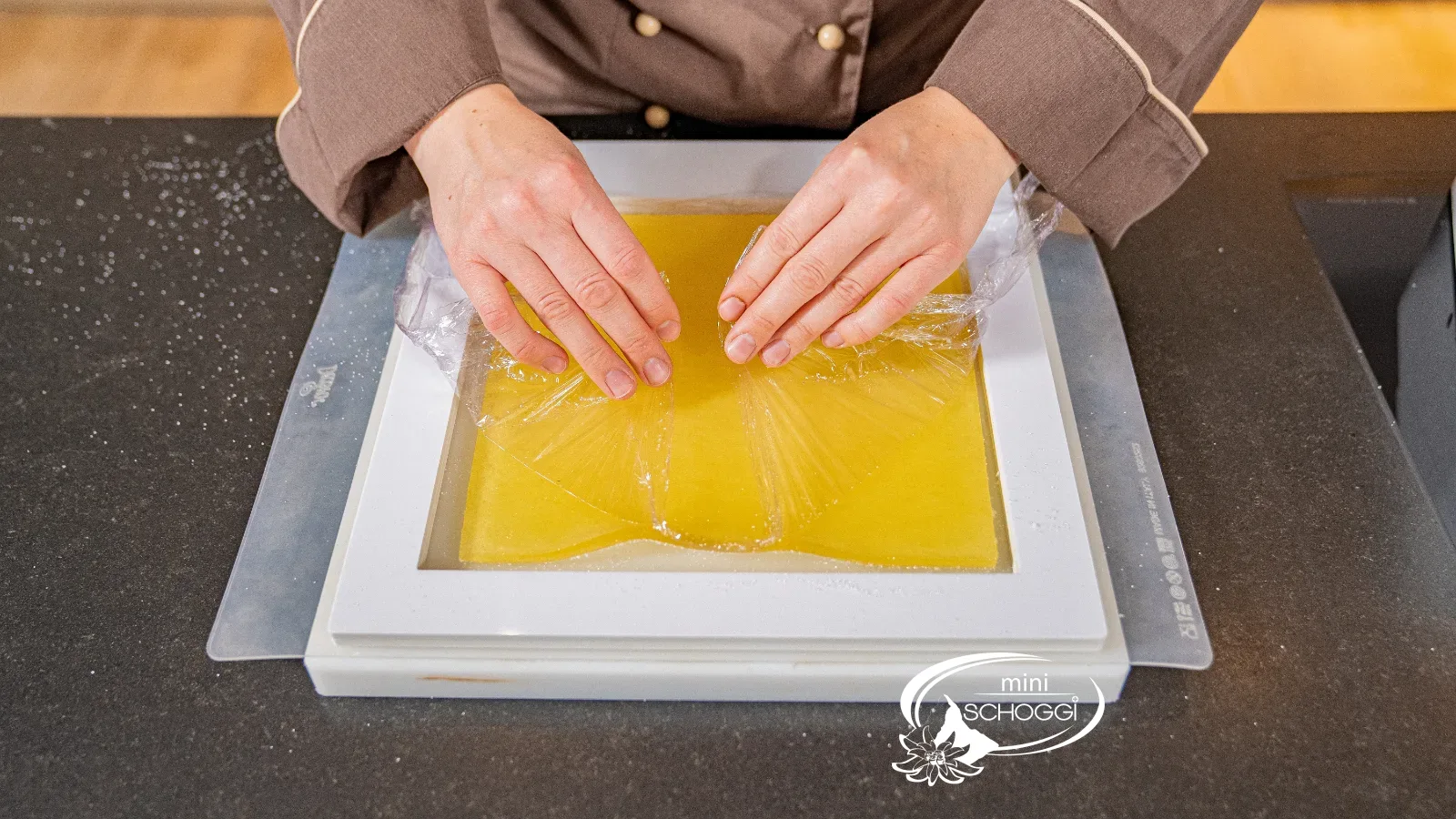
You will need


Silikonmatte durchsichtig, 30 x 40 cm
Frame for cut chocolates 3 mm
Frame set for cut chocolates
2
Spread the ganache
Place two ganache frames of 5 mm on top of it. Briefly smooth the cooled ganache with the rubber scraper and spread it evenly over the jelly.
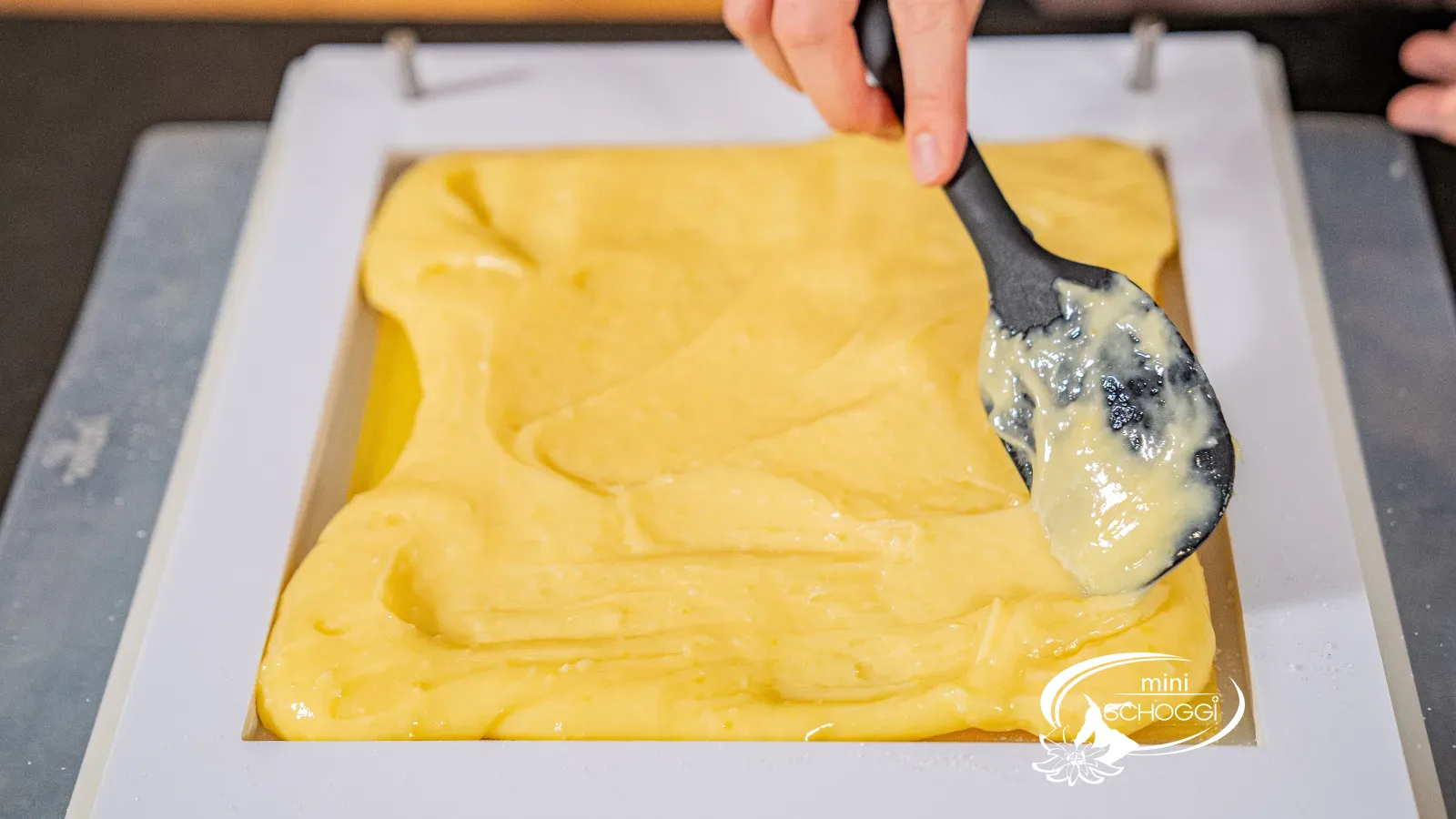
You will need


Frame for cut chocolates 5 mm
Rubber scraper black, large
3
Roll smooth and chill
Place a second silicone mat on the ganache and roll several times over it with a rolling pin until no air bubbles remain. Put the slab in the fridge for at least one hour.
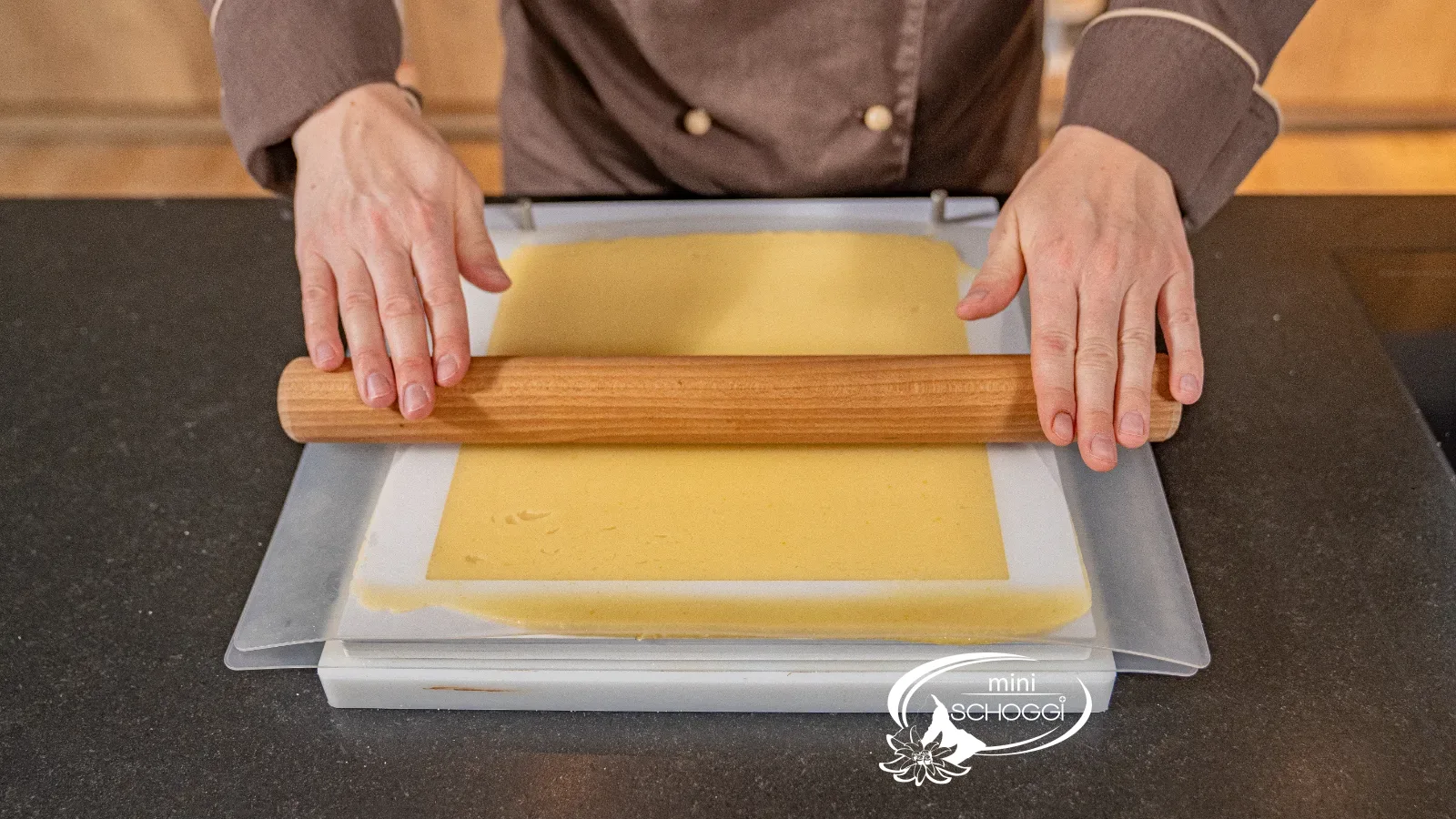
You will need

Wooden rolling pin 50 cm
4
Remove frames and coat
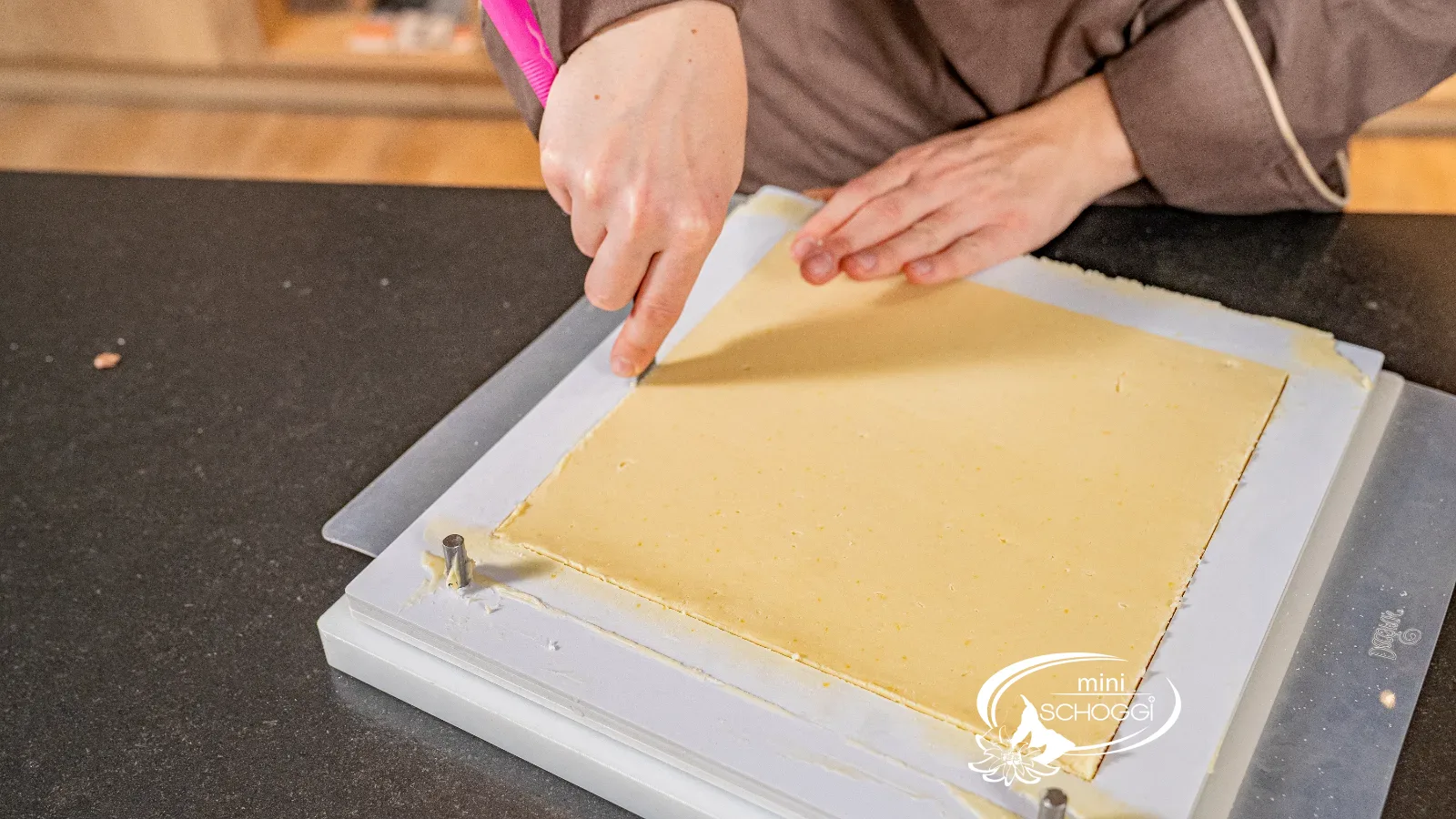
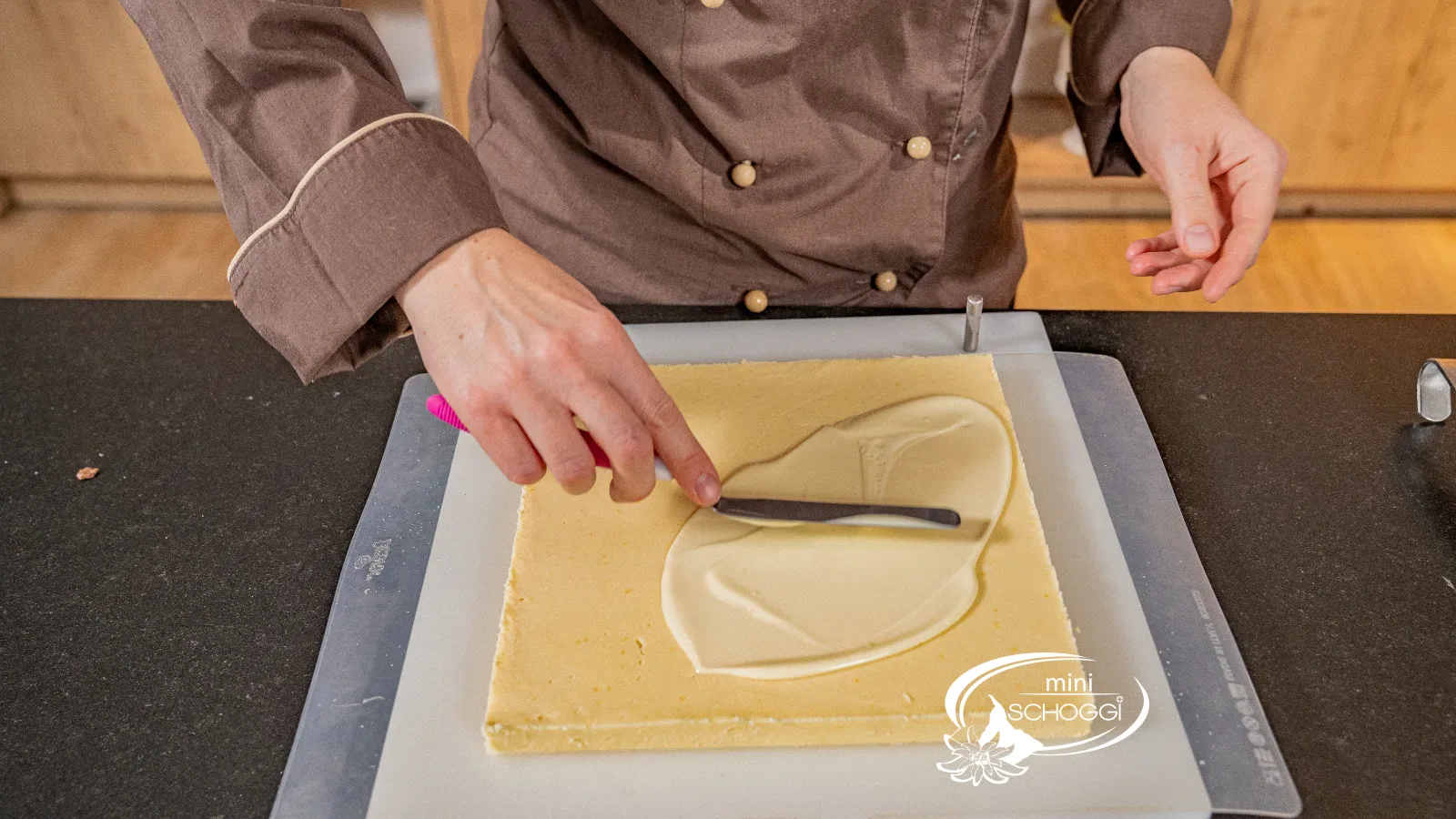
Carefully peel off the upper silicone mat and loosen the frames from the ganache with a small spatula. Coat the surface thinly with tempered white couverture (melt to 40 to 45 °C, cool to 26 to 27 °C, then warm to 28 to 29 °C) and let it set for about 10 minutes. This layer will later become the underside of the pralines.
You will need

miniSchoggi tempering device for couverture and chocolate
Angled spatula mini thin with plastic handle
5
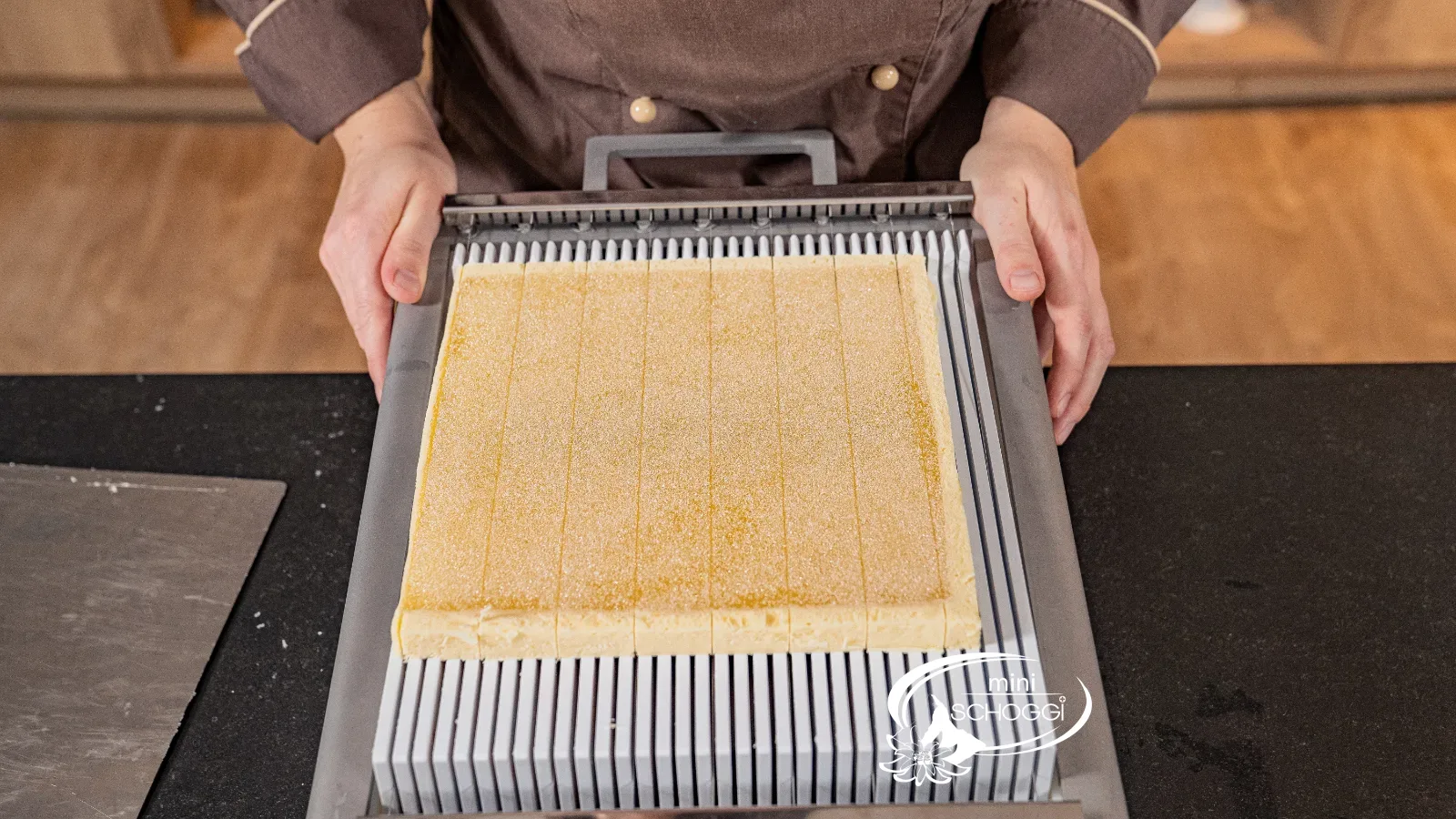
Cut into strips
Turn the slab over once by 180 degrees so that the couverture side faces down, and place it on the cutting harp. Cut it into strips 3 cm wide.
You will need these


Cutting harp for cut chocolates
3 cm cutting insert for the cutting harp
6
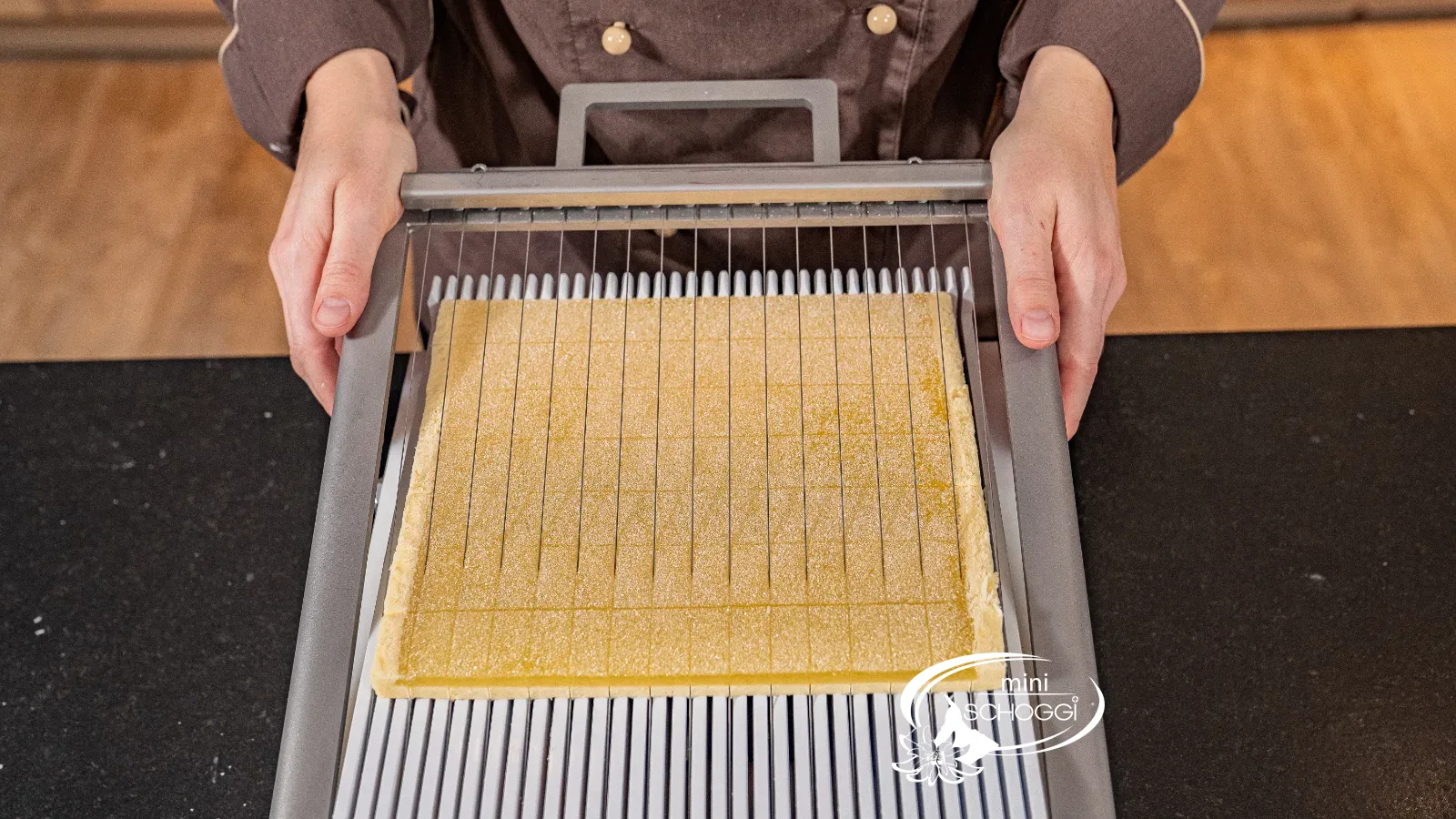
Cut into pralines
Turn the strips 90 degrees with the help of a cake tin and cut them into 1.5 cm wide pralines. Also use the cake tin to loosen them from the harp.
You will need these

1.5 cm cutting insert for the cutting harp
Dipping
1
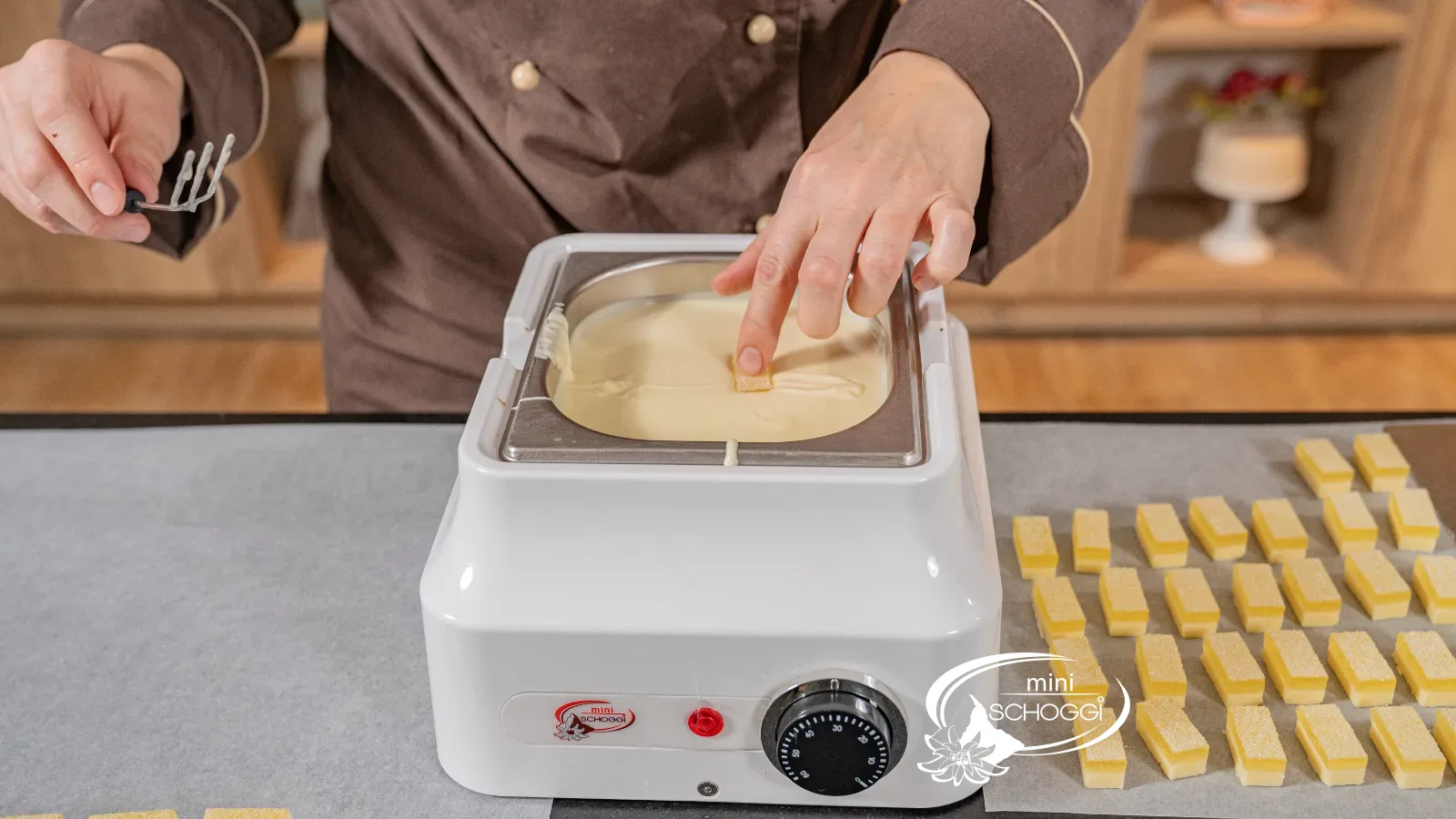
Dip the bottom
Press each praline bottom side (coated with couverture) into the tempered White couvertureso that only the sugared surface sticks out.
You will need
miniSchoggi tempering device for couverture and chocolate
2
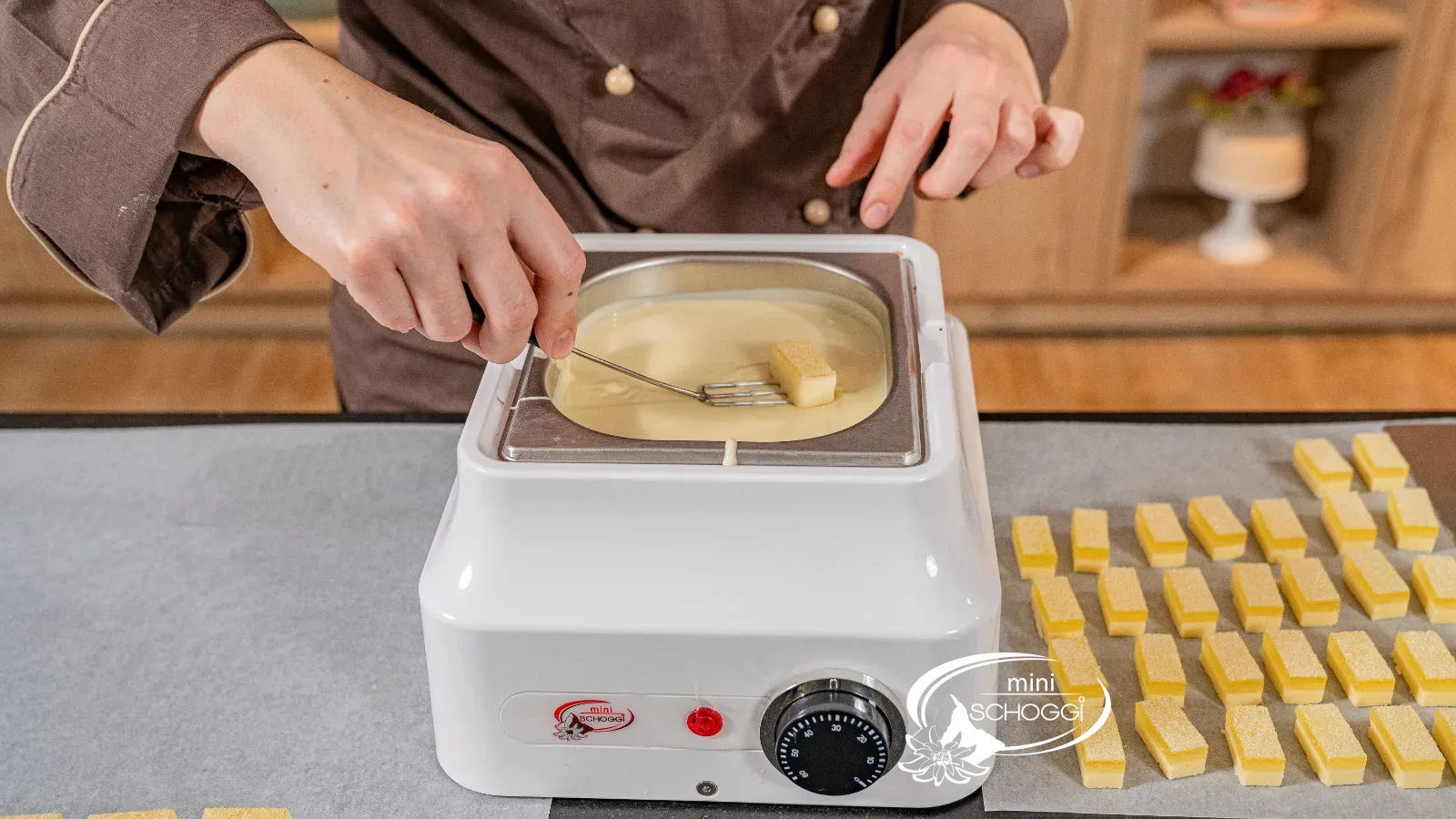
Lift out and tap off
Slide the dipping fork under the praline, lift it out of the couverture and tap it lightly so that the excess couverture drips off. Then carefully scrape it off on the edge of the tempering device.
You will need

Dipping fork, 4-prong
3
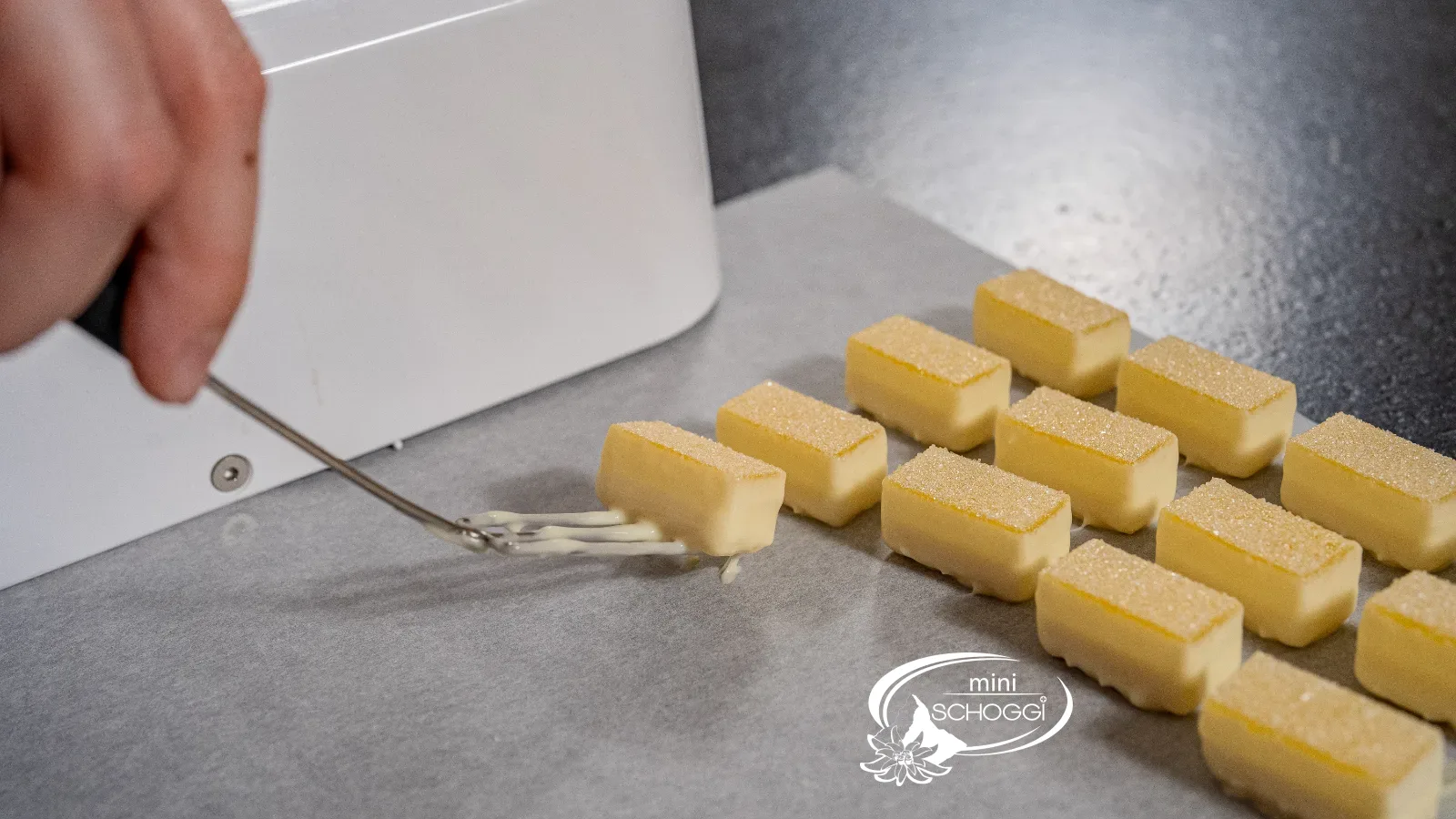
Set down
Place the pralines on baking paper to cool and slide the fork away sideways.
You will need

Baking paper 42 x 33 cm, 25 pieces
4
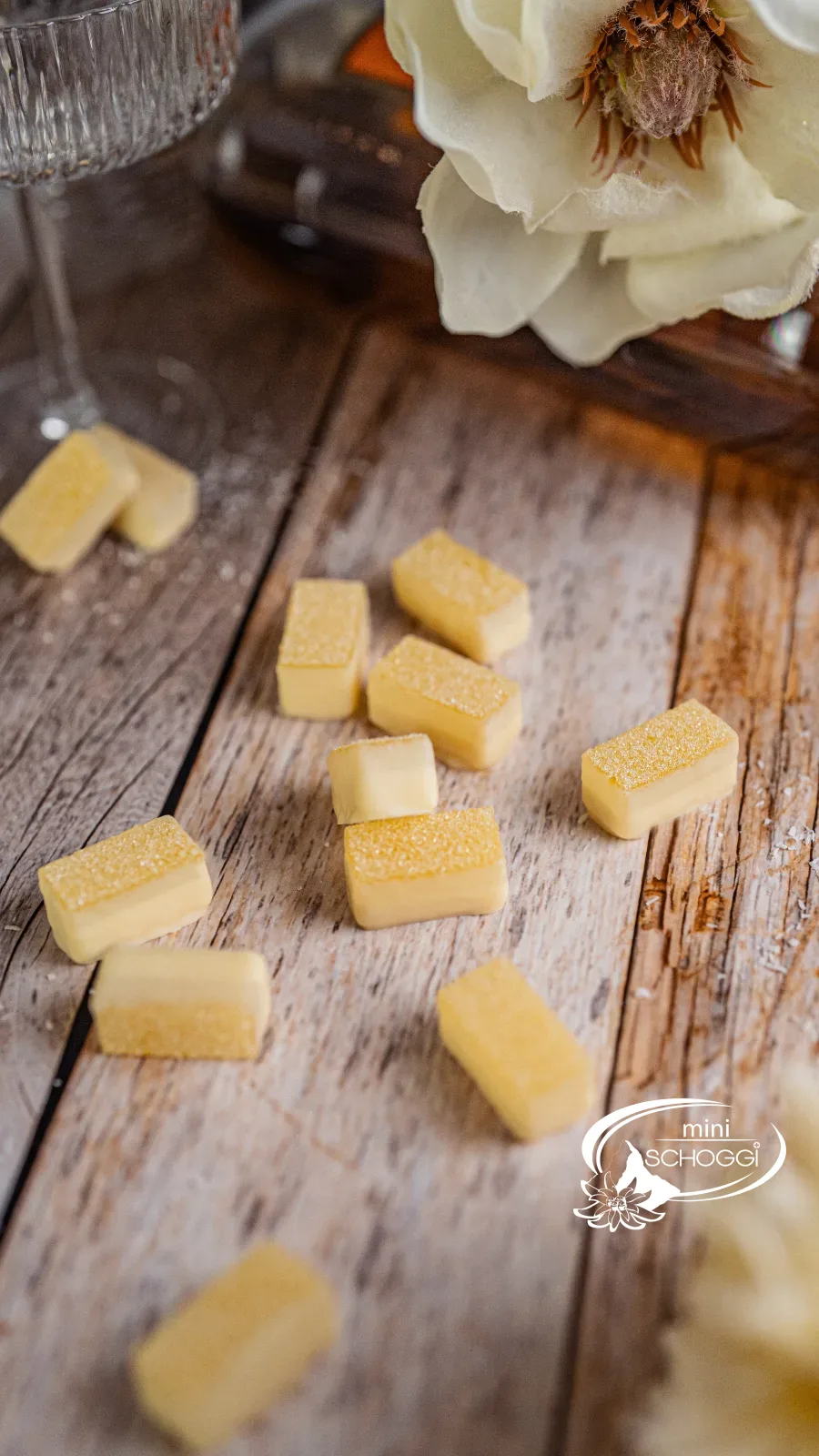
Enjoy
Let the couverture set completely. Your pina colada pralines are ready.
Compact · for printing
Pina colada pralinen
Ingredients
Quantity:
Coconut ganache
Pineapple jelly
For finishing
Preparation
- Ganache: Bring the cream to the boil, warm with egg yolk and sugar to 82 °C, stir in the couverture, then stir in coconut syrup, rum, butter and shredded coconut, and leave to cool for 2 to 3 hrs.
- Jelly: Warm the puree and water, add the sugar-pectin and sugar-glucose mix, boil to 106 °C, stir in citric acid, pour into the 22 cm frame, and sprinkle with sugar.
- Slab: Jelly in the 3 mm frame, ganache in 2 x 5 mm frames on top, roll smooth, chill for 1 hr, then coat with tempered couverture.
- Cutting and dipping: Turn over, cut into 3 x 1.5 cm pieces with the cutting harp, dip the underside in tempered white couverture, and set down.
Nutritional values per 100 g
453kcal
23.8 gFat
54.7 gCarbohydrates
4.6 gProtein
Storage & shelf life
The pralines keep for up to 4 weeks. Best stored tightly closed at room temperature, ideally around 18 °C.
Everything for this recipe
Recommended by our bakery team: exactly the sizes this recipe has been tested with.
Ingredients
Lindt white couverture 0.5 kg
Monin coconut syrup, 250 ml
Pineapple fruit puree 1 kg
Pectin (yellow band), 30 g
Glucose syrup, 350 g
Citric acid, 20 g
Lindt white couverture 2.5 kg
Accessories
Whisk 25 cm
Digital thermometer, waterproof and foldable
Sugar thermometer
Angled spatula mini, thin, with plastic handle
Silicone mat transparent, 30 x 40 cm
Frame for cut chocolates 3 mm
Frame set for cut chocolates
Frame for cut chocolates 5 mm
Rubber scraper black, large
Wooden rolling pin 50 cm
miniSchoggi tempering device for couverture and chocolate
Cutting harp for cut chocolates
Cutting insert 3 cm for the cutting harp
Cutting insert 1.5 cm for the Cutting harp
Dipping fork 4-prong
Baking paper 42 x 33 cm, 25 pieces
Delivery in 1 to 2 working days · Free shipping from CHF 100*
So it works every time
Tempering more couverture
For dipping you need about 400 g couverture. But temper at least 600 g: with more couverture in the bowl, dipping is much easier.
Citric acid last
Add the citric acid only after cooking. If it goes into the mixture too early, the pectin binds already in the pan and the Jelly can no longer be poured.
Without a Cutting harp
Without a Cutting harp, cut the slab with a long knife that has been dipped in hot water and dried. Wipe the blade after each cut, and the edges stay clean.
Frequently asked questions
For half the quantity, use a frame of about 15.5 x 15.5 cm; the layer thicknesses stay the same. For double the quantity, it is best to make two slabs measuring 22 x 22 cm.
The Ganache contains egg yolk. At 82 °C it is safely pasteurised without setting. That is why it is essential to work with the Thermometer.
Yes, replace it with the same amount of coconut Syrup or pineapple purée. The pralines will then keep slightly less long, because the alcohol also acts as a preservative.
Print recipe
Choose what should appear on the printout.
Related products
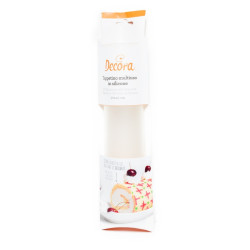
Silicone mat transparent, 30 x 40 cm
Price: CHF 15.90
Rated out of 5 stars based on
review(s)
bitte einloggen
A silicone mat is suitable for baking, freezing and rolling out various...
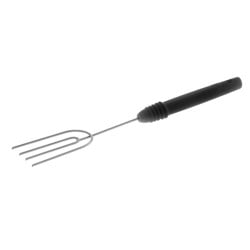
Trempier fork 4 prongs
Price: CHF 9.90
Rated out of 5 stars based on
review(s)
bitte einloggen
With the truffle fork you have the possibility to truffle chocolates. So you...
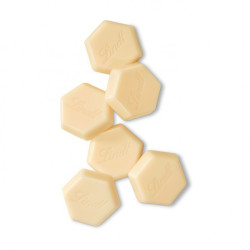
Lindt Couverture White 0.5 kg
Price: CHF 19.90
Rated out of 5 stars based on
review(s)
bitte einloggen
Finest ingredients, transparency and sustainability. This is what the...

Lindt Couverture White 2.5 kg
Price: CHF 72.50
Rated out of 5 stars based on
review(s)
bitte einloggen
Finest ingredients, transparency and sustainability. This is what the...
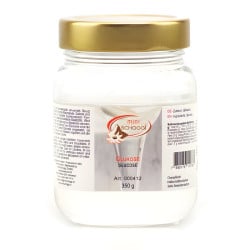
Glucose, 350g
Price: CHF 8.90
Rated out of 5 stars based on
review(s)
bitte einloggen
Glucose is a sticky, viscous sugar mixture used in a wide variety of...
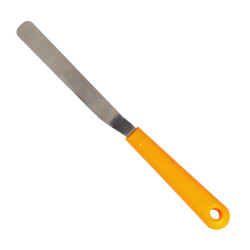
Angle spatula mini thin with plastic handle
Price: CHF 9.90
Rated out of 5 stars based on
review(s)
bitte einloggen
In our courses, a very special tool is indispensable! Angle palette,...
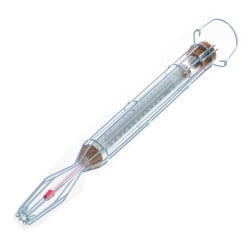
Sugar thermometer
Price: CHF 28.90
Rated out of 5 stars based on
review(s)
bitte einloggen
For a perfect caramel or sugar syrup for macarons, buttercream or mousse, a...
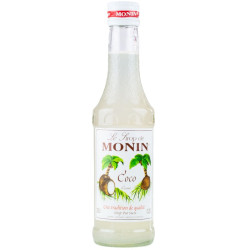
Monin coconut syrup, 250 ml
Price: CHF 8.90
Rated out of 5 stars based on
review(s)
bitte einloggen
Monin is known for its syrups, which can be used to mix delicious drinks or...
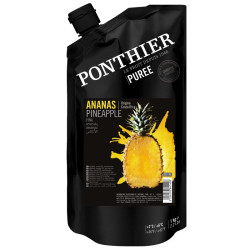
Pineapple fruit puree 1 Kg
Price: CHF 22.50
Rated out of 5 stars based on
review(s)
bitte einloggen
Fruit purees are perfect for naturally flavoring various masses. With our...
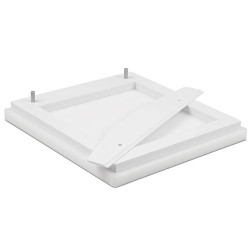
Frame set for cut chocolates
Price: CHF 295.00
Rated out of 5 stars based on
review(s)
bitte einloggen
This frame set allows you to make perfect cut chocolates. You can shape...
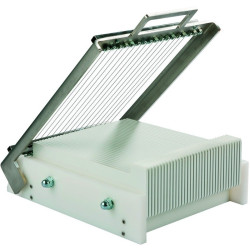
Harp for cut chocolates
Price: CHF 850.00
Rated out of 5 stars based on
review(s)
bitte einloggen
No more tedious cutting with a knife, no more messy edges or ragged edges....
Pectin (yellow ribbon), 30 g
Price: CHF 6.50
Rated out of 5 stars based on
review(s)
bitte einloggen
Pectin is a natural thickening agent that occurs in large quantities in...
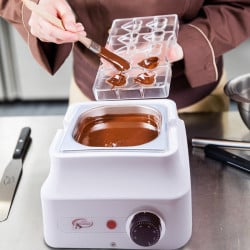
miniSchoggi tempering device for couverture and chocolate
Price: CHF 99.00
Rated out of 5 stars based on
review(s)
bitte einloggen
With a tempering device, tempering couverture is very easy and nothing...
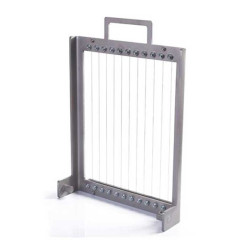
Cutting insert 1.5 cm for the cutting harp
Price: CHF 490.00
Rated out of 5 stars based on
review(s)
bitte einloggen
No more tedious cutting with a knife, no more messy edges or ragged edges....
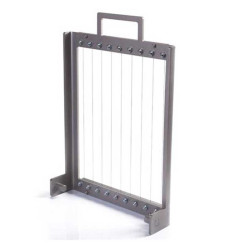
Cutting insert 3 cm for the cutting harp
Price: CHF 490.00
Rated out of 5 stars based on
review(s)
bitte einloggen
No more tedious cutting with a knife, no more messy edges or ragged edges....
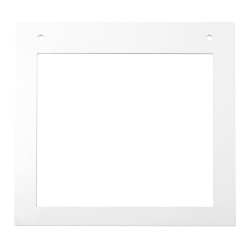
Frame for cut chocolates 3 mm
Price: CHF 25.50
Rated out of 5 stars based on
review(s)
bitte einloggen
This frame fits on the base of the
Frame sets
for cut...
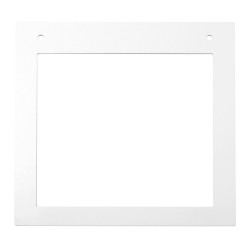
Frame for cut chocolates 5 mm
Price: CHF 26.50
Rated out of 5 stars based on
review(s)
bitte einloggen
This frame fits on the base of the
Frame sets
and thus...
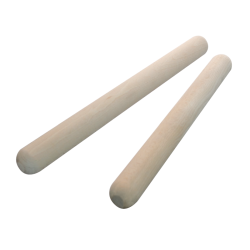
Wooden rolling pin 50 cm
Price: CHF 18.50
Rated out of 5 stars based on
review(s)
bitte einloggen
A rolling pin is always a good helper in the kitchen, whether it is for...

Whisk 25 cm
Price: CHF 8.90
Rated out of 5 stars based on
review(s)
bitte einloggen
Every kitchen needs some basic equipment, and this includes a sturdy whisk....
Baking paper 42 x 33 cm, 25 pieces
Price: CHF 4.95
Rated out of 5 stars based on
review(s)
bitte einloggen
With these baking paper sheets your pastries rise evenly and are baked...
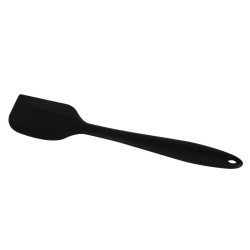
Rubber scraper Black, large
Price: CHF 9.90
Rated out of 5 stars based on
review(s)
bitte einloggen
The rubber scraper black is made of silicone, which protects pots and bowls...
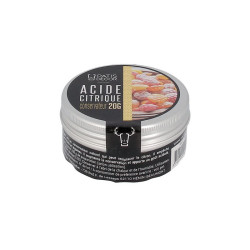
Citric acid, 20 g
Price: CHF 7.20
Rated out of 5 stars based on
review(s)
bitte einloggen
Citric acid is an extremely practical ingredient. It gives a natural as...

Digital thermometer, waterproof as well as foldable
Price: CHF 29.50
Rated out of 5 stars based on
review(s)
bitte einloggen
For many treats, maintaining a certain temperature is essential. In a...
Bewertungen
Leave a comment
Related posts
 Make Easter bunny chocolate at home: painting, pouring, unmolding
This is how you make your own chocolate bunny: polish the mold, paint from the outside in, pour, empty and cleanly...
Read more
Decor Roulade: Sponge with a Baked-in Heart Pattern
A sponge roulade with a baked-in pattern: coloured decor batter is spread through the roulade mat, and the sponge is...
Read more
Cinnamon stars with almonds and egg white icing
Moist cinnamon stars made from almonds, sugar and cinnamon with snow-white egg white icing. No flour, with the icing...
Read more
Tempering couverture and chocolate correctly
Melt, seed, reheat: the seeding method step by step, with the temperatures for every type of couverture and the test...
Read more
Chocolate pumpkin pralines: smiling pumpkins with orange ganache
Smiling Halloween pumpkins made of chocolate: faces decorated with dark couverture, painted orange with cocoa butter...
Read more