
Mini Bundt Cake with Chocolate and Hazelnuts
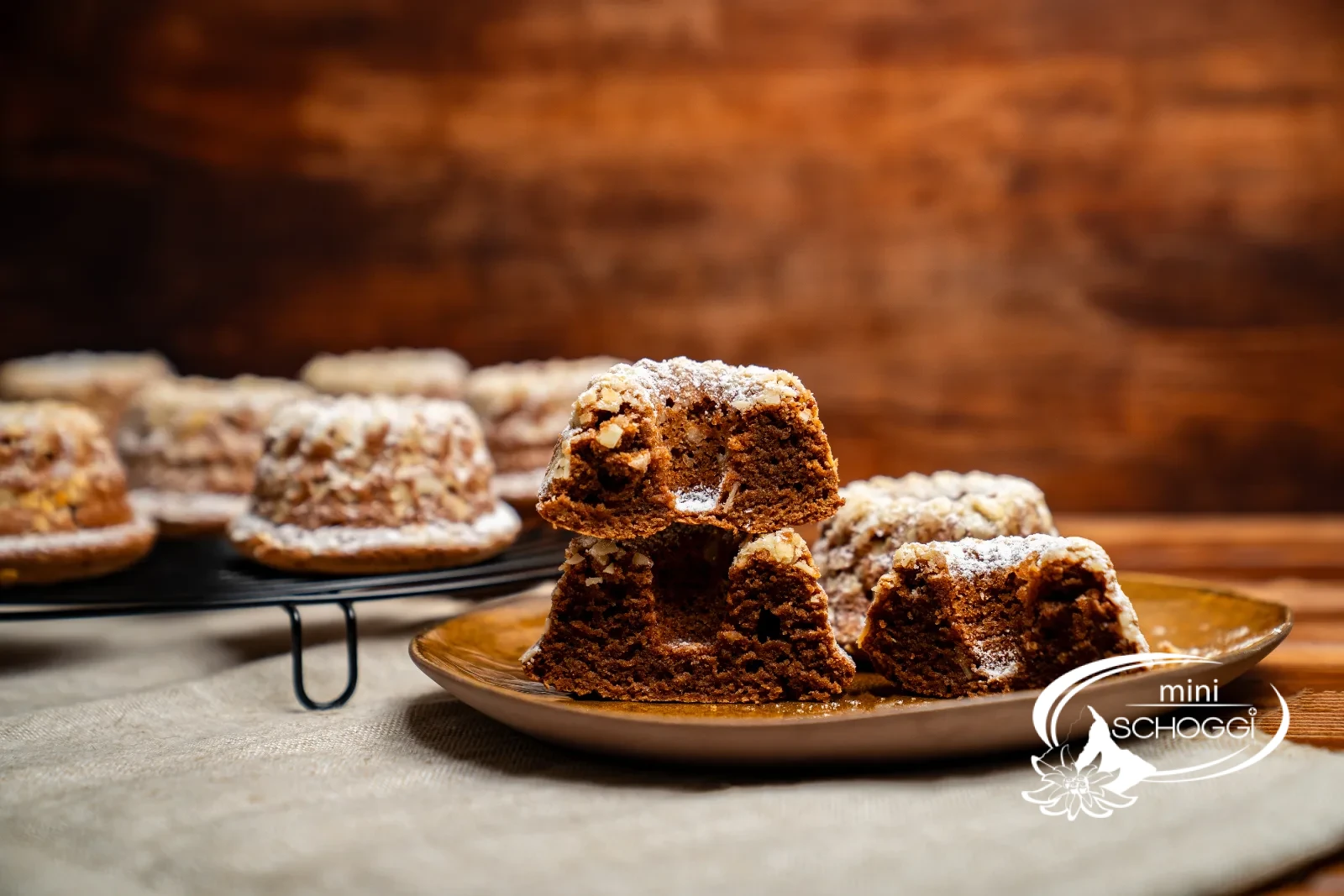
Chocolatey, nutty, airy – and completely without baking powder
Quantity12 mini bundt cakes (50 g batter each)
Active timeapprox. 30 min.
Total timeapprox. 1 hr 15 min. (incl. cooling in the pan)
contains eggcontains milkcontains glutencontains hazelnutcontains almondmay contain soy
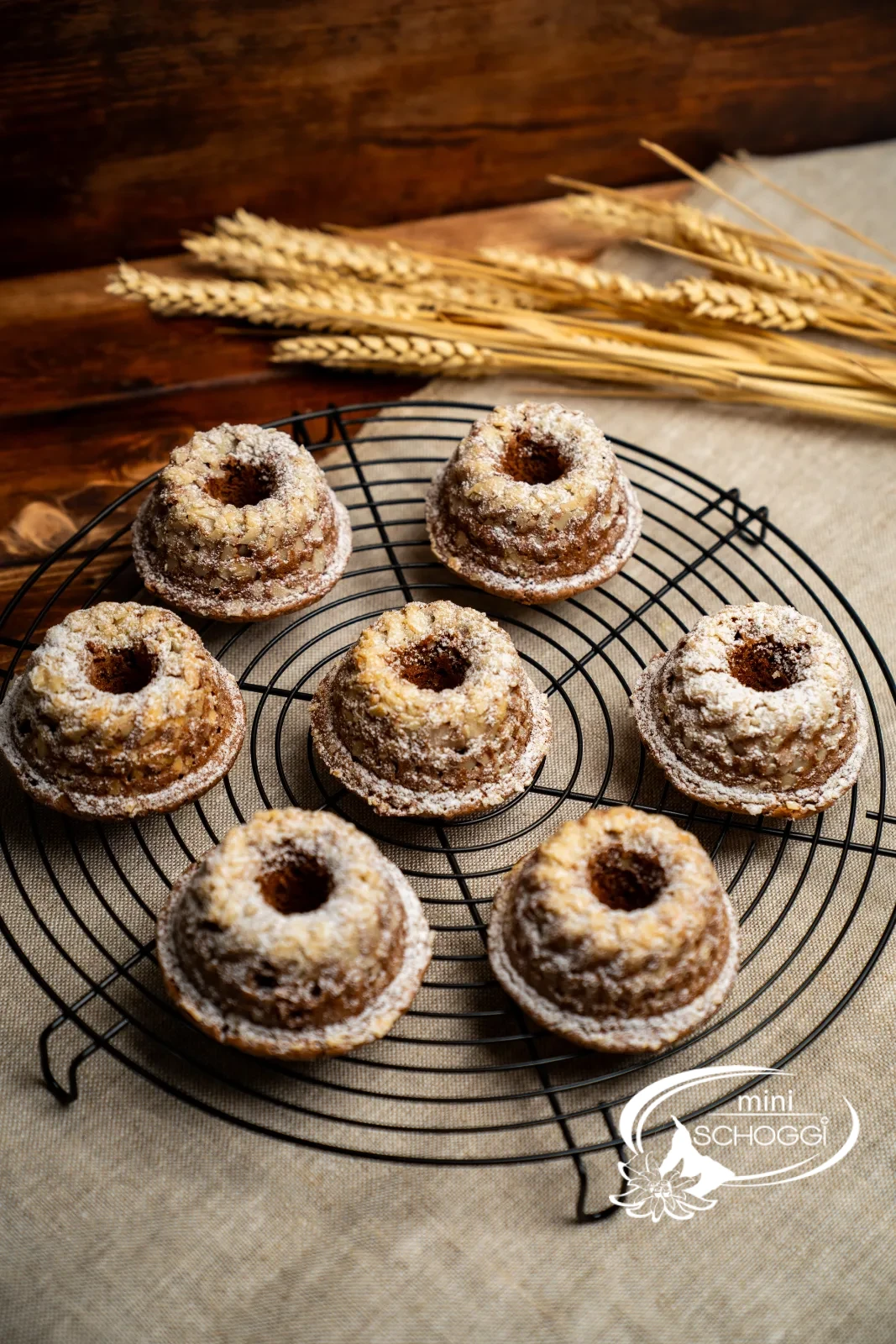
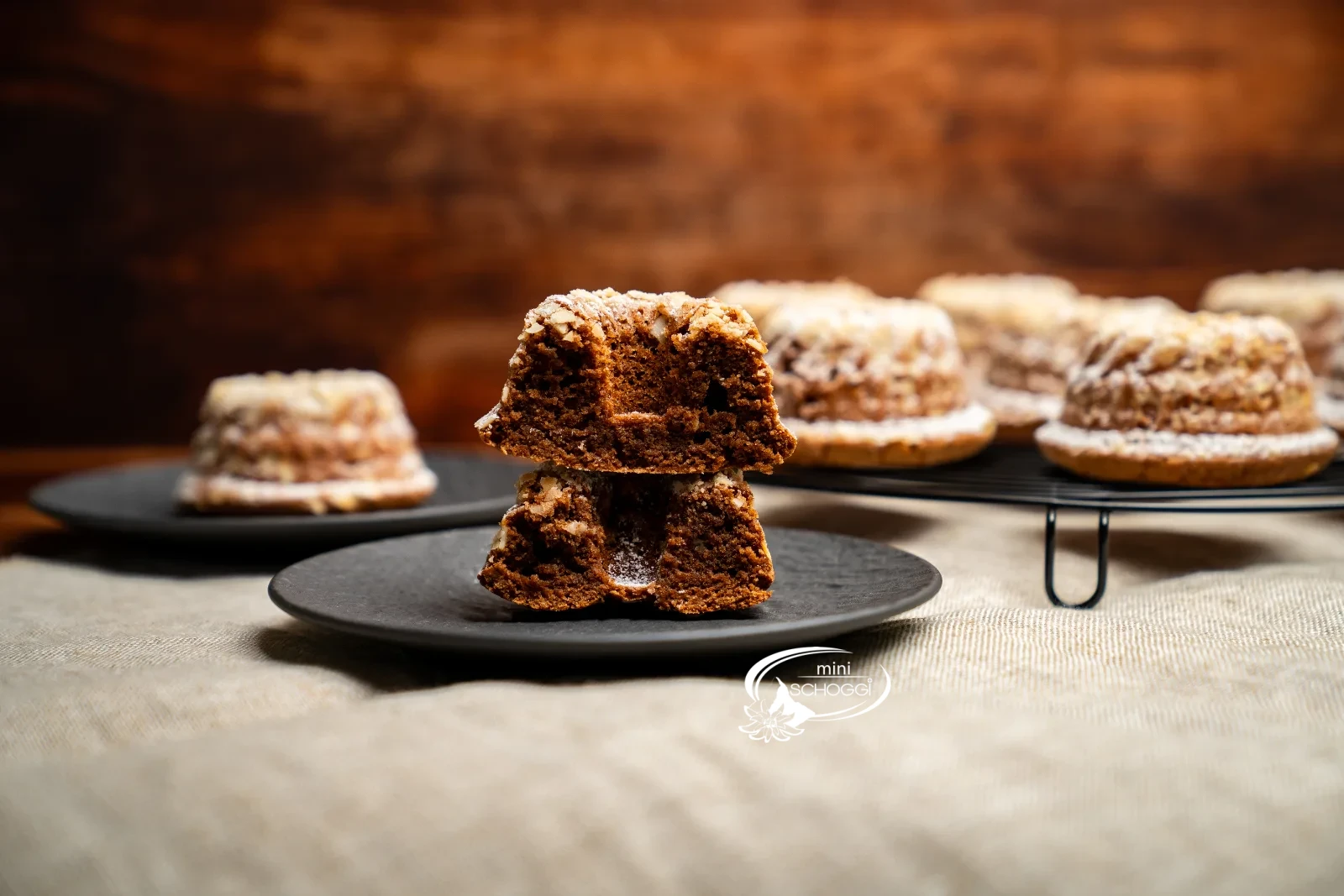
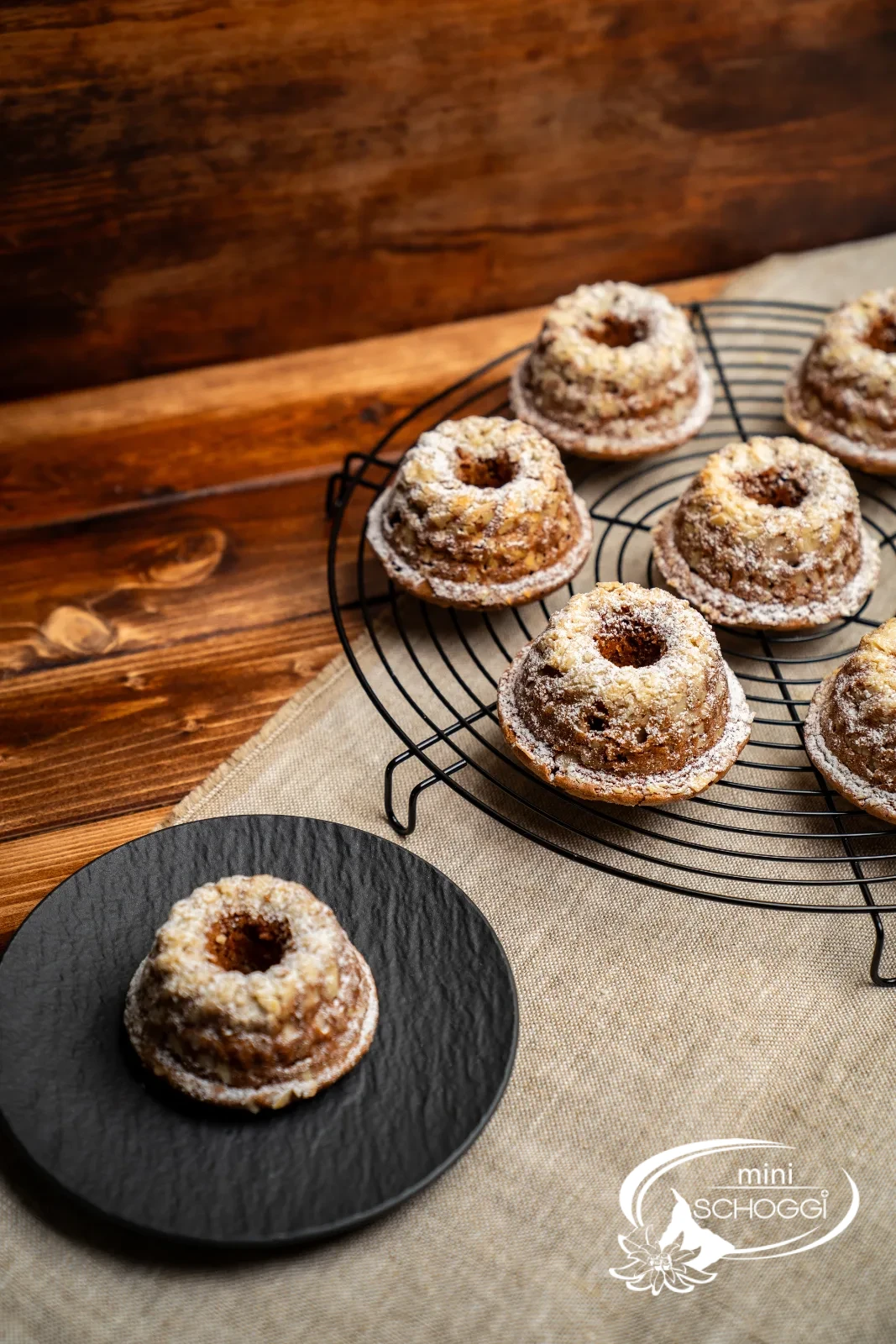
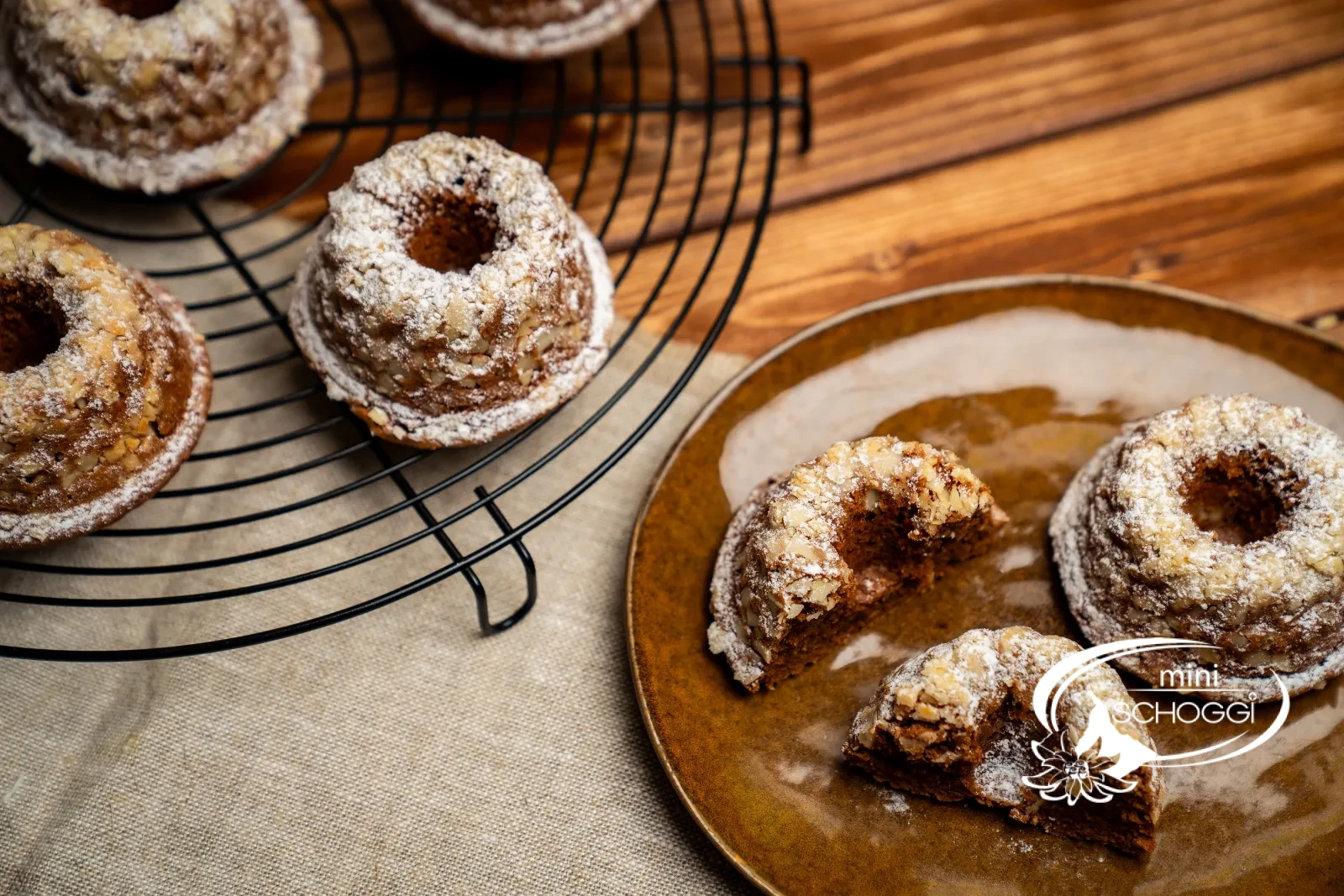
There are cakes you cut into slices, and there are those where everyone gets a whole one. These belong to the second kind: twelve small bundt cakes, each with a lightly speckled dome of almond slivers, and beneath it a dark, nutty crumb that looks surprisingly airy when cut. This mini bundt cake recipe is one of those.
The remarkable thing about it: there's no baking powder in it. All the lift comes from the whipped egg white, which is folded into the batter in three portions right at the end. That's why this bundt cake tastes different from an ordinary sponge cake – finer, closer to a torte – and yet it keeps for five days in a tin.
Two things you should know beforehand. First, the eggs: 100 g of egg yolk is five to six yolks, 100 g of egg white only about three. If you separate six eggs, around 80 g of egg white is left over – freeze it in portions, it'll later become a Meringue. Second, the pan. A bundt pan has grooves, and dough sticks in grooves. Butter, almonds, flour – in that order, generously, and don't skip any of the three steps. Then every single one will come out on its own.
If you then fancy the big version: The best coffee bundt cake is the same principle in a single pan.
Ingredients
Quantity:
EGG WHITE MIXTURE
100 gEgg white (approx. 3 egg whites)
1 pinchSalt
50 gGranulated sugar (part 1)
CHOCOLATE MIXTURE
100 gEgg yolk (approx. 5–6 egg yolks)
100 gButter, soft
50 gGranulated sugar (part 2)
FOR THE PAN AND FOR DECORATING
a littleButter, soft (for greasing)
a littleWhite flour (for dusting)
a littleWhite almonds, flaked and chopped
a littleIcing sugar
Step by step
If you're in a hurry: the compact recipe card further down sums everything up.
The batter
1
Whip the egg whites with salt and sugar
First, preheat the oven to 180 °C fan. The batter contains no baking powder, only the air from the beaten egg whites – when it's ready, the oven should be ready, not the other way round.
Whip the egg whites with a pinch of salt in a truly grease-free Bowl. Let the granulated sugar (part 1) trickle in gradually, not all at once, otherwise the egg whites become heavy and lose volume. Keep beating until they are glossy and a peak stands up when you pull out the whisk. Then set them aside.
"Grease-free" is no empty phrase here: a trace of butter or a drop of egg yolk is enough to stop the egg whites from stiffening. When in doubt, wipe the Bowl out with a little lemon juice.
2
Beat egg yolk, butter, couverture and sugar until fluffy
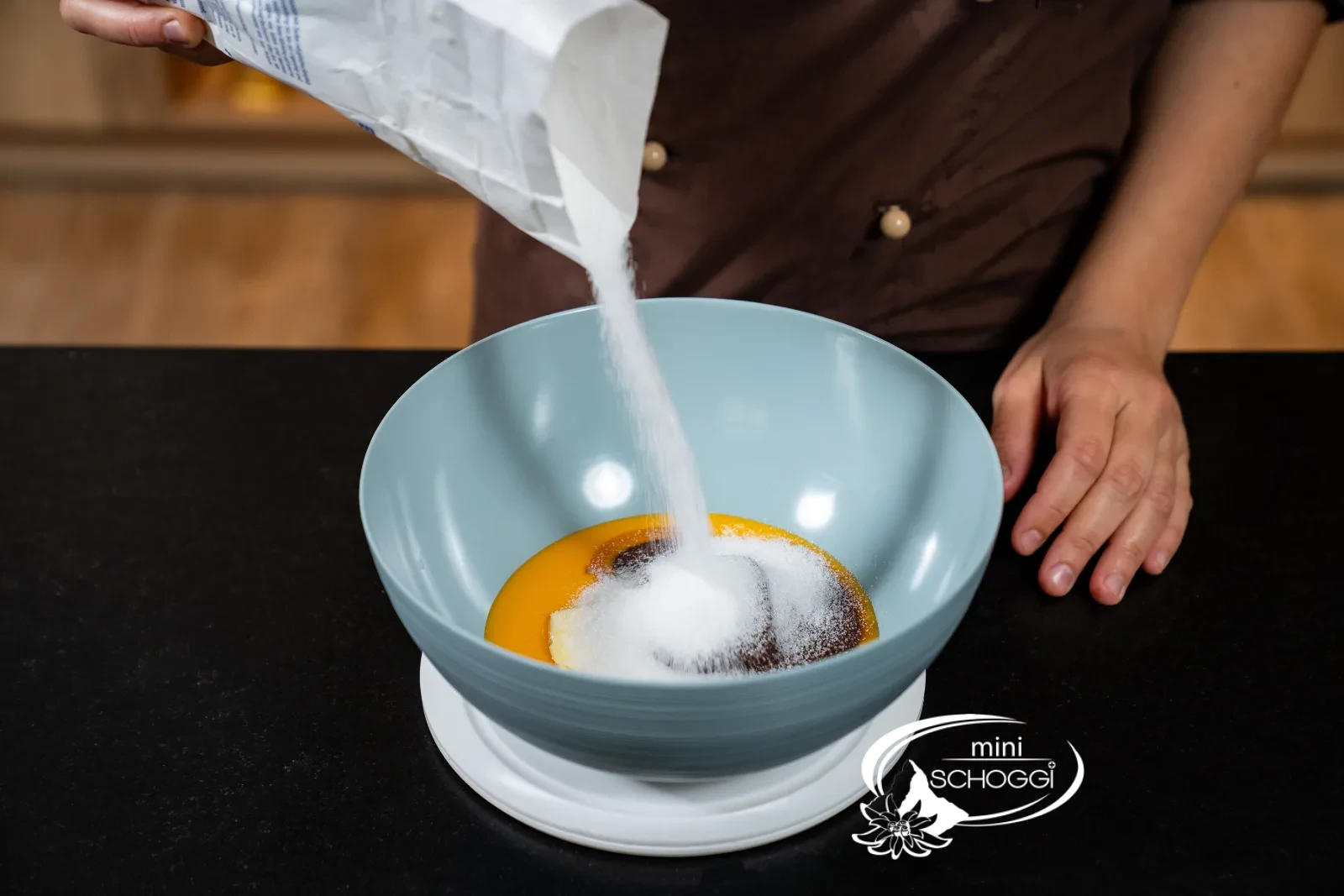
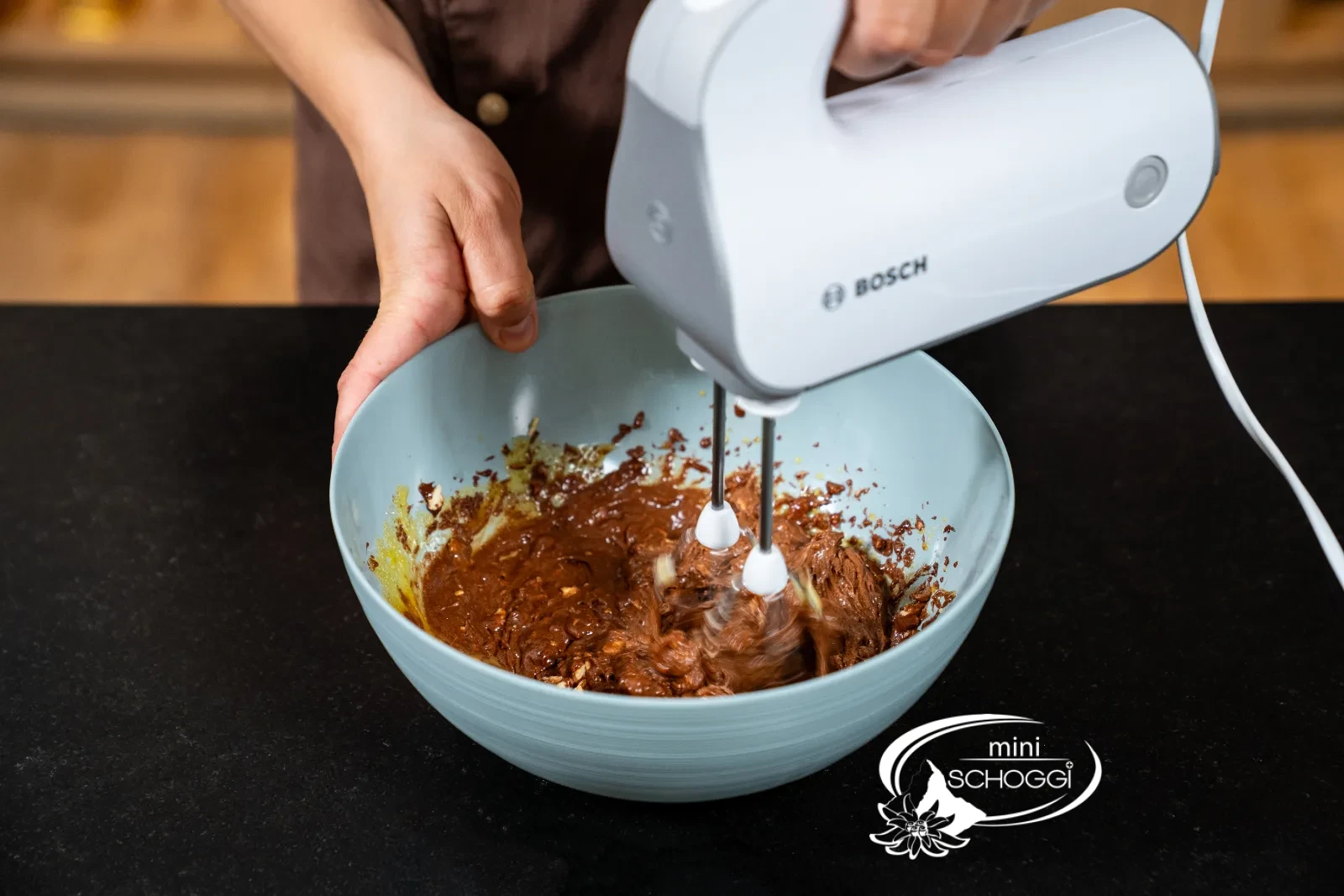
In a second Bowl, weigh out the egg yolk, the soft butter, the couverture melted to 40 °C and the granulated sugar (part 2). Beat everything lightly until fluffy with the hand mixer or the food processor.
The temperature of the couverture is crucial. 40 °C feels warm on the back of your hand, but not hot. If it is warmer, the egg yolk sets and you get little lumps; if it is cold, the butter firms up again and the batter curdles. The easiest approach is to melt the couverture while you whip the egg whites – then it will have the right temperature by itself when you need it.
This is what you need for it


Callebaut Dark chocolate 54.5%, 400 g
Insertion thermometer digital
3
Fold in the egg whites in three parts
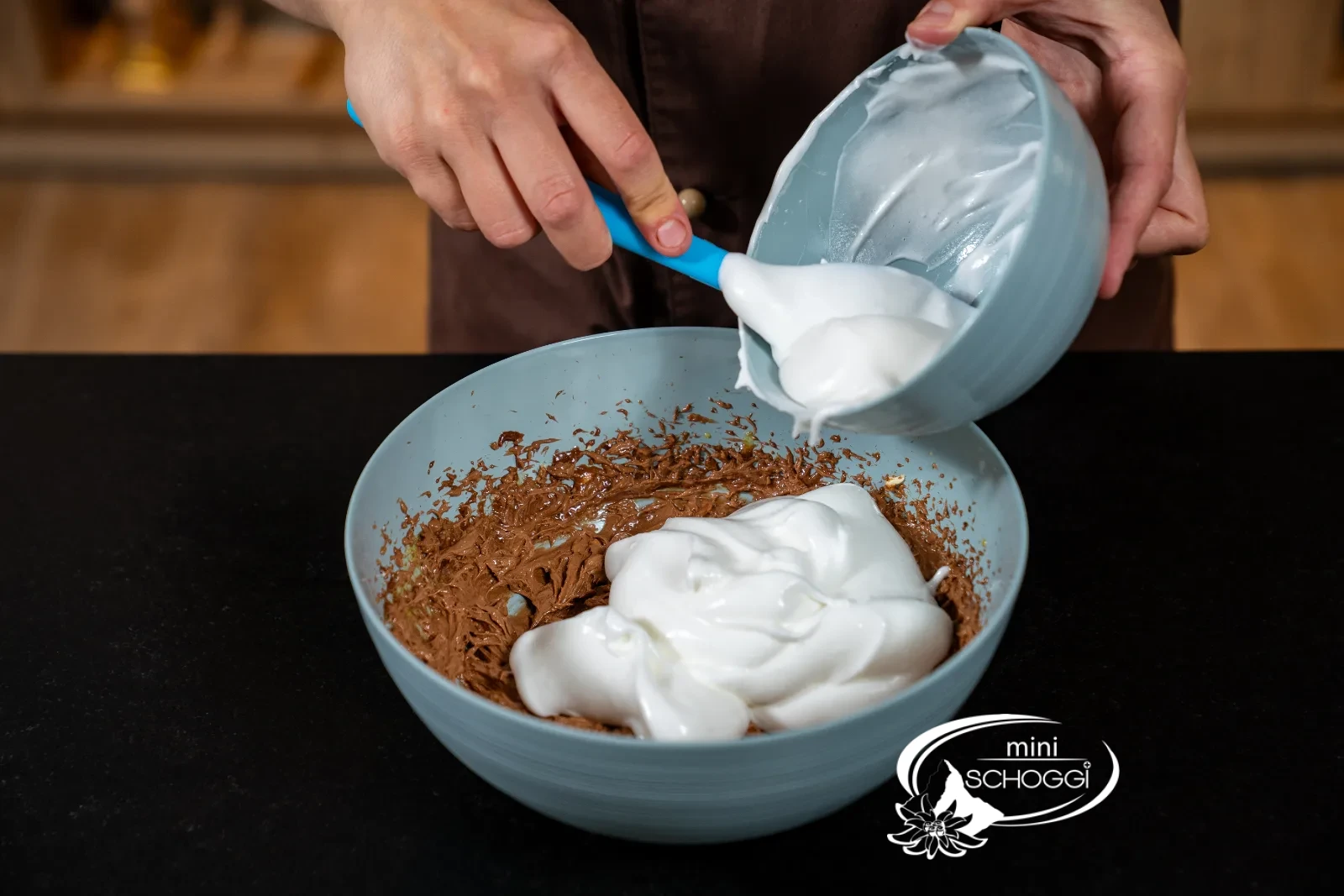
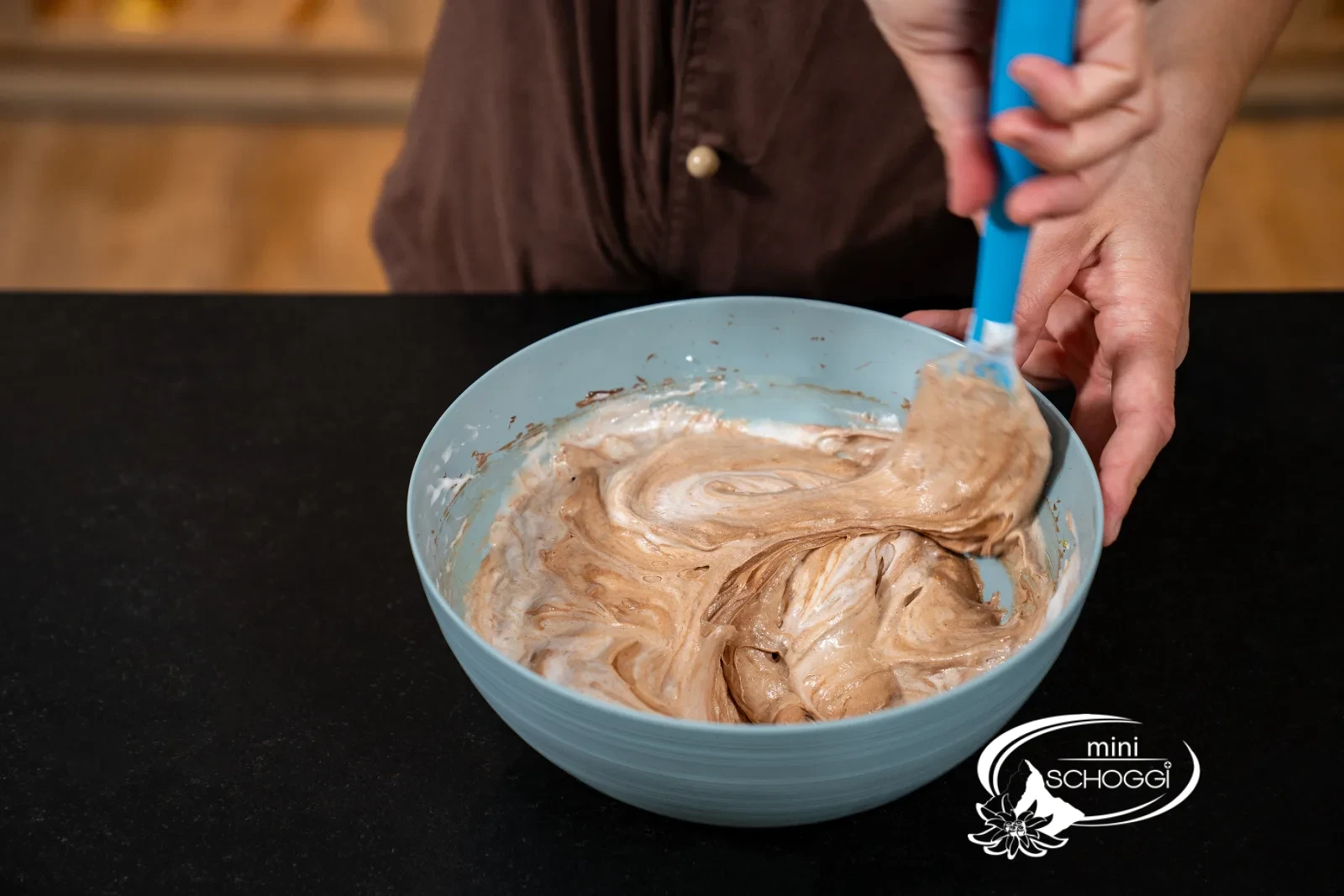
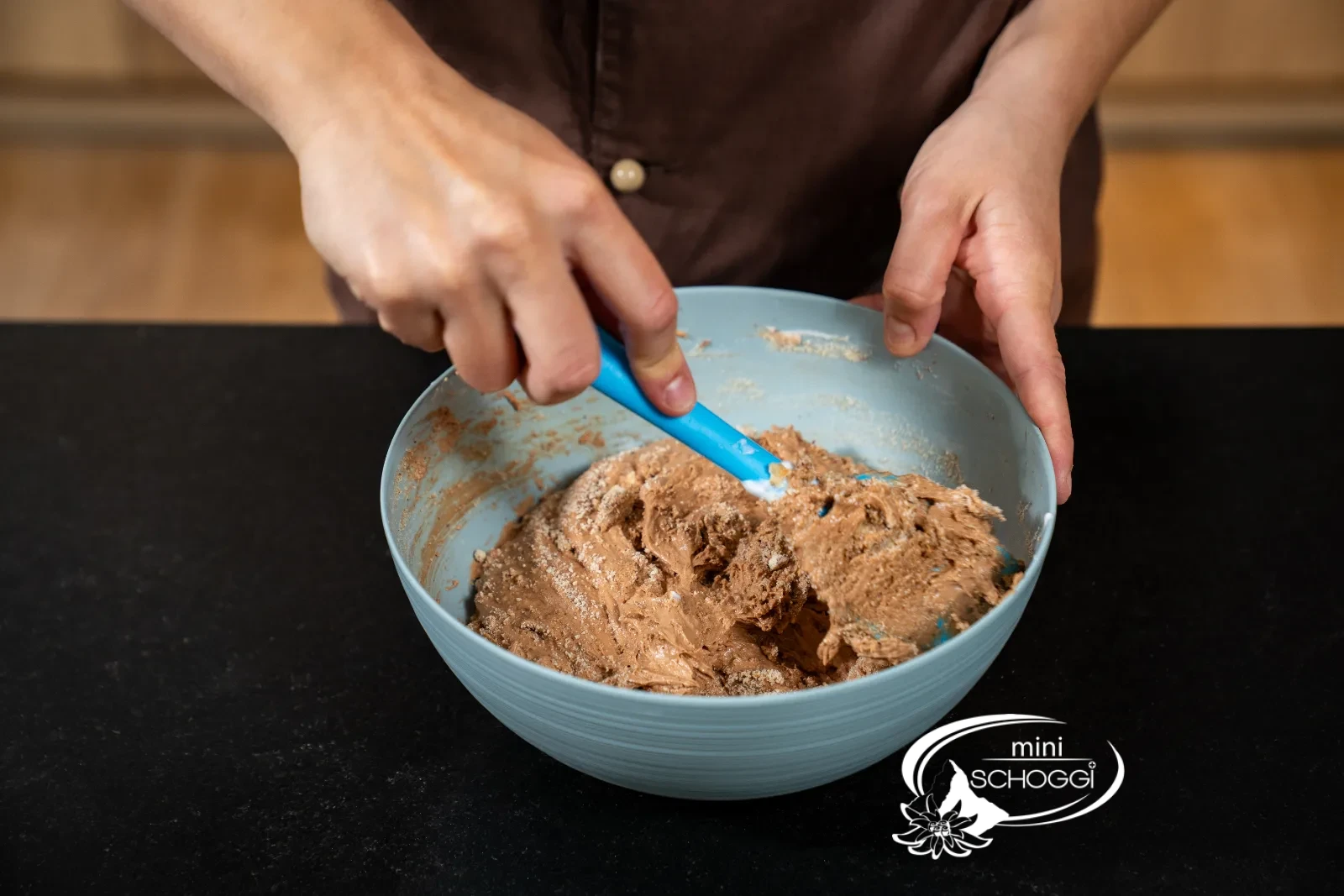
Now comes the step that decides how airy it turns out. Fold the beaten egg whites into the chocolate batter in three portions with the Rubber scraper – don't stir, but lift from the bottom to the top while turning the Bowl.
You can work the first portion in a bit more firmly, as it makes the heavy batter supple in the first place. With the second and third, proceed gently and stop as soon as no white streaks are visible anymore. Every extra stir costs volume, and because no baking powder helps out here, you won't get it back.
4
Mix in the flour and hazelnuts
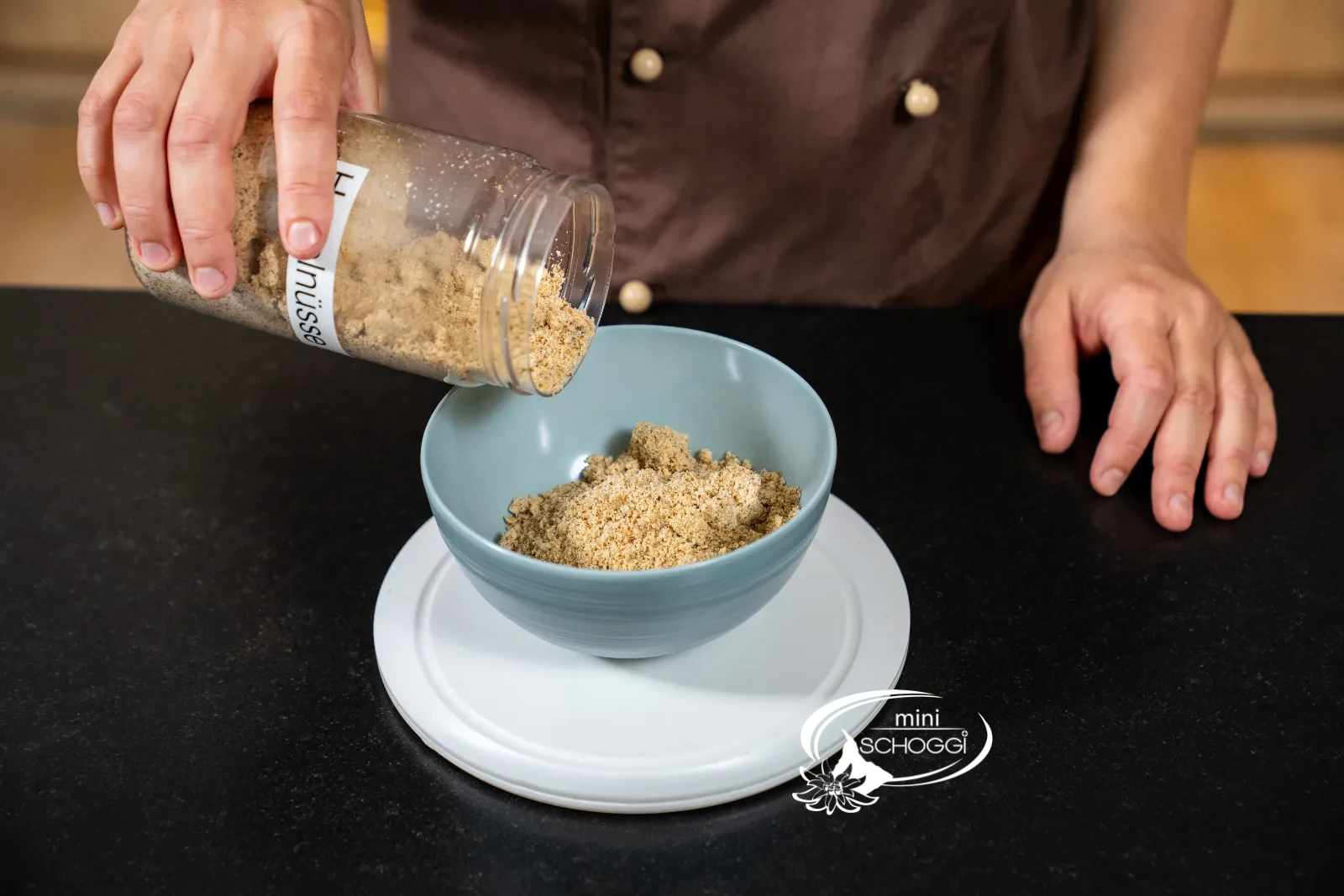
In a separate Bowl, weigh out the White flour and the ground hazelnuts and mix them briefly by hand. This way the small amount of flour is distributed evenly between the nuts and won't clump later.
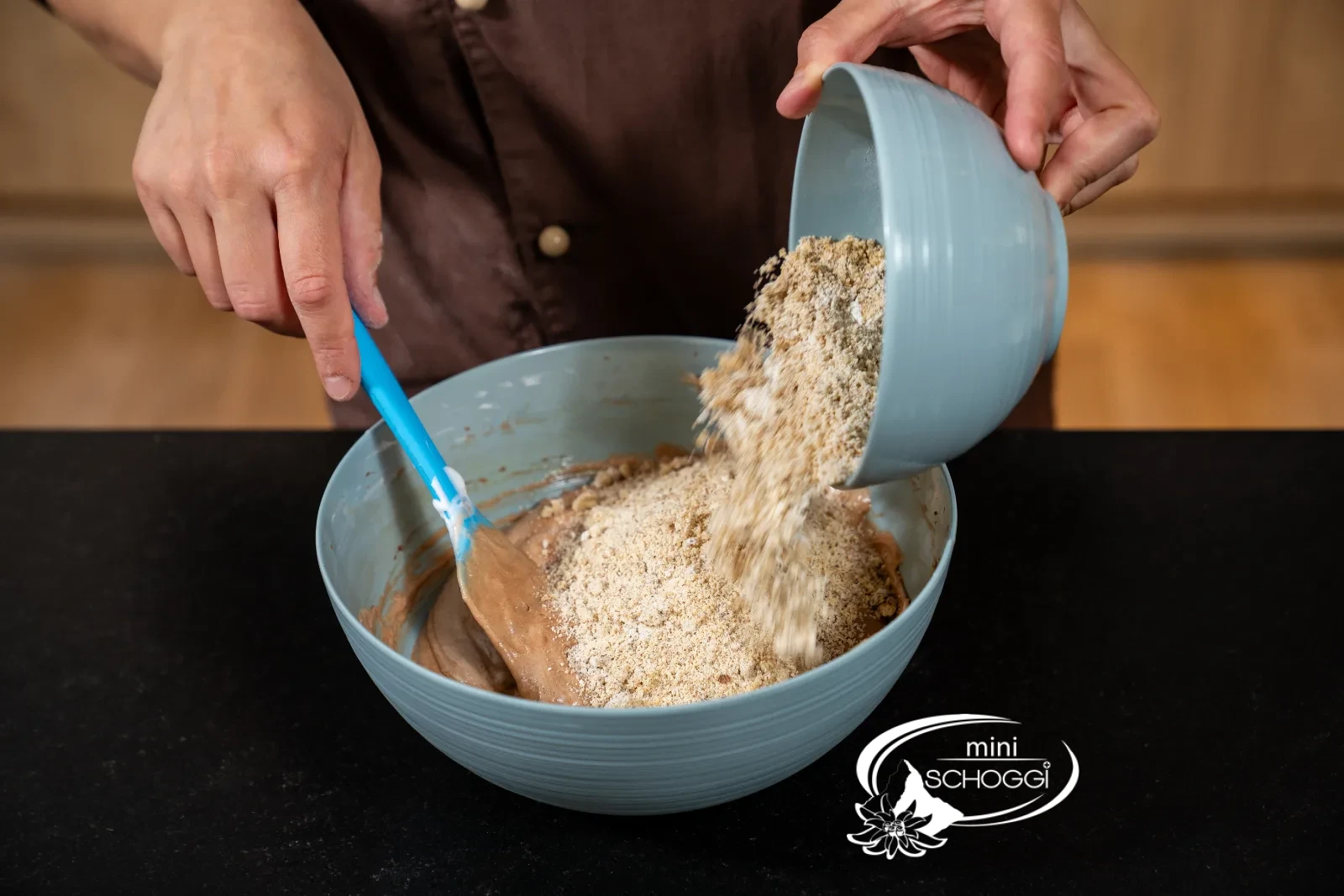
Add the mixture to the batter and gently fold it in too, until everything is homogeneous. Only 35 g of flour to 100 g of nuts: this recipe thrives on the hazelnuts, the flour merely holds it together. Then fill the finished batter into a Piping bag.
Preparing the tin and baking
1
Grease the tin, sprinkle in almond slivers and flour
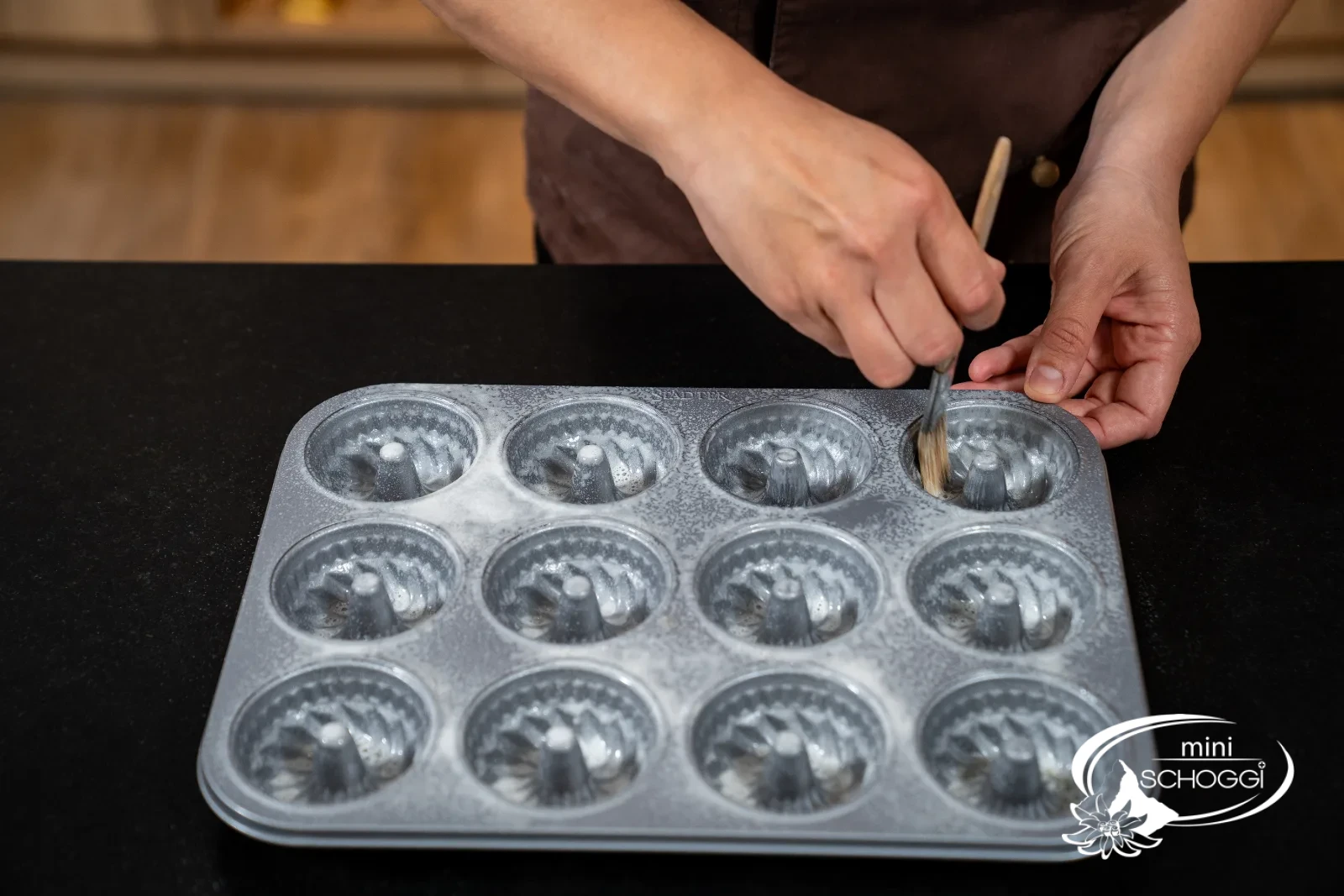
Grease the Bundt cake tin generously with soft butter, and really into every groove. Take a brush and work cavity by cavity, including the cone in the middle. This is the step people like to rush – and then half the crown stays in the tin when you turn out your small bundt cakes.
Next, sprinkle chopped flaked white almonds into every single cavity and turn the tin so the slivers stick to the butter everywhere. Tip out any excess. This isn't a decorative flourish but doubly useful: the almonds help release the Bundt cake from the tin, and after turning out they sit on the outside. So the lightly speckled crown is created now, not at the end.
Finally, dust the tin generously with White flour and tap it out briefly. Butter, almonds, flour – in this order the release layer sits, and in this order each one later comes free on its own.
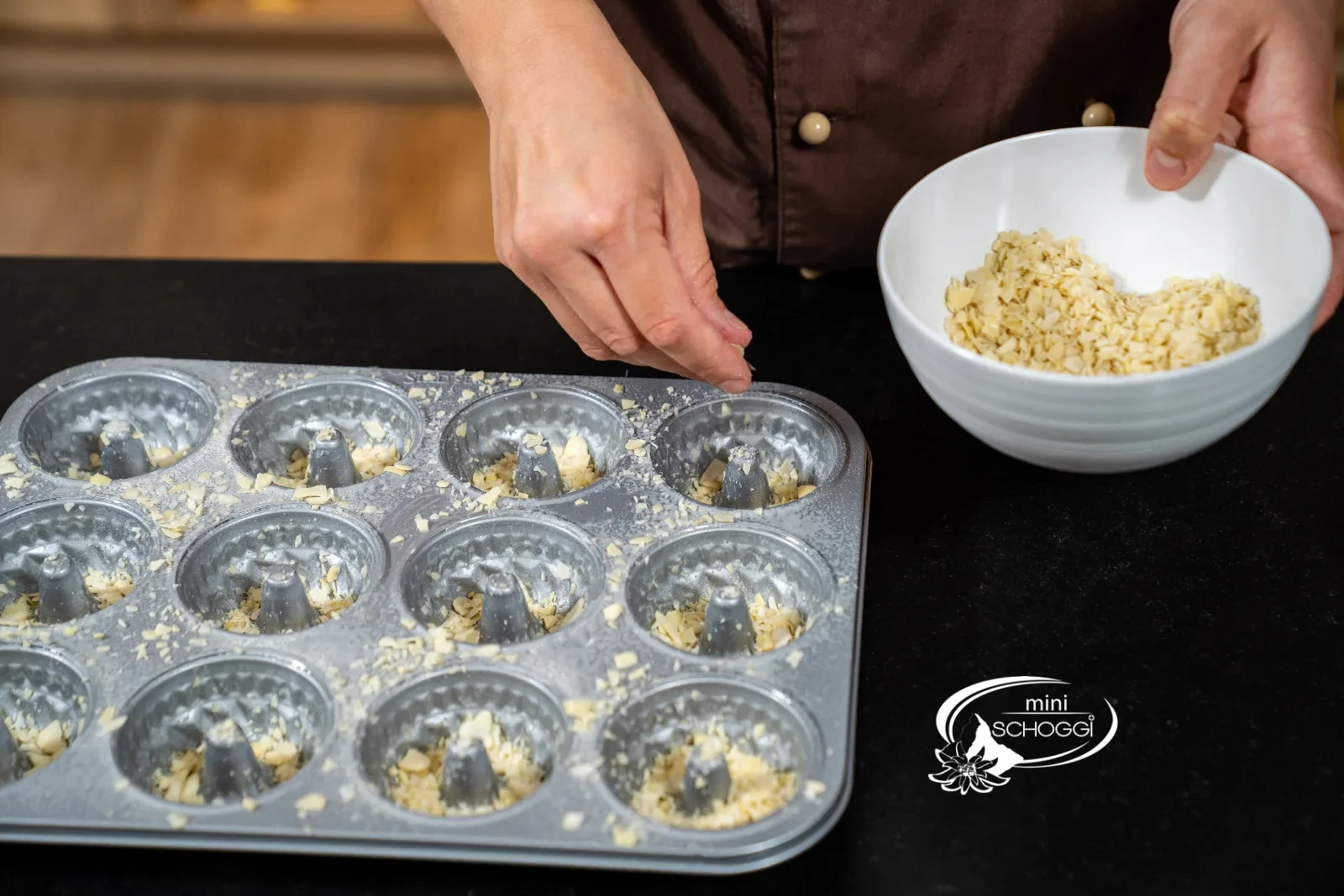
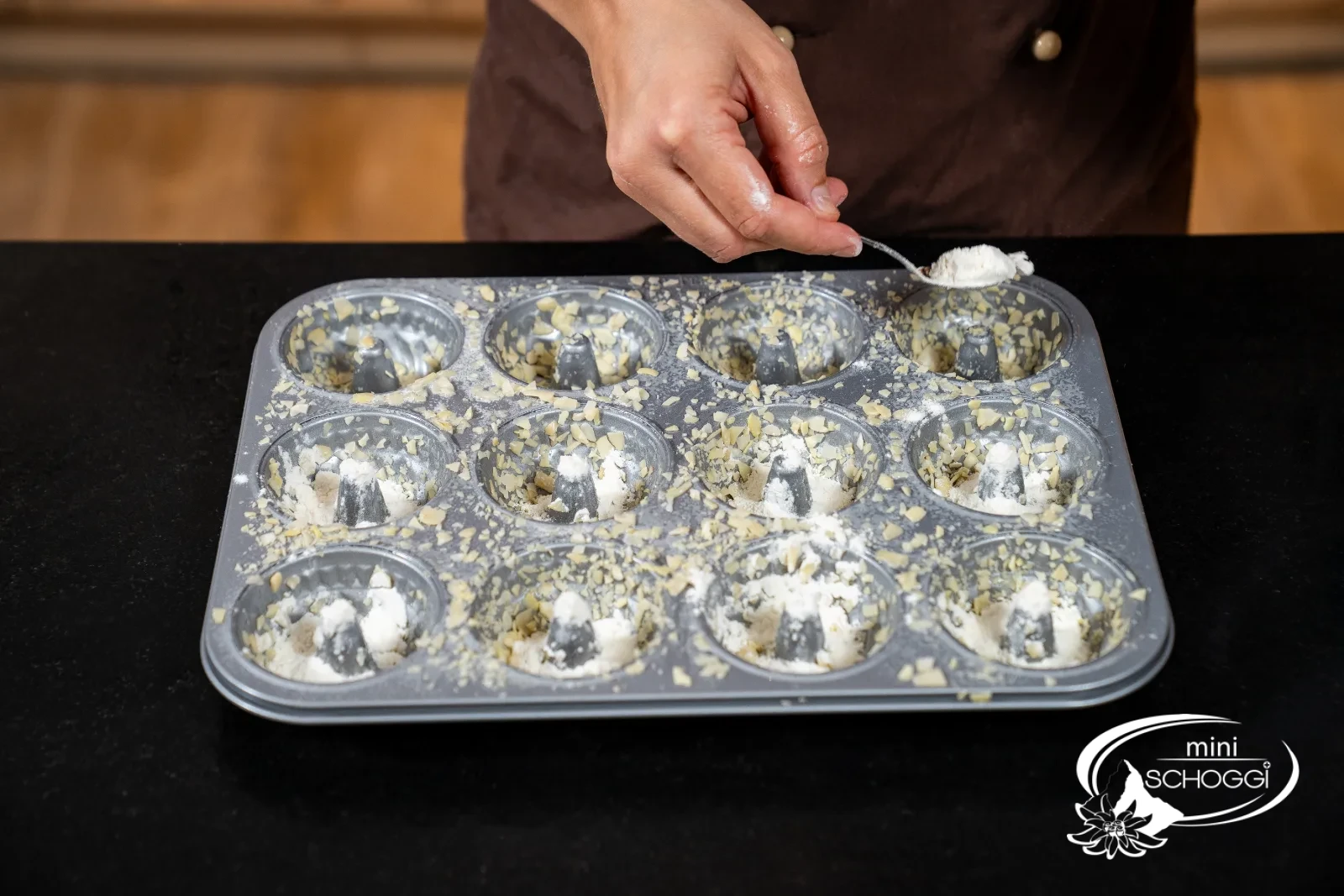
What you need for this


White flour, 1 kg
Bundt cake tin, 12 pieces
Silicone baking brush, 26 cm
2
Fill each with 50 g and bake for 12–15 minutes
Fill each cavity with 50 g of batter – the quickest way is with the piping bag directly on the scale. Bake the Bundt cakes at 180 °C fan for 12 to 15 minutes.
The test: a wooden skewer at the thickest point should come out with moist crumbs, not with liquid batter and not completely dry. Better a minute too early than one too late – at 50 g per piece it goes quickly.
Then let the Bundt cakes cool in the tin. Only turn them out afterwards: while warm they are still soft and tear at the crown. Finally, dust with a little snow sugar.
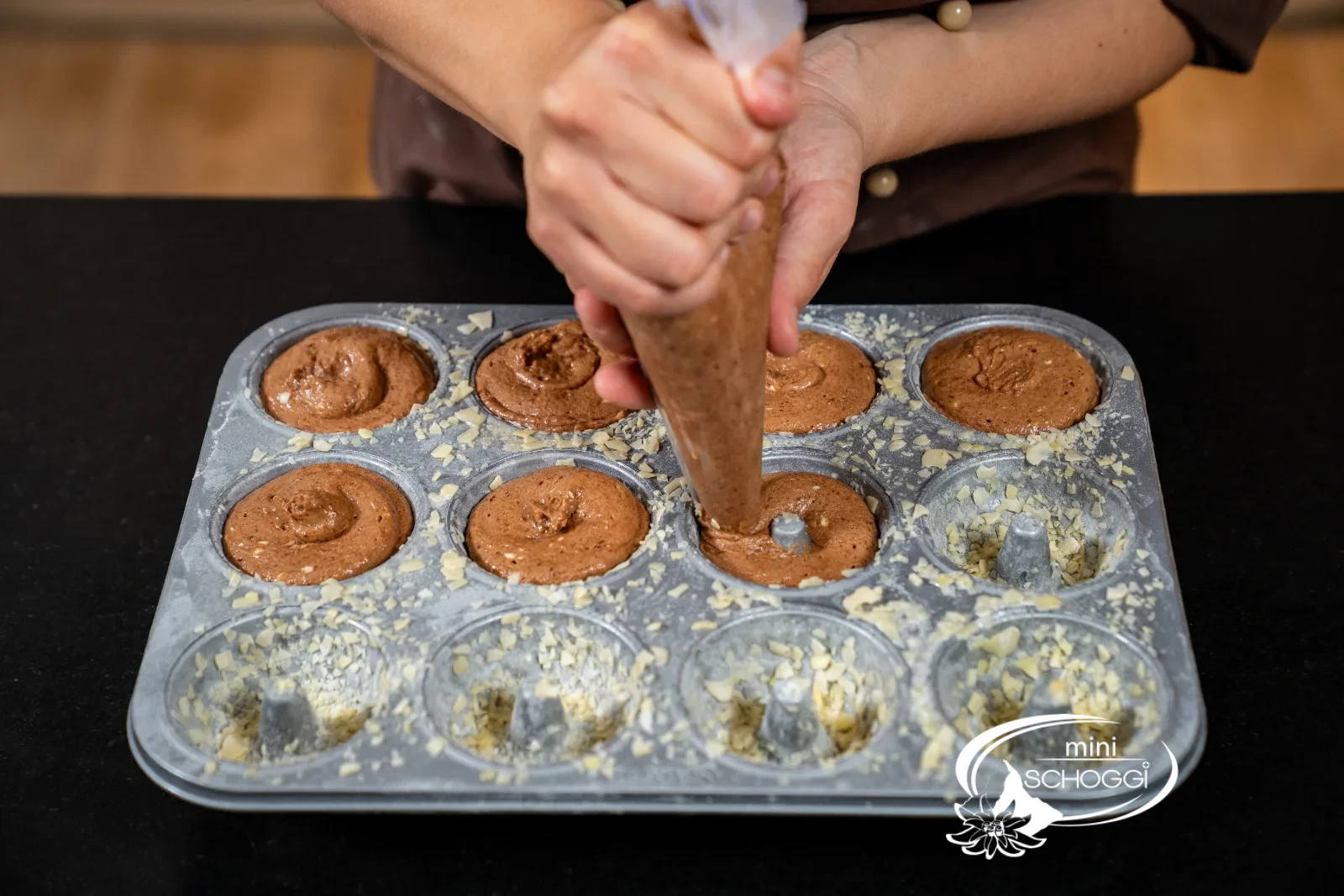
What you need for this


Bundt cake tin, 12 pieces
Disposable piping bags 30 cm, 10 pieces
Digital kitchen scale 5 kg
Powdered sugar shaker
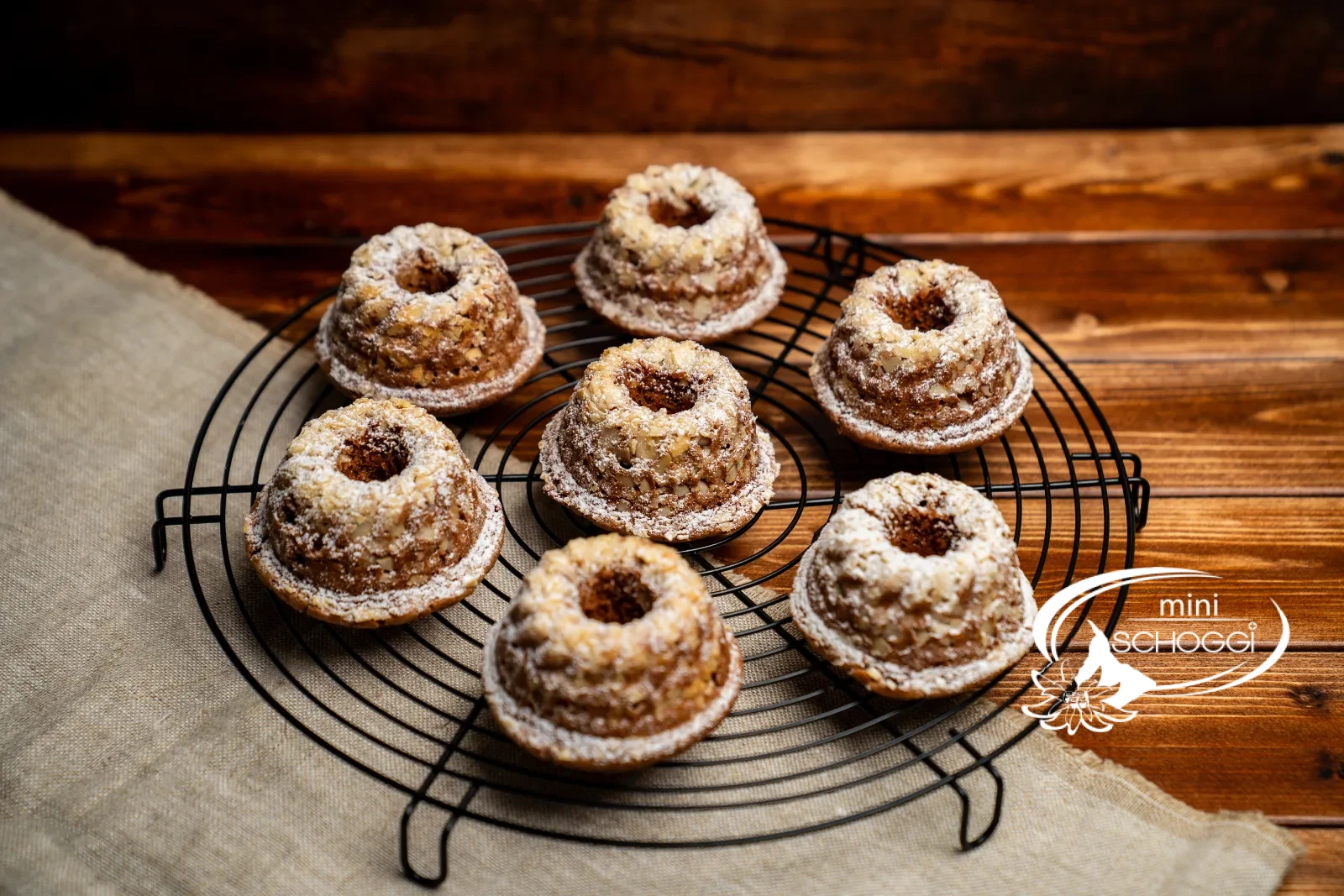
Compact · printable
Mini Bundt cakes with chocolate and hazelnuts
Ingredients
Quantity:
EGG WHITE MIXTURE
CHOCOLATE MIXTURE
DRY INGREDIENTS
FOR THE PAN AND FOR DECORATING
Preparation
- Beaten egg white: Whip 100 g egg white with salt, sprinkle in 50 g sugar.
- Chocolate mixture: Beat egg yolk, soft butter, couverture (40 °C) and 50 g sugar until fluffy.
- Fold in: Fold in the beaten egg white in three portions.
- Dry: Mix 35 g flour with 100 g ground hazelnuts, fold in, fill into the piping bag.
- Pan: Butter, scatter in almond slivers, dust with flour.
- Baking: Fill in 50 g each, 12–15 min. at 180 °C fan.
- Cooling: Let cool in the pan, turn out, dust with icing sugar.
Nutritional values per 100 g
403kcal
26.1 gFat
35.4 gCarbohydrates
7 gProtein
Storage & shelf life
The finished mini Bundt cakes keep for 5 days. Store them at room temperature in a closed tin, not in the fridge – there the nutty crumb quickly dries out. Only dust the icing sugar over them shortly before serving. And if you want to freeze them: freeze them undusted, thaw at room temperature, then dust.
Everything for this recipe
Recommended from our bakery — exactly the sizes the recipe was tested with.
Ingredients
Callebaut Dark chocolate 54.5%, 400 g
White flour, 1 kg
Domori Dark couverture 66%, 1 kg
Accessories
Bundt cake tin, 12 pieces
Rubber scraper Red, small
Disposable piping bag 30 cm, 10 pieces
Silicone baking brush, 26 cm
Insertion thermometer digital
Delivery in 1–2 working days · Free shipping from CHF 100*
A nice touch
Not needed for the recipe — but it fits.
Mini bundt pan, 24 pieces
Digital kitchen scale 5 kg
Powdered sugar shaker
So they turn out perfectly every time
Butter, almonds, flour – in this order
With a bundt tin that has grooves, the release layer is half the work. First the butter, so the almonds stick. Then the almond slivers, because they break up the smooth surface. And finally the flour, which seals everything. Skip one of the three steps and you'll later be prising the dome out of the tin instead of off the plate.
The couverture must be lukewarm, not hot
40 °C feels warm on the back of your hand, but not uncomfortable. Too hot and the egg yolk will set and form lumps; too cold and the butter will firm up and the mixture will split. The easiest trick: melt the couverture while you're whisking the egg white – by the time you need it, it will have reached the right temperature on its own. With an insertion thermometer you don't have to guess at all.
Without baking powder: the air is all you've got
There's no raising agent in this batter. Whatever volume the whisked egg white brings is exactly the volume the bundt cake will have in the end. That's why you fold it in three portions, that's why you fold rather than stir, and that's why you preheat the oven beforehand. Leave the filled tin sitting around for ten minutes and you're baking in ten minutes' worth of lost air.
Frequently asked questions
You don't have to, and we deliberately leave it out. The recipe is calculated around the whisked egg white, and with baking powder the crumb takes on a different, coarser structure – it's precisely that fine, cake-like crumb that gets lost. If you're unsure, put your care into the whisking and the folding instead.
That's normal: for 100 g of egg yolk you need five to six eggs, and they give more egg white than the recipe calls for. Around 80 g is left over. Egg white can be frozen in portions – ideally labelled with the weight – and later turned into Meringue, Macarons or an omelette.
Yes, the mixture is enough for a small tin of about 18 to 20 cm. Allow for considerably more baking time in that case – roughly 35 to 45 minutes at 170 °C fan – and test with a wooden skewer. The dome browns on top faster than the centre is done; cover it with baking paper in the second half if it colours too much. The same principle applies to The best coffee bundt cake.
Print recipe
Choose what should appear on the printout.
Related products
Powdered sugar shaker
Price: CHF 19.90
Rated out of 5 stars based on
review(s)
bitte einloggen
With this powdered sugar shaker you never have to worry about lumpy...
White flour, 1 kg
Price: CHF 4.50
Rated out of 5 stars based on
review(s)
bitte einloggen
White flour is suitable for pastries of all kinds, from bread to cakes to...

Insertion thermometer digital
Price: CHF 22.50
Rated out of 5 stars based on
review(s)
bitte einloggen
For many treats, maintaining a certain temperature is essential. In a...
Mini bundt tin, 24 cavities
Price: CHF 39.50
Rated out of 5 stars based on
review(s)
bitte einloggen
The Gugelhupf baking pan mini allows you to bake 24 small Gugelhöpfen at...
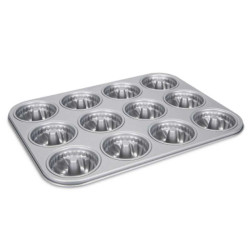
Mini bundt tin, 12 cavities
Price: CHF 36.20
Rated out of 5 stars based on
review(s)
bitte einloggen
The Gugelhupf baking pan allows you to bake 12 small Gugelhöpfen at the...

Rubber scraper Red, small
Price: CHF 6.90
Rated out of 5 stars based on
review(s)
bitte einloggen
The rubber scraper red is made of silicone, which protects pots and bowls...
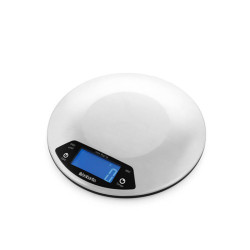
Kitchen Scale Digital 5 kg
Price: CHF 55.00
Rated out of 5 stars based on
review(s)
bitte einloggen
With this digital kitchen scale you can easily weigh up to 5 kg. The scale...
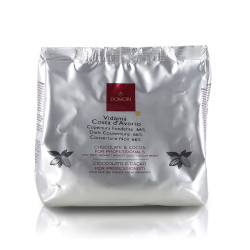
Domori dark couverture 66%, 1 kg
Price: CHF 38.90
Rated out of 5 stars based on
review(s)
bitte einloggen
This couverture is a treat for anyone who loves dark chocolate. The dominant...
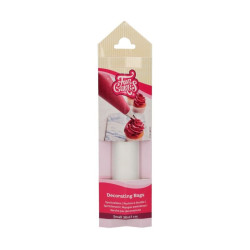
Disposable piping bag 30 cm, 10 pieces
Price: CHF 4.30
Rated out of 5 stars based on
review(s)
bitte einloggen
Disposable piping bags made from high-quality, food-safe plastic are the...
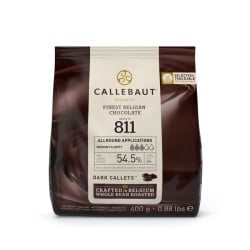
Callebaut dark chocolate 54.5%, 400 g
Price: CHF 17.50
Rated out of 5 stars based on
review(s)
bitte einloggen
Callebaut dark chocolate with 54.5% cocoa is the ideal choice for...
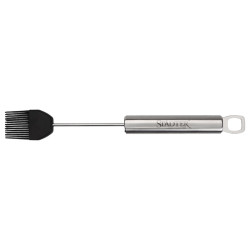
Silicone Baking brush, 26 cm
Price: CHF 16.90
Rated out of 5 stars based on
review(s)
bitte einloggen
Glasur auftragen, Gebäck mit Ei bestreichen, Butter auf Teige pinseln – es...
Bewertungen
Leave a comment
Related posts
 Make your own chocolate Easter bunnies
You can easily make your own Easter bunnies at home! You can find out how to do it and what you need here. A sweet...
Read more
Make your own decorative Swiss roll
Make your own decor roulade - we'll explain exactly how in this blog, with lots of tips and tricks from our...
Read more
Cinnamon stars with almonds and egg white icing
Juicy cinnamon stars made with almonds, sugar and cinnamon, topped with snow-white egg white icing. Flour-free, made...
Read more
Make your own chocolate pumpkin pralines
Make your own 3D chocolate pumpkin pralines - here you get detailed instructions with lots of tips and tricks...
Read more
How can I convert a cake recipe?
Converting a cake recipe, whether a sponge or a cake filling, is easy with our conversion table.
Read more